 500 - 750 / Box
Company Information
 Member Since 3 Years
 Nature of Business Exporter
 GST No. 24**********ZI
Ask for more detail from the seller
Contact Supplier
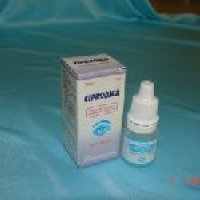
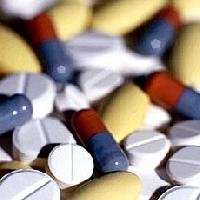
Rapacan 1 mg tablets are a medication containing the active ingredient sirolimus.It is an immunosuppressant used primarily to prevent organ rejection in patients who have received a kidney transplant.The drug works by suppressing the body's immune system, which helps it accept the new organ as its own.
Key Information about Rapacan 1 mg Tablets:
Active Ingredient: Sirolimus (1 mg).
Mechanism of Action: As an immunosuppressant, sirolimus inhibits the activity of certain immune cells (T-lymphocytes) and a protein called mTOR, which is involved in cell growth and survival. By doing this, it weakens the immune response and reduces the risk of the body rejecting the transplanted organ.
Primary Use: Prevention of kidney transplant rejection.It is often used in combination with other medications like corticosteroids and, initially, cyclosporine.
Other Uses: Rapacan is also prescribed for the treatment of a rare lung disease called sporadic lymphangioleiomyomatosis (S-LAM), which primarily affects women.
Administration: The tablets should be swallowed whole with water and should not be chewed, crushed, or broken.It is generally taken once daily, at the same time each day, and can be taken with or without food. It is important to be consistent with the timing and whether it is taken with or without food, as this can affect blood levels of the medication.
Important Precautions:
Avoid grapefruit juice while taking this medication, as it can increase the amount of sirolimus in the bloodstream, leading to an increased risk of side effects.
Rapacan can increase the risk of infections and certain types of cancer, such as skin cancer. Patients should avoid strong sunlight and use sunscreen with a high SPF.
It may not be safe for pregnant or breastfeeding women.
It is not typically recommended for children under 18 years of age.
Common Side Effects: Side effects can vary but may include increased blood lipid levels, high blood pressure, edema (swelling), abdominal pain, diarrhea, headache, fever, and a decreased white blood cell count.






Connect with us





 For Buyer
  For Seller
  Help
Help 

 Chandkheda, Ahmedabad, Gujarat

 Send Enquiry