 GST : 36GNLPS1299P1ZS
 4.5/5
4.5/5
Our Products
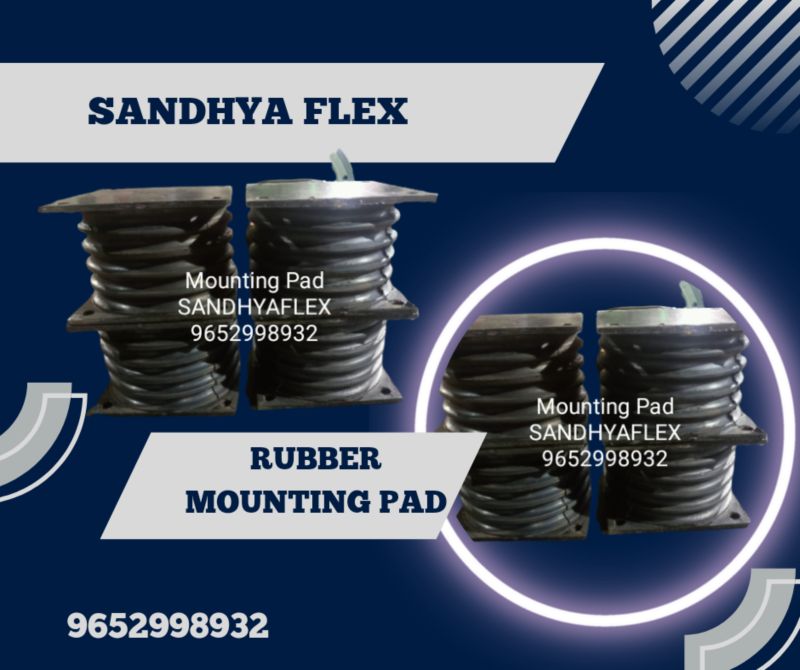
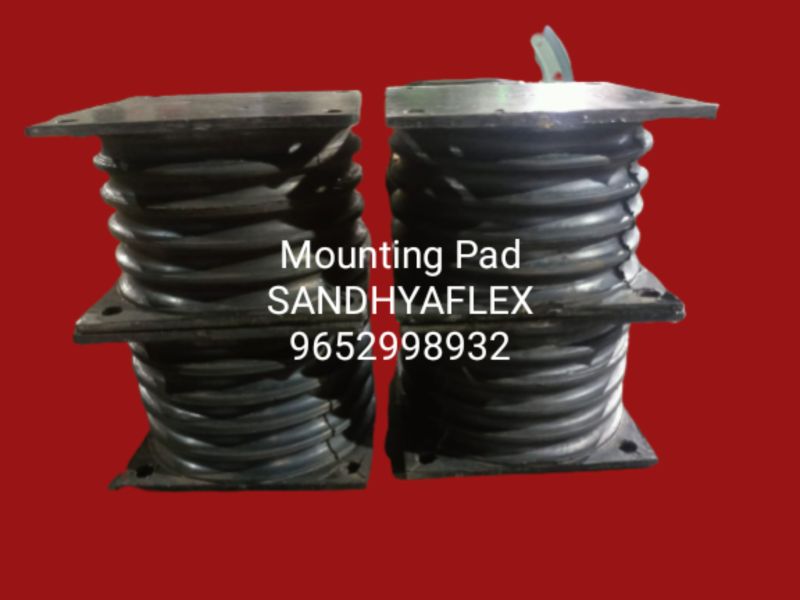
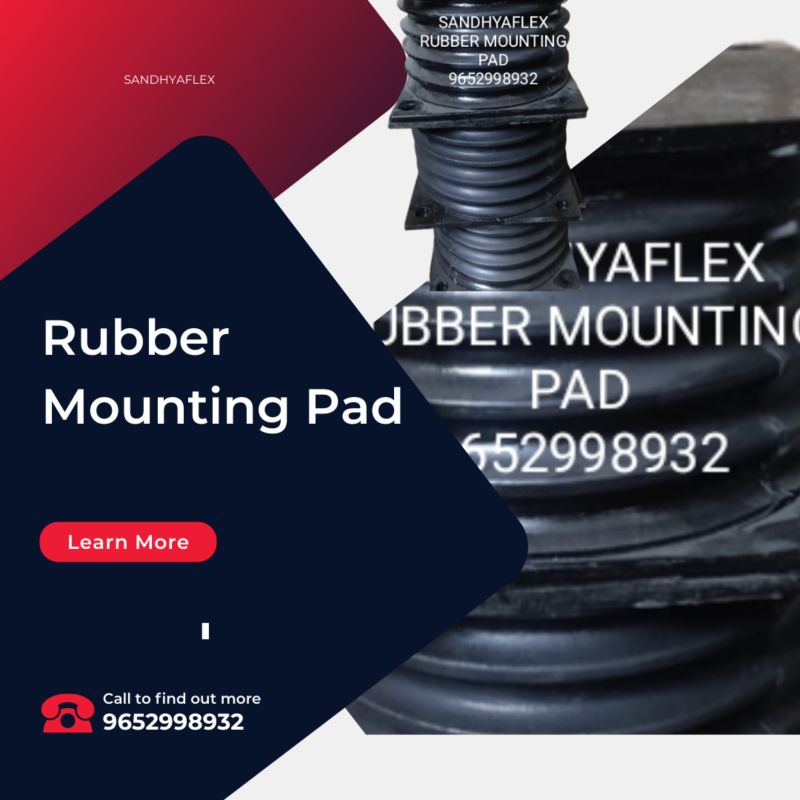
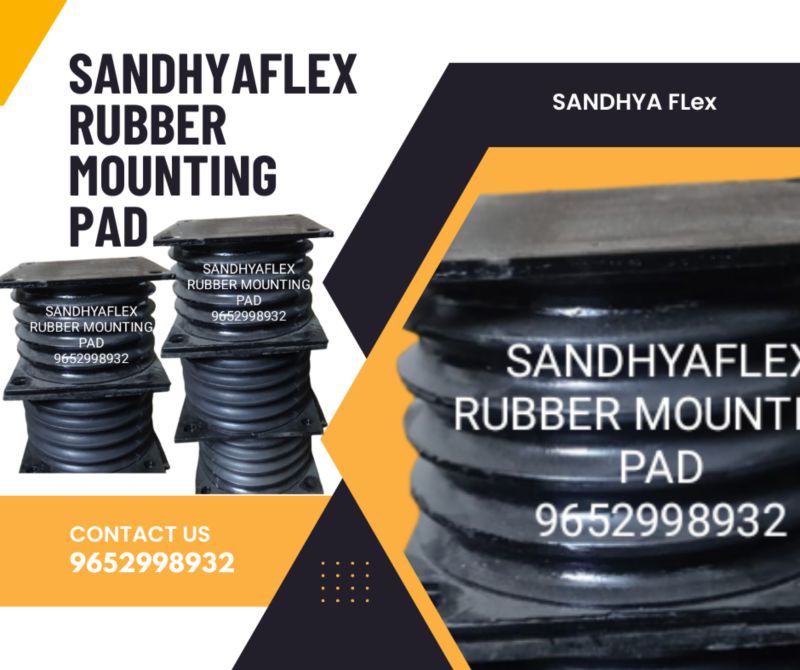
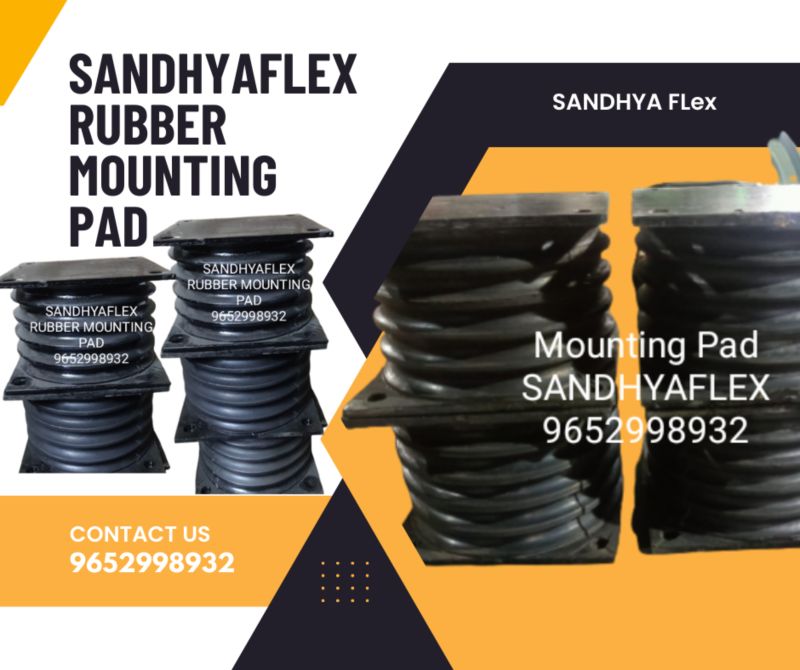
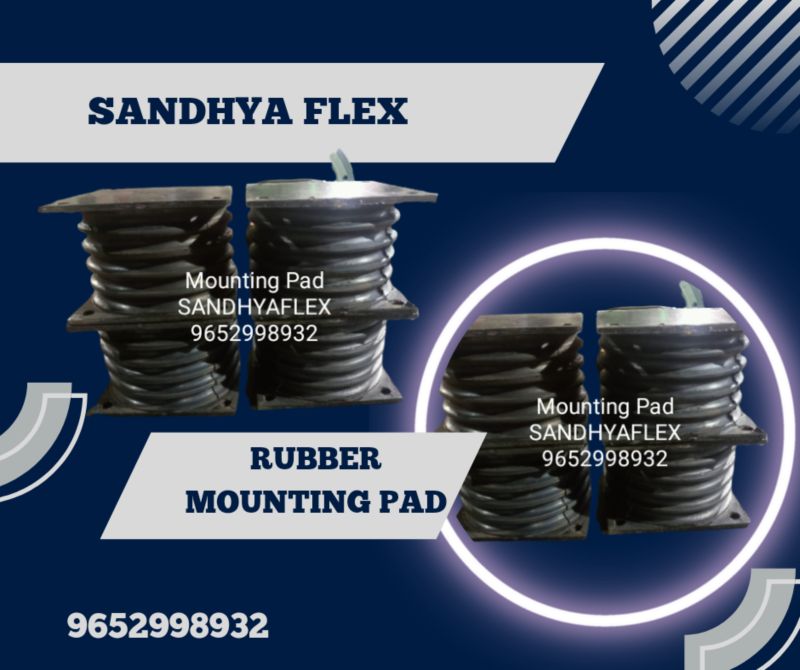
We are leaders in the market for providing best range of Mounting Rubber Pad, Anti Vibration Mounting Pads, SANDHYAFLEX Mastic Pad, 12mm Bitumen Mastic Pad and 20mm Bitumen Mastic Pad
A mounting rubber pad is a type of rubber component used to isolate or dampen vibrations, shocks, and noise in various mechanical and industrial applications. These rubber pads are designed to be placed between two surfaces, such as machinery or equipment and their mounting bases, to provide cushioning and reduce the transmission of vibrations and noise. Here are some key features and applications of mounting rubber pads:
**Key Features:**
1. **Rubber Material:** Mounting rubber pads are typically made from high-quality rubber compounds, including natural rubber or synthetic rubber materials like neoprene, EPDM, or silicone. The choice of rubber material depends on the specific application and the environmental conditions.
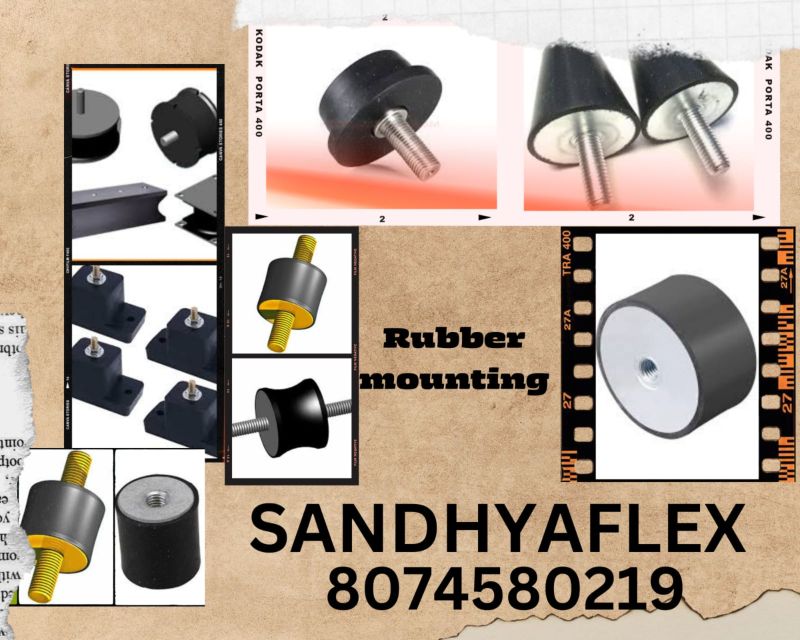
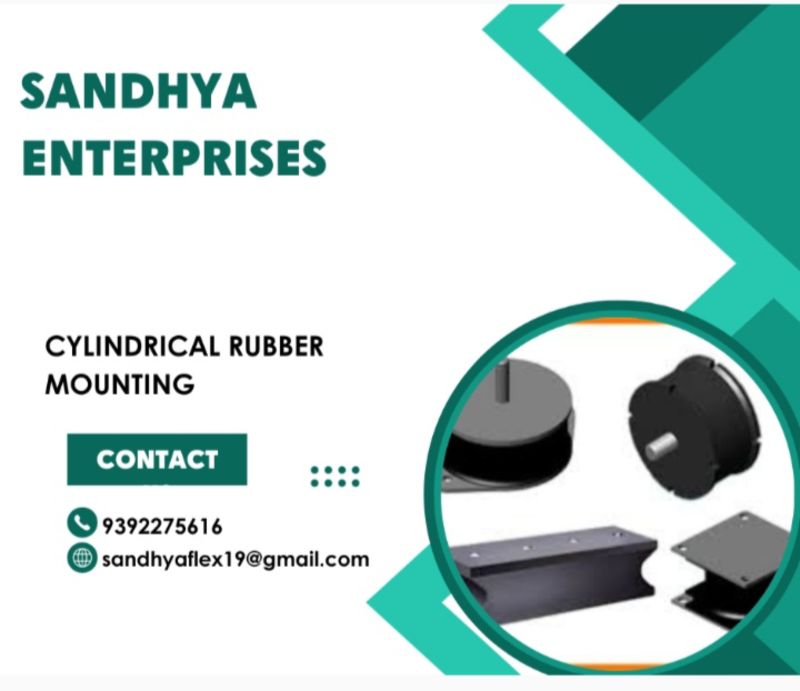
2. **Design:** These pads may come in various shapes and designs, such as square, rectangular, or cylindrical. The design often includes multiple layers or patterns to enhance their vibration isolation properties.
3. **Vibration Isolation:** The primary purpose of mounting rubber pads is to isolate or reduce vibrations generated by machinery or equipment. By absorbing and dissipating vibrations, these pads help prevent structural damage, noise, and equipment wear.
4. **Noise Reduction:** In addition to vibration isolation, mounting rubber pads can also reduce the transmission of noise, making them suitable for applications where noise control is essential.
5. **Load-Bearing Capacity:** Mounting rubber pads are available in various load-bearing capacities to support different equipment weights and sizes. The selection of the appropriate pad should consider the specific load requirements.
**Applications:**
Mounting rubber pads find applications in a wide range of industries and settings, including:
1. **Industrial Machinery:** They are used under heavy machinery, generators, compressors, pumps, and other industrial equipment to minimize vibrations and noise in manufacturing facilities.
2. **HVAC Systems:** Mounting rubber pads can be used in heating, ventilation, and air conditioning (HVAC) systems to reduce vibrations and noise from air handlers, chillers, and rooftop units.
3. **Construction:** In the construction industry, these pads are often used under equipment like concrete mixers, jackhammers, and vibratory compactors to limit vibrations transmitted to nearby structures.
4. **Electrical and Electronic Equipment:** Mounting rubber pads are used to dampen vibrations in sensitive electronic equipment, such as servers, telecommunications equipment, and laboratory instruments.
5. **Marine and Automotive:** They are employed in marine engines, automotive engines, and suspension systems to reduce vibrations and improve ride comfort.
6. **Residential Applications:** In homes, rubber mounting pads can be used under washing machines, dishwashers, and other household appliances to reduce noise and vibrations.
Properly selected and installed mounting rubber pads are essential for maintaining equipment performance, reducing maintenance costs, and ensuring the comfort and safety of operators and nearby personnel. The choice of pad material, size, and load capacity should be based on the specific requirements of the application.
Additional Information:
Payment Terms : T/T
Anti-vibration mounting pads, also known as vibration isolation pads or vibration dampening pads, are mechanical devices designed to reduce or eliminate the transmission of vibrations and shocks between industrial equipment or machinery and their surrounding structures. These pads are commonly used to protect equipment, reduce noise, and prevent structural damage caused by vibrations.
rnrnKey features and information about anti-vibration mounting pads:
rnrn1. Materials: Anti-vibration pads are typically made from various materials that have good damping properties, such as rubber, neoprene, cork, or elastomeric compounds. The choice of material depends on the specific application and the amount of vibration to be mitigated.
rnrn2. Design: These pads come in different shapes and designs, including rectangular, circular, or custom shapes to suit the equipment and the installation requirements. Some have a layered or composite design for enhanced vibration absorption.
rnrn3. Function: Anti-vibration mounting pads work by isolating the equipment from the structure it\'s mounted on, creating a barrier that absorbs and dissipates vibrations and shocks. This helps prevent the transfer of these unwanted forces to the building or other nearby machinery.
rnrn4. Applications: Anti-vibration mounting pads are used in various industries and applications, including HVAC systems, generators, pumps, compressors, motors, industrial machinery, and more. They are especially crucial in environments where vibration control is essential for safety, equipment performance, and noise reduction.
rnrn5. Installation: These pads are typically installed between the equipment or machinery and the mounting surface (floor or foundation). Proper installation is important to ensure they effectively isolate vibrations.
rnrn6. Benefits: The use of anti-vibration mounting pads provides several benefits, including reduced noise, improved equipment performance and longevity, protection against structural damage, and enhanced operator comfort and safety.
rnrn7. Maintenance: Regular inspection and maintenance of anti-vibration mounting pads are necessary to ensure they continue to perform effectively. Over time, these pads may wear out or deteriorate and may need replacement.
rnrn8. Load Capacity: Anti-vibration mounting pads are available in various load capacities to match the weight and size of the equipment they support. It\'s important to choose the right pads that can handle the expected loads.
rnrnBy using anti-vibration mounting pads, industries can minimize the impact of machinery vibrations on the surrounding environment, protect their equipment, and ensure a safer and quieter workspace. Proper selection and maintenance of these pads are essential for achieving these benefits.
Additional Information:
Payment Terms : L/C
Delivery Time : 7 to 15 days
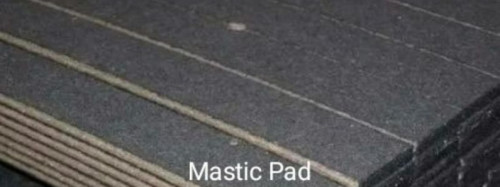
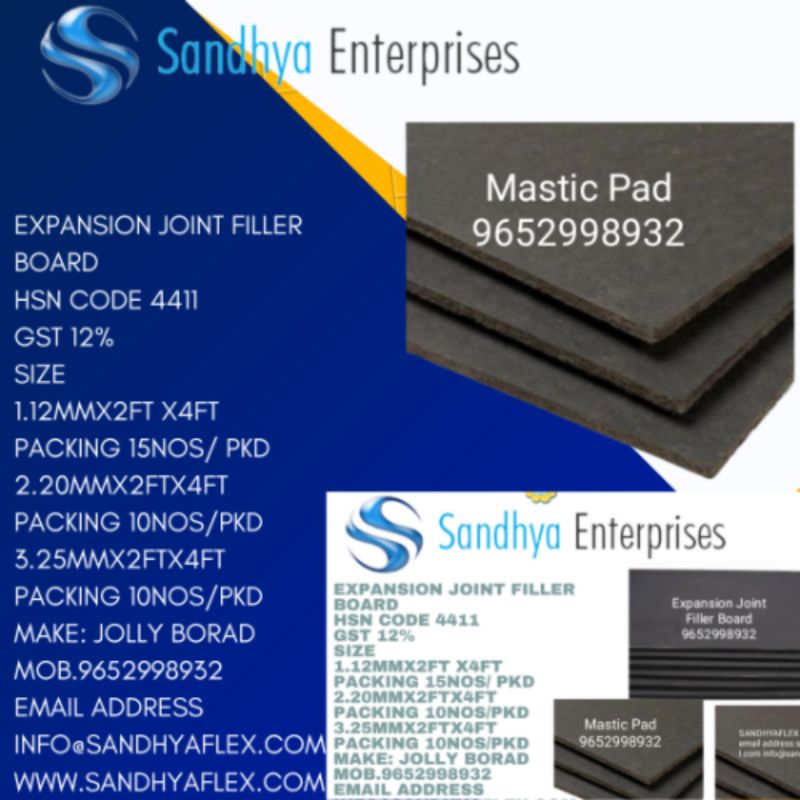
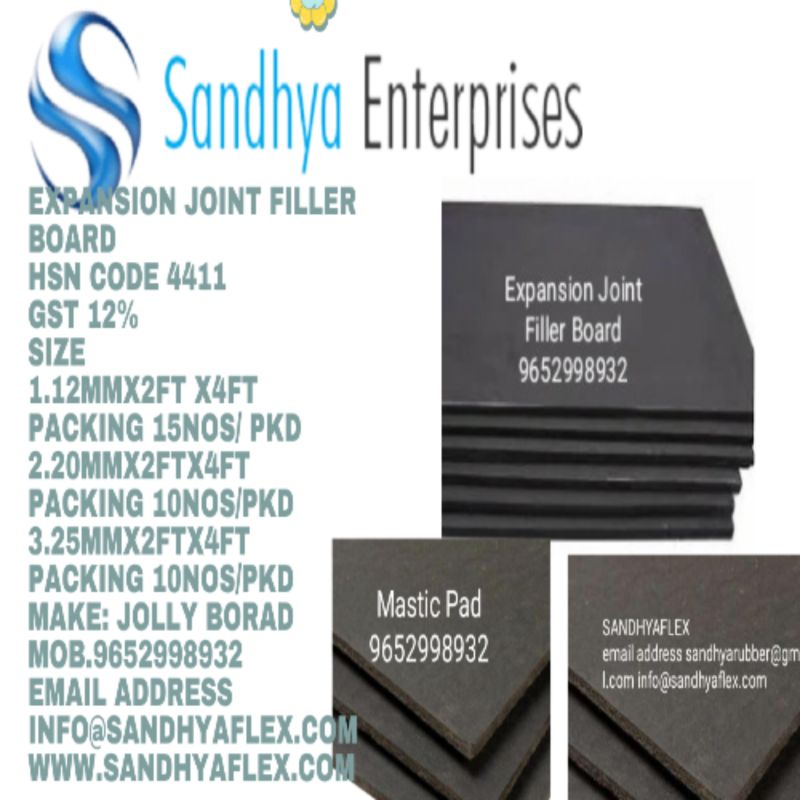
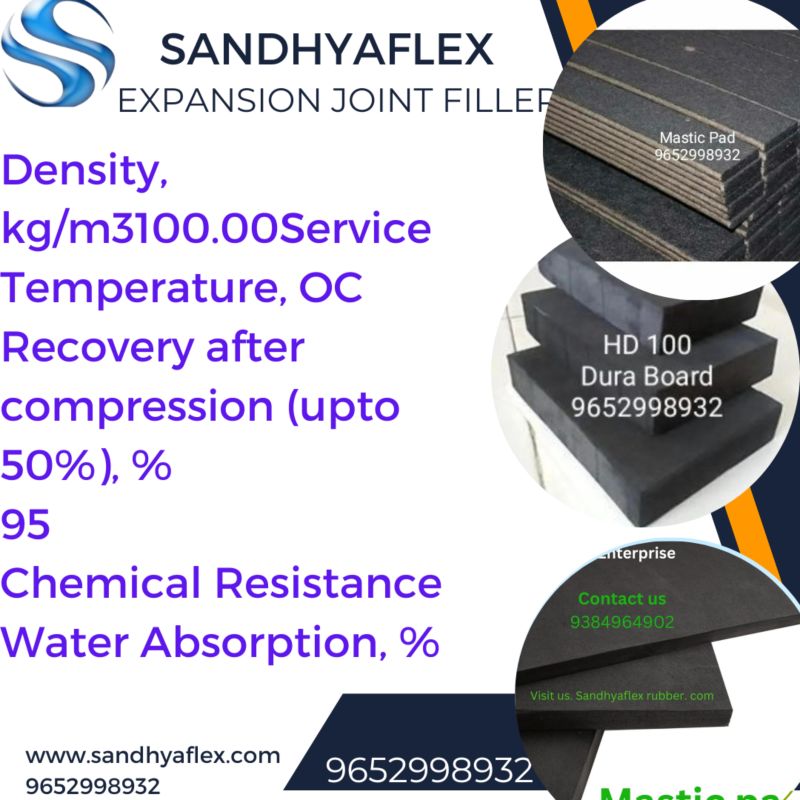
Mastic pads are versatile materials used in various applications, primarily for sealing and insulation purposes. These pads are often made from bituminous or rubber-like materials. Here are some key features of mastic pads: 1. **Water Resistance:** - Mastic pads are known for their excellent water-resistant properties. They are commonly used in applications where protection against moisture and water ingress is crucial. 2. **Weather Resistance:** - These pads can withstand exposure to various weather conditions, including sunlight, rain, and temperature fluctuations. This makes them suitable for outdoor applications. 3. **Flexible and Malleable:** - Mastic pads are flexible and malleable, allowing them to conform to irregular surfaces. This flexibility makes them versatile and easy to work with during installation. 4. **Sealing Capabilities:** - Mastic pads are effective in sealing gaps, joints, and seams. They provide a secure barrier against the entry of water, dust, and other contaminants. 5. **Adhesive Properties:** - Many mastic pads have adhesive properties, allowing them to bond securely to various surfaces. This adhesive quality enhances their ability to create a tight seal. 6. **Thermal Insulation:** - Mastic pads often exhibit good thermal insulation properties. They can help prevent heat transfer and are used in applications where thermal insulation is required. 7. **Chemical Resistance:** - Some mastic pads are resistant to chemicals, making them suitable for use in environments where exposure to acids, alkalis, or other corrosive substances is a concern. 8. **Vibration Damping:** - Mastic pads can absorb vibrations, reducing the transmission of noise and vibrations in machinery or structures. This feature is beneficial in applications where damping properties are essential. 9. **Shock Absorption:** - Due to their resilient nature, mastic pads can absorb shocks and impacts. This makes them suitable for applications where cushioning or shock absorption is necessary. 10. **Durable and Long-Lasting:** - Mastic pads are designed to be durable and long-lasting. They can withstand wear and tear, providing reliable performance over an extended period. 11. **Easy to Install:** - The flexibility and adhesive properties of mastic pads contribute to their ease of installation. They can be applied easily to surfaces, conforming to contours and irregularities. 12. **Versatility in Applications:** - Mastic pads find applications in various industries, including construction, automotive, electrical, and manufacturing. Their versatility makes them suitable for a wide range of sealing and insulation tasks. 13. **Resistance to Aging:** - Some mastic pads are formulated to resist aging, maintaining their properties and performance over time. This is important for long-term reliability in applications. When using mastic pads, it's crucial to consider the specific requirements of the application, such as temperature range, chemical exposure, and load-bearing capacity, to ensure the pads meet the intended purpose effectively. Export Packing Dimension in CBM Expansion Joint Filler Board Size 2 Feet and 4Feet Color Block S No Dimension Weight/Nos Each PKD/Nos Packing in Total Box Weight Kg/Pkd Lenght Width Thickness CBM 1 8mm x2ftx4ft 2.016 15 15 30.240 0.60 1.20 0.120 0.0864 2 10mm x2ftx4ft 2.520 15 15 37.800 0.60 1.20 0.150 0.108 3 12mm x2ftx4ft 3.024 15 15 45.360 0.60 1.20 0.180 0.1296 4 14mm x2ftx4ft 3.520 15 15 52.800 0.60 1.20 0.210 0.1512 5 16mm x2ftx4ft 4.032 15 15 60.480 0.60 1.20 0.240 0.1728 6 18mm x2ftx4ft 4.536 10 10 45.360 0.60 1.20 0.180 0.1296 7 20mm x2ftx4ft 5.040 10 10 50.400 0.60 1.20 0.200 0.144 8 22mm x2ftx4ft 5.440 10 10 54.400 0.60 1.20 0.2
Additional Information:
Payment Terms : T/T
Packaging Details : Mastic pads, also known as mastic tape or mastic pads, are versatile sealing materials used in various industries and applications. Here are some common uses:
1. **Electrical Installations**: Mastic pads are frequently used in electrical installations for sealing and insulating cable connections, splices, and terminations. They provide a waterproof and airtight seal, protecting electrical components from moisture, dust, and corrosion. Mastic pads are particularly useful in outdoor and underground applications where exposure to harsh environmental conditions is a concern.
2. **Telecommunications**: In telecommunications infrastructure, mastic pads are employed for sealing cable entry points in outdoor enclosures, junction boxes, and splice closures. They prevent water ingress and protect sensitive telecommunications equipment from environmental contaminants, ensuring reliable performance and longevity.
3. **HVAC Systems**: Mastic pads are used in heating, ventilation, and air conditioning (HVAC) systems for sealing joints, connections, and penetrations in ductwork and piping. They help prevent air leaks, improve system efficiency, and reduce energy consumption by minimizing air loss and maintaining proper airflow within the system.
4. **Plumbing**: Mastic pads find applications in plumbing installations for sealing joints and connections in pipes, fittings, and fixtures. They provide a durable and flexible seal that prevents water leaks, ensuring the integrity of plumbing systems and reducing the risk of water damage to buildings and structures.
5. **Automotive Industry**: Mastic pads are used in the automotive industry for sealing body panels, seams, and joints in vehicles. They provide a waterproof and weather-resistant seal that helps prevent rust, corrosion, and noise transmission. Mastic pads are commonly used in areas such as door panels, trunk lids, and engine compartments.
6. **Construction**: In construction applications, mastic pads are used for sealing gaps, cracks, and joints in building envelopes, windows, doors, and roofing systems. They provide a watertight and weatherproof seal, protecting buildings from water intrusion, air infiltration, and thermal leaks.
7. **Marine and Offshore Applications**: Mastic pads are employed in marine and offshore environments for sealing cable penetrations, pipe penetrations, and equipment connections on ships, offshore platforms, and marine structures. They resist saltwater corrosion, UV exposure, and extreme weather conditions, ensuring long-term performance and reliability in marine environments.
8. **Renewable Energy**: Mastic pads are used in renewable energy installations such as solar panels and wind turbines for sealing cable connections and junction boxes. They provide a reliable seal that protects electrical components from moisture and environmental damage, ensuring the efficient operation of renewable energy systems.
In summary, mastic pads are versatile sealing materials used in a wide range of industries and applications for creating watertight, airtight, and durable seals. They provide protection against moisture, dust, corrosion, and environmental contaminants, contributing to the reliability, efficiency, and longevity of various systems and structures.
For SANDHYAFLEX 12mm 2ft 4ft Bitumen Mastic Pad, the key purpose is bridge bearing cushioning, expansion joint filling, and vibration absorption. This is a heavy-duty waterproof and compressible pad widely used in civil construction projects.
Product OverviewSANDHYAFLEX Bitumen Mastic Pad (12mm thick, 2ft 4ft) is a preformed flexible pad made from bitumen, mineral fillers, and rubber additives, designed to:
Absorb vibration & load movement
Provide watertight sealing
Act as a shock-absorbing layer between concrete structures
| Size | 12mm thickness 2ft 4ft |
| Material | Bitumen + mineral filler + rubber |
| Density | 1.8 2.0 g/cm |
| Compression | High load-bearing capacity |
| Water Absorption | Very low (waterproof) |
| Temperature Resistance | Up to 7080C |
| Finish | Smooth / semi-flexible sheet |
Excellent shock absorption reduces structural stress Waterproof & weather-resistant High compressive strength supports heavy loads Flexible & easy to installResistant to chemicals & ageing
Where It Is UsedBridge ConstructionBridge bearings
Deck slabs
Expansion joints
Flyovers
Metro projects
Industrial foundations
Rail track support systems
Precast concrete joints
Heavy machinery base isolation
Mainly used where load transfer + movement + vibration control is required.
Advantages vs Traditional Materials| Load Capacity | High | Medium |
| Waterproofing | Excellent | Moderate |
| Cost | Economical | Higher |
| Durability | High | High |
| Installation | Easy | Easy |
Approx 300 600 per piece (2ft 4ft 12mm)(Depends on quality and quantity)
Best for bridges & heavy structures 12mm pad (standard choice)
For higher load use thicker pads (15mm25mm)
For light structures thinner pads (6mm10mm)
SANDHYAFLEX 12mm Bitumen Mastic Pad = Strong + Waterproof + Shock-absorbing solution for heavy construction joints
If you want, I can also help you with:
IS standard specifications
Load calculation / thickness selection
Or a sales brochure/catalog for your products
Additional Information:
Delivery Time : 2 to 7 days
For SANDHYAFLEX 20mm 2ft 4ft Bitumen Mastic Pad, this is a heavy-duty grade used where higher load, movement, and vibration absorption are required compared to 12mm pads.
Product OverviewSANDHYAFLEX 20mm Bitumen Mastic Pad is a thick, compressible, waterproof sheet made from bitumen + mineral fillers + rubber compounds, designed for load transfer and expansion joints in major infrastructure projects.
Technical Specifications| Size | 20mm thickness 2ft 4ft |
| Material | Bitumen + mineral filler + rubber |
| Density | 1.8 2.0 g/cm |
| Compression Strength | Very High |
| Water Absorption | Negligible (Waterproof) |
| Temperature Resistance | Up to 7080C |
| Finish | Semi-flexible sheet |
Higher thickness (20mm) more load bearing capacityExcellent shock & vibration absorption Waterproof and weather-resistantPrevents direct concrete-to-concrete contactLong life with low maintenance
Where It Is UsedHeavy InfrastructureBridges & flyovers (bearing pads)
Metro rail & elevated corridors
Highway expansion joints
Heavy machinery foundations
Precast concrete structures
Industrial flooring joints
Track support cushioning
Structural vibration control
20mm pads are used where movement + heavy load + durability are critical.
20mm vs 12mm Bitumen Pad| Load Capacity | Very High | High |
| Shock Absorption | Excellent | Good |
| Thickness | 20mm | 12mm |
| Use Case | Heavy projects | Standard projects |
| Cost | Higher | Lower |
Approx 500 900 per piece (2ft 4ft 20mm)(Depends on quality & quantity)
Heavy load / bridge work 20mm pad (best choice)
Normal construction 12mm pad
Extreme load consider 25mm or layered pads
SANDHYAFLEX 20mm Bitumen Mastic Pad = Maximum strength + vibration control + long-term durability for heavy infrastructure
If you want, I can also:
Suggest which thickness suits your project load
Create a product datasheet or quotation format
Or help you compare with neoprene bearing pads
Additional Information:
Delivery Time : 2 to 7 days
 Ms. Sandhya Chaudhary (Sandhya Enterprises)
 5-24-1223/5/1, Ambedkar Nagar, Gajularamaram, Quatubulapur, R. R. Dist, Hyderabad, Telangana - 500055, India
 https://www.sandhyaflex.co.in
 Share us via