 GST : 36GNLPS1299P1ZS
 4.5/5
4.5/5
Our Products
Our product range contains a wide range of Rubber Dock Bumper, Rubber Expansion Joint Bellow with Rubber Flange, Rubber Strips and Spilet Flange Rubber Expansion Joint
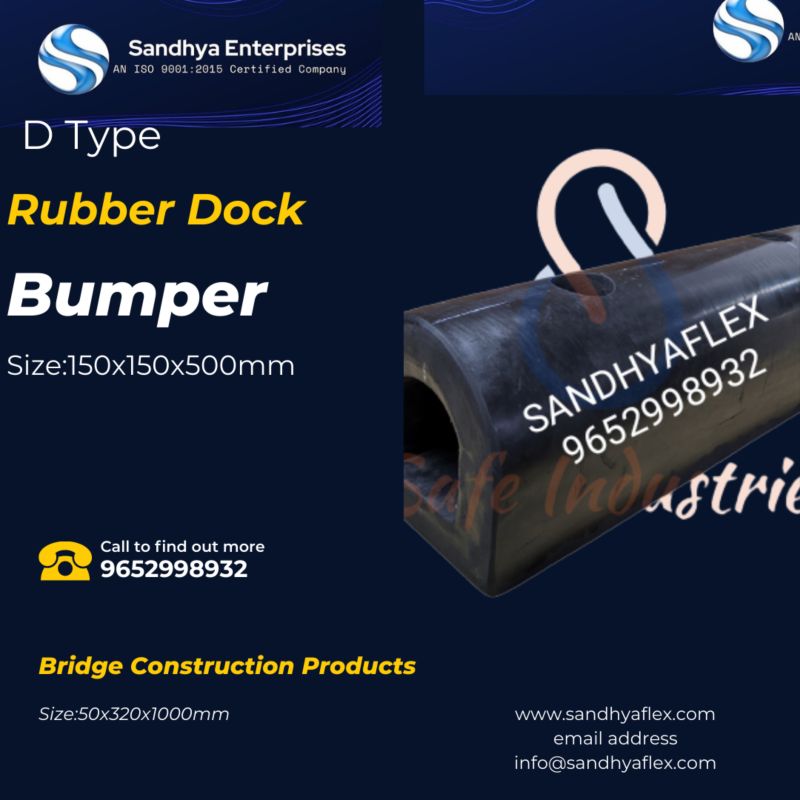
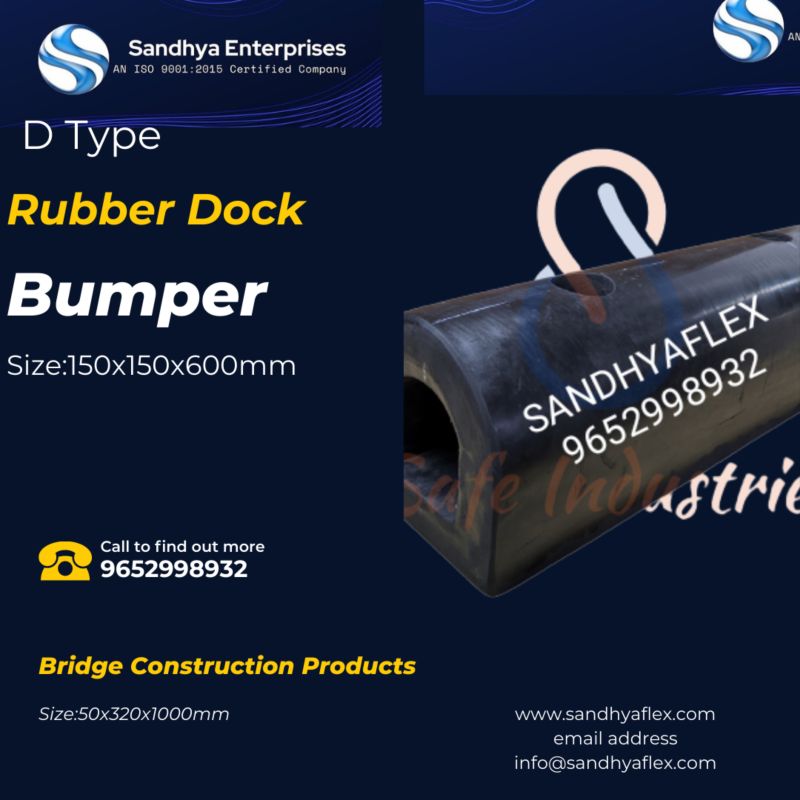
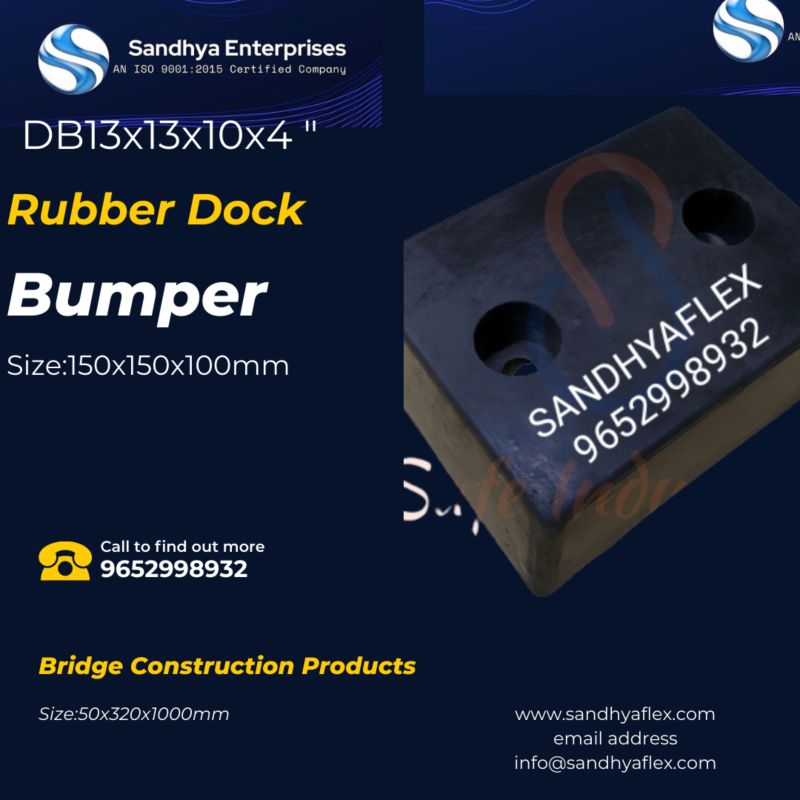
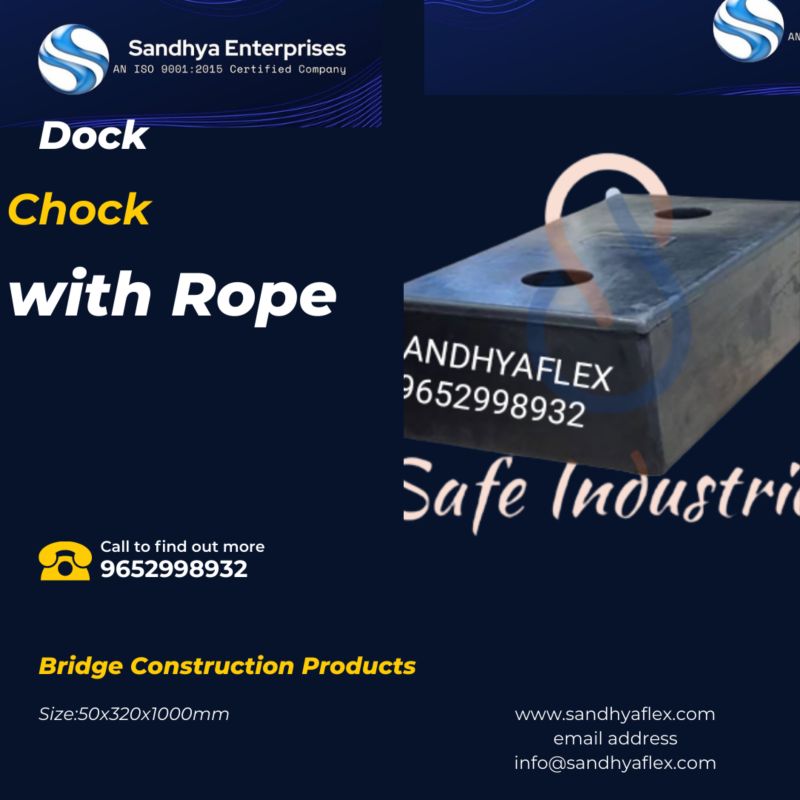
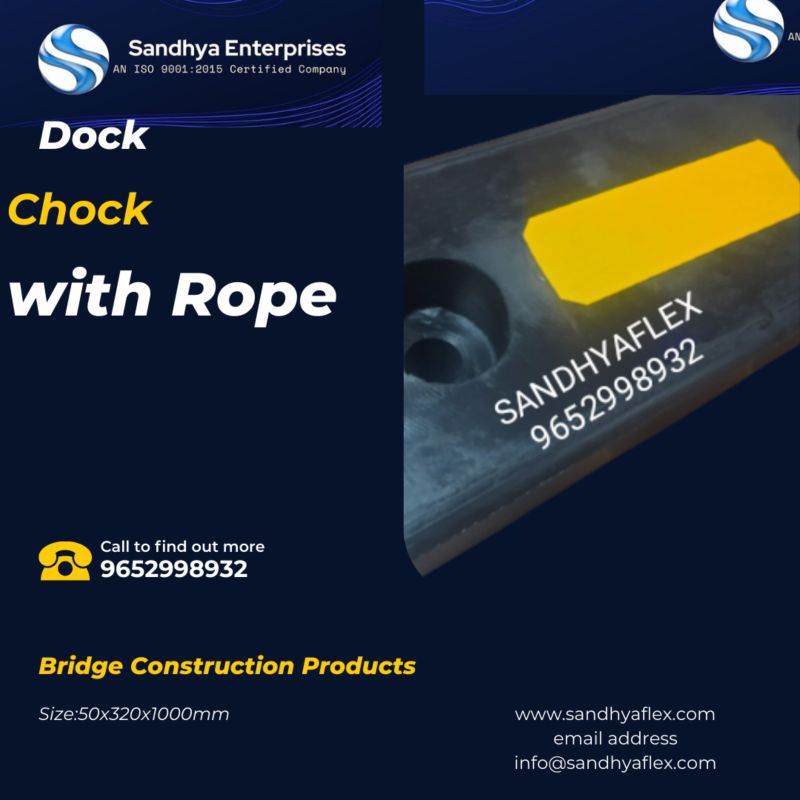
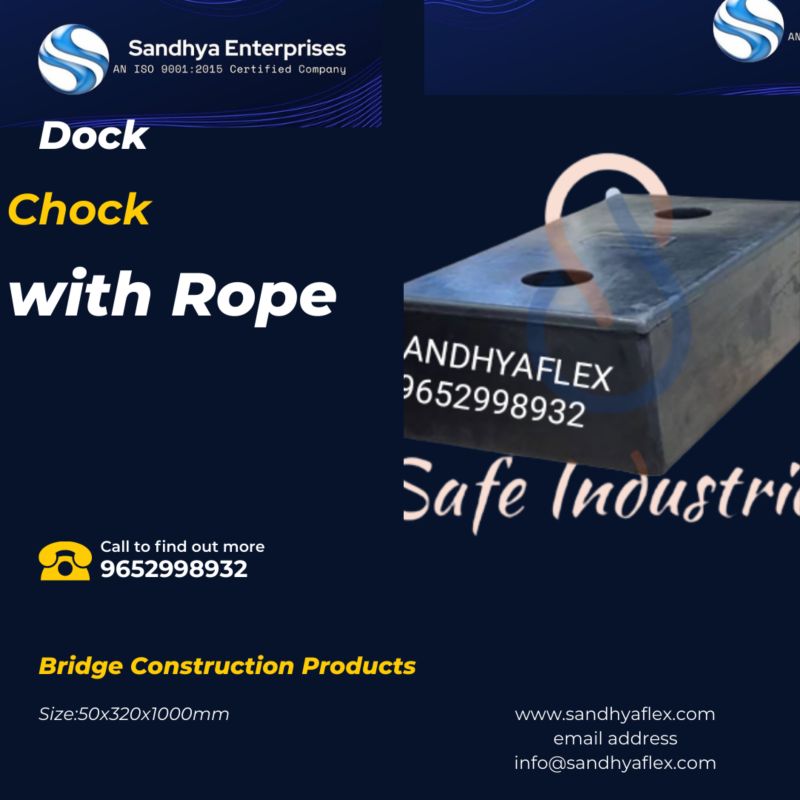
A rubber dock bumper, often referred to simply as a dock bumper or loading dock bumper, is a specialized rubber or elastomeric device designed to protect buildings, vehicles, and equipment from damage during loading and unloading operations at loading docks. These bumpers are strategically installed at the edge of loading docks, where trucks, trailers, or other vehicles come into contact with the dock structure. Rubber dock bumpers serve as a cushioning barrier to absorb and distribute impact forces, preventing damage and ensuring safe and efficient loading and unloading processes. Here are some key features and functions of rubber dock bumpers:
**Key Features:**
1. **Material:** Rubber dock bumpers are typically made from high-quality rubber or elastomeric materials that offer flexibility, durability, and resistance to impact and abrasion. The choice of material may vary depending on the specific application and requirements.
2. **Design:** They are designed to be thick and resilient, capable of absorbing and dissipating the energy generated by the impact of vehicles and cargo.
3. **Mounting:** Rubber dock bumpers are mounted or bolted onto the surface of the loading dock using pre-drilled holes or mounting brackets. They are available in various configurations, including horizontal and vertical installations.
4. **Size and Dimensions:** Dock bumpers come in different sizes and dimensions to accommodate various dock heights, vehicle types, and loading conditions.
5. **Reinforcement:** Some rubber dock bumpers include reinforcing elements, such as steel plates or channels, to enhance their strength and durability.
**Functions:**
The primary functions of rubber dock bumpers include:
1. **Impact Absorption:** Dock bumpers absorb and distribute the impact forces generated when vehicles make contact with the loading dock. This helps prevent damage to the dock structure, building walls, and vehicles.
2. **Protection:** They protect the building and dock structure from structural damage, including cracks, dents, and deformation caused by repeated impacts.
3. **Vehicle and Equipment Protection:** Rubber dock bumpers protect the vehicles, trailers, and equipment used in loading and unloading operations from damage and wear.
4. **Safety:** By providing a cushioning barrier, dock bumpers enhance safety at the loading dock, reducing the risk of accidents and injuries caused by sudden impacts.
5. **Noise Reduction:** Dock bumpers can help reduce noise levels generated during loading and unloading operations, benefiting nearby workers and residents.
**Applications:**
Rubber dock bumpers are widely used in various industries and settings, including:
1. **Warehousing and Distribution Centers:** They are installed at loading docks in warehouses and distribution centers to protect the facility and ensure efficient logistics operations.
2. **Manufacturing Facilities:** Rubber dock bumpers are used in manufacturing plants for loading and unloading raw materials, components, and finished products.
3. **Retail Stores:** Retail stores with receiving areas use dock bumpers to safeguard their facilities during merchandise deliveries.
4. **Freight and Transportation:** Trucking companies and transportation hubs utilize dock bumpers to safeguard their loading and unloading areas.
5. **Logistics and Freight Forwarding:** Logistics and freight forwarding companies depend on dock bumpers to protect cargo and equipment during handling and transfer.
Proper selection and installation of rubber dock bumpers are essential to ensure their effectiveness and longevity. The choice of bumper size and type should consider factors such as the type of vehicles, loading frequency, and the specific requirements of the loading dock. Regular inspections and maintenance of dock bumpers are also important to ensure they remain in good condition and continue to provide the necessary protection.
Additional Information:
Payment Terms : T/T
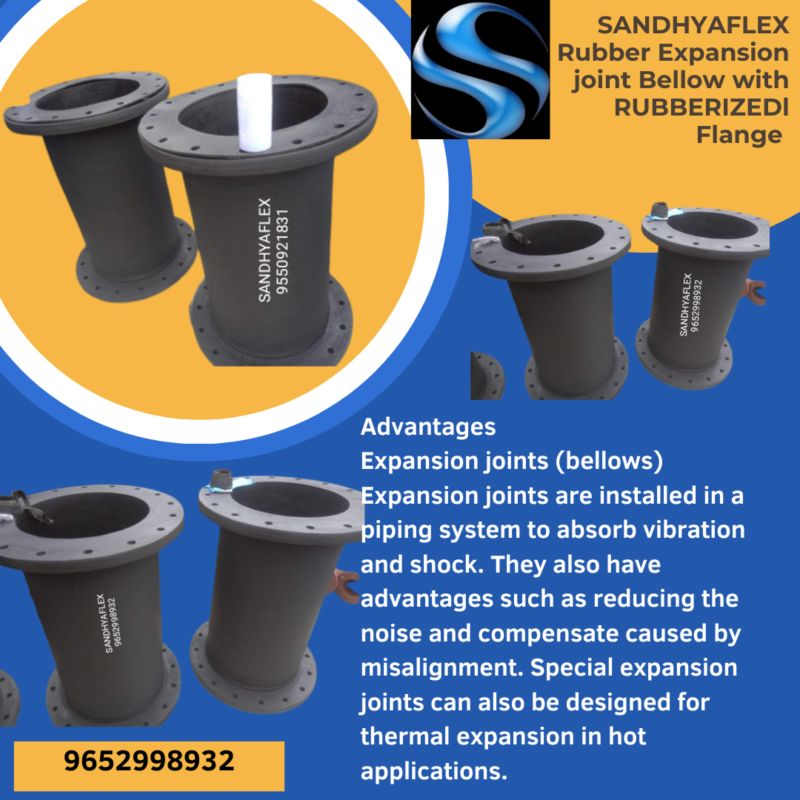
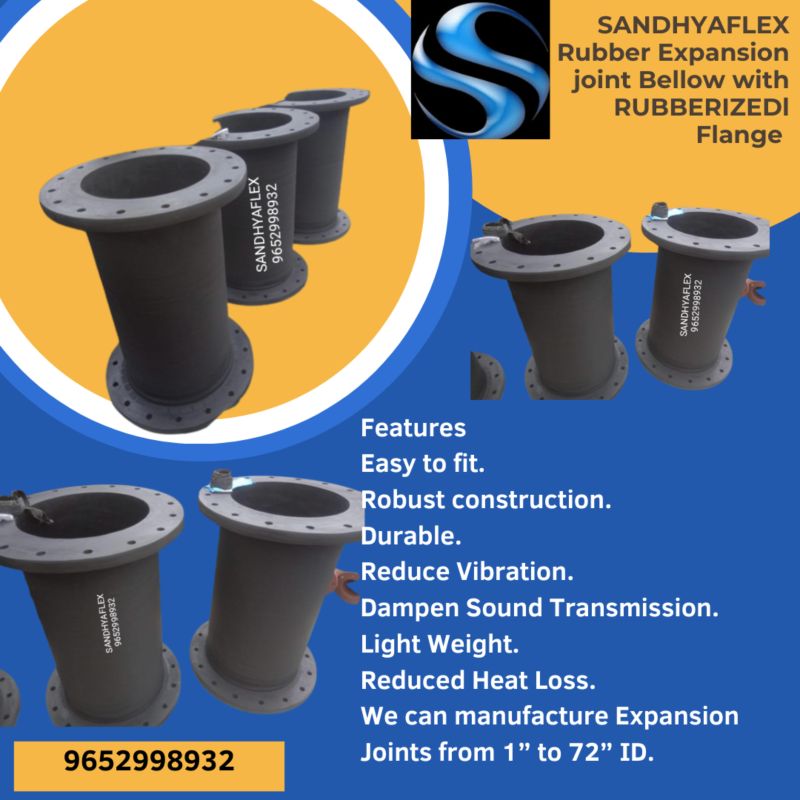
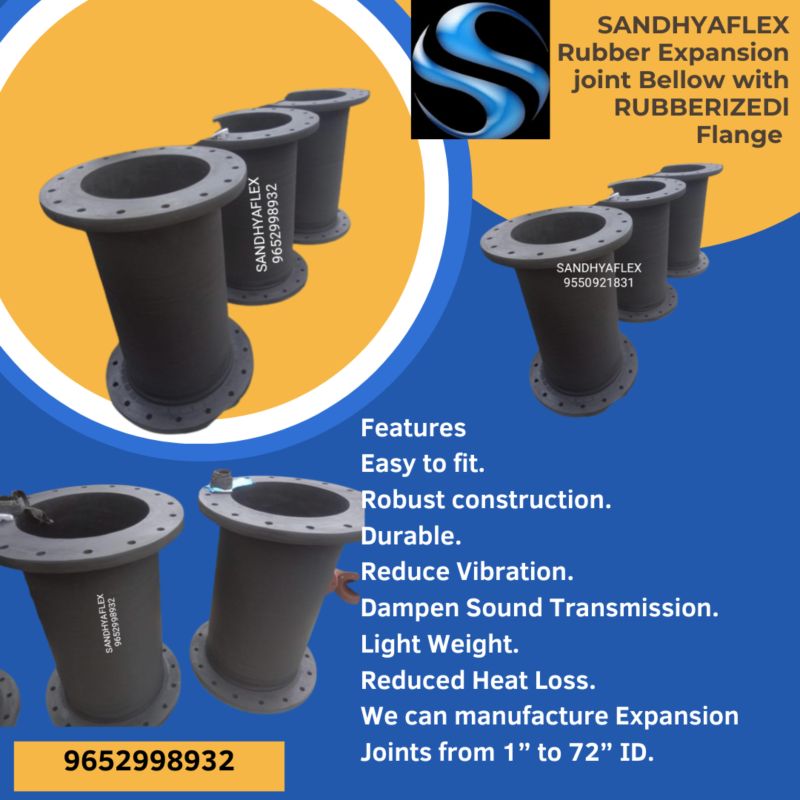
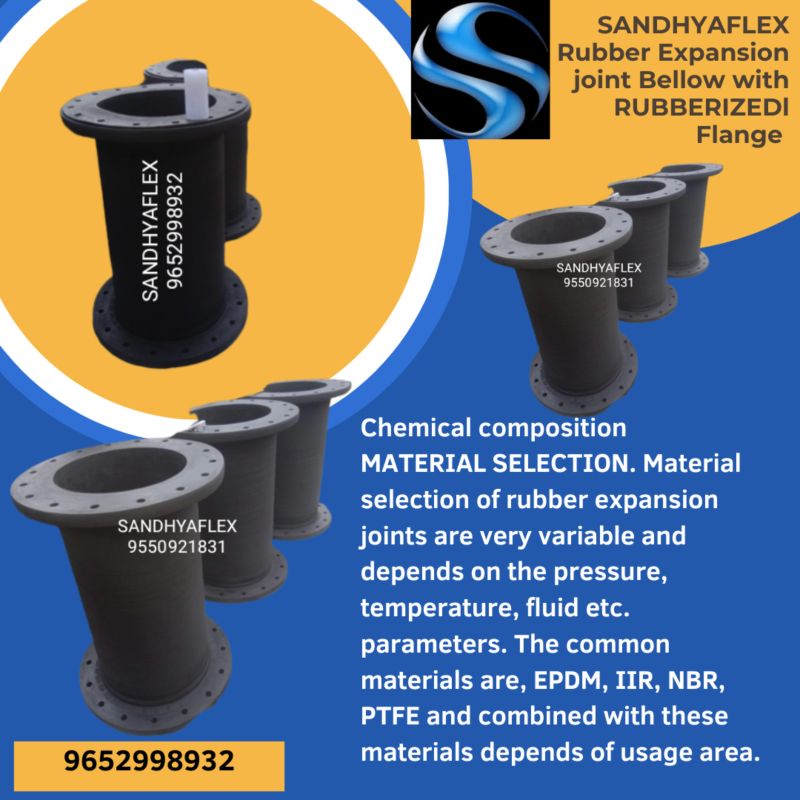
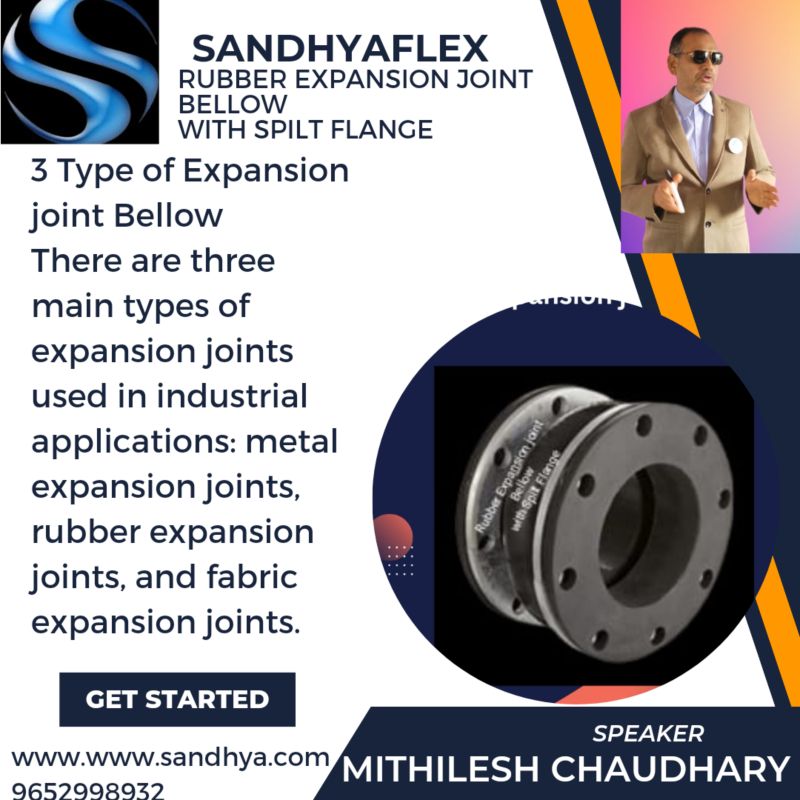
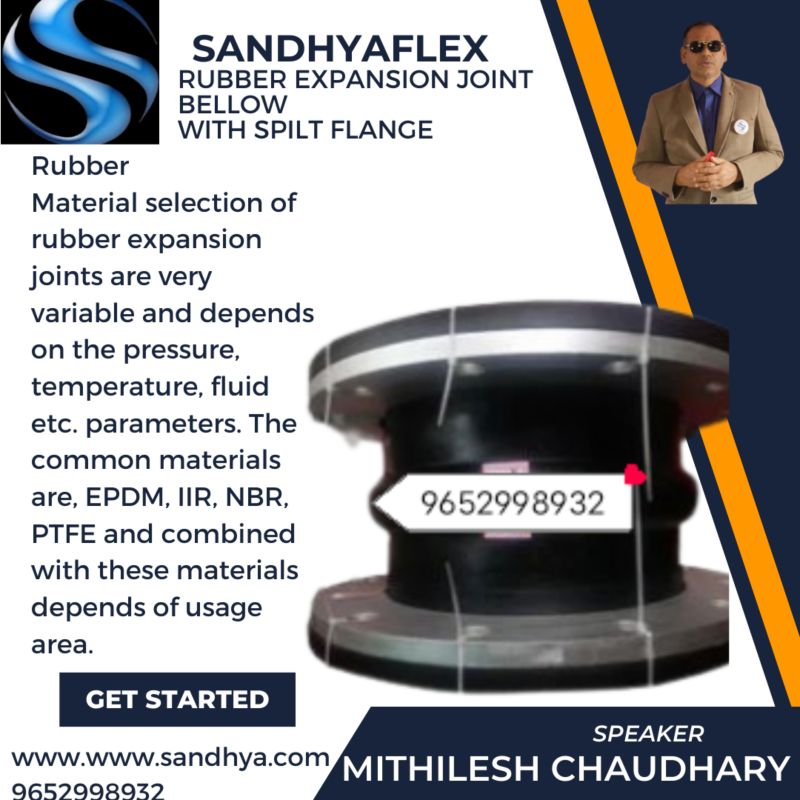
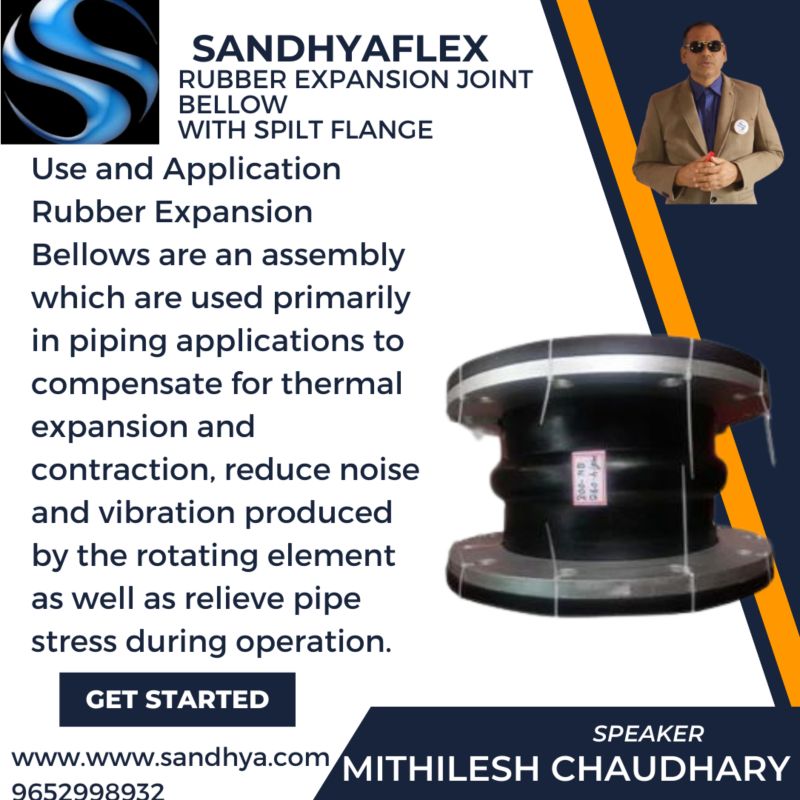
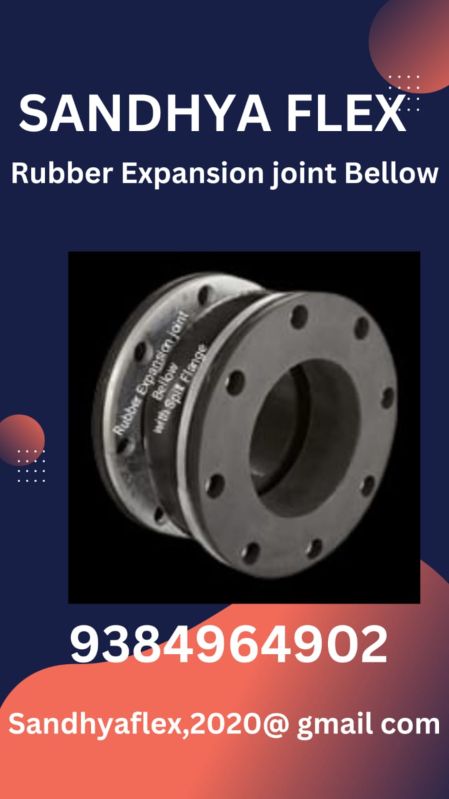
A rubber expansion joint with a rubber flange is a type of flexible connector used in piping systems to absorb movement, vibration, and noise, while also accommodating changes in temperature and pressure. It consists of two main components:
rnrn1. **Rubber Expansion Joint:** The main body of the expansion joint is made of rubber, which is a flexible and elastic material. This rubber component is designed to absorb various types of movement in a piping system, including axial compression and extension, lateral deflection, angular rotation, and even some torsional movement. It helps prevent the transfer of stresses and vibrations from one part of the system to another, thereby reducing the risk of damage to pipes, equipment, or structures.
rnrn2. **Rubber Flange:** The rubber expansion joint typically has flanges on either end, which are used to connect the expansion joint to the piping system. These flanges are also made of rubber and have bolt holes that align with the bolt holes on the piping system\'s flanges. By bolting the rubber flanges to the adjacent flanges on the pipes, you create a secure and sealed connection.
rnrnThe rubber flanges are often reinforced with fabric or metal to provide additional strength and stability. The use of rubber in both the expansion joint and the flanges allows for flexibility and the ability to accommodate movement while maintaining a tight seal, preventing the leakage of fluids and gases from the piping system.
rnrnRubber expansion joints with rubber flanges are commonly used in applications where there is a need for flexibility and vibration isolation, such as in HVAC systems, industrial piping, water treatment plants, and chemical processing plants. They help protect pipes and equipment from the stresses and movements that can occur in these systems, extending the lifespan of the components and reducing maintenance and repair costs.
Additional Information:
Payment Terms : T/T
Packaging Details : Hey! Could you clarify what kind of **packaging details** you're looking for? For example:
- A product's **packaging specs** (materials, dimensions, etc.)?
- **Labeling and design** details?
- **Shipping and handling** info?
- Or maybe **regulatory requirements** (e.g., for food, cosmetics, electronics)?
Let me know the context or product and Ive got you covered!
Delivery Time : depends
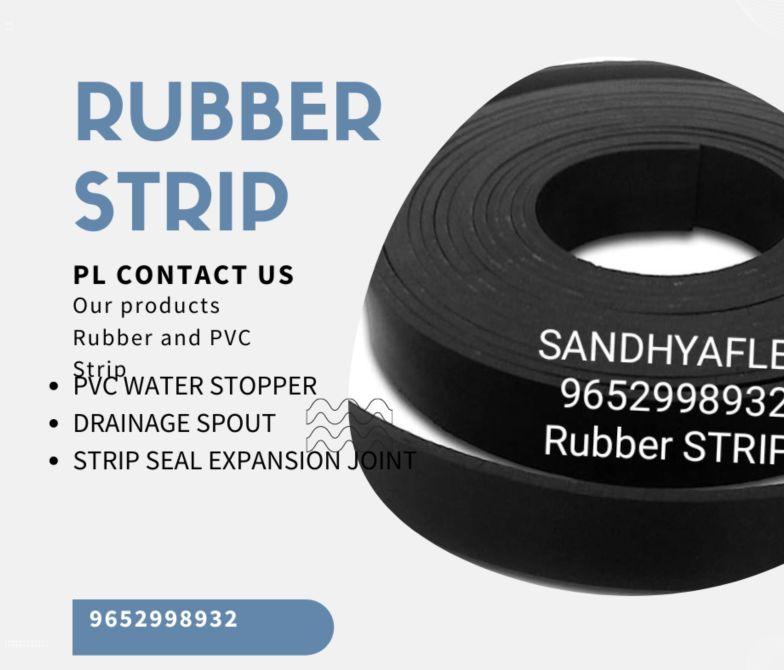
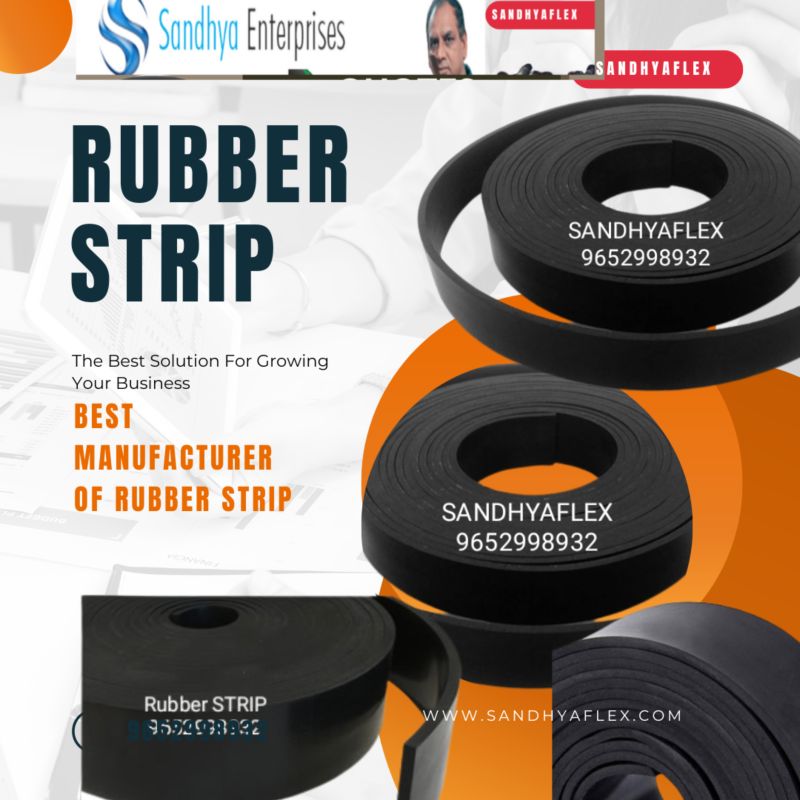
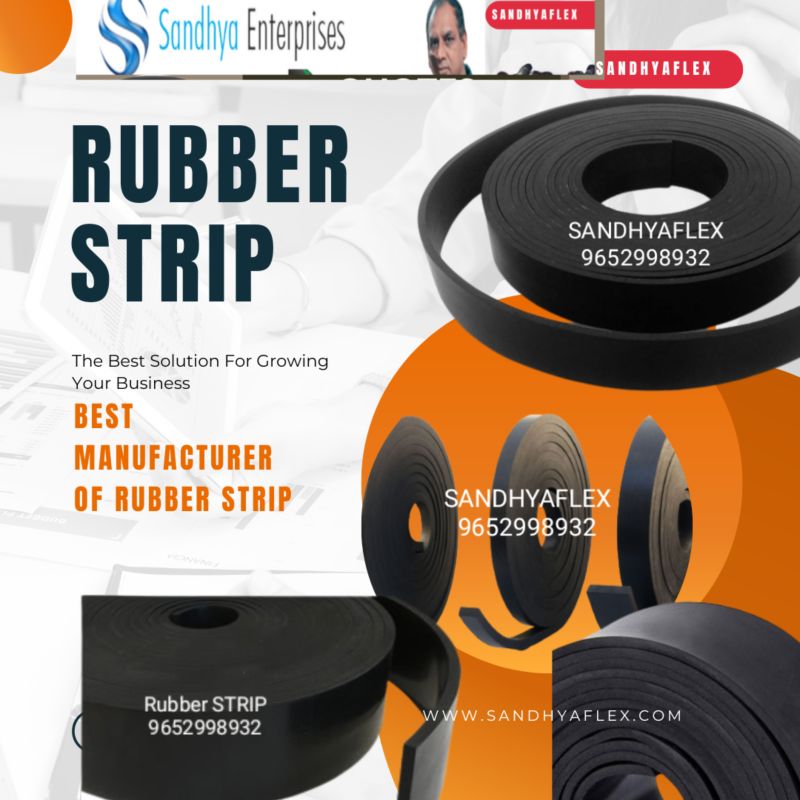
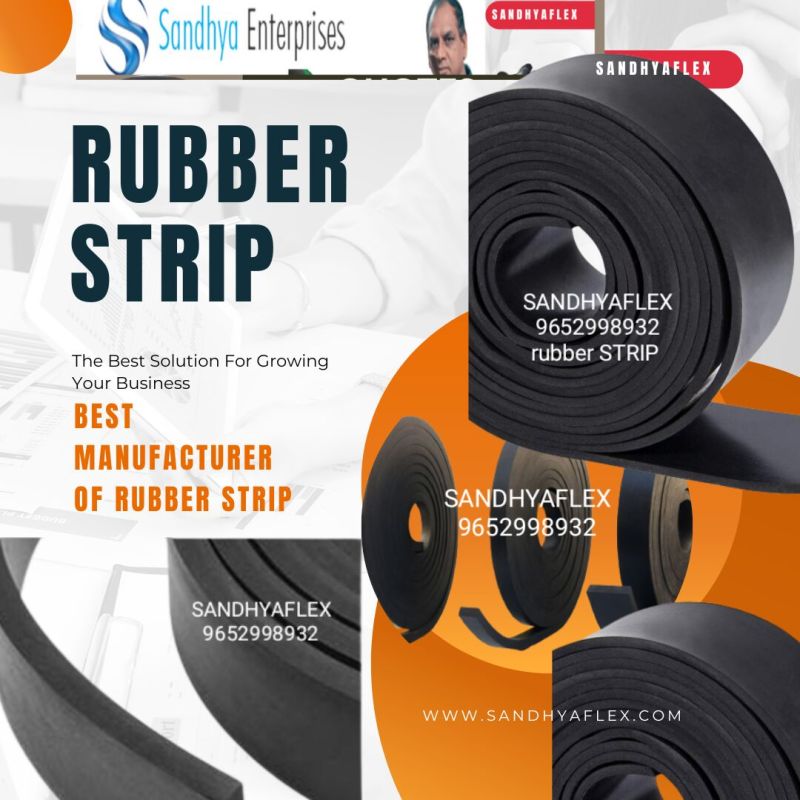
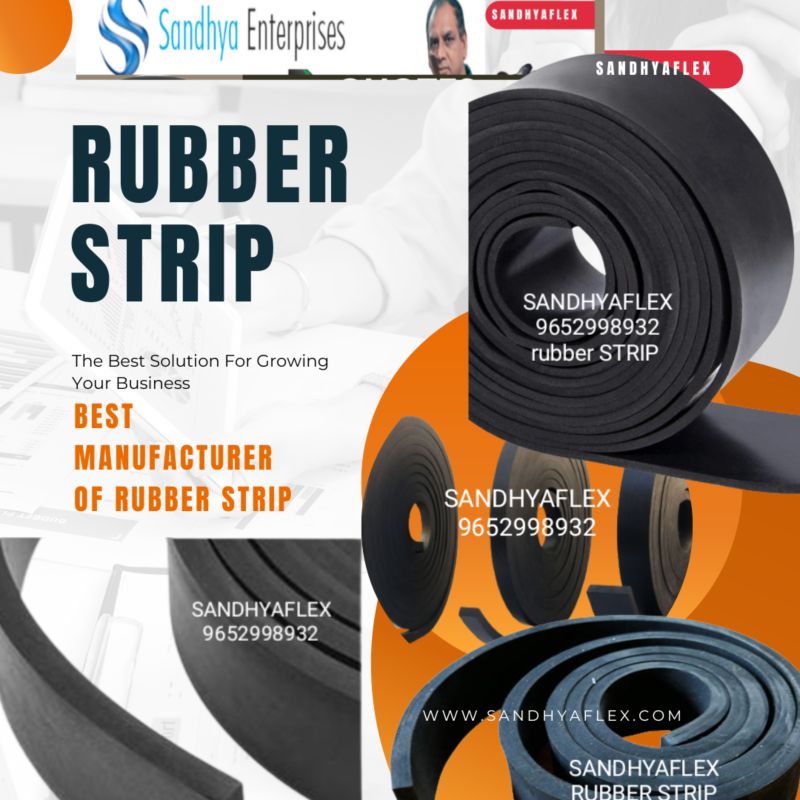
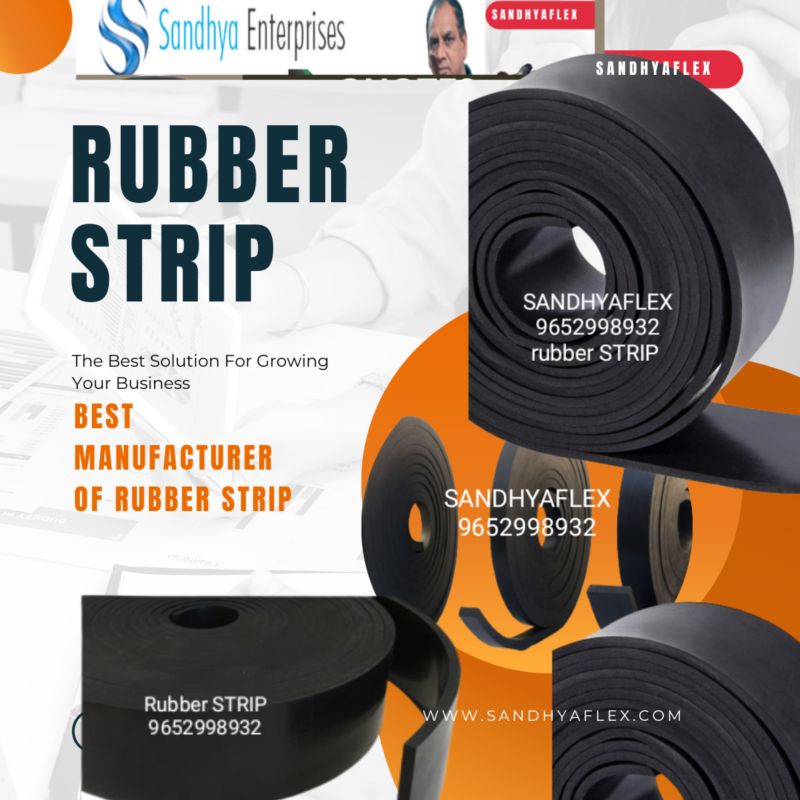
A rubber strip is a flexible piece of material made from rubber or rubber-like compounds. Rubber strips are used in a wide range of applications due to their versatility, resilience, and durability. They come in various shapes, sizes, and formulations to suit specific purposes. Here are some common types and uses of rubber strips:
**Types of Rubber Strips:**
1. **Solid Rubber Strips**: These are continuous strips of solid rubber material with a consistent thickness and width. They are often used for sealing, padding, or cushioning applications.
2. **Sponge Rubber Strips**: Sponge rubber strips are made from a cellular or sponge-like rubber material. They are compressible and are used for sealing applications where flexibility and compression resistance are required.
3. **Extruded Rubber Strips**: These are rubber strips formed by extrusion, a manufacturing process where rubber is forced through a die to create a specific shape. Extruded rubber strips can have various profiles, including rectangular, round, or custom shapes.
**Common Uses of Rubber Strips:**
1. **Sealing**: Rubber strips are frequently used for creating seals to prevent the passage of liquids, gases, dust, or other particles. They are commonly found in doors, windows, automotive applications, and industrial equipment to provide weatherproofing and prevent leaks.
2. **Gaskets**: Rubber strips are used to make gaskets, which are used to create a tight seal between two mating surfaces. Gaskets are common in engines, pipelines, and machinery to prevent leaks.
3. **Soundproofing**: In construction and automotive applications, rubber strips are used for soundproofing. They help dampen vibrations and reduce noise transmission.
4. **Vibration Isolation**: Rubber strips and pads are used to isolate and reduce vibrations in machinery and equipment, providing stability and preventing damage.
5. **Cushioning**: Rubber strips are used for cushioning purposes, such as protecting fragile items during shipping or as anti-slip padding on surfaces.
6. **Weather Stripping**: Rubber strips are used as weather stripping in buildings and vehicles to create a barrier against drafts, moisture, and temperature fluctuations.
7. **Automotive Applications**: Rubber strips are used in various automotive parts, including door seals, window seals, weather stripping, and suspension components.
8. **Industrial Equipment**: Rubber strips are employed in industrial machinery for wear protection, sealing, and shock absorption.
9. **Electrical Insulation**: Rubber strips with specific electrical insulating properties are used in electrical and electronic applications to protect against electrical shock and provide insulation.
10. **Marine and Watercraft**: Rubber strips are used in marine applications to provide waterproofing and sealing for boats and other watercraft.
11. **Medical Devices**: In medical equipment and devices, rubber strips are used for cushioning, sealing, and as components in various healthcare products.
Rubber strips come in a range of durometers (hardness levels), chemical resistances, and temperature tolerances to meet the requirements of different applications. The choice of the right type of rubber strip depends on the specific needs of the application, including factors such as the environment, temperature, and the type of sealing or cushioning required.
Additional Information:
Payment Terms : T/T
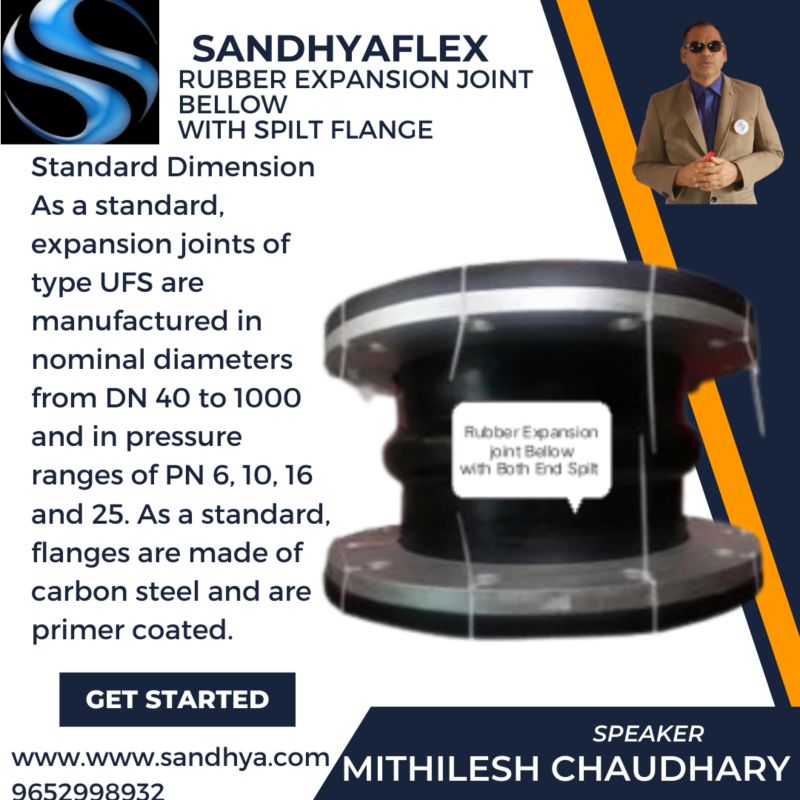
A rubber expansion joint with a spigot flange, often referred to as a spigot-type rubber expansion joint, is a specialized type of flexible connector used in piping systems. This design incorporates a flange at one end of the expansion joint, referred to as the "spigot flange, " which is designed to fit into a mating flange, creating a secure connection. These expansion joints are used to absorb movement, vibrations, and compensate for mis alignments or thermal expansion in pipelines.
Here's how a rubber expansion joint with a spigot flange typically works:
1. **Rubber Material:** The expansion joint is constructed with a flexible, elastomeric material (usually rubber) that can withstand the specific conditions within the piping system, such as temperature, pressure, and the type of fluid or gas being conveyed.
2. **Spigot Flange:** The expansion joint is equipped with a spigot flange at one end. This flange has a raised collar or spigot that extends from the expansion joint's body. The spigot flange is designed to fit snugly into a mating flange on the adjacent piping system.
3. **Mating Flange:** The adjacent piping system has a mating flange with a matching interior diameter to accommodate the spigot flange of the expansion joint. The two flanges are bolted together, ensuring a secure and leak-tight connection.
4. **Flexibility and Movement:** The rubber expansion joint, despite being securely flanged on one end, provides flexibility to the piping system. It can absorb movement due to thermal expansion, contraction, vibration, or misalignment without transmitting excessive stress to the connected pipes.
5. **Installation:** To install the rubber expansion joint with a spigot flange, the spigot end is inserted into the mating flange of the adjacent pipe, and the flanges are bolted together. The other end of the expansion joint is typically unrestrained and allowed to move as needed.
These expansion joints are commonly used in various industries, including chemical processing, power generation, water treatment, and HVAC systems. They are suitable for applications where there is a need for a flexible and sealed connection while allowing for controlled movement and accommodating misalignment or thermal changes in the piping system.
Regular inspection and maintenance of rubber expansion joints with spigot flanges are essential to ensure their continued performance and to prevent leaks or damage that may occur over time due to wear and tear.
Additional Information:
Payment Terms : T/T
 Ms. Sandhya Chaudhary (Sandhya Enterprises)
 5-24-1223/5/1, Ambedkar Nagar, Gajularamaram, Quatubulapur, R. R. Dist, Hyderabad, Telangana - 500055, India
 https://www.sandhyaflex.co.in
 Share us via