 GST : 36GNLPS1299P1ZS
 4.6/5
4.6/5
Our Products
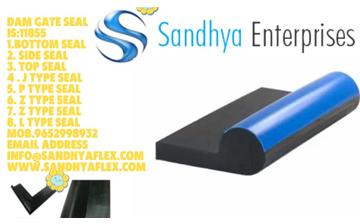
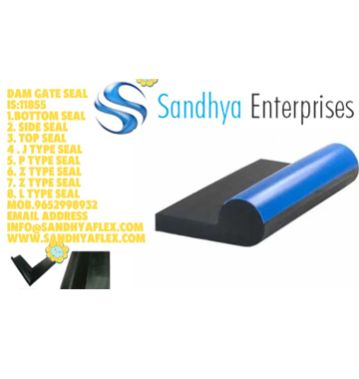
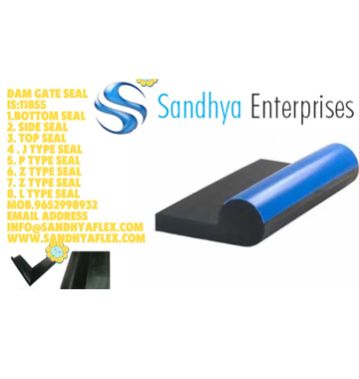
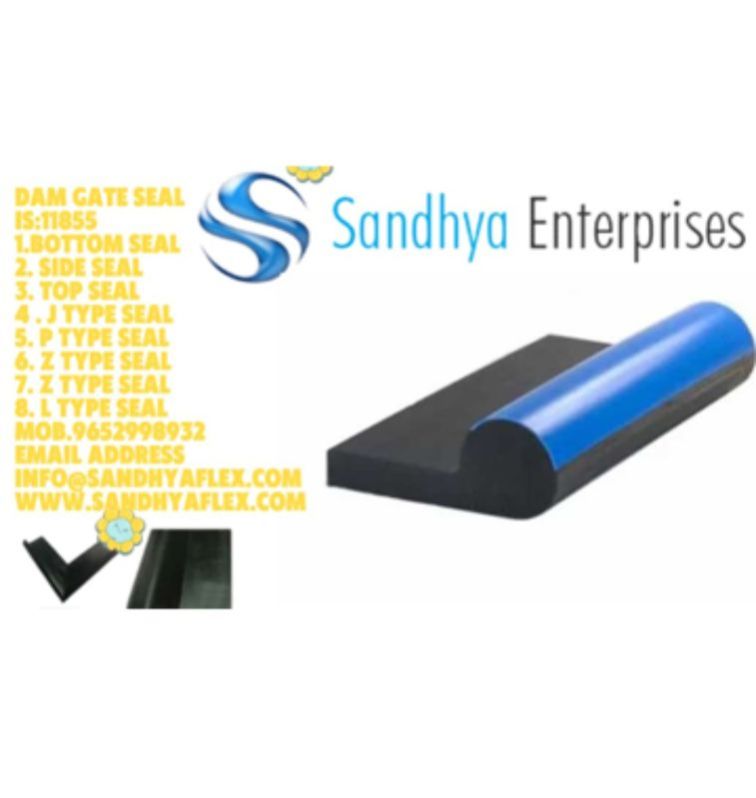
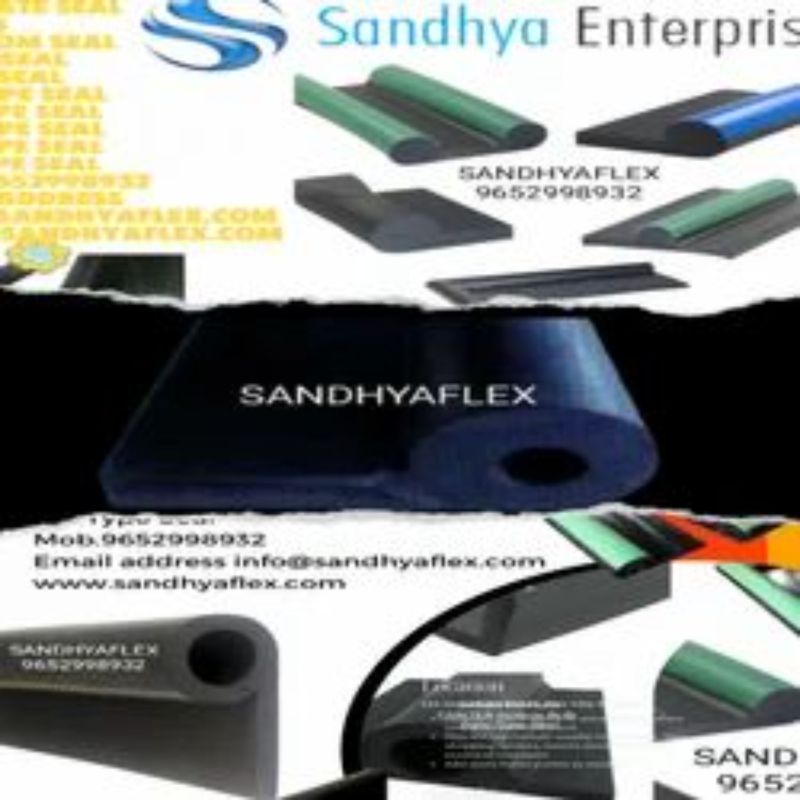
We offer a complete product range of Dam Gate Rubber Seal and Dam Gate Seals
A Dam Gate Rubber Seal is an essential component used in hydraulic structures, such as dams, sluice gates, and water control gates, to prevent water leakage and ensure the proper functioning of the gate. Here are the details about the product: Product: Dam Gate Rubber Seal Product Overview: Product Name: Dam Gate Rubber Seal Material: Typically made of high-quality rubber compounds such as EPDM (Ethylene Propylene Diene Monomer), NBR (Nitrile Butadiene Rubber), or Neoprene, which are specifically chosen for their resilience, durability, and resistance to water, UV exposure, ozone, abrasion, and extreme weather conditions. Design Type: Available in various shapes, such as strip seals, oval profiles, round profiles, or customized shapes depending on the specific gate design and application. Hardness: The hardness of the rubber seals usually ranges from 40 Shore A to 80 Shore A based on the sealing requirements. Applications: Water Control Gates: Used in sluice gates, spillway gates, and lock gates to ensure a tight seal and prevent water leakage. Hydraulic Dams: Installed in the gate sections of hydraulic dams where the seals prevent water seepage when the gates are closed. Flood Protection Systems: Often used in flood barriers and flood control gates to maintain effective water containment. Wastewater Treatment Plants: Used in water treatment facilities where rubber seals are essential to prevent leakage in dam gates and sluice gates. Key Features: Waterproofing: Highly effective at preventing water leakage, even under high pressure. Durability: Designed for long-term performance in harsh environments, resistant to abrasion, ozone, and extreme temperatures. Flexibility: Maintains flexibility at varying temperatures, which is essential for sealing moving components in dam gates. Customization: Can be customized to fit a range of dam gate designs, with the ability to create seals for unique profiles and sizes. Technical Specifications: Dimensions: Customizable based on gate size and sealing requirements. Common dimensions include thickness from 5 mm to 50 mm and width from 30 mm to 200 mm. Temperature Resistance: Often rated to withstand temperatures from -30C to 100C depending on the rubber compound used. Pressure Rating: Designed to withstand high-pressure water exposure and harsh conditions, such as heavy rain, debris, and movement from the gate mechanism. Shore Hardness: Typically ranges from 60 Shore A to 80 Shore A, depending on the sealing requirement. Color: Commonly black or gray, but can be customized as needed. Installation: The Dam Gate Rubber Seals are generally installed in dedicated grooves or recesses on the edges of the gate to form a tight, watertight seal when the gate is closed. Mechanical Fittings or adhesives may be used to secure the rubber seal in place, depending on the gate design and installation method. Compression is essential for the seals to work effectively. The seal is typically compressed when the gate is lowered into place, providing the pressure needed to form the seal. Packaging: Roll Form: Rubber seals are typically packaged in rolls or coils for ease of handling and shipping, particularly for longer seals that span the entire length of a gate. Coil Size: The rubber seal is wound into a coil with typical diameters ranging from 500 mm to 1000 mm. The length of the coil depends on the required size of the gate and seal, often between 10 meters to 50 meters per coil. Custom Lengths: The seal can also be supplied in custom lengths based on specific gate dimensions. Protection: Seals are usually shrink-wrapped or plastic-wrapped to protect them from dust and environmental damage during transport and storage. Boxed Packaging: If the seal is shorter in length or if its part of a smaller order, it can be placed in corrugated cardboard boxes for better protection and easier handling. Shipping Considerations: Palletized Shippi
Additional Information:
Payment Terms : L/C
Delivery Time : 7 to 15 days
 Ms. Sandhya Chaudhary (Sandhya Enterprises)
 5-24-1223/5/1, Ambedkar Nagar, Gajularamaram, Quatubulapur, R. R. Dist, Hyderabad, Telangana - 500055, India
 https://www.sandhyaflex.co.in
 Share us via