Our Products
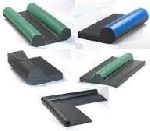
We are leaders in the market for providing best range of Lapeta LDPE Pipe, PVC Suction Pipe and PVC Chamfer
"Lapeta LDPE pipe" appears to be a term that may refer to a specific type of low-density polyethylene (LDPE) pipe used in various applications, particularly in India and other regions. The term "lapeta" might be a local or colloquial term used to describe LDPE pipes in some areas.
Here are some key characteristics and considerations related to LDPE pipes:
1. **Material:** LDPE (Low-Density Polyethylene) is a type of plastic known for its flexibility, durability, and resistance to chemicals. LDPE pipes are commonly used for water distribution, irrigation, and various other fluid transportation applications.
2. **Size and Dimensions:** LDPE pipes come in a range of sizes and dimensions, typically measured in terms of outer diameter (OD) and wall thickness. The size and dimensions depend on the specific application and flow requirements.
3. **Applications:** LDPE pipes are versatile and are used in a wide range of applications, including agricultural irrigation, domestic water supply, underground cable protection, and industrial fluid conveyance.
4. **Flexibility:** LDPE pipes are known for their flexibility, making them suitable for bending and curving around obstacles without the need for joints or fittings in many cases. This flexibility simplifies installation.
5. **Ease of Installation:** LDPE pipes are lightweight and relatively easy to install, which can reduce labor and installation costs.
6. **Chemical Resistance:** LDPE pipes are resistant to many chemicals, which makes them suitable for various fluid transportation purposes.
7. **Durability:** While LDPE pipes are not as strong as high-density polyethylene (HDPE) pipes, they offer sufficient strength and durability for many non-pressurized and low-pressure applications.
8. **Color:** LDPE pipes are often available in various colors, with black being a common choice for outdoor applications to protect against UV degradation.
It's important to note that specific brands or manufacturers may offer LDPE pipes under various names or product lines, including terms like "Lapeta LDPE pipe." When selecting LDPE pipes for a particular application, consider factors such as size, pressure requirements, temperature compatibility, and local standards and regulations. Additionally, consult with a reputable supplier or manufacturer for guidance on the most suitable LDPE pipe product for your specific needs.
Additional Information:
Payment Terms : T/T
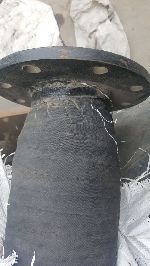
PVC suction hoses are flexible hoses made from polyvinyl chloride (PVC) material that are designed for various industrial and agricultural applications. These hoses are known for their versatility, durability, and resistance to abrasion and chemicals, making them suitable for a wide range of tasks. Here are some key features and uses of PVC suction hoses:
rnrn1. **Material**: PVC suction hoses are typically constructed from PVC compounds, which are reinforced with a spiral of rigid PVC or a helix of embedded steel wire. This reinforcement helps maintain the hose\'s shape and prevent it from collapsing under vacuum or pressure.
rnrn2. **Flexibility**: PVC suction hoses are highly flexible, making them easy to handle and maneuver. This flexibility allows them to bend without kinking, which is important when navigating around obstacles or tight spaces.
rnrn3. **Suction and Discharge**: These hoses are designed for both suction (drawing fluids or materials into the hose) and discharge (expelling fluids or materials from the hose) applications. They can handle a wide range of liquids, including water, chemicals, oil, and slurry.
rnrn4. **Corrosion and Chemical Resistance**: PVC suction hoses are resistant to a variety of chemicals, acids, and alkalis. This makes them suitable for applications where exposure to corrosive substances is a concern.
rnrn5. **Temperature Range**: PVC suction hoses have a temperature range that typically varies between -10C to 60C (14F to 140F). Some specialized PVC hoses may have a wider or narrower temperature range depending on their intended use.
rnrn6. **Sizes and Configurations**: PVC suction hoses come in various sizes and configurations to meet specific requirements. They are available in different diameters and lengths, as well as with different types of couplings and fittings for easy connection to equipment.
rnrnCommon applications for PVC suction hoses include:
rnrn- **Agriculture**: These hoses are used for irrigation, water transfer, and pumping in agricultural settings.
rnrn- **Construction**: PVC suction hoses are employed in construction sites for dewatering, draining excavations, and conveying materials.
rnrn- **Mining**: They are used in mining operations for the transfer of water, slurry, and chemicals.
rnrn- **Industrial**: Industrial processes often require the use of PVC suction hoses for various fluid handling tasks.
rnrn- **Aquaculture**: In aquaculture farms, these hoses can be used for water circulation, fish tank cleaning, and transferring fish and water.
rnrn- **Marine**: In boating and marine applications, PVC suction hoses can be used for bilge pumping and other fluid transfer tasks.
rnrn- **Municipalities**: Municipalities use PVC suction hoses for tasks such as sewage pumping, stormwater management, and emergency water supply.
rnrnIt\'s important to choose the right PVC suction hose based on the specific requirements of your application, including the type of fluids or materials being handled, the temperature range, and the operating pressure. Regular maintenance and proper storage are also essential to ensure the longevity and performance of PVC suction hoses.
Additional Information:
Payment Terms : T/T, Western Union
Packaging Details : Hey! Could you clarify what kind of *packaging details* you're looking for? For example:
- A product's packaging specifications (materials, dimensions, etc.)
- Packaging design ideas or templates
- Labeling/legal requirements
- Packaging for shipping (e.g., Amazon FBA, fragile items)
- Eco-friendly packaging solutions
Let me know what you need so I can tailor the info!
Delivery Time : depends
PVC chamfer refers to a specific type of PVC (Polyvinyl Chloride) product that is used in construction and building projects. A chamfer is a beveled or angled edge that is typically added to a material, such as PVC, to make it easier to handle, install, or create a finished look.
In the case of PVC chamfer, it is a strip or profile made of PVC with one or more angled edges. These chamfers are commonly used in the construction industry for various purposes, including:
1. Formwork: PVC chamfers are often used in concrete formwork to create chamfered edges on the concrete structures. These chamfers help prevent sharp corners and make the formwork removal process easier.
2. Tile installation: PVC chamfers can be used as edge trims or transitions during tile installation. They provide a neat and finished look to the tile edges and also protect them from chipping or damage.
3. Wall and ceiling finishes: PVC chamfers are sometimes used as decorative or functional elements in wall and ceiling finishes. They can create clean lines and smooth transitions between different surfaces, enhancing the overall appearance of the space.
4. Corner protection: PVC chamfers can be applied to protect the edges of walls, columns, or other structures from accidental damage. They provide a buffer zone and help prevent cracks or chips on vulnerable corners.
PVC chamfers come in various sizes, shapes, and colors to suit different construction requirements. They are lightweight, durable, and easy to install, making them a popular choice in many building projects.
Please note that while PVC chamfers are commonly used, there may be other types of chamfers or alternative materials available depending on specific construction needs and preferences.
Additional Information:
Payment Terms : L/C
Packaging Details : PVC chamfer refers to a specific type of PVC (Polyvinyl Chloride) product that is used in construction and building projects. A chamfer is a beveled or angled edge that is typically added to a material, such as PVC, to make it easier to handle, install, or create a finished look.
In the case of PVC chamfer, it is a strip or profile made of PVC with one or more angled edges. These chamfers are commonly used in the construction industry for various purposes, including:
1. Formwork: PVC chamfers are often used in concrete formwork to create chamfered edges on the concrete structures. These chamfers help prevent sharp corners and make the formwork removal process easier.
2. Tile installation: PVC chamfers can be used as edge trims or transitions during tile installation. They provide a neat and finished look to the tile edges and also protect them from chipping or damage.
3. Wall and ceiling finishes: PVC chamfers are sometimes used as decorative or functional elements in wall and ceiling finishes. They can create clean lines and smooth transitions between different surfaces, enhancing the overall appearance of the space.
4. Corner protection: PVC chamfers can be applied to protect the edges of walls, columns, or other structures from accidental damage. They provide a buffer zone and help prevent cracks or chips on vulnerable corners.
PVC chamfers come in various sizes, shapes, and colors to suit different construction requirements. They are lightweight, durable, and easy to install, making them a popular choice in many building projects.
Please note that while PVC chamfers are commonly used, there may be other types of chamfers or alternative materials available depending on specific construction needs and preferences.