 GST : 36GNLPS1299P1ZS
 4.5/5
4.5/5
Our Products
Our product range contains a wide range of Chlorinated Paraffin Wax
**Chlorinated Paraffin Wax (CPW)** is a versatile chemical product used in various industrial applications. It is produced by chlorinating paraffin wax (long-chain hydrocarbons derived from petroleum), resulting in different grades of CPW with varying levels of chlorination (typically between 30% to 70%). Its characteristics, such as flame retardancy, plasticizing effect, and chemical stability, make it useful in several industries.
### Key Properties:
- **Flame Retardant**: Due to its high chlorine content, CPW acts as a flame retardant in plastics, rubbers, and other materials.
- **Plasticizer**: CPW functions as a secondary plasticizer, mainly for flexible PVC, enhancing flexibility and reducing brittleness.
- **Water and Chemical Resistance**: It is resistant to water, oils, acids, and alkalis, making it useful in applications requiring chemical stability.
- **Low Volatility**: It has low vapor pressure and remains stable over a wide temperature range, contributing to its durability.
### Types of CPW:
- **CPW 42%**: Typically used in rubber and leather industries.
- **CPW 52%**: Most commonly used grade, used as a plasticizer and flame retardant in PVC and other polymers.
- **CPW 70%**: Higher chlorine content, primarily used for flame retardant applications.
### Applications:
1. **PVC Industry**:
- Used as a **secondary plasticizer** in flexible PVC products such as cables, wires, and flooring. It improves flexibility and lowers production costs by reducing the amount of primary plasticizer needed (e.g., phthalates).
2. **Flame Retardants**:
- CPW is added to polymers, rubbers, and paints to improve flame resistance, commonly in wire and cable insulation, rubber belts, and conveyor belts.
3. **Metalworking Fluids**:
- CPW is used in the formulation of **cutting oils and lubricants** for metalworking, where it serves as an extreme pressure additive, providing lubrication and cooling under high-pressure conditions.
4. **Paints and Coatings**:
- CPW is used in industrial coatings to improve resistance to corrosion, water, and chemicals, and enhance fire retardancy.
5. **Rubber and Sealants**:
- Added to rubber compounds (e.g., in conveyor belts, rubber sheets) to improve flame retardancy and flexibility.
- Used in adhesives and sealants for weather resistance and durability.
6. **Leather and Textile**:
- In the leather industry, CPW can be used as a fat-liquoring agent, adding flexibility to treated leather. It also serves as a coating agent in textiles to impart flame-retardant properties.
### Advantages:
- **Cost-Effective**: CPW is often used to lower production costs by reducing the need for more expensive plasticizers or flame retardants.
- **Chemical Stability**: CPW is chemically inert and provides resistance to degradation from water, oils, and chemicals.
- **Versatility**: It can be easily blended with other additives for tailored applications.
### Environmental and Health Considerations:
- **Toxicity**: CPW can be harmful to the environment, especially aquatic life, due to its persistence and bioaccumulative properties. The production and use of CPW are regulated in many countries, and certain high-chlorine-content grades (above 70%) may face restrictions.
- **Regulations**: Some countries have restricted or regulated the use of chlorinated paraffins due to their environmental impact, and they may require proper handling and disposal.
In summary, **Chlorinated Paraffin Wax (CPW)** is widely used in industries like PVC manufacturing, flame retardancy, lubricants, coatings, and rubber production. It is valued for its cost-efficiency, flame-retardant properties, and chemical stability but requires careful consideration regarding environmental and health impacts.
Additional Information:
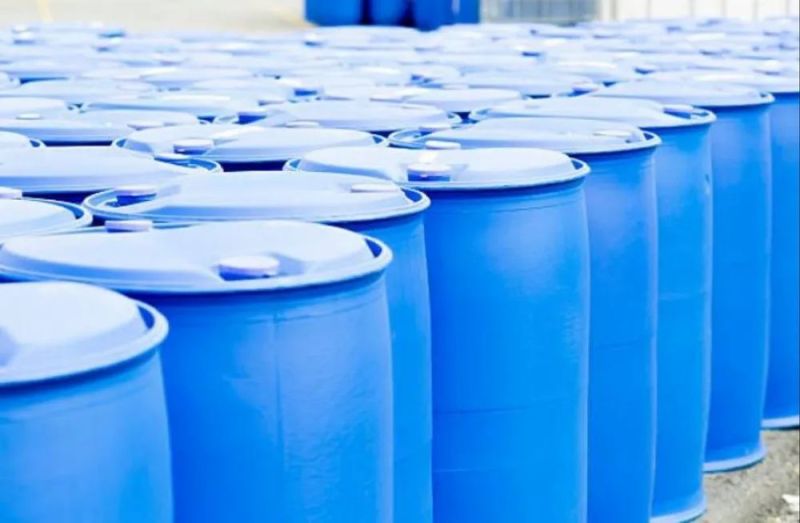
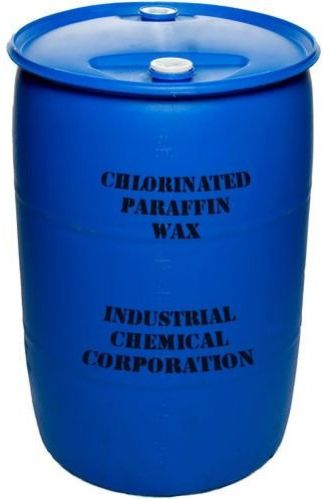
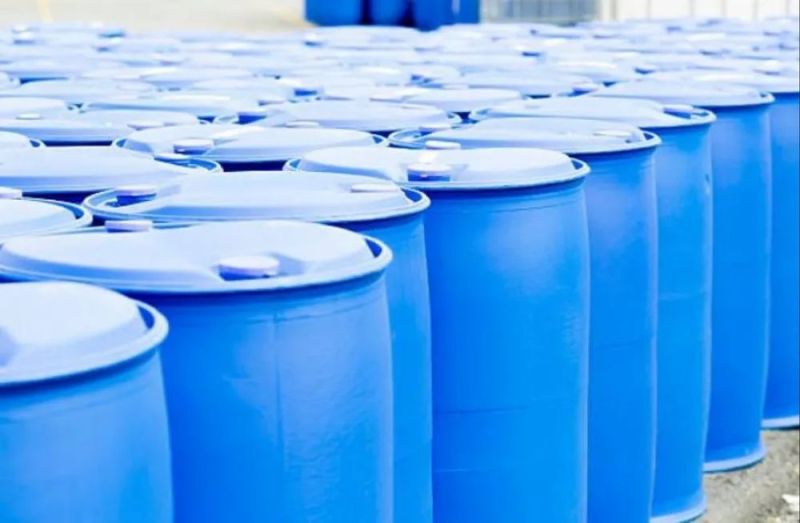
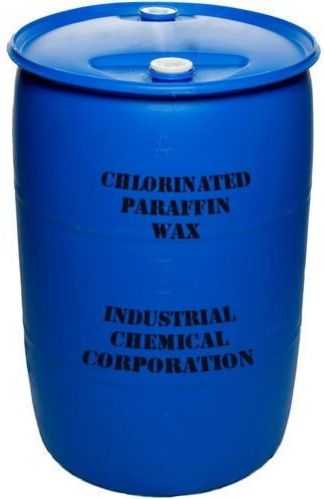
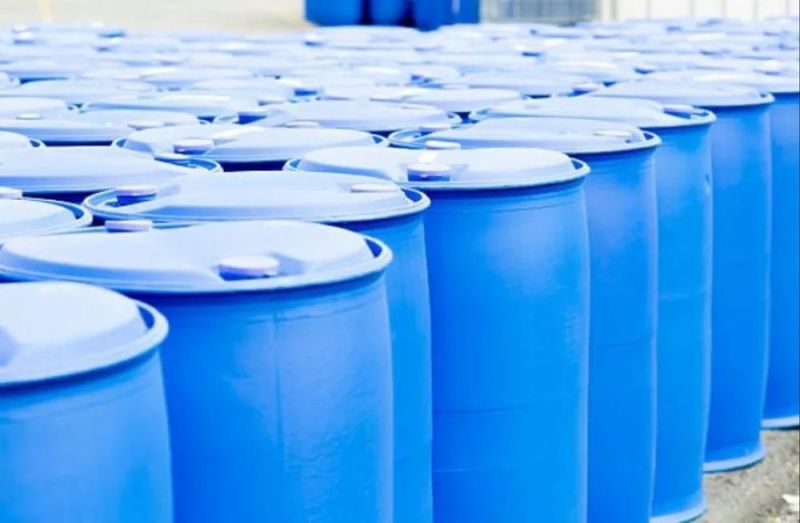
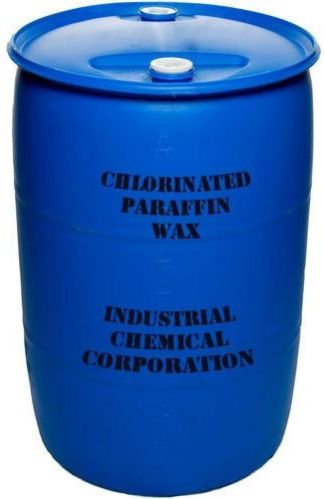
Packaging Details : 250 Kg/drum
 Ms. Sandhya Chaudhary (Sandhya Enterprises)
 5-24-1223/5/1, Ambedkar Nagar, Gajularamaram, Quatubulapur, R. R. Dist, Hyderabad, Telangana - 500055, India
 https://www.sandhyaflex.co.in
 Share us via