 GST : 36GNLPS1299P1ZS
 4.5/5
4.5/5
Our Products
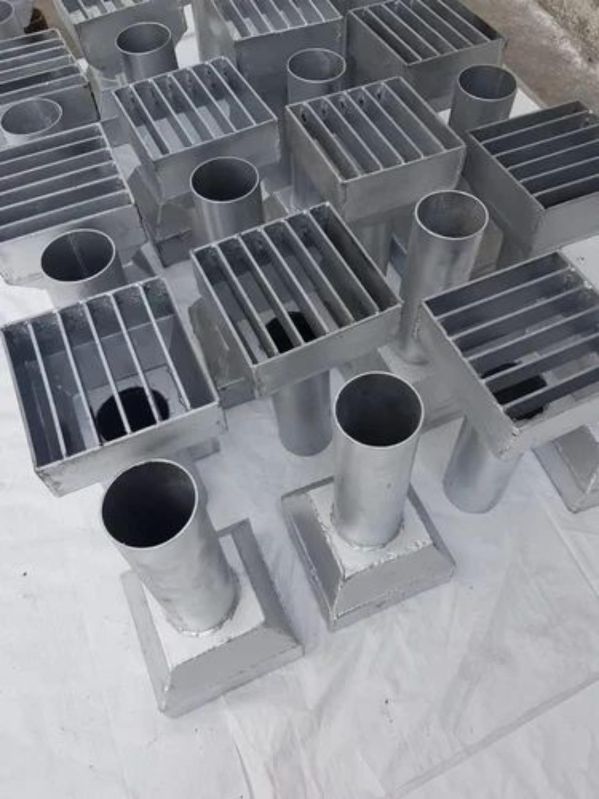
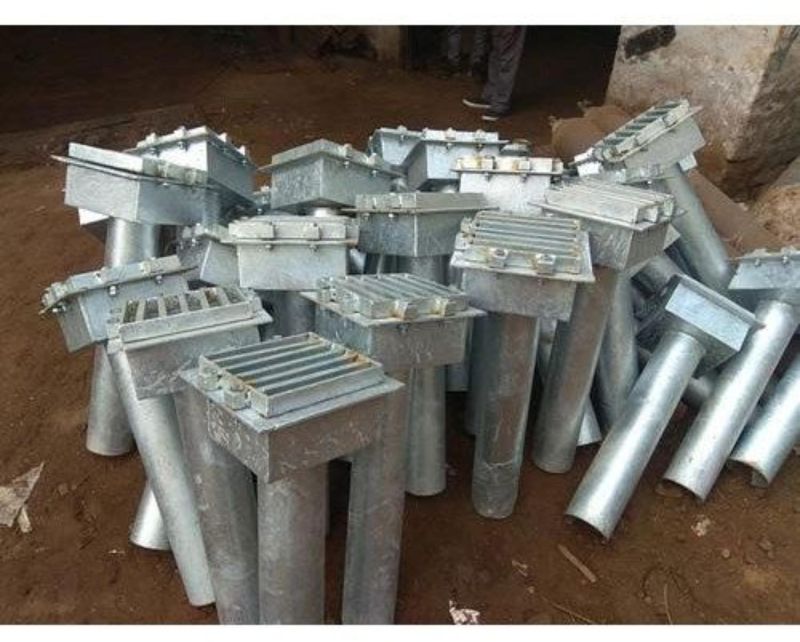
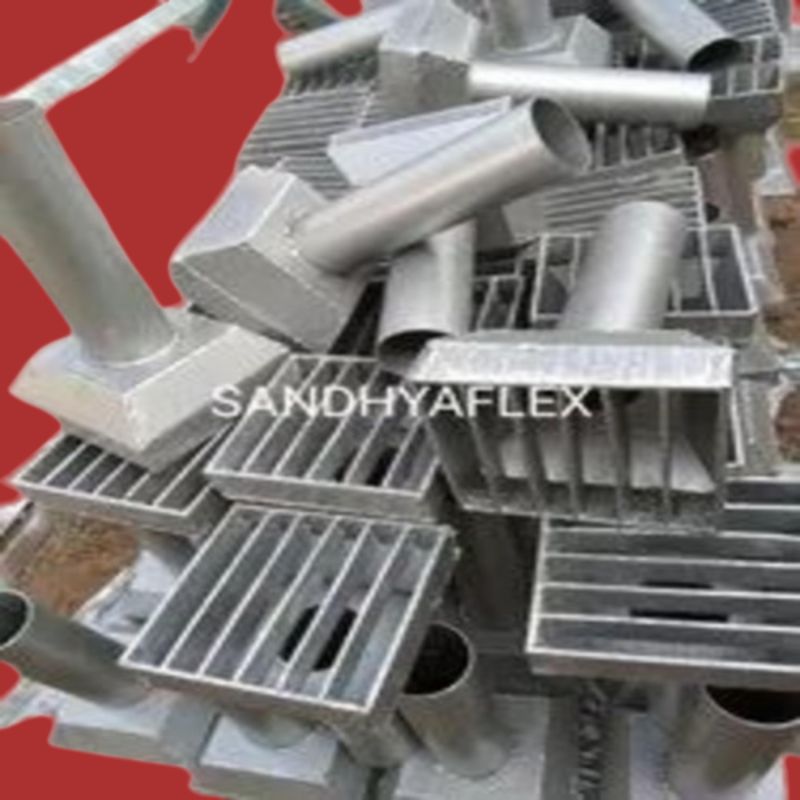
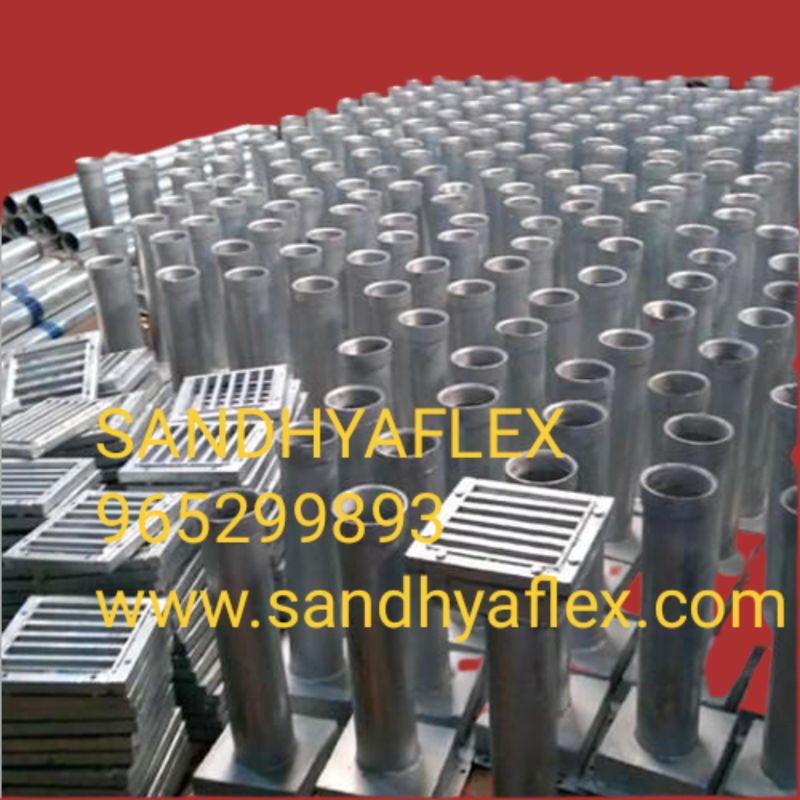
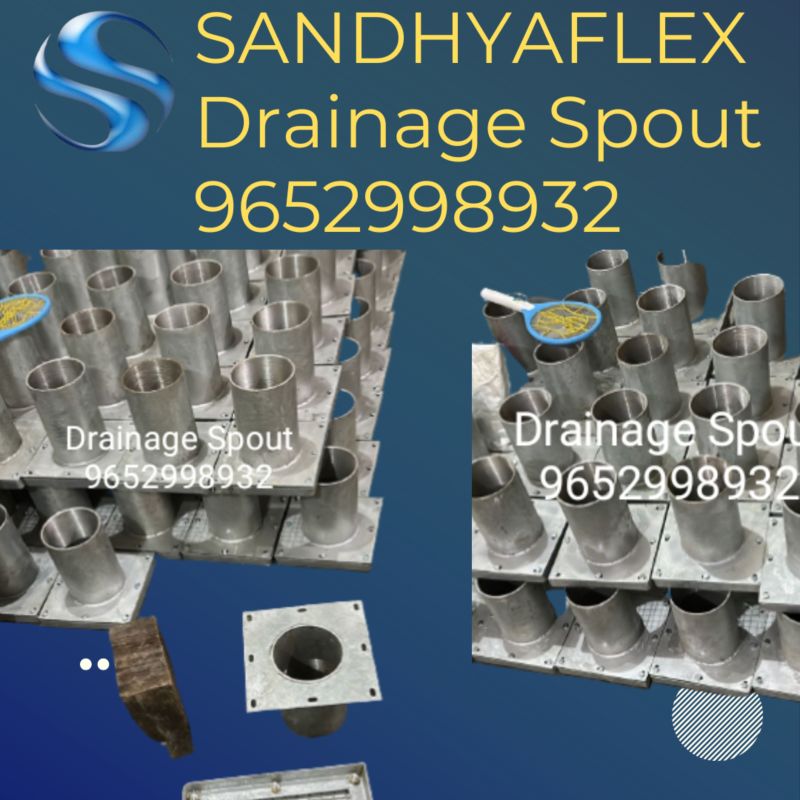
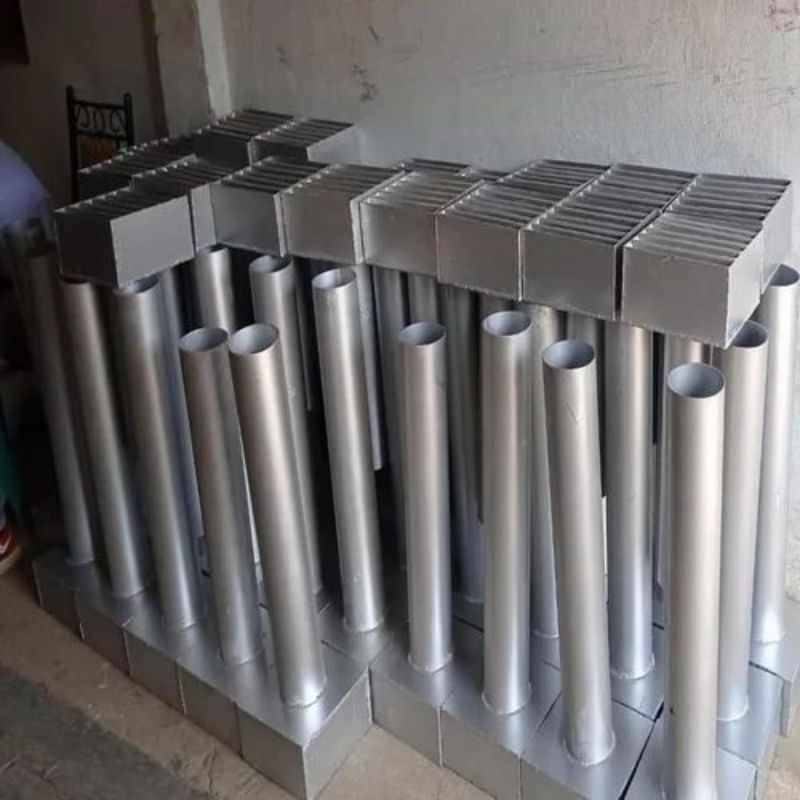
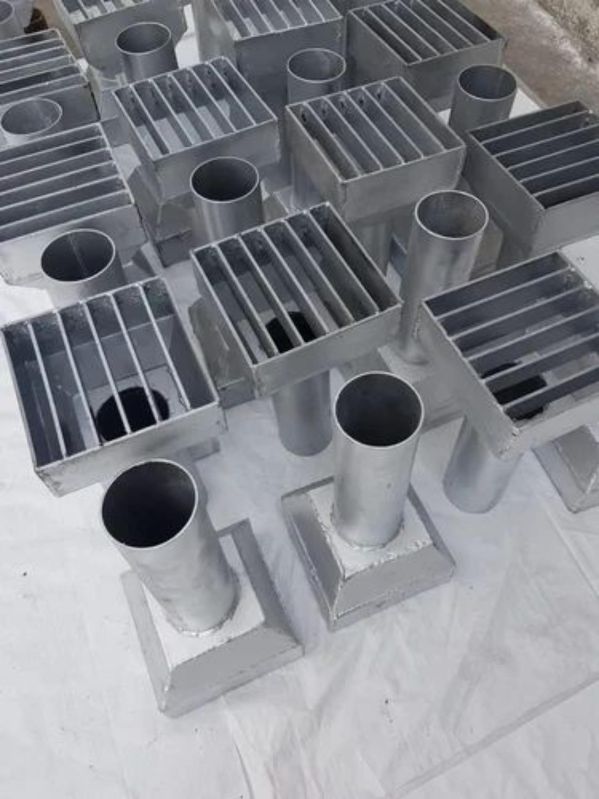
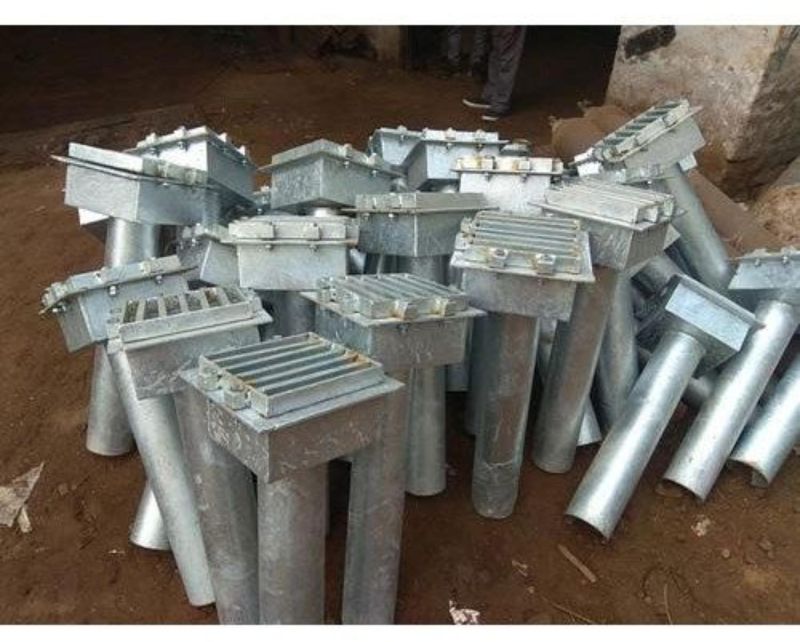
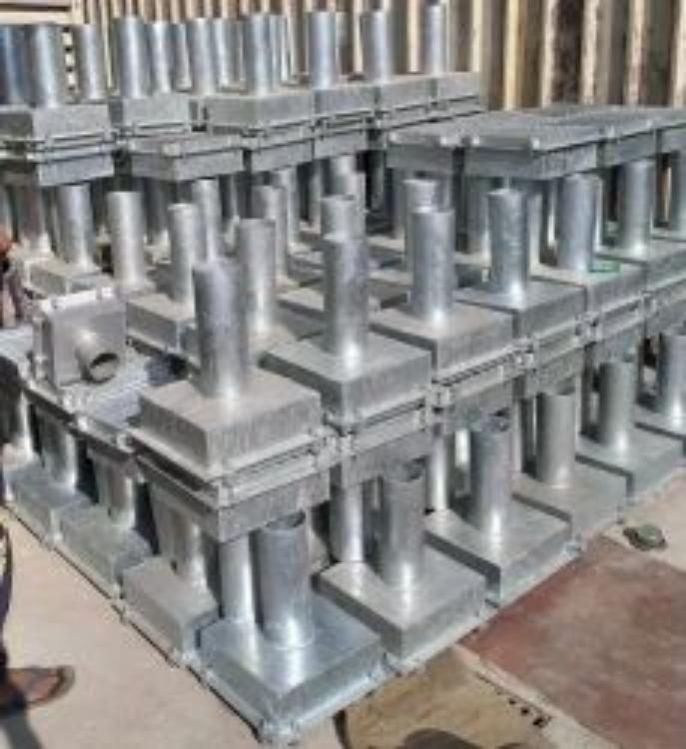
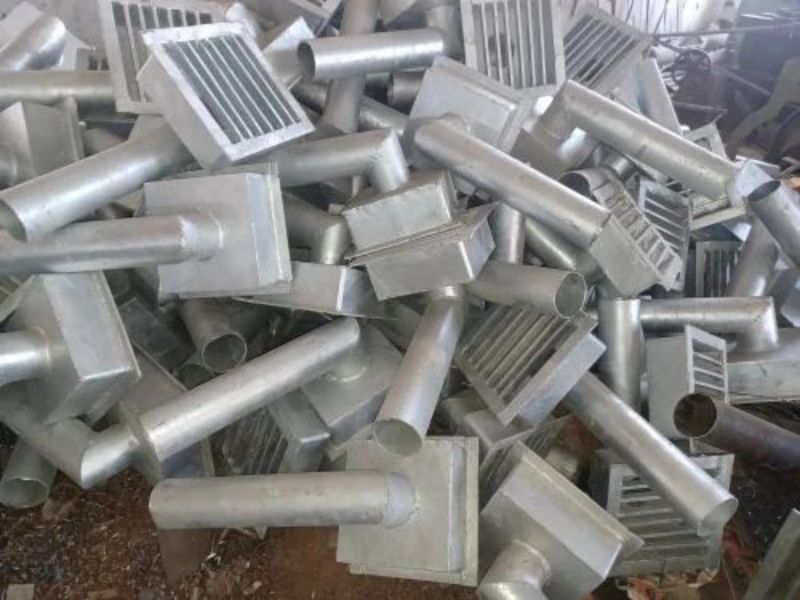
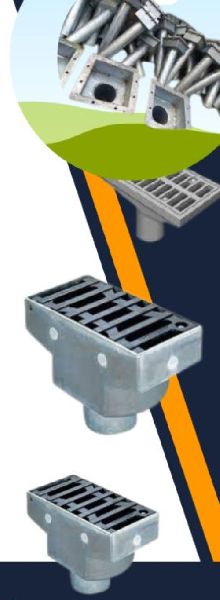
Leading Manufacturer, Supplier & Retailer of Drainage Spout, Galvanized Drainage Spout, Drainage Spout Bridge, Rain Water Collection Drainage Spout and Deep Gulvnized Drainage Spout.
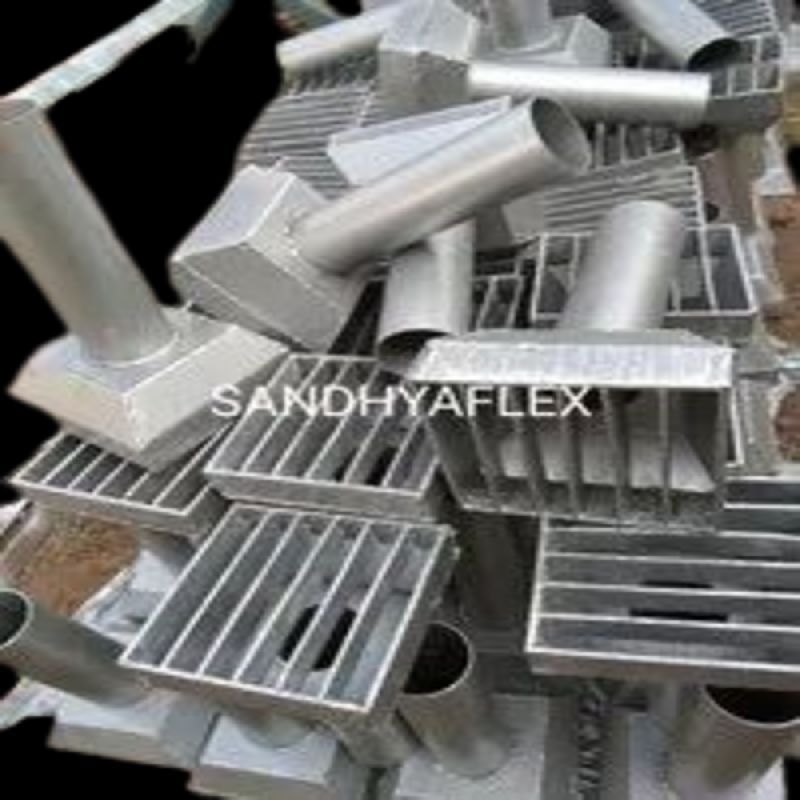
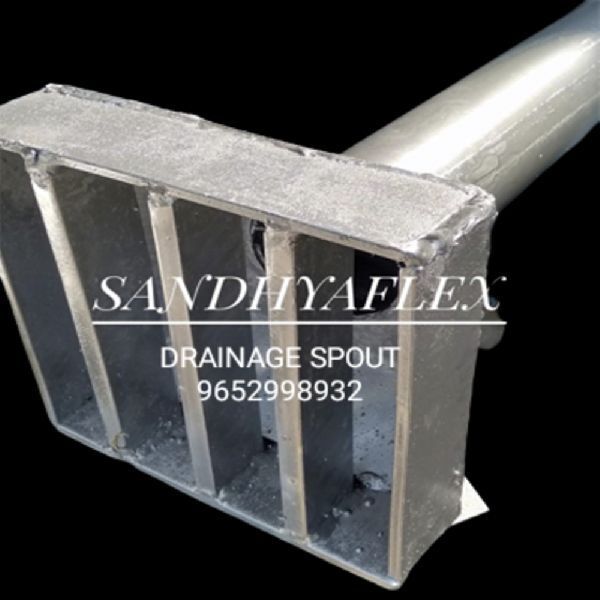
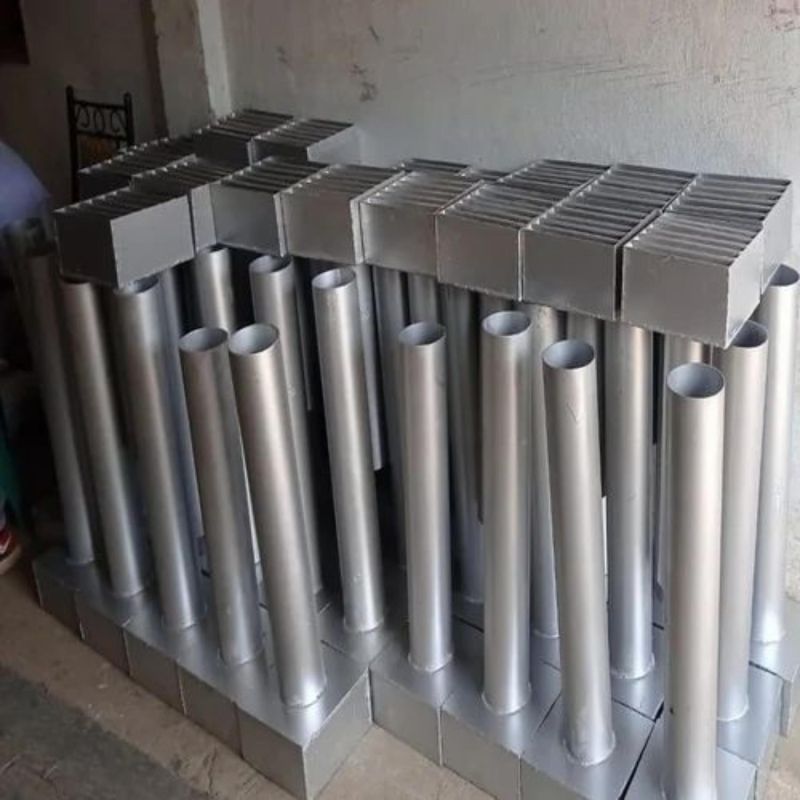
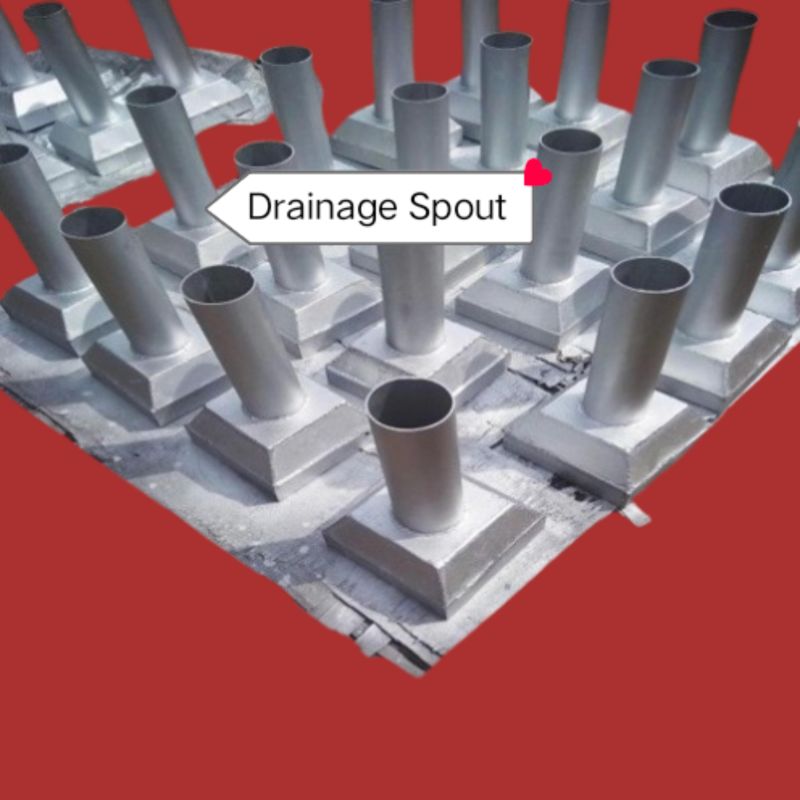
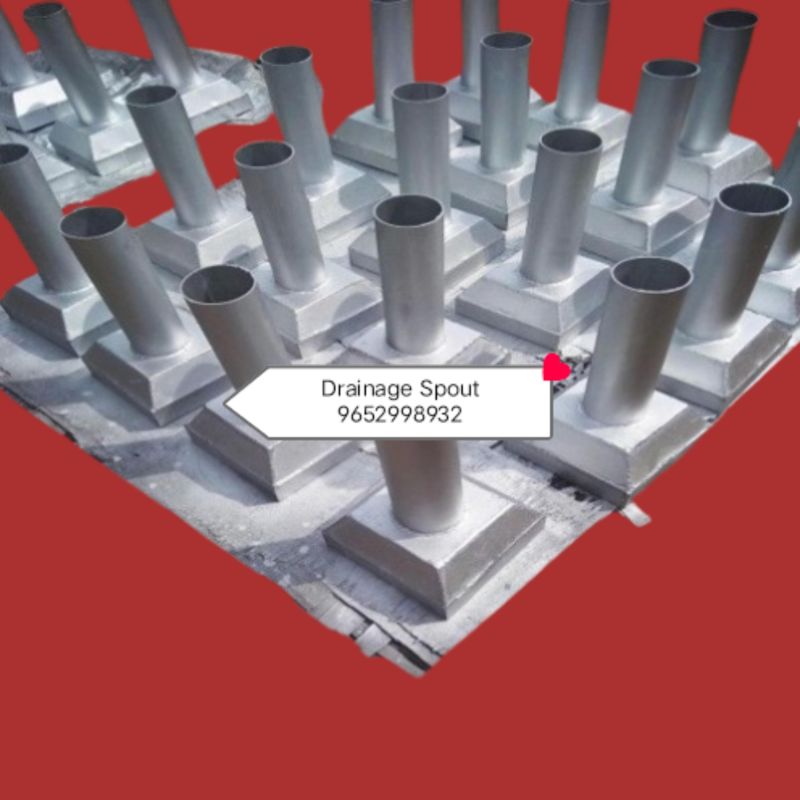
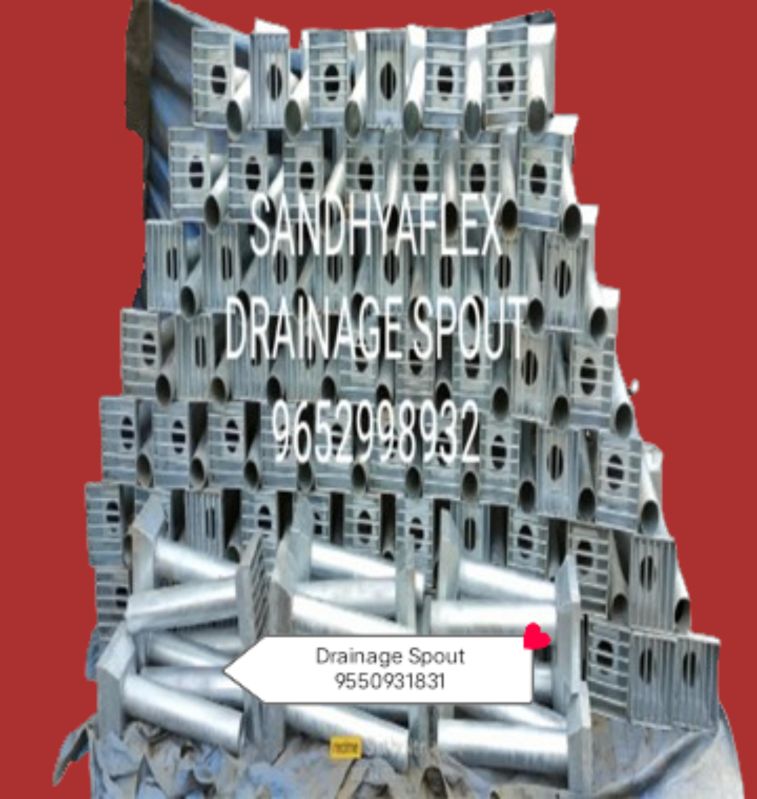
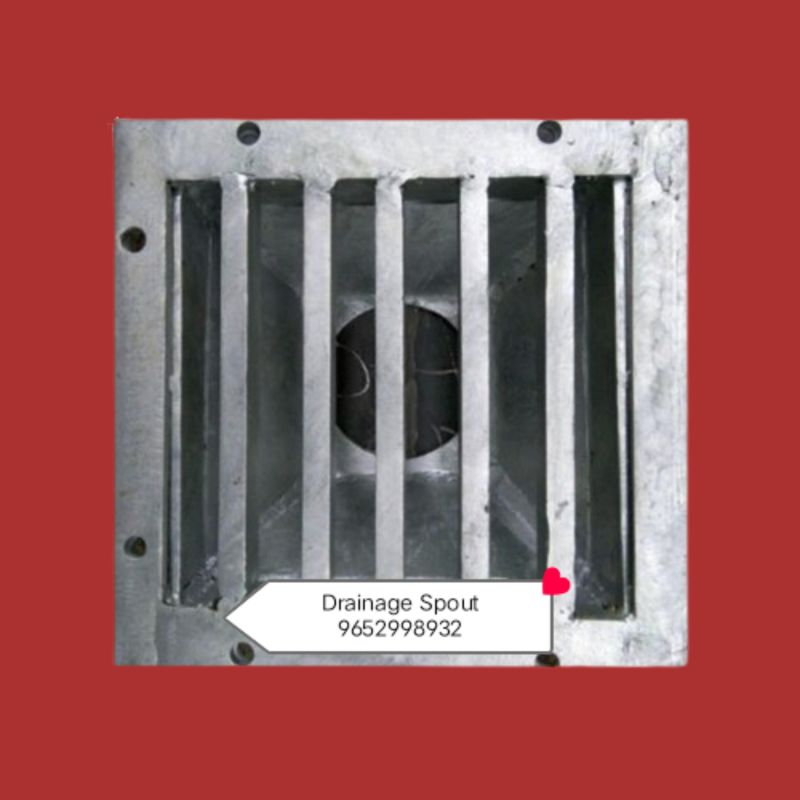
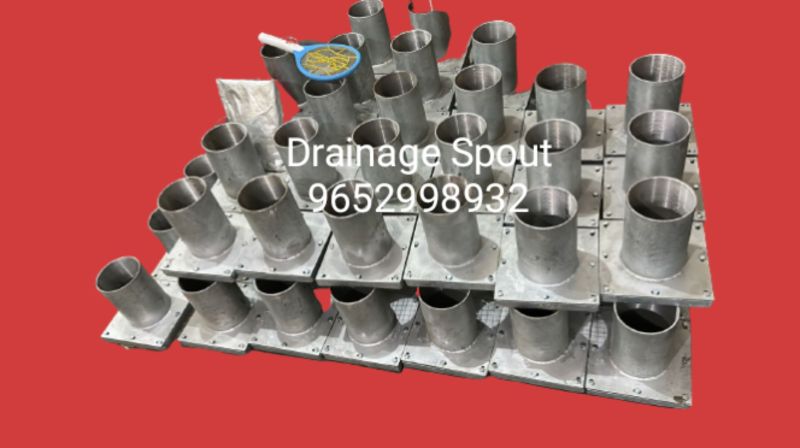
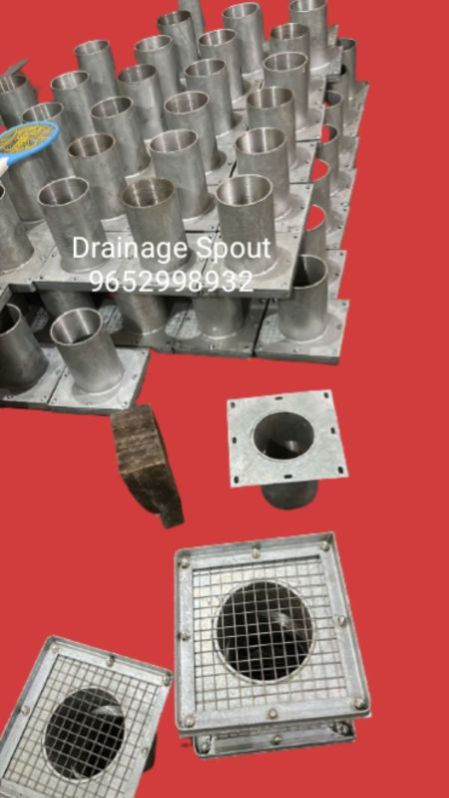
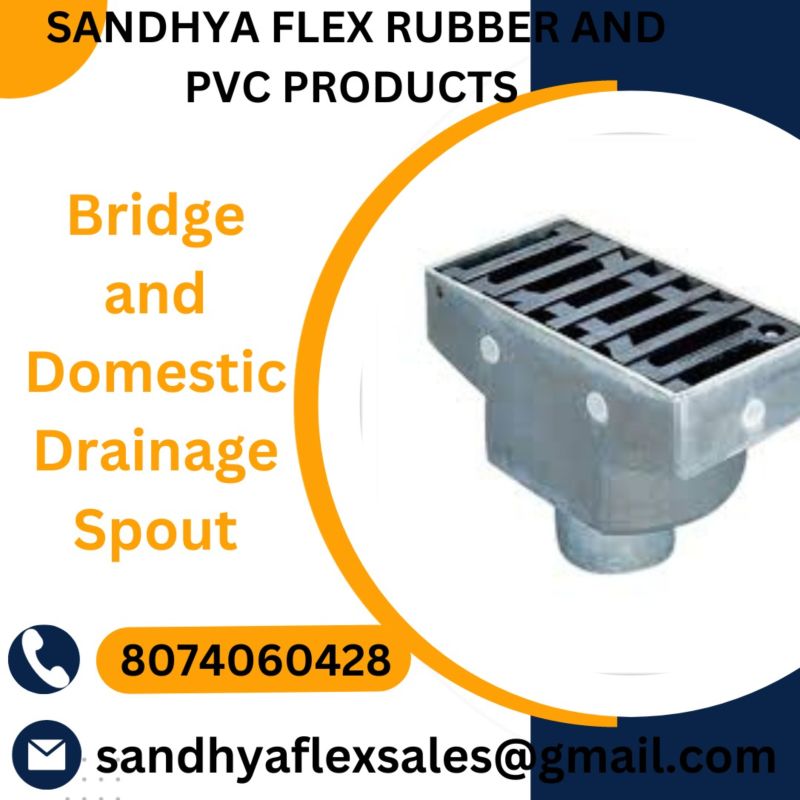
The Sandhyaflex Drainage Spout is a specialized component used for effective drainage management in bridge structures, flyovers, and other large infrastructure projects. It is designed to channel water away from the bridge deck, preventing water accumulation and structural damage.
Features:Material:
Design:
Water Management:
If you require additional information regarding technical drawings, installation procedures, or pricing, feel free to ask!
A drainage spout, also known as a downspout or rainwater downpipe, is a component of a building's gutter system used to channel rainwater from the roof to a suitable drainage area. It is typically a vertical pipe or tube that connects to the guttering system at the roof's edge and extends downwards to direct the water away from the building's foundation. The primary purpose of a drainage spout is to prevent water from pooling or accumulating near the foundation, which could lead to various issues such as water damage, flooding, or foundation problems. By directing the rainwater away from the building, a drainage spout helps to protect the structure and maintain its integrity. Drainage spouts are usually made of materials like metal (such as aluminum or steel), vinyl, or plastic. They come in various shapes and sizes, depending on the specific requirements of the building and the amount of rainfall in the area. The spout may have additional components such as elbows or extensions to allow for customization and efficient water flow management. It is important to ensure that a drainage spout is properly installed and maintained to function effectively. Regular cleaning and clearing of any debris or blockages are necessary to prevent clogging, which can lead to overflow and water damage. Additionally, some buildings may incorporate rainwater collection systems or redirect the water into underground drainage systems for further water conservation or management purposes.It seems there might be a slight spelling error in your query. If you meant "drainage spout, " I can certainly provide information on its use. A drainage spout, also known as a downspout or drainpipe, is a critical component of building drainage systems. Here are its common uses: 1. **Roof Water Management**: Drainage spouts are utilized to channel rainwater collected by gutters away from the roof and building foundation. By directing rainwater to designated areas or stormwater management systems, they help prevent water accumulation on the roof, which could lead to leaks, structural damage, and potential flooding. 2. **Foundation Protection**: One of the primary functions of drainage spouts is to prevent water from pooling around the foundation of buildings. By guiding rainwater away from the structure, they help mitigate soil erosion and hydrostatic pressure, reducing the risk of foundation settlement, cracks, and water infiltration into basements or crawl spaces. 3. **Preventing Soil Erosion**: Drainage spouts play a vital role in preventing soil erosion around buildings and landscapes. By directing rainwater away from vulnerable areas such as slopes, embankments, and landscaped beds, they help maintain soil stability and prevent erosion-related damage to property and vegetation. 4. **Basement Waterproofing**: Properly installed drainage spouts are essential for basement waterproofing. By diverting rainwater away from the building's perimeter, they help prevent basement flooding, dampness, and water seepage, ensuring a dry and habitable basement environment. 5. **Preventing Mold and Mildew**: Effective drainage spouts contribute to maintaining a dry and moisture-free environment around buildings. By preventing water accumulation and excess moisture, they help reduce the risk of mold and mildew growth, which can pose health hazards and compromise indoor air quality. 6. **Preventing Ice Dams**: In cold climates, drainage spouts are crucial for preventing the formation of ice dams on roofs. By directing rainwater away from the roof's edge, they help prevent the accumulation of snowmelt, which can refreeze and form ice dams, leading to roof leaks and water damage. 7. **Landscape Drainage**: Drainage spouts are used in landscaping to manage rainwater runoff from roofs, driveways, and other hardscaped surfaces. By directing rainwater to designated drainage areas or permeable surfaces, they help prevent soil erosion, waterlogging, and runoff pollutio
Additional Information:
Payment Terms : L/C
Packaging Details : The packing details of a drainage spout can vary depending on the manufacturer, supplier, and specific product. However, here are some common packaging details you may come across:
1. Quantity: The packaging will indicate the number of drainage spouts included in the package. It could be a single spout or a set containing multiple spouts.
2. Size: The size of the drainage spout, such as the length and diameter, may be mentioned on the packaging. This information helps determine if the spout is suitable for your specific requirements.
3. Material: The packaging might specify the material from which the drainage spout is made, such as metal (e.g., aluminum, steel) or plastic (e.g., PVC). This is important information for choosing a spout suitable for your needs and the environmental conditions in your area.
4. Components: If the drainage spout comes with additional components like elbows, extensions, or fasteners, these may be listed on the packaging. It helps to know if any supplementary items are included in the package or if they need to be purchased separately.
5. Installation Instructions: Some drainage spout packages include installation instructions or guidelines. These instructions may be provided in the form of a printed manual or a QR code/link to an online resource. They can help you properly install and connect the spout to your gutter system.
6. Packaging Type: The packaging can vary from manufacturer to manufacturer. It might be a simple plastic bag, a cardboard box, or a blister pack. The type of packaging doesn't typically affect the functionality of the product but is designed to protect it during shipping and display relevant information.
Remember that the specific packaging details may vary, so it's essential to refer to the packaging or product description provided by the manufacturer or supplier to get accurate information about the drainage spout you are considering.
Delivery Time : 10 to 15 days
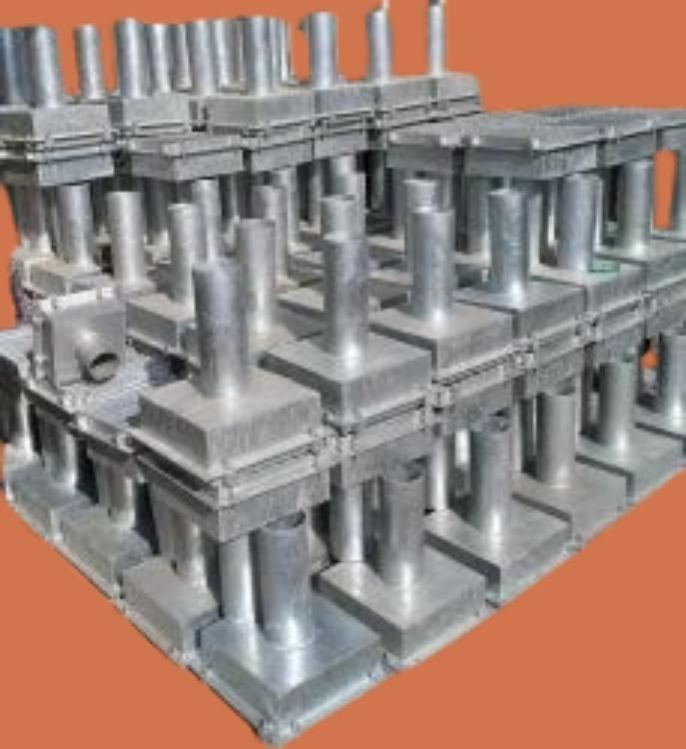
Sandhya Enterprises, under the brand SANDHYAFLEX, offers GI (Galvanized Iron) Coated Drainage Spouts designed for efficient water management in bridge structures. These spouts are constructed from mild steel and feature a galvanized coating to enhance durability and corrosion resistance. citeturn0search4
Product Specifications:
citeturn0search1
For more detailed information, including diagrams and specifications, you can refer to their product PDF.
To get in touch with Sandhya Enterprises for inquiries or quotations, you can contact them at:
Additional Information:
Payment Terms : D/A
Delivery Time : 15 days
A drainage spout, also known as a downspout or simply a spout, is a component of a building's rainwater or stormwater drainage system. Its primary function is to collect rainwater from the gutters or other collection points on a roof and direct it away from the building's foundation. Drainage spouts play a crucial role in preventing water damage to a structure, as they guide rainwater or melted snow from the roof to a suitable drainage location, such as a drain, sewer system, or designated runoff area.
Key features and information about drainage spouts:
1. Materials: Drainage spouts are typically made of materials that can withstand exposure to weather and moisture, such as metal (e.g., aluminum, copper, steel), PVC, or other plastics. The choice of material depends on factors like cost, durability, and aesthetic considerations.
2. Shape and Size: Drainage spouts come in various shapes and sizes, with round and rectangular profiles being common. The size and number of spouts required for a building depend on its roof area and the local climate conditions.
3. Installation: Drainage spouts are attached to the downpipes or gutters that collect rainwater. They are typically affixed to the exterior of a building and extend downward, carrying water away from the eaves and foundation.
4. Elbows and Extensions: In some cases, elbows or extensions may be used to redirect the flow of water from a drainage spout. This is often done to ensure that water is directed away from the building or to create a more aesthetically pleasing arrangement.
5. Splash Blocks or Extensions: At the end of a drainage spout, a splash block or extension may be added to further direct water away from the building. These can help prevent erosion around the foundation and maintain the integrity of the landscaping.
6. Maintenance: Regular maintenance, including cleaning debris from gutters and ensuring that spouts are not clogged, is essential to keep the drainage system functioning correctly.
Properly functioning drainage spouts are important for protecting a building's foundation, preventing basement flooding, and preserving the structural integrity of the property. In some regions, there may be local building codes and regulations governing the installation and maintenance of drainage systems to ensure they effectively manage rainwater runoff.
Additional Information:
Payment Terms : T/T
 Ms. Sandhya Chaudhary (Sandhya Enterprises)
 5-24-1223/5/1, Ambedkar Nagar, Gajularamaram, Quatubulapur, R. R. Dist, Hyderabad, Telangana - 500055, India
 https://www.sandhyaflex.co.in
 Share us via