 GST : 36GNLPS1299P1ZS
 4.5/5
4.5/5
Our Products
Our Complete range of products are Tie Rod and Scaffolding Tie Rod.
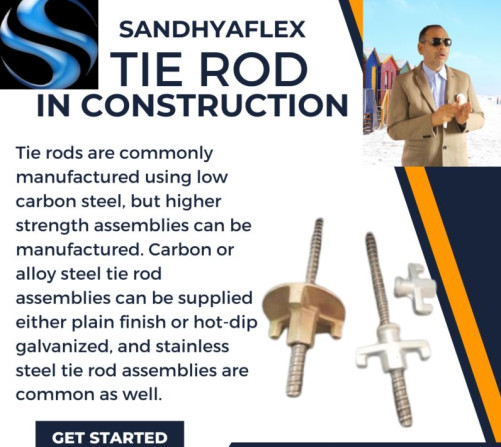
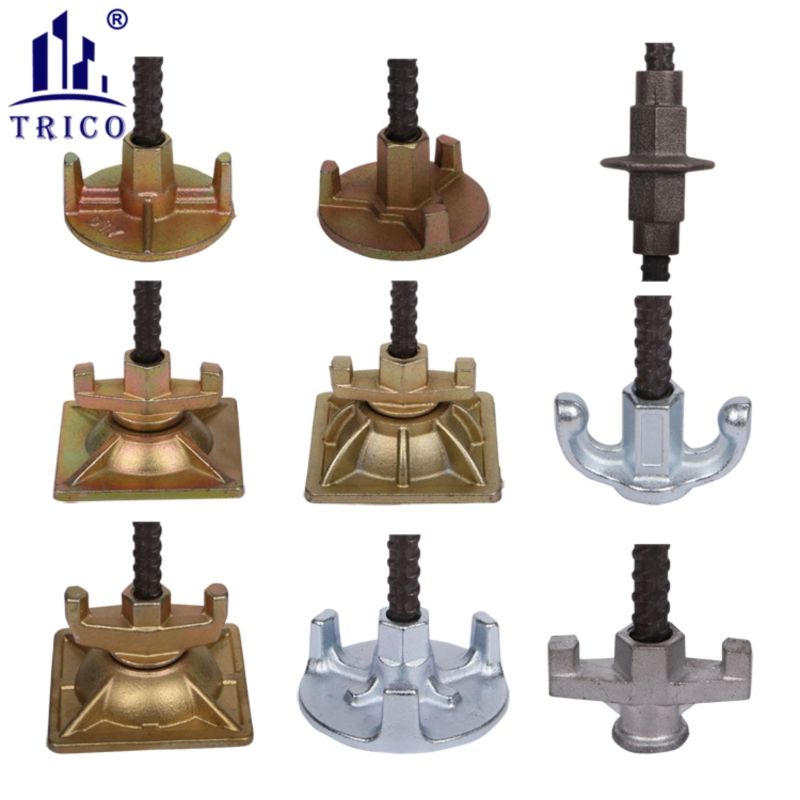
A tie rod, also known as a tie-rod end or track rod, is a crucial component of a vehicle\'s steering system. It plays a significant role in maintaining proper steering control and alignment. Tie rods are found in both traditional (non-rack-and-pinion) and rack-and-pinion steering systems, although the design and placement may vary.
rnrnHere are the main functions and components of a tie rod:
rnrn1. **Steering Linkage:** Tie rods are part of the steering linkage that connects the steering gear (or steering rack in rack-and-pinion systems) to the steering knuckles of the front wheels.
rnrn2. **Steering Control:** When you turn the steering wheel, it causes the tie rods to pivot and transfer that motion to the front wheels. This is how you control the direction of your vehicle.
rnrn3. **Alignment:** Tie rods also play a crucial role in maintaining proper wheel alignment. They help ensure that the wheels are aligned parallel to each other and perpendicular to the road surface. Proper alignment is essential for safe and predictable handling and to prevent uneven tire wear.
rnrnThere are two main types of tie rods:
rnrn1. **Inner Tie Rod:** This part connects to the steering gear or rack and is typically threaded into it. The inner tie rod is hidden beneath a boot to protect it from dirt and debris.
rnrn2. **Outer Tie Rod:** The outer tie rod connects to the inner tie rod on one end and the steering knuckle on the other end. It\'s the part of the tie rod that is more exposed and easier to access.
rnrnTie rods are adjustable to some extent to allow for precise alignment of the wheels. When tie rods wear out or become damaged, it can result in steering problems, including poor handling, uneven tire wear, and alignment issues. Regular maintenance and inspections are important to ensure that tie rods are in good condition and that your vehicle\'s steering system functions correctly.
rnrnIf you suspect an issue with your tie rods, it\'s essential to have them inspected and replaced if necessary to maintain safe and effective steering control. Improperly functioning tie rods can compromise the safety and performance of your vehicle.
Additional Information:
Payment Terms : T/T, Western Union
Packaging Details : Sure! Could you clarify what kind of **packaging details** you're looking for? For example:
- Product packaging (e.g., for shipping, retail, food, cosmetics)?
- Specific packaging materials (e.g., plastic, cardboard, eco-friendly)?
- Design elements (e.g., labels, logos, colors)?
- Industry or product type?
- Regulatory or labeling requirements?
Let me know what you're working on, and I can tailor the info to fit!
Delivery Time : depends
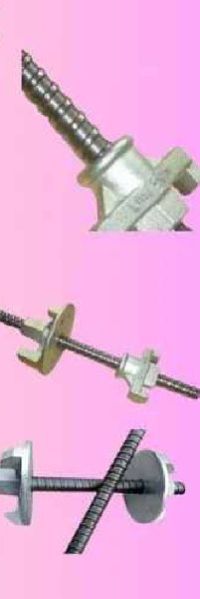
Scaffolding tie rods are critical components used in construction scaffolding systems for various applications. Here are some of their main uses and applications:
1. **Structural Stability**: Scaffolding tie rods are primarily used to provide structural stability to scaffolding structures. They help distribute loads evenly across the scaffolding system, minimizing the risk of collapse or failure, especially in tall or complex scaffolds.
2. **Tying Scaffolding Frames Together**: Tie rods are used to connect and tie scaffolding frames together horizontally and vertically. This connection reinforces the entire scaffold structure, ensuring it remains stable and secure during construction activities.
3. **Bracing and Diagonal Support**: Tie rods are often utilized as diagonal bracing elements within the scaffolding system. They help distribute lateral loads, such as wind forces or uneven weight distribution, and prevent the scaffold from swaying or tipping over.
4. **Supporting Platforms and Decks**: Tie rods are used to support scaffold platforms or decks, providing additional stability and load-bearing capacity. They help distribute the weight of workers, equipment, and construction materials evenly across the scaffold, reducing the risk of platform failure.
5. **Adjusting Scaffold Heights**: In some scaffolding systems, tie rods can be used to adjust the height of scaffold platforms or decks. By adjusting the length of the tie rods, workers can raise or lower the scaffold to the desired height, accommodating changes in elevation or terrain.
6. **Anchoring to Structures**: Tie rods are often used to anchor scaffolding to existing structures, such as buildings or walls. This anchoring helps secure the scaffold in place, preventing movement or displacement during construction activities.
7. **Temporary Support during Construction**: In addition to their use in scaffolding, tie rods can also be employed as temporary supports during various construction tasks. They can provide additional reinforcement to formwork, temporary bracing, or other temporary structures on the construction site.
8. **Compatibility with Various Scaffolding Systems**: Tie rods are compatible with different types of scaffolding systems, including tube and clamp scaffolding, ring lock scaffolding, cup lock scaffolding, and others. This versatility allows for their widespread use in various construction projects.
Overall, scaffolding tie rods play a crucial role in ensuring the stability, safety, and functionality of scaffolding structures in construction projects. Their versatility, load-bearing capacity, and ability to provide structural reinforcement make them essential components for construction workers and scaffolding contractors alike.
Additional Information:
Payment Terms : D/P
Packaging Details : packaging as per dimension
Delivery Time : 2 to 7 days
 Ms. Sandhya Chaudhary (Sandhya Enterprises)
 5-24-1223/5/1, Ambedkar Nagar, Gajularamaram, Quatubulapur, R. R. Dist, Hyderabad, Telangana - 500055, India
 https://www.sandhyaflex.co.in
 Share us via