 GST : 36GNLPS1299P1ZS
 4.5/5
4.5/5
Our Products
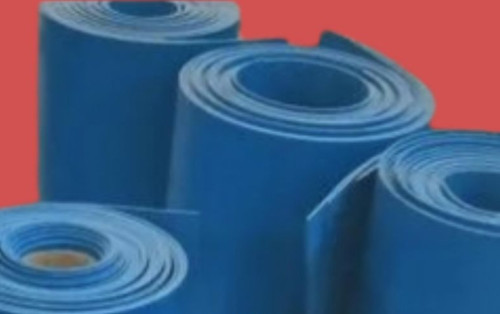
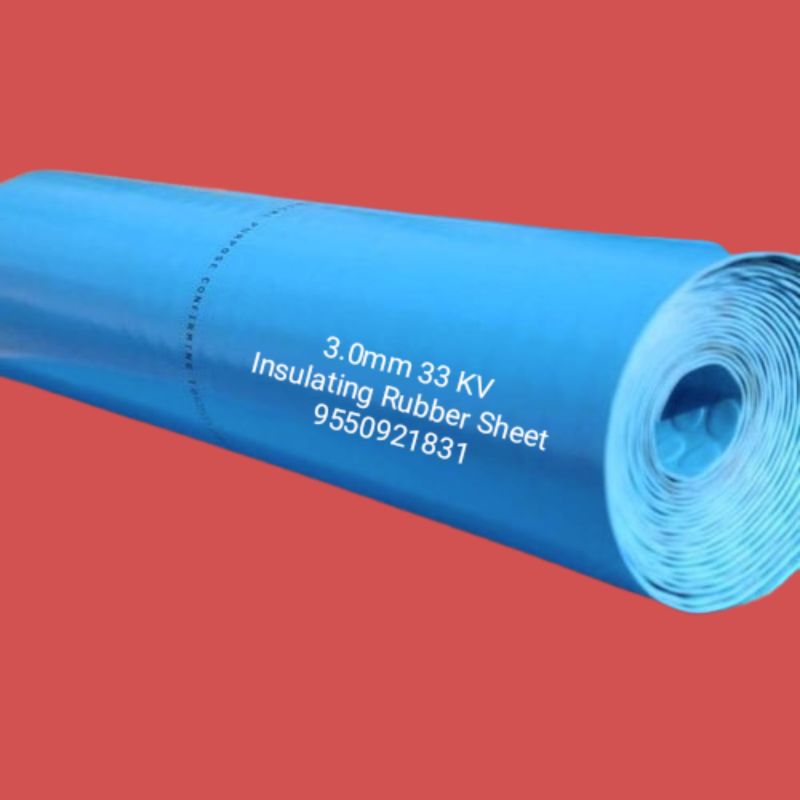
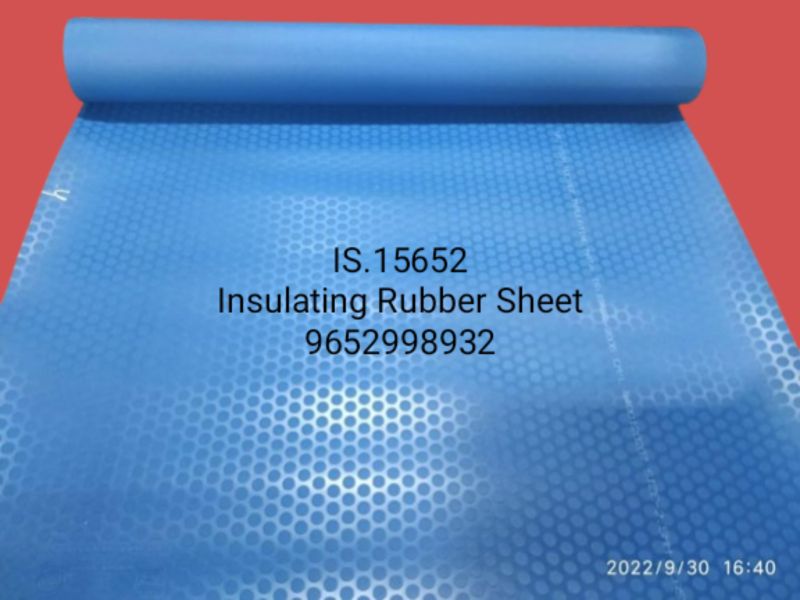
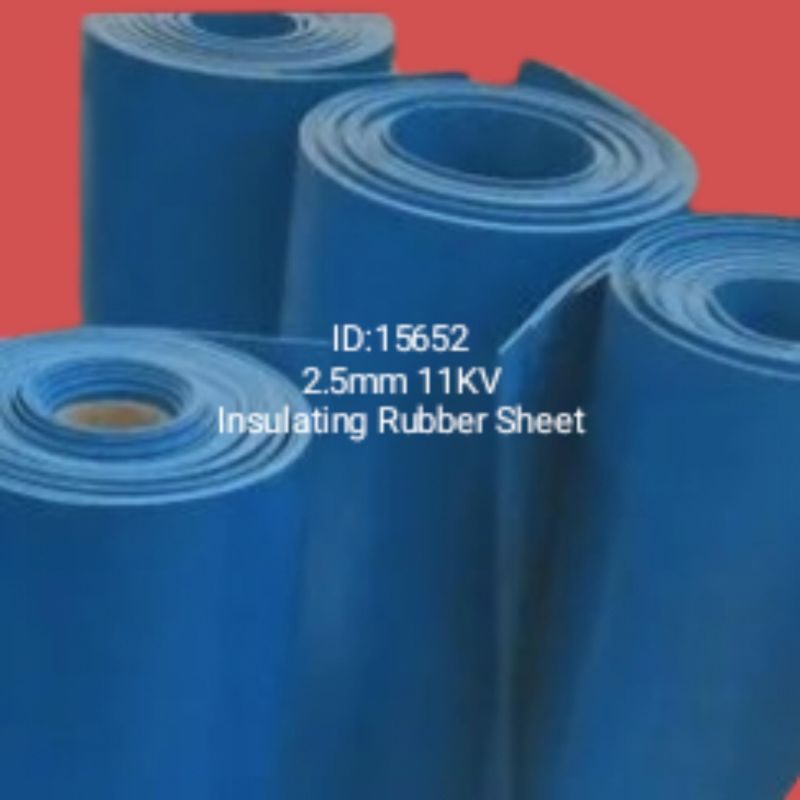
Sandhya Enterprises Manufacturer and Supplier of Electrical Insulating mat.
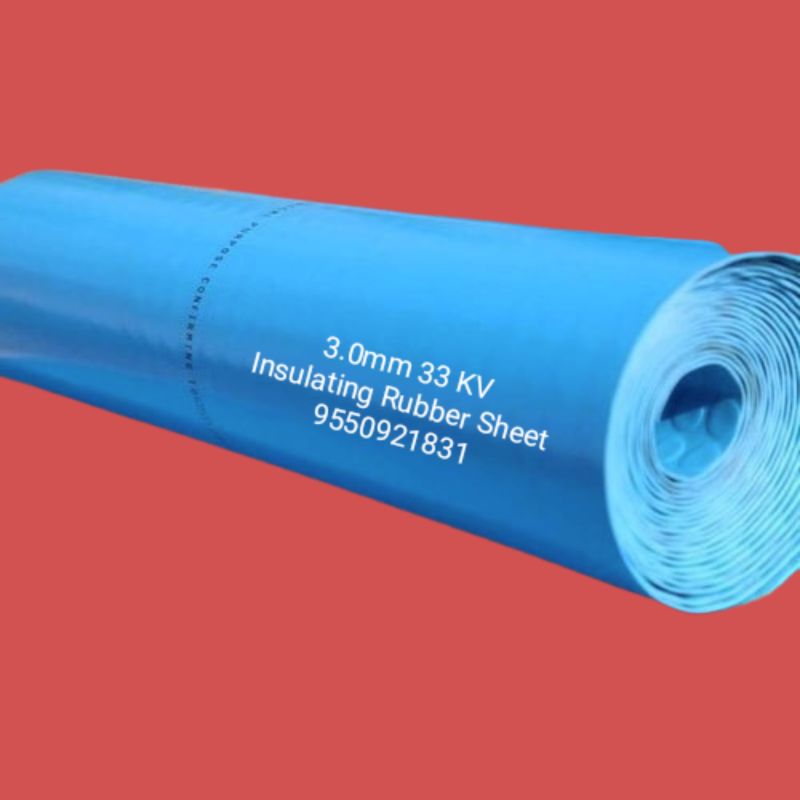
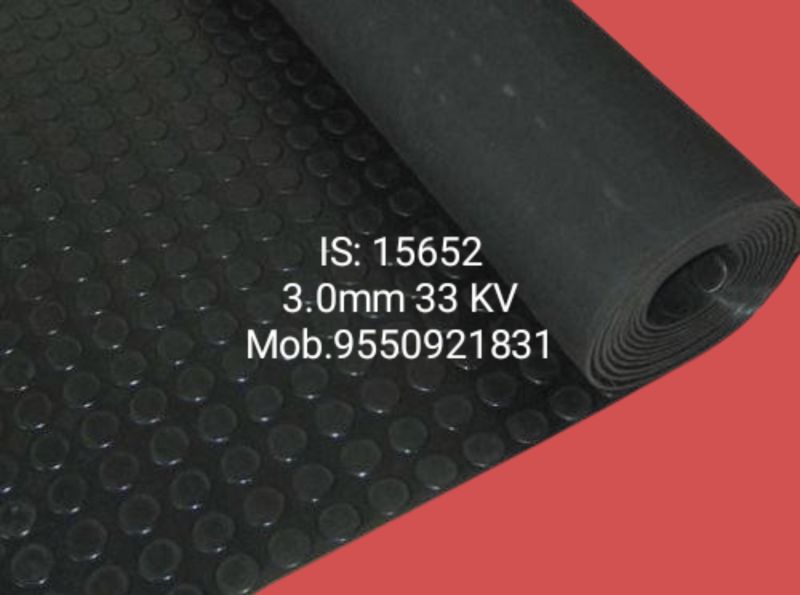
We are Manufacturer of Insulating Rubber Mats as Per IS 15652 Specification. We have 20 years Experience in Manufacturing of Rubber Product. We have Experience all Electrical Tests, Oil Tests and Chemical Test Of Insulating Rubber Mat.Insulating rubber sheets, also known as electrical insulation rubber sheets or dielectric rubber sheets, are specialized sheets made from rubber or synthetic elastomers that are designed to provide electrical insulation and protection in various applications. They are commonly used in electrical, electronic, and industrial settings to prevent electrical current flow and protect against electrical shocks and short circuits. Insulating electrical rubber mats are essential safety equipment used in various industries where workers are exposed to electrical hazards. These mats provide a protective barrier between workers and the ground, preventing electric shock and creating a safer working environment. Here are some common uses and applications of insulating electrical rubber mats: 1. **Electrical Substations**: Insulating rubber mats are often deployed in electrical substations where workers may come into contact with high-voltage equipment. These mats are placed around switchgear, transformers, and other electrical apparatus to create a safe working area for maintenance and repair tasks. 2. **Power Generation Facilities**: In power plants, insulating rubber mats are used in control rooms, switchyards, and generator halls to protect personnel from electrical hazards. Workers standing on these mats can safely operate electrical equipment without the risk of electric shock. 3. **Industrial Facilities**: Industrial settings such as manufacturing plants, refineries, and chemical processing facilities utilize insulating rubber mats in areas where electrical equipment is present. These mats are placed near machinery, control panels, and distribution boards to safeguard workers from potential electrical faults or accidents. 4. **Construction Sites**: Construction sites often have temporary electrical installations for powering tools and equipment. Insulating rubber mats are used in these environments to create safe zones for workers handling electrical tasks, such as wiring, installation, and maintenance of electrical systems. 5. **Telecommunication Industry**: In the telecommunications sector, insulating rubber mats are employed in equipment rooms, data centers, and telecom towers to protect technicians and engineers working on electrical and electronic systems. These mats prevent electrical shocks and provide a secure footing on elevated platforms. 6. **Laboratories**: Research laboratories and testing facilities that deal with electrical instruments and equipment use insulating rubber mats to minimize the risk of electric shock to personnel. These mats are placed on laboratory benches, workstations, and floors to create an electrically safe environment for conducting experiments and handling sensitive equipment. 7. **Vehicle Maintenance Workshops**: Automotive repair shops and vehicle maintenance facilities utilize insulating rubber mats to protect mechanics and technicians working on electrical systems in cars, trucks, and other vehicles. These mats provide a non-conductive surface for technicians to stand on while servicing electrical components. 8. **Emergency Response Vehicles**: Insulating rubber mats are often included as part of the safety equipment carried on emergency response vehicles such as fire trucks, ambulances, and rescue units. They can be deployed at the scene of accidents or incidents involving electrical hazards to protect first responders and rescue personnel. Overall, insulating electrical rubber mats play a critical role in safeguarding workers and minimizing the risk of electric shock in various industries and environments where electrical hazards are present. Proper selection, installation, and maintenance of these mats are essential to ensure worker safety an
Additional Information:
Packaging Details : Packing with HDPE Cover
Delivery Time : 10 to 15days
 Ms. Sandhya Chaudhary (Sandhya Enterprises)
 5-24-1223/5/1, Ambedkar Nagar, Gajularamaram, Quatubulapur, R. R. Dist, Hyderabad, Telangana - 500055, India
 https://www.sandhyaflex.co.in
 Share us via