 GST : 36GNLPS1299P1ZS
 4.5/5
4.5/5
Our Products
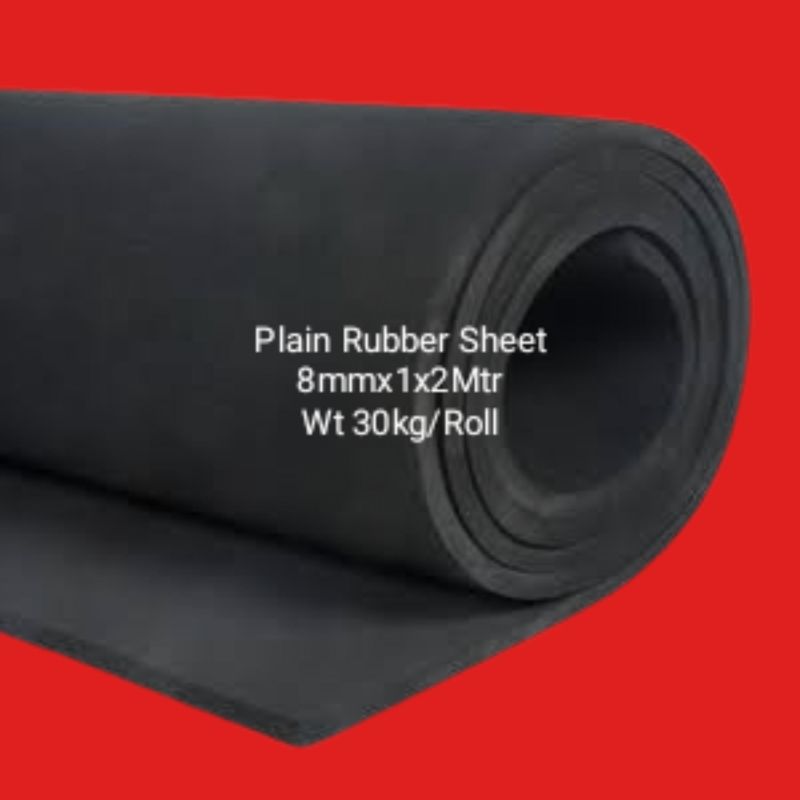
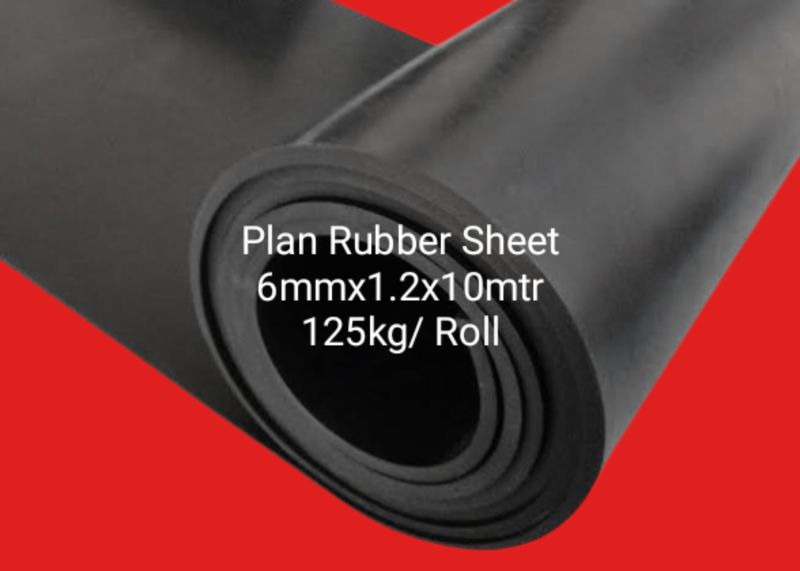
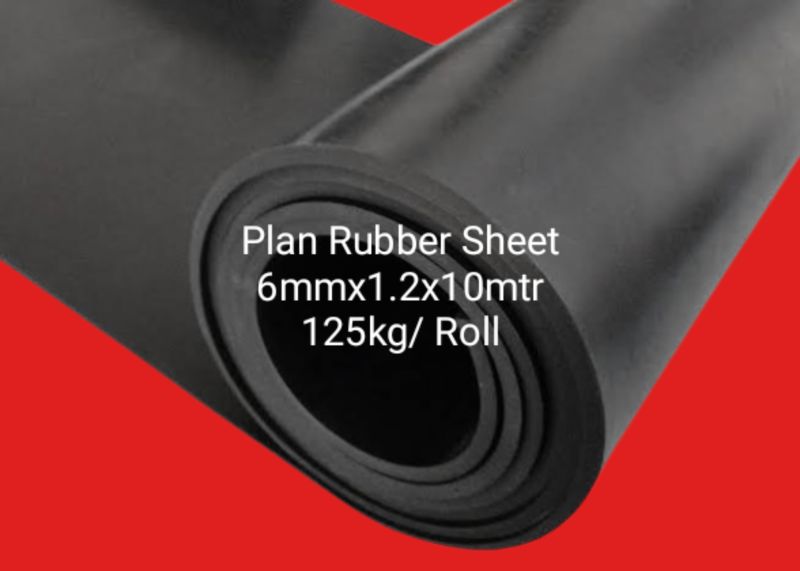
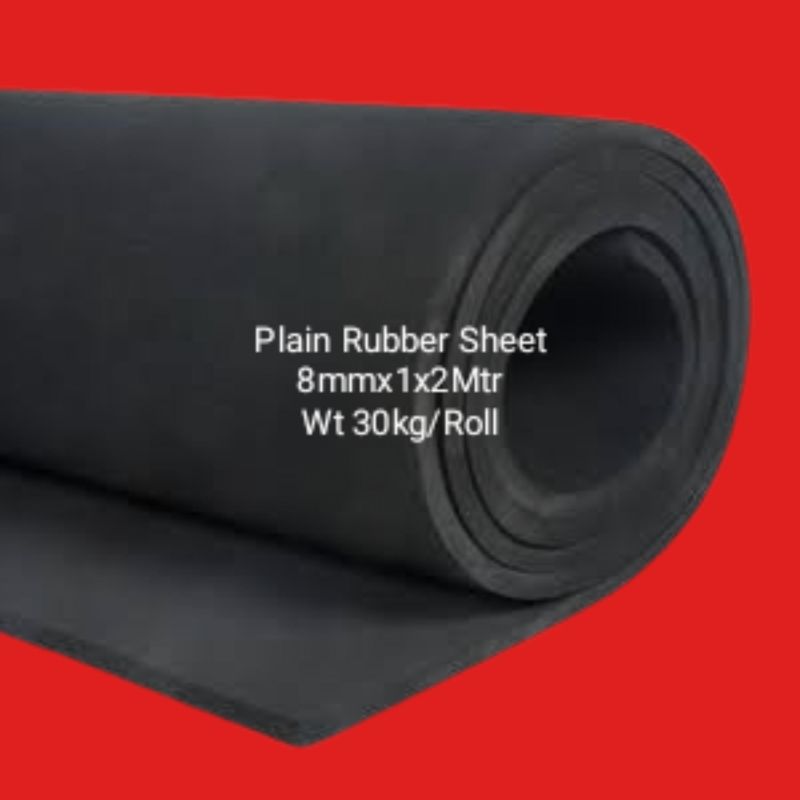
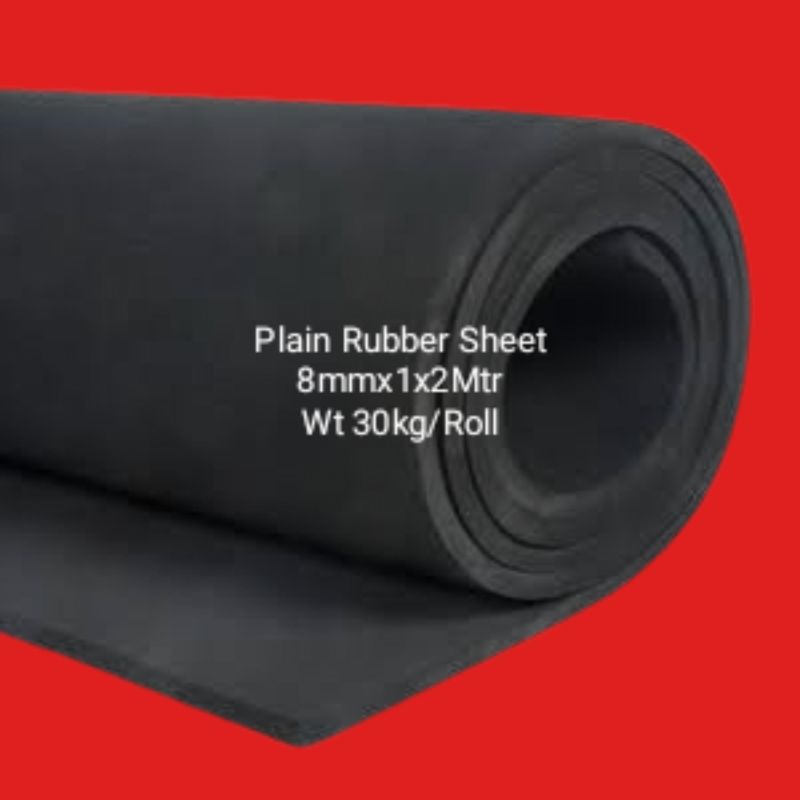
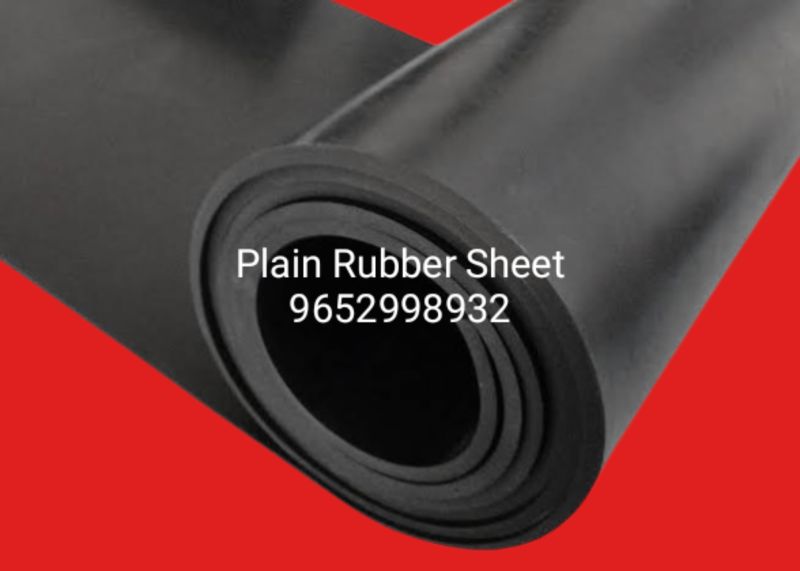
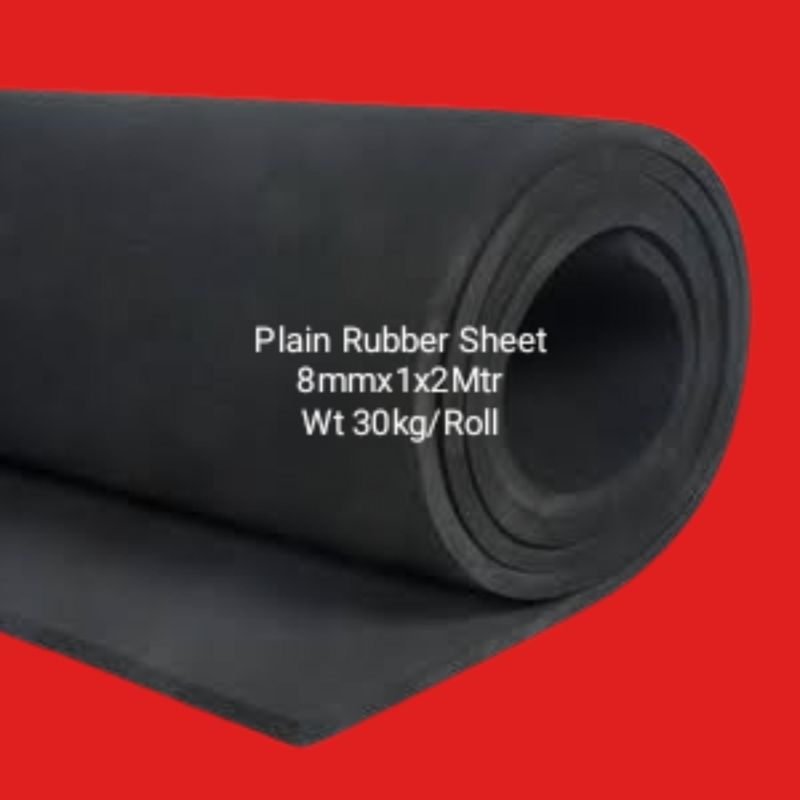
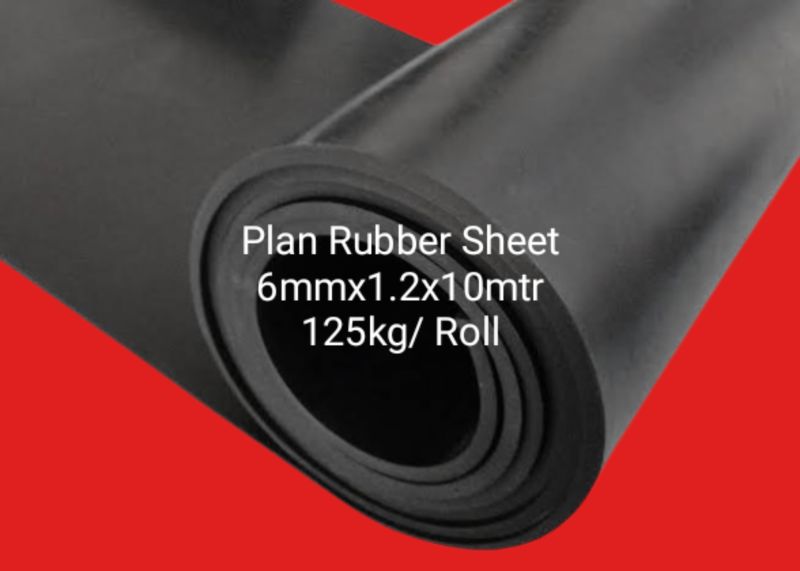
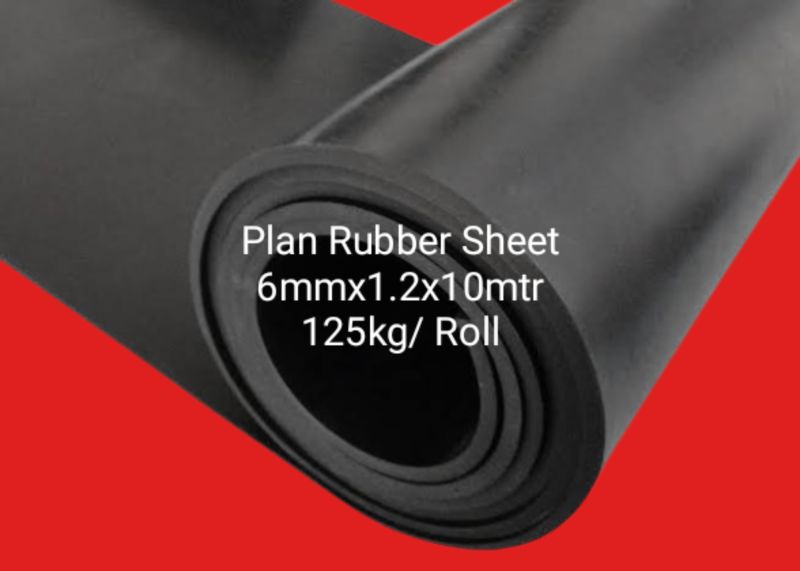
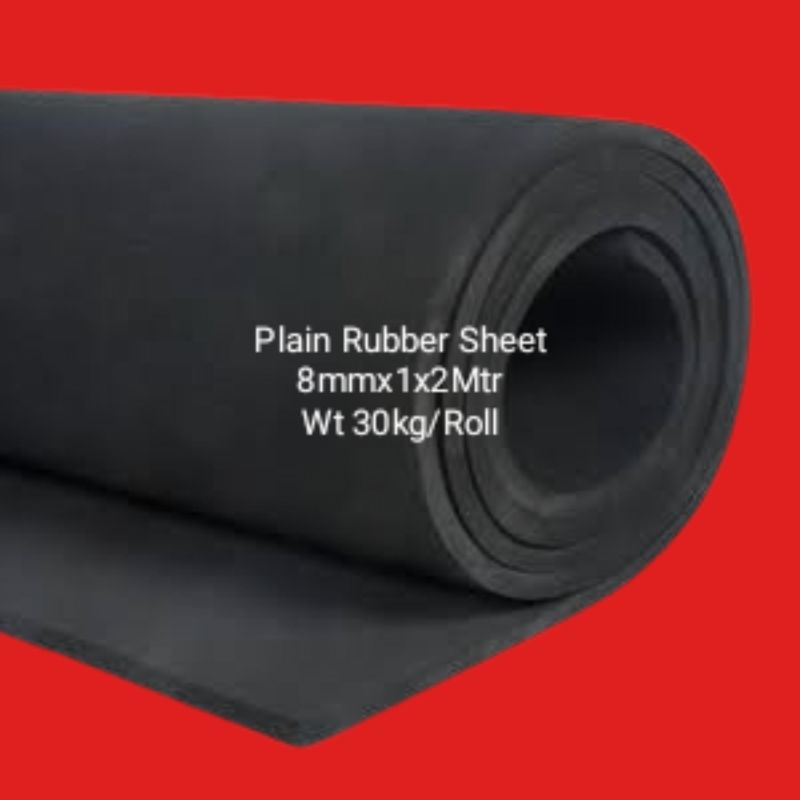
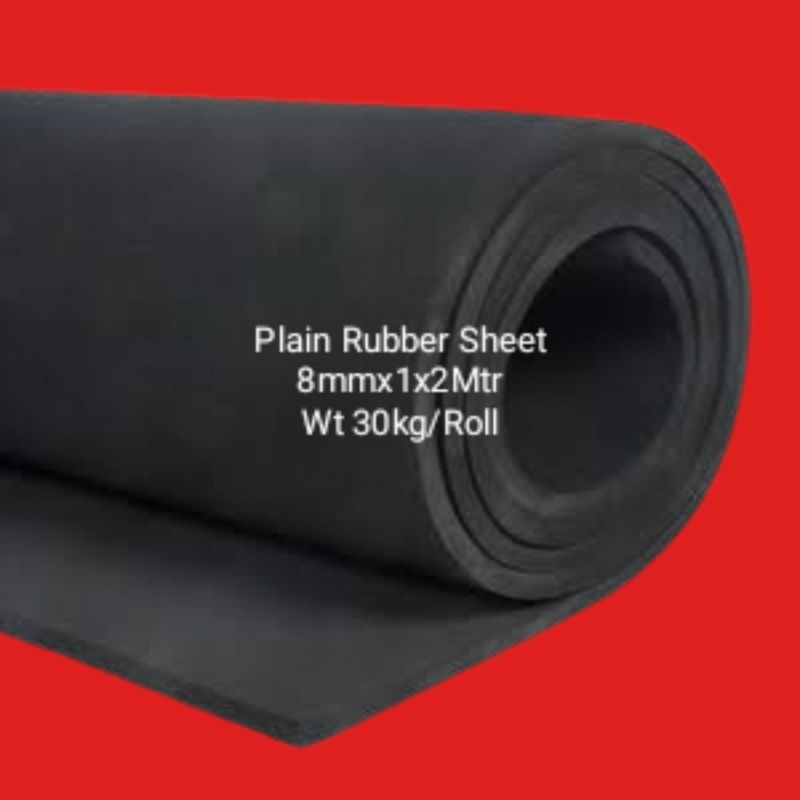
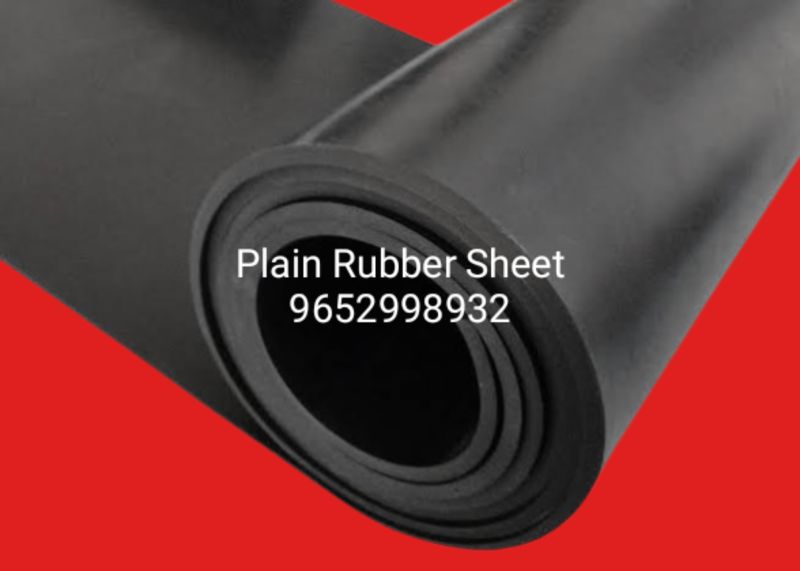
We offer the best product range of SANDHYAFELX Plain Rubber Sheet and SANDHYAFLEX Plain Rubber Sheet.
Plain rubber sheets, also known as rubber rolls or rubber strips, are versatile materials with a range of applications across various industries. The use of plain rubber sheets is often dictated by their unique properties, such as elasticity, flexibility, and resistance to moisture and chemicals. Here are some common uses and applications of plain rubber sheets:
1. **Gaskets and Seals:**
- Rubber sheets are commonly used to create gaskets and seals for applications in machinery, engines, and pipelines. Their flexibility allows them to form a tight seal, preventing leaks.
2. **Insulation:**
- Rubber sheets can serve as insulating materials, providing protection against electrical conductivity. They are used in electrical panels, switchboards, and other applications where insulation is crucial.
3. **Vibration Isolation:**
- Rubber sheets are effective at dampening vibrations. They are often employed as vibration isolators in machinery and equipment to reduce noise and prevent vibrations from transferring to other parts of a structure.
4. **Flooring:**
- In industrial settings, gyms, and laboratories, rubber sheets are used as flooring material. They provide a non-slip surface, are resistant to chemicals, and offer impact absorption.
5. **Conveyor Belts:**
- Rubber sheets can be cut and used as covers for conveyor belts. The rubber's durability and resistance to wear make it suitable for conveying materials in various industries.
6. **Weather Stripping:**
- Rubber sheets with good weather resistance properties are used as weather stripping. They provide a barrier against external elements, such as water, air, and dust, making them ideal for doors and windows.
7. **Automotive Applications:**
- Rubber sheets find extensive use in the automotive industry for making gaskets, seals, and parts like bushings and hoses. They offer resilience and resistance to automotive fluids.
8. **Expansion Joints:**
- In construction, rubber sheets are utilized as expansion joints. They can absorb movement caused by temperature variations, preventing structural damage.
9. **Medical and Laboratory Equipment:**
- Rubber sheets with appropriate properties are used in medical and laboratory settings. They may be used for non-slip surfaces, vibration isolation, or as protective barriers.
10. **Packaging:**
- Rubber sheets can be used in packaging applications to provide cushioning and protection for delicate or sensitive items during shipping.
When using plain rubber sheets, it's important to consider the specific requirements of the application, including factors such as temperature resistance, chemical compatibility, and mechanical properties. Additionally, choosing the right thickness and type of rubber sheet is crucial for optimal performance in a given application.
Additional Information:
Payment Terms : T/T
The dimensions and thickness of plain rubber sheets can vary based on the specific product, manufacturer, and intended application. Rubber sheets are available in a range of sizes to accommodate different needs across various industries. Here are some general insights into the dimensions and thickness of plain rubber sheets:
1. **Dimensions:**
- Rubber sheets are available in various dimensions, including width and length. Common widths range from a few inches to several feet, and lengths can vary from a few feet to several yards. The specific dimensions may be influenced by factors such as the manufacturing process, intended use, and industry standards.
2. **Thickness:**
- Rubber sheets are manufactured in a variety of thicknesses to suit different applications. Thickness options typically range from thin sheets, measured in millimeters, to thicker sheets, measured in inches. Common thicknesses include 1/16 inch, 1/8 inch, 1/4 inch, and higher.
3. **Standard Sizes:**
- Some rubber sheet manufacturers offer standard sizes that are readily available for purchase. These standard sizes may be common in the industry and are often chosen for general-purpose applications.
4. **Custom Sizes:**
- In addition to standard sizes, manufacturers may offer the flexibility to produce custom-sized rubber sheets to meet specific customer requirements. This is particularly useful for applications where non-standard dimensions are needed.
5. **Roll Form:**
- Rubber sheets are often supplied in roll form, where the material is wound into rolls for ease of storage, handling, and transportation. Roll widths and lengths can vary, and users can cut the material to the desired dimensions for their application.
When selecting a plain rubber sheet, it's essential to consider the dimensions and thickness that align with the requirements of the intended application. Factors such as the level of flexibility needed, the surface area to be covered, and the specific function of the rubber sheet will influence the choice of dimensions and thickness.
For precise information about the dimensions and thickness of a particular plain rubber sheet product, it is recommended to refer to the product specifications provided by the manufacturer. Manufacturers typically provide detailed information, including dimensions, thickness options, and any other relevant details in their product documentation or technical data sheets.
Additional Information:
Payment Terms : T/T
 Ms. Sandhya Chaudhary (Sandhya Enterprises)
 5-24-1223/5/1, Ambedkar Nagar, Gajularamaram, Quatubulapur, R. R. Dist, Hyderabad, Telangana - 500055, India
 https://www.sandhyaflex.co.in
 Share us via