Write a Review
Our Products
We offer the best product range of Asparagus Racemosus, Asparagus Racemosus Plant, Azadirachta Indica, Full Sun Exposure Green Aloe Vera Plant and Cassia Angustifolia.
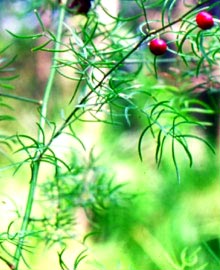
Local Name : Yellow Satawary Parts of use : Rhizomes, roots Medicinal Uses : Galactogogic, anti-spasmodic, antidiarrhetic, demulcent Active Constituent : Sugar, Glycosides, Saponin & Sitosterol.
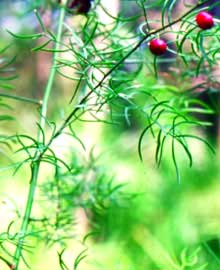
Product Name: Asparagus Racemosus Plant
Botanical Name: Asparagus racemosus
Common Name: Shatavari / Wild Asparagus
Plant Type: Live Medicinal Plant
Plant Height: 1 ft to 2.5 ft (at time of dispatch)
Leaf Type: Thin, needle-like, clustered
Root Type: Tuberous, fleshy (used medicinally)
Growth Habit: Climbing / Spreading
Soil Requirement: Well-drained sandy loam soil
Watering: Moderate; avoid waterlogging
Sunlight Requirement: Partial shade to full sun
Temperature Tolerance: 10C to 40C
Plant Age: 24 months
Usage/Application: Ayurvedic medicine (reproductive health, immunity, digestive aid)
Packaging Type: Polybag with root ball or nursery pot
Pot Included: Optional
Shelf Life (Live Plant): Best transplanted immediately after receipt
Cultivation Type: Organic / Conventional
Country of Origin: India
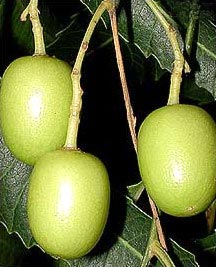
Local Name : Neem, LILAC Descriptions : An evergreen tree, growing up to 16m, with compound leaves and white flowers Parts of use : Leaves. Citrus oil is extracted through steam distillation process. Fresh grass gives more yield than stored grass. Medicinal Uses : All parts of the neem tree may be used medicinally. The bark is bitter and astringent and a decoction is used for hemorrhoids. The leaves are taken as an infusion for malaria, peptic ulcers and intestinal worms and may be applied locally as a juice. The juice of the leaves is also applied to the eyes to treat night blindness and conjunctivitis. The twigs are used as a tooth cleanser for preventing gum disease. Neem oil, extracted from the seeds, is commonly used as hairdressing and is strongly anti-fungal and anti-viral, preventing scabies and ringworm. The oil is also used to treat skin conditions such as eczema, psoriasis and even leprosy.
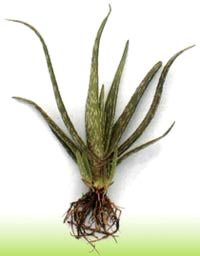
Botanical Name: Aloe barbadensis miller
Common Name: Aloe Vera
Plant Type: Succulent, perennial
Color: Green (fleshy, thick leaves with serrated edges)
Sunlight Requirement: Full sun (68 hours daily)
Leaf Length: 3050 cm (mature plant)
Plant Height: 6090 cm (including leaves)
Water Requirement: Low; drought-tolerant
Soil Type: Well-drained sandy or loamy soil
Growth Temperature: 18C to 40C
Propagation: By offsets (pups) or stem cuttings
Medicinal Content: Rich in vitamins, enzymes, amino acids, aloin, and polysaccharides
Applications: Skincare, haircare, digestive health, medicinal formulations, cosmetics
Shelf Life (Fresh Leaves): 710 days after harvest
Storage: In cool, ventilated area; can be refrigerated for extended freshness
Cultivation Type: Naturally grown / Organic (optional)
Harvesting Time: 812 months after planting for mature leaves
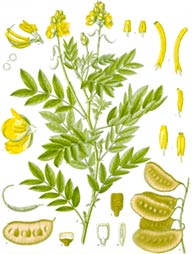
Local Name: Indian Senna Descriptions : A shrub or under shrub, 60-75 cm in height with the pale subterete or obtusely angled erect or spreading branches; leaves paripinnate leaflets 5-8 , ovate lanceolate, glabrous; flowers yellow, many in axillary racemes; fruits flat legumes, greenish brown to dark brown, 3.5-7 cm long; seeds 5-7 per pod , obovate, dark brown, nearly, nearly smooth. Parts of use : Leaves and bark. Medicinal Uses : The leaves are astringent, bitter, sweet, acrid, thermogenic, cathartic, depurative, liver tonic, anthelmintic, cholagogue, expectorant and febrifuge, and are useful in constipation, abdominal disorders, leprosy skin diseases, leucoderma, splenomegaly, hepatopathy, jaundice, helminthiasis, dyspepsia, cough, bronchitis, typhoid fever, anaemia, tumours, and vitiated conditions of pitta and vata. Active Constituent :Anthraquinone, glucoside, flavonoids, steroids & resin.
 R. K. Sinhal (Exports & Agencies)
 Milan Pally, Near Milan Samity Club, P.o. Siliguri, Dist. Darjeeling, Siliguri - 734005., West Bengal
 Share us via