Write a Review
Our Products
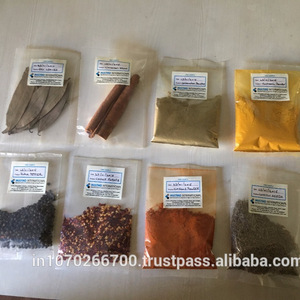
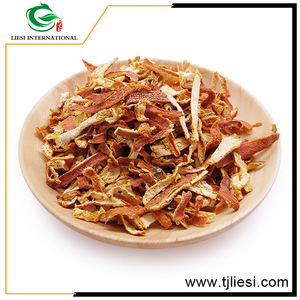
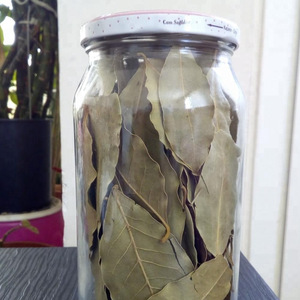
Our offered Product range includes Brown Dried Rubia Cordifolia, Withania Somnifera Plant, Herbs and Spices, Organic Dried Orange Peel and Turkey Bay Leaf.

Brown dried Rubia cordifolia, commonly known as Indian madder or Manjistha, is the processed root or stem of a perennial climbing plant from the Rubiaceae family. The dried material has a fibrous texture with a reddish-brown to deep brown hue and a slightly earthy aroma. It is obtained by harvesting mature roots or lower stems, which are then cleaned, sliced, and sun-dried to preserve their active constituents. The plant thrives in tropical and subtropical climates with well-drained soil and prefers moderate sunlight. Rubia cordifolia contains natural compounds such as purpurin, munjistin, and alizarin, which contribute to its coloring properties and medicinal value. In traditional Ayurvedic and Siddha medicine, the dried form is used for its blood-purifying, anti-inflammatory, and skin-enhancing properties. It is also historically used as a natural dye for textiles, producing red to pink shades.

Withania somnifera, commonly known as Ashwagandha or Indian ginseng, is a drought-tolerant, perennial shrub in the Solanaceae (nightshade) family. It grows 35 to 75 centimeters tall and features oval, green leaves with small, bell-shaped greenish-yellow flowers. The plant produces red berry-like fruits enclosed in a papery husk. Ashwagandha thrives in dry, subtropical regions with sandy, well-drained soil and full sun exposure. It is typically propagated by seeds and matures in about 150 to 180 days. The roots are the primary medicinal part and are harvested for their adaptogenic, anti-inflammatory, and stress-reducing properties. Widely used in Ayurveda for enhancing vitality, immunity, and hormonal balance. Suitable for herbal gardens and commercial cultivation in arid or semi-arid climates.
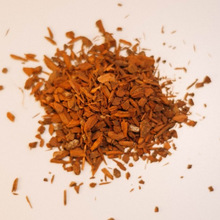
We are main supplier of this product.
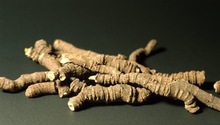
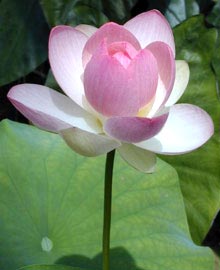
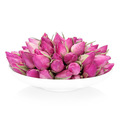
Local Name : Lotus Medicinal Uses : Refrigerant, sedative & demulcent. Active Constituent : Alkaloid (Nelumbine)
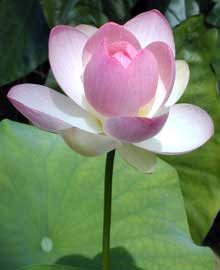
Botanical Name: Nelumbo nucifera
Common Name: Pink Lotus, Sacred Lotus
Plant Type: Aquatic perennial
Flower Color: Pink (light to deep shades)
Leaf Size: 30–60 cm diameter (round, water-repellent)
Flower Size: 10–20 cm diameter
Plant Height: Up to 150 cm (above water)
Root Type: Rhizomatous (tuber-like underwater roots)
Water Depth Requirement: 15–45 cm for ideal growth
Sunlight: Full sun (6–8 hours daily)
Soil Type: Clayey or loamy soil under shallow water
Blooming Season: Summer to early fall (depending on region)
Growth Conditions: Requires warm, tropical to subtropical climate
Propagation: Through tubers or seeds
Uses: Ornamental, religious rituals, traditional medicine, food (seeds and roots)
Compliance: Naturally cultivated or organically grown
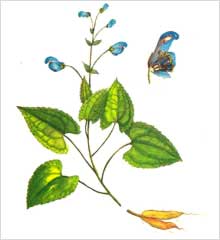
Local Name : Atis root Descriptions : A herb, stem erect, simple at times branched;leaves more or less heterophyllus, lowest leaves with long petioles. Parts of use : Roots. Medicinal Uses : The roots are acrid, bitter, thermogenic, expectorant, alexeteric, stomachic, digestive, antiperiodic, and tonic. They are useful in dysentery, diarrhoea, stomach disorders, fever, malarial fever, internal inflammatory conditions and general debility.They are highly recommended for diseases in children. Active Constituent : Alkaloids (atisine, dihydroatisine, hetisined & heteratisine).
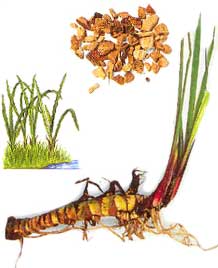
Local Name : Sweet flag Descriptions : Sweet flag has sword shaped leaves and a yellow green flowering spike protruding at an angel from a three sided stem. This distinguishes it from poisonous irises. Parts of use : The root Medicinal Uses : The leaf buds and inner stems of Sweet flag are used in salads, while the root flavours alchohol and can be candied.The leaves and rhizomes were once a popular strewing herb, white and repellent, a tooth powder, and a skin lotion. The root is a stimulant and hallucinogenic, treats indigestion, and in China is used for epilepsy, strokes and artritis.The plant has potential as an insecticide. The extracted essencial oil is used in stomach powders , teas, and perfumary, but it may be carcinogenic.
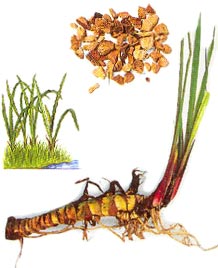
Acorus calamus root, commonly known as sweet flag, is the rhizome of a perennial wetland plant from the Acoraceae family. The root is thick, cylindrical, and aromatic with a brownish outer layer and a pale interior. It contains volatile oils, primarily asarone, which contribute to its strong, sweet, and slightly bitter fragrance. The plant thrives in marshy, waterlogged soils and is native to Asia, Europe, and North America. The rhizome grows horizontally underground and is typically harvested after 6 to 12 months of growth. It is used in dried or powdered form and has traditional applications in Ayurveda, Unani, and Chinese medicine for its carminative, sedative, and antimicrobial properties. Acorus calamus root is also used in perfumery, incense, and flavoring, although regulatory restrictions exist in some countries due to the presence of β-asarone. The root's active compounds contribute to its pungent aroma and medicinal potency.
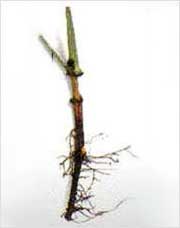
Rubia cordifolia root, also known as Indian Madder or Manjistha, is a reddish-brown, slender root obtained from a perennial climber in the Rubiaceae family. It contains bioactive compounds like alizarin, purpurin, and munjistin. The root has astringent, anti-inflammatory, and blood-purifying properties and is widely used in Ayurvedic and Unani medicine. It is effective in treating skin disorders, improving complexion, detoxifying blood, and supporting lymphatic health. The root is typically available in dried, sliced, or powdered form and is packed in airtight, moisture-resistant bags for storage and medicinal use.
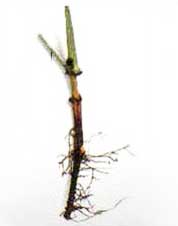
Local Name : Madder root. Descriptions : This Climbing or scrambling herb has whorls of leathery, pointed leaves, and clusters of flowers from summer to autumn, followed by small , fleshy purple brown berries. Parts of use : Roots and leaves. Medicinal Uses : Two year old roots yields dyes, such as rich red alizarin, used on cloth, hair, and leather.Taken internally they tint young bones red, and are used in osteopathic investigations, The root helps to break down and prevent kidney stones, and the leafy stems releive China the root of Indian Maddar (Rubia cordifolia) is a blodd tonic and a treatment for irregular bleeding, rhematoid arthritis, and jaundice.Chinese research on extracts of Rubia Species has found significant inhibiting activity on several types of cancer is included in experimental formulae for oesophageal cancer. Active Constituent : Glycosides
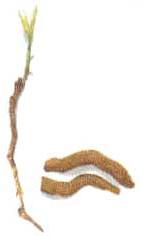
Sarpagandha root, derived from the Rauvolfia serpentina plant, is a slender, cylindrical, brown to blackish root known for its strong medicinal properties. It contains alkaloids such as reserpine, ajmaline, and serpentine. Traditionally used in Ayurvedic, Unani, and modern medicine, the root is effective for managing high blood pressure, insomnia, anxiety, and certain mental disorders. It acts as a sedative, antihypertensive, and tranquilizer. Available in dried, cut, or powdered form, the root is typically packed in moisture-proof, sealed bags or containers to preserve potency. Cultivated mainly in tropical and subtropical regions, it requires well-drained, loamy soil and partial shade for optimal growth
 R. K. Sinhal (Exports & Agencies)
 Milan Pally, Near Milan Samity Club, P.o. Siliguri, Dist. Darjeeling, Siliguri - 734005., West Bengal
 Share us via