Company Information
 Member Since 5 Years
 Nature of Business Trader Year of Establishment 2016
Ask for more detail from the seller
Contact Supplier
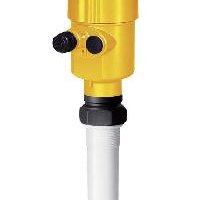
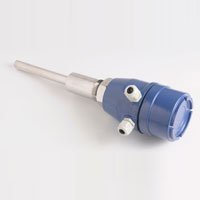
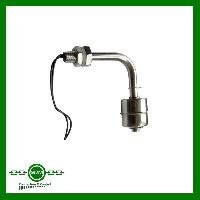
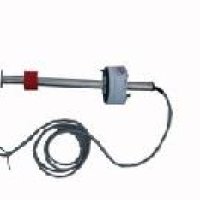
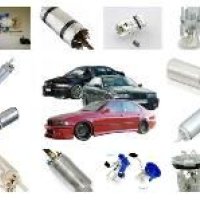
Fuel sensors provide real-time monitoring of fuel levels, helping to prevent theft, optimize fuel usage, and enhance overall vehicle efficiency. By providing accurate data on fuel consumption, sensors enable informed decisions about driving habits, route planning, and maintenance, ultimately leading to cost savings and reduced environmental impact. Here 's a more detailed look at the benefits: 1. Fuel Theft Prevention: Real-time monitoring: Fuel sensors track fuel levels continuously, alerting you to any sudden or unusual drops that might indicate theft. Early detection: They can identify anomalies and irregular patterns, allowing you to take action before significant losses occur. Reduced fuel waste: By identifying and preventing theft, fuel sensors help minimize wasted fuel. 2. Optimized Fuel Usage: Improved efficiency: Fuel sensors provide data on consumption patterns, helping to identify areas where fuel efficiency can be improved. Better route planning: Real-time data can be used to optimize routes and reduce unnecessary mileage, saving fuel and time. Driver behavior monitoring: Sensors can help identify and address driving habits that contribute to higher fuel consumption. 3. Cost Savings: Reduced fuel costs: By minimizing theft and improving efficiency, fuel sensors can lead to significant cost savings. Lower maintenance expenses: Early detection of problems can prevent more costly repairs down the road. Improved fleet management: Fuel data can help optimize vehicle selection, scheduling, and resource allocation.





Connect with us





 For Buyer
  For Seller
  Help
Help 

 Jahangir Puri, Delhi
 Send Enquiry