Write a Review
Our Products
We offer the best product range of Roots Dry Mamira Coptis Teeta, artemisia absinthium herb oil, Panax Wild Ginseng Roots, Carapichea Ipecacuanha Black Ipecac Roots and Picrorhiza Kurroa Root.
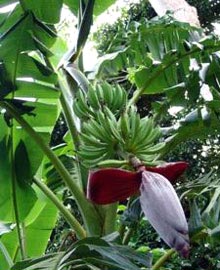
Local Name : Banana plantain Active Constituent : Fixed Oil & 4 -- Methyl Sterol Ketone

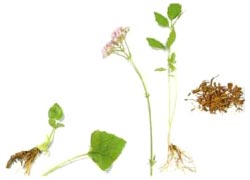
Local Name : Buck wheat Parts of use : leaves, flowers & seeds Medicinal Uses : Internally -- varicose veins, chilblains, sponteneous bruising, frostbite, radiation damage, retinal haemorrhage & hypertension.
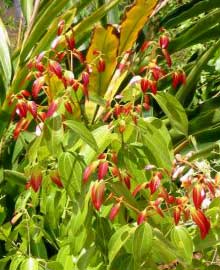
Descriptions :This evergreen has lobbed leaves with a rust-colored fuzzy surface on the underside. Cymes of small white flowers are followed by fruit containing the candle-nuts.The name refers to primitive candles made from the oily nuts which are threaded on to palm leaf ribs. Parts of use :The leaves. Medicinal Uses :The candle nut seed yields drying oils for hair loss, calloused skin, and constipation, while the bark relieves dysentry.The pulped kernel and boiled leaves are prescribed for headaches , ulcers, and swollen loints.The treated nut is cooked in indonesian curries.The oil is used in wood preservatives, batik work, and soap.
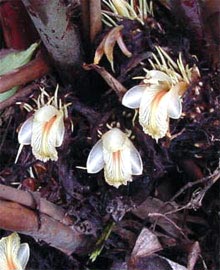
Local Name : Large cardamom Parts of use : Seeds Medicinal Uses : Internally for Digestive disturbances. Active Constituent : Volatile Oil (Rich in Cineole).
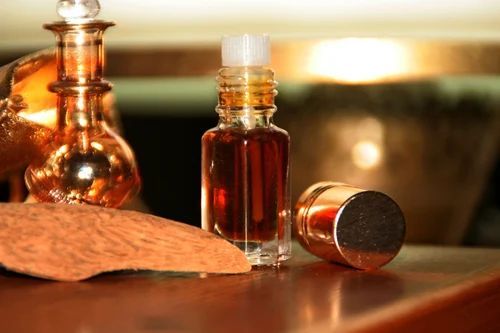
Local Name : Argarwood, Aloewood, Eagle wood. Parts of use : Bark, wood, resin Medicinal Uses : Internally for digestive & bronchial complaints, fevers, rheumatism. Active Constituent : Essential Oil
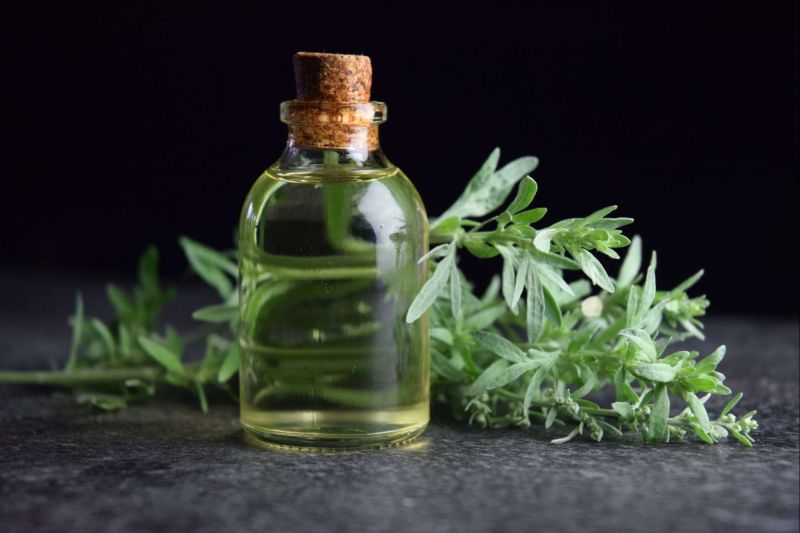
Local Name : Indhana Worm wood Descriptions : Artimisia Absinthuim ia a vermifuge, effective against roundworm and threadworm, but toxic in high doses. Parts of use : Sage-green leaves. Medicinal Uses : A leaf and flowering top infusion is a tonic for the digestive system, liver, gall-bladder and blood, reducing inflammation and clearing impurities. The plant treats fevers, expels, worms, and reduces the toxicity of lead poisoning. Active Constituent : Artimisin, Oil lower Part.
Local Name :Turmeric Parts of use :The rhizomes and flesh.
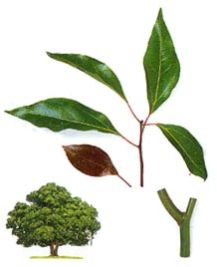
Local Name :Karpoor Medicinal Uses :Diarrhea, nervousness, muscular pain, fever
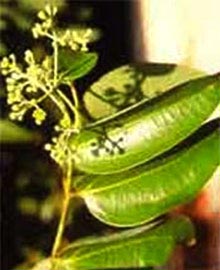
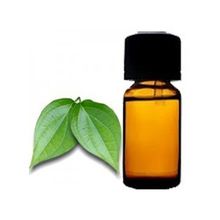
Local Name :Indian Bay-leaf, Tejpatra(Hindi) Parts of use : Leaves Medicinal Uses :Diarrhea, nervousness, muscular pain, fever Active Constituent : Essential Oils (d - phellandrene & eugenol).
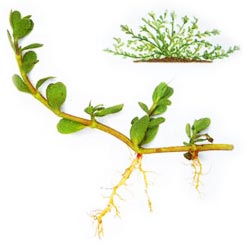
Local Name:Brahmi Parts of use :Rounded, obovate leaves. root. Medicinal Uses : Improvement of memory, nervine tonic, diuretic, sedative, impotence, premature ejaculation. kidney-related backache, uterine fertility problems, irregular menstruation, and rheumatism. Active Constituent : Alkaloids.
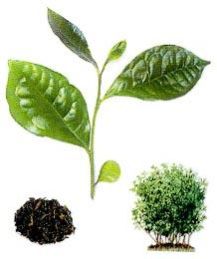
Local Name : Arnica Descriptions : Evergreen shrub clipped to 1.5m in cultivation, with leathery dark green leaves and fragrant white flowers. Parts of use : The leaves, buds. Medicinal Uses : Tea contains xanthines, caffeine (1-5%), theobromine, tannins including polyphenols, flavonoids, fats and vitamin C. Green tea contains significant amounts of polyphenols; black tea, which is produced by fermentation, has lower levels. Due to its astringency it is useful in digestive infections and as a nerve tonic. A strong brew may be used to soothe irritated eyelids, insect stings, swellings and sunburn. The caffeine may help to relieve headaches. Green tea is a healthier drink and its strong antioxidant activity due to polyphenols gives the leaf potential as a cancer preventative. The oil extracted from the seeds is used for flavour and aroma.
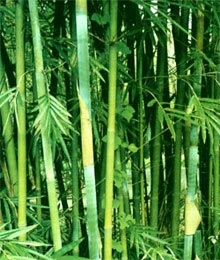
Local Name : Bamboo Leaf Parts of use : leaves, roots.
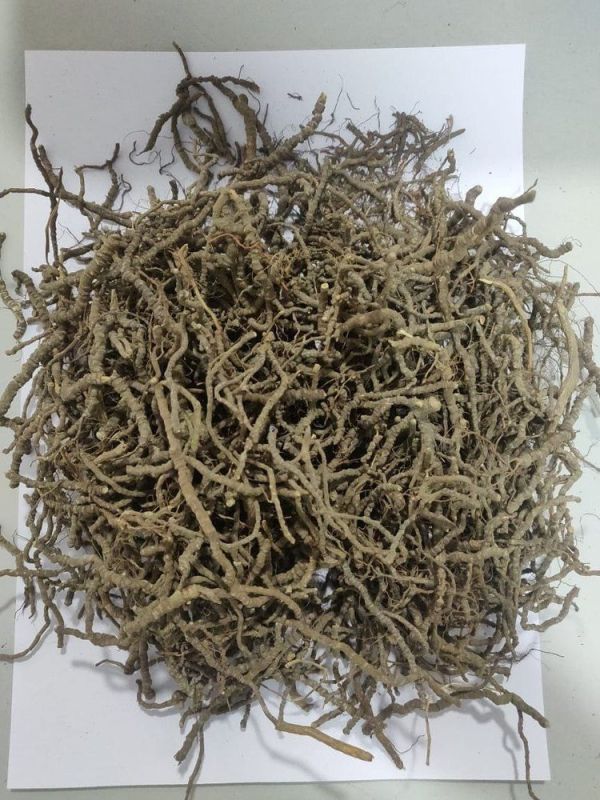
Local Name: Ipecac root Medicinal Uses : Internally- coughs, bronchitis, whooping cough & amoebic dysentery.
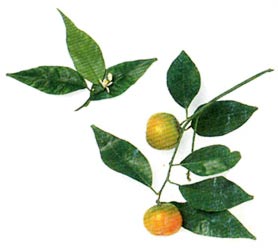
Local Name : Orange Peel Descriptions : Mandarin is a small spiny tree with loose-skinned, sweetfruit. Parts of use : Lanceolate leaves, fragrant white flower and Fruits. Medicinal Uses : The peel is used in Chinese medicine for chest pain, congestion and malaria.
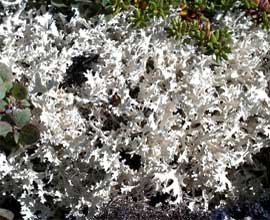
Local Name : Stone Flower Medicinal Uses : Diarrhea, nervousness, muscular pain, fever
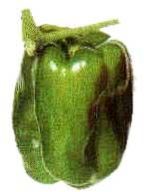
Descriptions : Chilli is the dried fruit of an annual subherb. It is also called as capsicum, paprika, sweet pepper, red pepper, pimento, cayenne pepper etc depending upon the manner in which it is prepared and used.Chilli comes in a wide range of shapes , sizes colour, and degrees of pungency. Parts of use : Fruits. Medicinal Uses : Chilli forms an indispensable culinary spice in several parts of the is aslo used in beverages and in the preparation of medicines.When ripe they are usually red, but may be yellow, cream or even purple black. They are healthy in moderate amounts, being a digestive stimulant and rich in vtamin c, but hot ones can raise blisters and cause inflammationsand painful swellings of the throat and tongue.
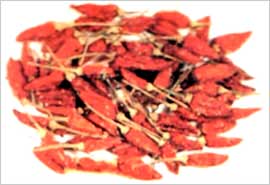
Local Name : Birds eye chilli Parts of use : fruits
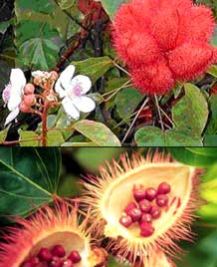
Local Name : Bixa or Lipsticks Tree
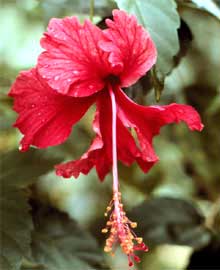
local Name : Choublac
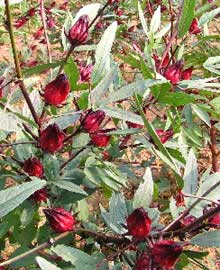
Local Name : ROSELLE or LEMONADE BUSH
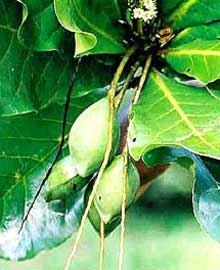
Local Name : Beleric Myrobalan, Bahera(Hindi). Parts of use : The whole plant. Medicinal Uses : Stimulant & antispasmodic. Active Constituent : Gallic Acid, tannic acid & glycosides.
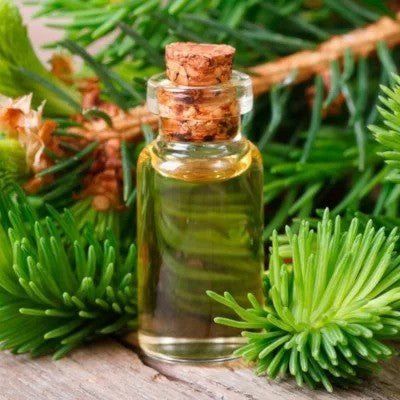
Botanical Name: Abies alba
Common Name: Silver Fir, European Fir
Part Used: Needles and young twigs
Extraction Method: Steam distillation
Appearance: Clear to pale yellow liquid
Odor: Fresh, woody, crisp pine-like scent
Main Components: Bornyl acetate, camphene, -pinene, limonene, -pinene
Purity: 100% pure essential oil (unless specified otherwise)
Solubility: Insoluble in water, soluble in alcohol and oils
Specific Gravity: 0.870 0.930 @ 20C
Refractive Index: 1.460 1.480 @ 20C
Flash Point: > 45C
Shelf Life: 23 years (when stored in a cool, dark, dry place)
Storage: In airtight amber glass or aluminum containers, away from direct sunlight
Uses: Aromatherapy, respiratory relief, muscle relaxation, antiseptic formulations, cosmetics, and personal care products
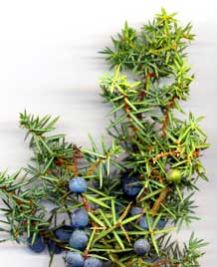
Botanical Name: Juniperus communis
Common Name: Common Juniper
Plant Type: Evergreen shrub or small coniferous tree
Foliage: Needle-like, sharp, green leaves
Plant Height: 0.5 to 5 meters (varies by variety and pruning)
Spread: 1 to 3 meters
Growth Habit: Upright or spreading
Sunlight Requirement: Full sun
Soil Type: Well-drained, sandy or rocky soil; tolerates poor soil
Water Requirement: Low to moderate; drought-tolerant once established
Climate Suitability: Cold to temperate zones (hardy to -40C)
Propagation: Seeds or semi-hardwood cuttings
Berry Type: Fleshy cones (often called juniper berries), green when immature, turn blue-black when mature
Berry Maturation: 18 months (used in flavoring, especially gin)
Aromatic Compounds: Rich in essential oils (-pinene, limonene, myrcene)
Uses: Ornamental landscaping, essential oil extraction, traditional medicine, flavoring agent
Lifespan: Up to 200 years in natural conditions
Maintenance: Low; prefers open, airy space with good drainage
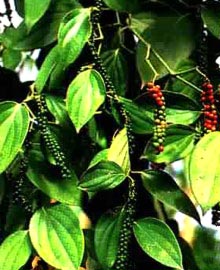
Botanical Name: Piper nigrum
Common Name: Black Pepper Plant
Plant Type: Perennial climbing vine
Stem Type: Woody climber with aerial roots
Leaf Color: Dark green, glossy
Leaf Size: 815 cm long, ovate shape
Fruit Type: Drupe (peppercorn)
Fruit Color (Unripe): Green
Fruit Size: 35 mm diameter
Sunlight Requirement: Partial shade to full sun
Soil Type: Well-drained loamy soil, rich in organic matter
Water Requirement: Moderate, with good drainage
Temperature Range: 20C to 35C
Humidity: High humidity (6090%)
Propagation: Cuttings or rooted nodes
Time to First Harvest: 2.5 to 3 years
Yield (Mature Plant): 1 to 3 kg dry pepper annually
Applications: Spice production, medicinal use, essential oil extraction
Support Required: Grown with live or concrete standards for climbing
Lifespan: 1520 years with proper care
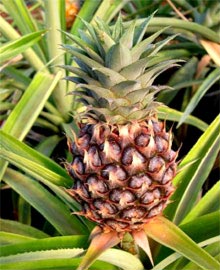
Botanical Name: Ananas comosus
Common Name: Pineapple Plant
Plant Type: Tropical, perennial herb
Family: Bromeliaceae
Plant Height: 60120 cm
Leaf Type: Long, stiff, sword-shaped leaves with spiny edges
Leaf Length: 50100 cm
Color: Green to gray-green
Fruit Type: Compound fruit (multiple berries fused together)
Fruit Size: 1030 cm length, 12.5 kg weight (average)
Sunlight Requirement: Full sun (68 hours daily)
Soil Type: Well-drained sandy loam, slightly acidic (pH 4.56.5)
Water Requirement: Moderate; avoid waterlogging
Temperature Range: 18C to 35C
Propagation: Suckers, slips, or crown of fruit
Time to Fruit: 1624 months after planting
Applications: Edible fruit, juice, enzymes (bromelain), food processing, cosmetics
Harvest Season: Varies by region, typically once a year
Storage: Cool, dry place; harvested fruit can be refrigerated
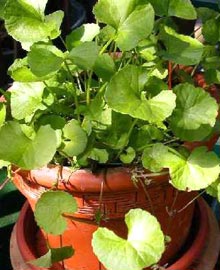
Botanical Name: Centella asiatica
Plant Type: Herbaceous, perennial creeper
Color: Green leaves with rounded or kidney-shaped margins
Leaf Size: 25 cm diameter
Plant Height: 1030 cm
Growth Habit: Low-growing, spreading ground cover
Sunlight Requirement: Partial to full sun
Water Requirement: Moderate to high; prefers moist soil
Soil Type: Rich, well-drained loamy or sandy soil
Temperature Range: 20C to 35C
Propagation: Through seeds or stem cuttings
Harvest Time: 90120 days after planting
Active Compounds: Asiaticoside, Madecassoside, Brahmoside, Triterpenoids
Applications: Ayurvedic medicine, skincare, brain tonics, wound healing, cosmetic and pharmaceutical uses
Storage: Fresh or shade-dried leaves; store in cool, dry place
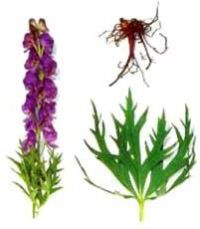
Local Name : Aconite Wolf's Bane Parts of use : Roots, flowers and leaves Medicinal Uses : It is used as a treatment for digestive and liver problems. The herb also inhibits blood clotting, relieves inflammatory conditions and helps lower cholesterol levels. When applied to skin and exposed to sunlight it is a strong antibacterial agent. It is also a strong antioxidant. It also lowers cholesterol levels and is a preventative remedy for cancer. It is also a protection against thickening of blood.
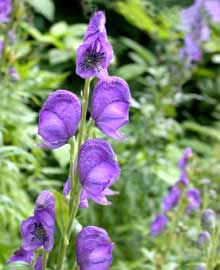
We are Offering Aconitum Ferox Local Name Indian Aconote, Monks Hood . for More Detail Contect Us.
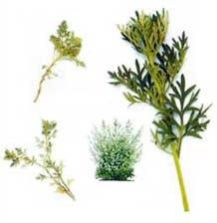
Local Name : Indhana Worm wood Descriptions : Artimisia Absinthuim ia a vermifuge, effective against roundworm and threadworm, but toxic in high doses. Parts of use : Sage-green leaves. Medicinal Uses : A leaf and flowering top infusion is a tonic for the digestive system, liver, gall-bladder and blood, reducing inflammation and clearing impurities. The plant treats fevers, expels, worms, and reduces the toxicity of lead poisoning. Active Constituent : Artimisin, Oil lower Part.
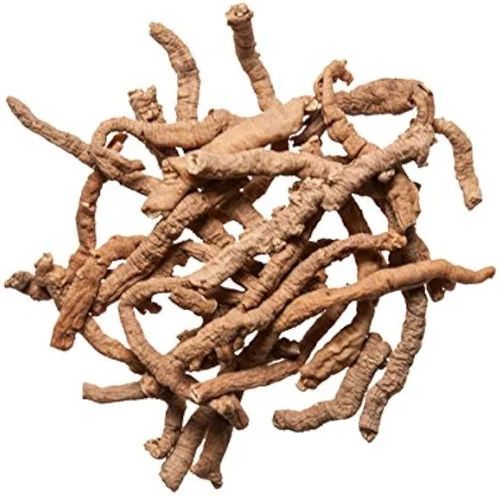
Botanical Name: Cephaelis ipecacuanha (also known as Psychotria ipecacuanha)
Common Name: Ipecac Root / Ipecacuanha
Form: Dried Root
Color: Brownish to Reddish Brown
Shape: Twisted, knotted roots
Taste: Bitter and acrid
Aroma: Earthy, faintly aromatic
Purity: 95% and above
Moisture Content: Below 10%
Active Compounds: Emetine, Cephaeline, Psychotrine
Usage/Application: Herbal medicine, emetic, expectorant, antiprotozoal
Shelf Life: 2 years (in ideal storage)
Packaging Type: HDPE Bag / Kraft Pouch / Custom
Packaging Size: 100 g / 500 g / 1 kg / Bulk
Cultivation Type: Wild-harvested / Cultivated (as applicable)
Processing Type: Naturally dried
Storage Condition: Cool, dry place, away from sunlight
Country of Origin: India
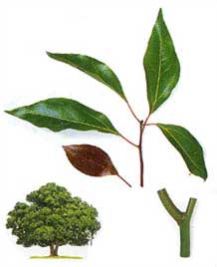
Botanical Name: Cinnamomum camphora
Common Name: Kapoor Tree / Camphor Tree / Green Camphor Plant
Plant Type: Live Medicinal/Aromatic Plant
Plant Height: 1 ft to 3 ft (at time of dispatch)
Leaf Color: Bright to Dark Green
Stem Type: Woody
Aroma: Strong camphor-like fragrance
Soil Requirement: Well-drained loamy soil
Watering: Moderate, avoid waterlogging
Sunlight Requirement: Full sunlight to partial shade
Growth Rate: Medium to fast
Usage/Application: Camphor oil extraction, air purification, ornamental, traditional medicine
Temperature Tolerance: 15C to 40C
Packaging Type: Polybag or nursery pot with protective wrapping
Pot Included: Optional / As specified
Plant Age: 3 months to 6 months
Country of Origin: India
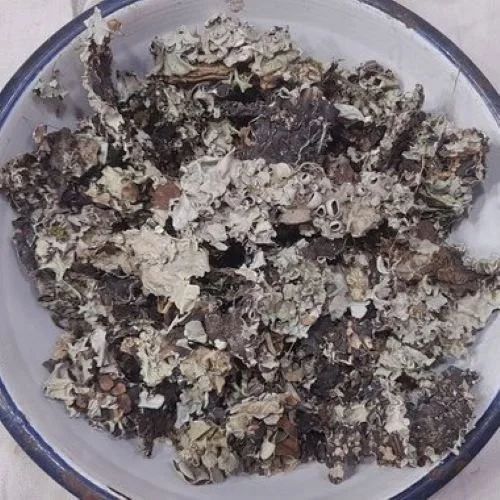
Product Name: Black Stone Flower
Botanical Name: Parmotrema Perlatum
Common Name: Kalpasi / Dagad Phool / Patthar ke Phool
Form: Dried Whole Lichen
Color: Dark Blackish-Grey to Brown
Texture: Dry, Papery, Flaky
Aroma: Smoky, earthy (enhanced upon roasting)
Taste: Mild, woody, slightly bitter
Purity: 95% and above
Moisture Content: Below 12%
Usage/Application: Spice mix (e.g., garam masala), South Indian and Mughlai cuisines, Ayurvedic preparations
Shelf Life: 1218 months
Packaging Type: PP Bag / Pouch / Jute Bag
Packaging Size: 250 g / 500 g / 1 kg / 25 kg
Processing Type: Naturally dried
Cultivation Type: Wild-harvested
Storage Condition: Cool, dry place, airtight container
Country of Origin: India
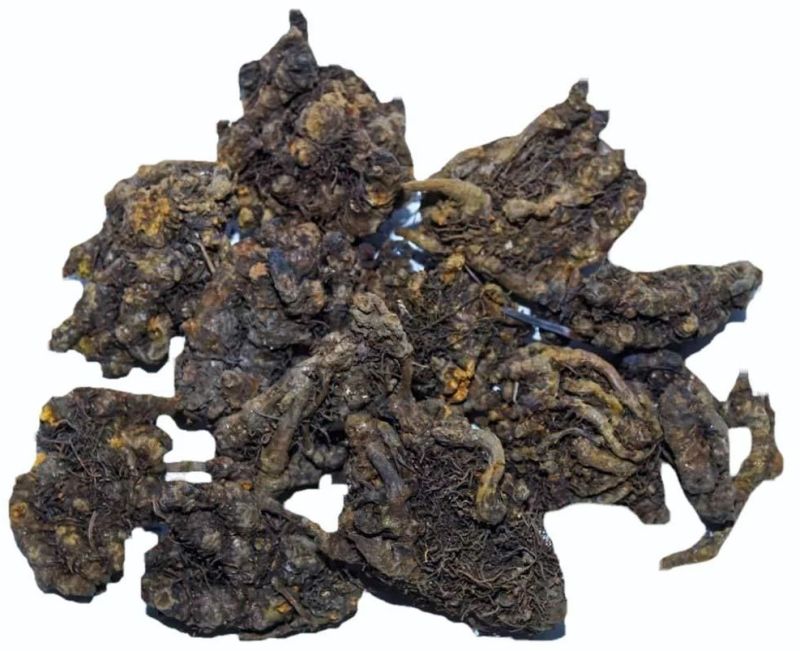
Botanical Name: Coptis Teeta
Common Name: Mamira / Mishmi Teeta / Indian Goldthread
Grade: A Grade (if applicable)
Form: Dried Root
Color: Yellowish to Golden Brown
Taste: Extremely bitter
Aroma: Mild herbal
Purity: 95% and above
Moisture Content: Below 10%
Active Compounds: Berberine, Coptisine, Palmatine
Usage/Application: Traditional medicine, eye ailments, liver disorders, digestive tonic
Shelf Life: Up to 24 months
Packaging Type: PP Bag / Vacuum Pack / Pouch
Packaging Size: 100 g / 250 g / 500 g / 1 kg / Bulk
Cultivation Type: Wild-harvested / Organic (as applicable)
Processing Type: Sun-dried / Naturally dried
Storage Condition: Cool, dry place, away from direct sunlight
Country of Origin: India (primarily Arunachal Pradesh region)
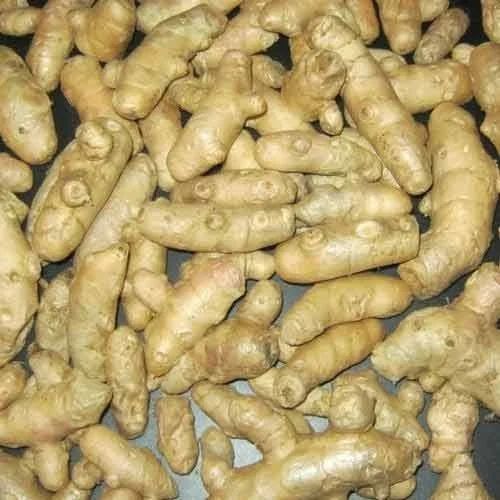
Common Name: White Turmeric / Zedoary
Botanical Name: Curcuma Zedoaria
Form: Whole / Dried Slices / Powder
Color: Pale yellow (inside), brownish (outside)
Aroma: Strong, camphor-like
Taste: Bitter and spicy
Usage/Application: Ayurvedic medicine, herbal formulations, perfumery, food flavoring
Purity: 95% and above (depending on form)
Moisture Content: Below 12% (for dried form)
Shelf Life: 1224 months
Packaging Type: Plastic Bag / Gunny Bag / PP Bag
Packaging Size: 5 kg / 10 kg / 25 kg / 50 kg
Cultivation Type: Organic / Conventional
Storage Condition: Cool, dry place away from sunlight
Country of Origin: India
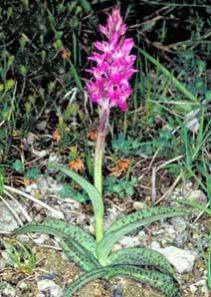
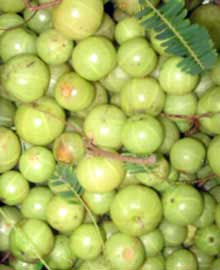
Common Name: Amla / Indian Gooseberry
Grade: A Grade
Type: Fresh / Dried (specify as needed)
Color: Green to yellow-green
Size: Medium to Large
Shape: Round, slightly flattened
Taste: Sour and astringent
Moisture Content: Low (for dried) / High (for fresh)
Purity: 98% and above (if applicable)
Usage/Application: Herbal medicine, Ayurvedic formulations, food and beverage, cosmetics
Packaging Type: PP Bag / Gunny Bag / Custom
Packaging Size: 5 kg / 10 kg / 25 kg / 50 kg
Shelf Life: Up to 12 months (dried), 710 days (fresh)
Cultivation Type: Organic / Conventional (as applicable)
Drying Process: Sun-dried / Machine-dried (for dried form)
Storage Condition: Cool and dry place
Country of Origin: India
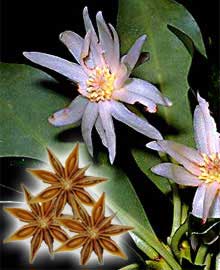
Botanical Name: Illicium griffithii
Common Name: Griffiths Star Anise
Key Features:
Illicium griffithii is native to parts of Northeast India and Southeast Asia. It is an evergreen shrub or small tree, valued for its fragrant star-shaped fruit used in traditional medicine and perfumery. Though it resembles the culinary star anise (Illicium verum), Illicium griffithii is primarily ornamental and medicinal rather than a cooking spice.
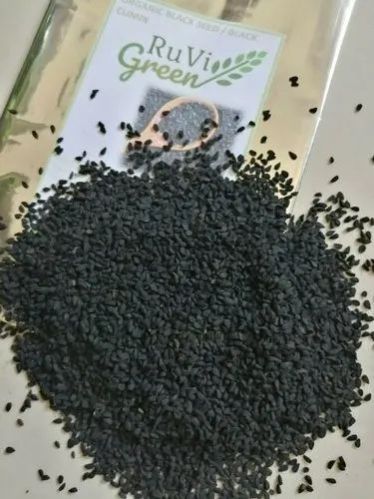
Botanical Name: Nigella sativa
Common Names: Kalonji, Black Cumin, Black Seeds
Form: Whole dried seeds
Color: Black
Size: 23 mm
Aroma: Strong, slightly bitter, peppery
Moisture Content: 10%
Purity: 99%
Oil Content: 30%40% (approx.)
Active Compounds: Thymoquinone, Nigellone, Fixed oils, Essential oils
Shelf Life: 1218 months in dry, cool conditions
Storage: Airtight container, away from moisture and sunlight
Uses: Culinary spice, traditional medicine, oil extraction, cosmetic applications
Standards: FSSAI / USDA Organic / ISO certified (as applicable)
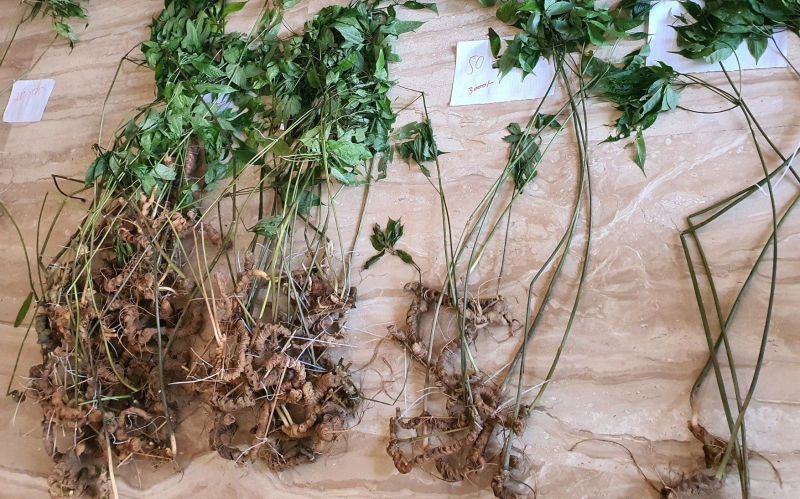
Panax wild ginseng roots are thick, tan to light brown, fork-shaped roots harvested from mature wild ginseng plants typically aged 5 to 10 years or more. Rich in ginsenosides, polysaccharides, and antioxidants, these roots are prized for their adaptogenic, immune-boosting, and energy-enhancing properties. Traditionally used in herbal medicine to combat fatigue, improve cognitive function, balance hormones, and strengthen the bodys stress response. The roots are available in whole dried, sliced, or powdered form and are packed in airtight, moisture-proof containers to maintain quality and medicinal value.
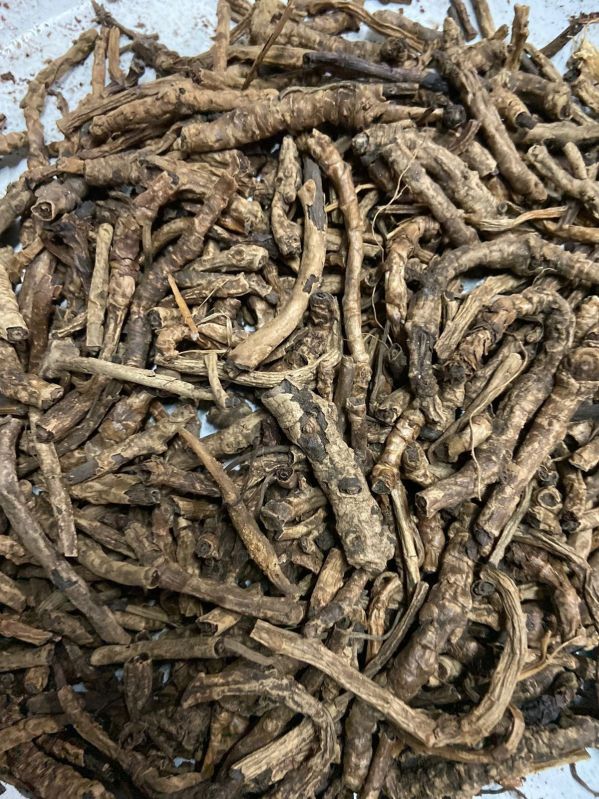
Picrorhiza kurroa root, also known as Kutki, is a bitter, fibrous root obtained from a small perennial herb native to the Himalayan region. The root is grayish-brown in color and contains active constituents like kutkin, picroside I and II, and apocynin. It is highly valued in Ayurveda and traditional medicine for its hepatoprotective, anti-inflammatory, and antioxidant properties. Used primarily to support liver health, treat jaundice, indigestion, and boost immunity. Available in dried sliced or powdered form, it is stored in moisture-resistant, airtight packaging to retain potency and prevent contamination.

Green Chadila, commonly known as Oak Moss, is a type of lichen that grows primarily on oak trees in temperate forests. It appears as a greenish, moss-like material with a slightly leathery texture and earthy, woody aroma. Oak Moss contains compounds like atranol and chloroatranol and is widely used in perfumery, incense, and traditional medicine. It has antimicrobial, anti-inflammatory, and aromatic properties. Typically used in dried or powdered form, it is packed in airtight, moisture-resistant bags or pouches to preserve fragrance and quality.
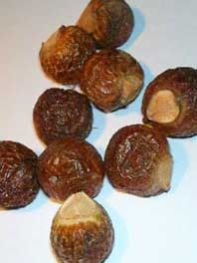
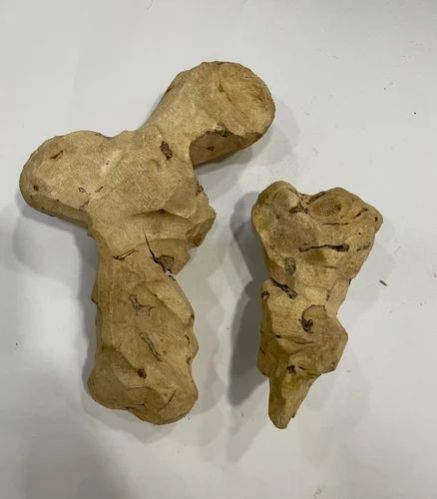
Smilax china root is obtained from the Smilax china plant, a woody, perennial climbing shrub native to East Asia. The root is thick, tuberous, and pale to reddish-brown in color with a slightly bitter taste and earthy aroma. It is traditionally used in Chinese medicine for its detoxifying, anti-inflammatory, and diuretic properties. The root contains active compounds like saponins, flavonoids, and phytosterols. Typically used in powdered, sliced, or dried whole form. It is effective in treating joint pain, skin disorders, and urinary tract infections. The root is packed in moisture-resistant bags or food-grade containers and is suitable for use in herbal supplements, traditional medicine, and therapeutic teas.
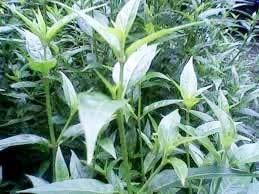
Swertia chirata, commonly known as Chirata, is an annual or biennial herb belonging to the Gentianaceae family. It typically grows 1 to 1.5 meters tall and features a straight stem with opposite, lanceolate leaves and small purple flowers. Native to the temperate Himalayan regions at altitudes of 1, 200 to 3, 000 meters, it prefers cool climates and well-drained, moist soil with partial to full sunlight. The plant is propagated by seeds and harvested during the flowering stage. Entire aerial parts are used in traditional medicine for their bitter tonic, antipyretic, anti-inflammatory, and hepatoprotective properties. Widely used in Ayurveda, Unani, and Siddha systems to treat fever, liver disorders, and skin diseases. Suitable for cultivation in hilly or mountainous regions for herbal and pharmaceutical applications.
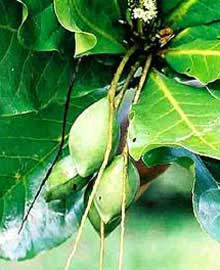
Terminalia bellirica, commonly known as Baheda or Bibhitaki, is a large deciduous tree belonging to the Combretaceae family. It can grow up to 30 meters in height and features broad, oval-shaped leaves and greenish-yellow flowers. The tree produces large, smooth, ovoid fruits that turn greyish when dry. Native to South Asia, it thrives in tropical and subtropical climates, preferring well-drained loamy or sandy soils with full to partial sunlight. The tree is propagated by seeds and takes several years to mature. Its fruits are rich in tannins and are widely used in Ayurveda, especially in formulations like Triphala, for their laxative, antimicrobial, and rejuvenating properties. Ideal for plantations focused on medicinal and reforestation purposes
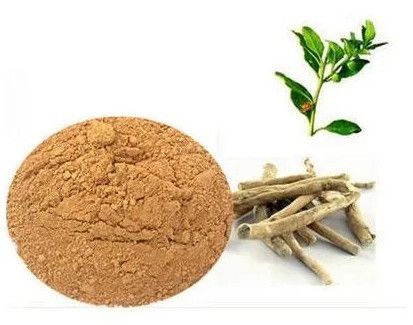
Thalictrum foliolosum extract is a natural herbal extract obtained from the roots of the Thalictrum foliolosum plant, commonly found in the Himalayan regions. It appears as a brown to dark brown powder with a characteristic bitter taste and earthy odor. The extract contains bioactive alkaloids such as berberine and magnoflorine. It is traditionally used in Ayurvedic and Unani medicine for its antimicrobial, anti-inflammatory, antipyretic, and digestive benefits. The extract is typically water-soluble or partially soluble in ethanol and is used in powder form. Commonly packed in moisture-proof, airtight containers or food-grade drums. Suitable for application in herbal medicine formulations, tonics, and health supplements.
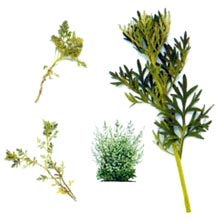
Artemisia absinthium, commonly known as Wormwood, is a hardy, herbaceous perennial plant from the Asteraceae family. It grows to a height of 60 to 120 centimeters and features finely divided, silvery-green leaves with a strong, aromatic scent. The plant prefers temperate climates and thrives in well-drained, slightly alkaline to neutral soils under full sun exposure. It is drought-tolerant and grows well in poor, dry soils. Wormwood is typically propagated by seeds, cuttings, or root division. It blooms small yellowish flowers in late summer. Traditionally used in herbal medicine, vermifuge preparations, and as a bittering agent in liqueurs like absinthe. The plant contains compounds like thujone and is known for its strong antimicrobial and digestive properties. Ideal for medicinal gardens and ornamental herb borders.
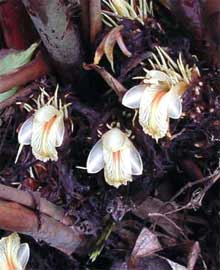
Amomum subulatum, commonly known as Large Cardamom or Black Cardamom, is a perennial herbaceous plant belonging to the Zingiberaceae family. It thrives in cool, humid, subtropical climates and typically prefers partial to filtered sunlight rather than full sun exposure, as too much direct sunlight may damage the plant. It grows best at altitudes of 800 to 2, 000 meters in well-drained loamy soil rich in organic matter. The plant reaches a height of 1.5 to 2 meters and has long, lance-shaped leaves. It is propagated mainly by rhizome division. Flowering begins in the second year, and seed capsules are harvested after about 3 years. The fruits are aromatic, dark brown to black, and used as a spice in culinary and traditional medicinal applications. Ideal for plantation under tree shade or agroforestry systems

Carum carvi, commonly known as Caraway, is a biennial herbaceous plant belonging to the Apiaceae family. It typically grows up to 6090 cm tall and has finely divided, feathery leaves with small white or pink flowers arranged in umbels. The plant prefers cool climates and thrives in well-drained loamy or sandy soil with a neutral to slightly alkaline pH. It requires full sunlight and regular watering during the growing season. Caraway is usually propagated by seeds and completes its life cycle in two years, flowering and fruiting in the second year. The crescent-shaped seeds are highly aromatic and used as spice in culinary and medicinal applications. The plant is also grown for essential oil extraction. Suitable for herb gardens and commercial spice cultivation.
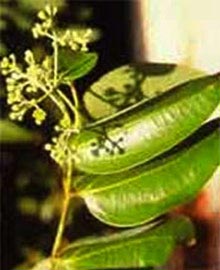
Cinnamomum tamala, commonly known as Tejpatta or Indian Bay Leaf plant, is a tropical evergreen tree belonging to the Lauraceae family. It typically grows 6 to 12 meters in height and produces aromatic leaves used as a spice in cooking and herbal medicine. The plant prefers subtropical to temperate climates with well-drained loamy or clay soils. It thrives in partial to full sunlight and requires moderate watering. Leaves are elliptical, leathery, and emit a cinnamon-like aroma when crushed. Propagation is usually done through seeds or root suckers. The plant begins yielding usable leaves in 3 to 4 years. Ideal for cultivation in herbal gardens, agroforestry, and spice plantations.
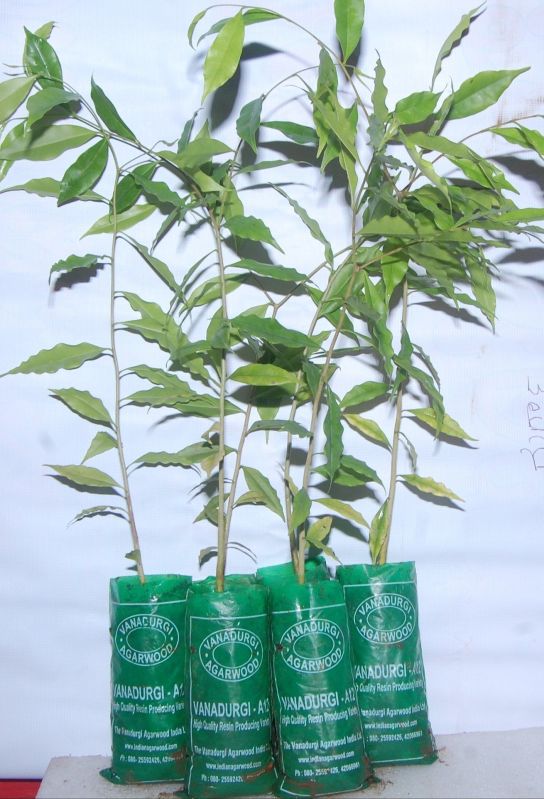
The Green Agarwood Naked Plant, scientifically known as Aquilaria malaccensis, is a tropical evergreen tree valued for producing aromatic resin (agarwood). The plant typically reaches a height of 6 to 20 meters at maturity. It grows well in warm, humid climates with well-drained sandy loam or lateritic soil. Optimal temperature ranges from 20C to 35C, with partial to full sunlight exposure. The "naked" variant refers to young, non-resin-bearing or resin-free plants suitable for plantation and cultivation. Watering should be regular but moderate, avoiding waterlogging. The plant is mainly propagated by seeds or stem cuttings. Resin formation usually begins after 6 to 8 years, often induced artificially. Ideal for commercial agarwood cultivation and reforestation purposes.
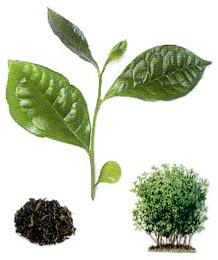
Camellia sinensis is a perennial evergreen shrub belonging to the Theaceae family, widely known as the source of green tea. The plant has dark green, glossy, serrated leaves that are typically 5 to 10 centimeters long and are harvested for tea production. It grows best in subtropical to tropical climates with well-drained, slightly acidic soils and thrives at elevations ranging from sea level up to 2, 000 meters. The plant prefers partial shade to full sunlight and requires consistent moisture with moderate rainfall. Ideal temperature for growth ranges from 13C to 30C. Camellia sinensis typically reaches a height of 1 to 2 meters when pruned for cultivation, although wild varieties may grow taller. Green tea is produced from young, unoxidized leaves that are quickly steamed or pan-fired after harvesting to preserve their natural color and nutrients. Rich in antioxidants, particularly catechins like EGCG, the plant is valued for its health benefits and mild, grassy flavor profile
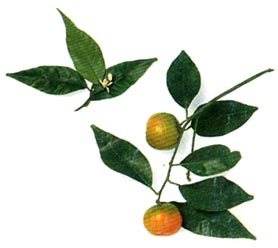
Citrus reticulata, commonly known as the Chinese orange or mandarin plant, is a small evergreen fruit-bearing tree. It belongs to the Rutaceae family and is known for its sweet, easy-to-peel fruits. The plant typically grows 2 to 4 meters in height and prefers tropical to subtropical climates. Leaves are glossy green and aromatic. It requires well-drained loamy soil with pH between 5.5 and 7.0. The plant thrives in full sunlight and needs moderate watering. It is propagated mainly through grafting or budding. Suitable for orchards, home gardens, and container gardening. Ideal planting time is during the monsoon or spring season. The plant bears fruit within 2 to 3 years under proper care
 R. K. Sinhal (Exports & Agencies)
 Milan Pally, Near Milan Samity Club, P.o. Siliguri, Dist. Darjeeling, Siliguri - 734005., West Bengal
 Share us via