Product Specifications
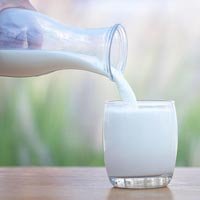
Milk is a nutrient-dense, opaque white liquid produced by the mammary glands of mammals, serving as the primary source of nutrition for their young. It is a complex emulsion of fat and protein in water, containing lactose (milk sugar), minerals, and vitamins.
Here are various descriptions of milk based on different perspectives:
1. Nutritional and Health-Focused Descriptions
"Nature's Ideal Food": Regarded as a nearly complete food, providing a rich source of calcium, phosphorus, magnesium, and protein, which are essential for bone growth and development throughout life.
High-Biological Value Protein: Contains all the essential amino acids that the body cannot produce on its own, aiding in tissue growth and repair.
Essential Minerals and Vitamins: Packed with vitamin B12 (for nerve health), riboflavin (for energy), and, when fortified, vitamin D (for calcium absorption).
Functional Hydration: An excellent choice for rehydration that also protects teeth, as it is non-cariogenic (does not cause cavities).
2. Physical and Chemical Descriptions
Complex Emulsion: Consists of about 87% water, with fat globules and proteins (casein) suspended in a solution of lactose and minerals.
Colloidal Suspension: Casein molecules form tiny structures called micelles, which scatter light and give milk its characteristic white, opaque appearance.
Mildly Sweet and Creamy: The natural flavor is mild and slightly sweet due to lactose, with a rich, creamy mouthfeel imparted by fat globules.
Variable Consistency: The consistency and color can vary based on the species (cow, buffalo, goat) and diet, with higher fat content resulting in a thicker texture and more yellowish tint.
3. Types of Milk and Processing Descriptions
Whole Milk: Contains at least 3.25% milkfat, preserving the natural fat content and flavor.
Reduced-Fat/Skim Milk: Processed to remove fat (2%, 1%, or less than 0.5% in skim), offering the same calcium and protein content with fewer calories.
Pasteurized Milk: Heated to destroy pathogenic bacteria, ensuring safety and extending shelf life.
Homogenized Milk: Forced through small openings under high pressure to distribute fat evenly, preventing a cream layer from forming and providing a smoother, whiter product.
UHT (Ultra High Temperature) Milk: Heated to high temperatures to allow for storage at room temperature for long periods until opened.
A2 Milk: Contains only the A2 type of
-casein protein, which some find easier to digest than the more common A1 type.
4. Culinary and Functional Descriptions
Essential Culinary Ingredient: A versatile base for savory sauces, creamy soups, and, due to its lactose and proteins, a crucial element in baking and coffee (latte).
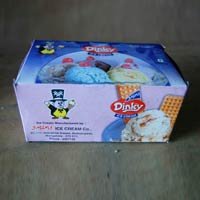
Raw Material for Dairy: The foundational ingredient for creating butter, cheese, yogurt, and ice cream.
Aqueous Solution: Acts as a carrier of nutrients in beverages like smoothies or hot cereal.
5. Cultural and Historical Descriptions
"White Blood": A historical term from the Middle Ages when milk was revered for its nourishment, sometimes mistakenly believed to be diverted from the womb.
"Virtuous Liquor": A medieval designation for milk, as it was often safer to consume than available water.
Versatile Dietary Staple: Consumed for thousands of years in various cultures, and a key component of traditional, vegetarian diets.



Company Information
 Member Since 1 Year
 Nature of Business Manufacturer
 Address srinidhism2007 gmail.com, Bengaluru, Karnataka, IN
 Number of Employees 6 - 20
Ask for more detail from the seller
Contact Supplier

Connect with us





 For Buyer
  For Seller
  Help
Help 
 Twitter
 WhatsApp
 Facebook
 Linkedin



 55 -
55 -