 1,200 - 51,035 / Piece
Company Information
 Member Since 11 Years
 Nature of Business Retailer
 GST No. 27**********ZC
Ask for more detail from the seller
Contact Supplier
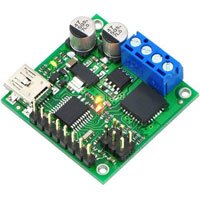
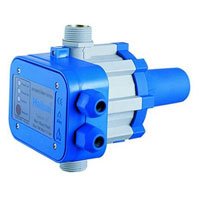
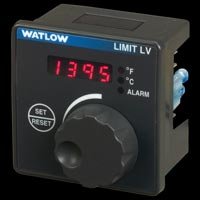
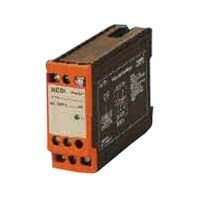
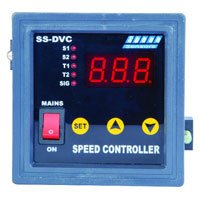
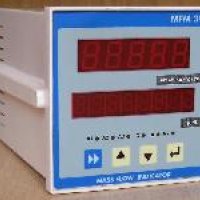
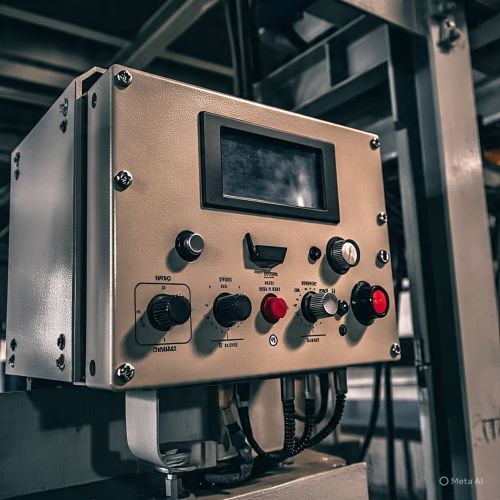
We are engaged in supplying of analog controller Benefits of Analog Controllers
No need for PLCs, HMIs, or programming
Quick deployment: Just wire and turn a knob or apply a signal
Smooth, noise-free operation: Especially when using filtered PWM
leelavati automation
Reliable in harsh environments: Less prone to digital EMI/ESD issues
analog motor controller is a device that regulates the operation of electric motors using continuous analog signals such as voltage (e.g., 0–10 V) or current (e.g., 4–20 mA). These controllers offer proportional, open-loop or closed-loop control over motor speed, torque, and direction without the need for digital programming or communication protocols.
Input Control Signals 0–10 V, ±10 V, 4–20 mA, potentiometer input
Output Modes PWM, linear voltage, or current to drive the motor
Direction Control Forward/reverse via discrete switch inputs or analog bias
Feedback Support Tachometer, encoder (in closed-loop variants)
Motor Types Supported DC brushed, DC brushless (BLDC), universal motors
Mounting DIN rail, panel-mount, or PCB embedded
Power Ratings From 12 V to 110 V DC (or up to 230 V AC input models)
Applications
Speed control of DC motors in conveyor belts, fans, pumps, and mixers
Manual or sensor-driven process control in HVAC, packaging lines
Retrofit or replacement of digital controllers in analog-only systems
leelavati automation
Adjustable lab or testing rigs with potentiometer speed dials
Controller Configurations
Parameter Common Options
Input Voltage 12 V, 24 V, 48 V, 110 V DC
Output Current 1 A – 30 A
Control Input 0–10 V, ±10 V, 4–20 mA, 5 kΩ pot
Output Type PWM or linear DC
Enclosure Open-frame or enclosed with heat sink
Safety Features Overcurrent, undervoltage, reverse polarity, thermal cutoff
Small DC (12–24 V


 10,000 / Piece




Connect with us





 For Buyer
  For Seller
  Help
Help 

 Chembur, Mumbai, Maharashtra
 Send Enquiry