 690 - 780 / Kilogram
Company Information
 Member Since 1 Year
 Nature of Business Manufacturer
Ask for more detail from the seller
Contact Supplier
*Black Ginger: The “Thai Ginseng” of Southeast Asia*
Black ginger, scientifically called _Kaempferia parviflora_, is a herbaceous plant from the ginger family _Zingiberaceae_. Despite the name, it’s not actually a type of common ginger _Zingiber officinale_. It’s native to tropical Southeast Asia, especially Thailand, Laos, Malaysia, Cambodia, Sumatra, and Borneo. In Thailand it’s known as _Krachai dum_, and for over 1,000 years Thai traditional medicine has prized it as both food and remedy.
*Appearance & Cultivation*
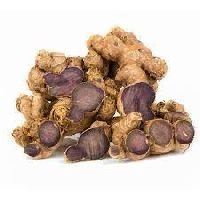
The plant grows about 3 feet tall with broad green leaves. The part used is the rhizome, or underground stem. Unlike yellow ginger or orange turmeric, black ginger rhizomes are dark purple to almost black inside. This color comes from high levels of anthocyanins and polymethoxyflavones. It thrives in warm, humid climates with well-drained soil. The Kulen Mountains of Cambodia are famous for producing high-quality black ginger due to cooler temps and frequent rainfall.
*Key Active Compounds*
What makes black ginger special are its polymethoxyflavones, or PMFs. These are a unique class of flavonoids not found in regular ginger. Major PMFs include 5,7-dimethoxyflavone, 3,5,7,3',4'-pentamethoxyflavone, and others. It also contains amino acids, selenium, antioxidants, essential oils, and terpenes. These compounds give black ginger most of its studied biological activity.
*Traditional Uses*
In Thai folk medicine, the dried rhizome is sliced and brewed into tea, soaked in liquor with honey, or ground into powder for capsules. Traditionally it’s used for inflammation, ulcers, gout, colic, abscesses, and as a general tonic. The Hmong hill tribe of northern Thailand uses it to enhance physical work capacity and reduce perceived effort during hard labor.
*Modern Research & Benefits*
Modern science has been catching up. Clinical and lab studies point to several areas:
1. *Energy & Physical Performance*: Black ginger extract improves exercise tolerance and endurance in mice by enhancing energy metabolism and substrate utilization in muscles and liver. Human studies report increased muscular endurance, grip strength, and reduced fatigue. It may stimulate mitochondrial biogenesis and activate AMPK pathways that regulate muscle protein synthesis.
2. *Circulation & Heart Health*: PMFs help regulate circadian rhythm and provide cardioprotective effects. It supports nitric oxide production, which relaxes blood vessels and improves blood flow. That’s why it’s often marketed for male vitality and sexual health.
3. *Metabolism & Weight*: The extract enhances glycogen storage in muscle and may inhibit fat accumulation by activating brown adipose tissue thermogenesis. It’s been studied for anti-obesity effects.
4. *Anti-inflammatory & Antioxidant*: PMFs are potent antioxidants. The plant shows strong anti-inflammatory activity, which supports its traditional use for pain and swelling.
5. *Other Areas*: Research also notes potential benefits for brain function, prostate health, blood sugar regulation, anti-tumor activity, and anti-aging.



 1,800 - 3,700/ Kilogram
 800 - 1,000/ Kilogram


 450 - 750/ Kilogram


Connect with us





 For Buyer
  For Seller
  Help
Help 

 Guwahati, Assam
  Send Enquiry