
Products / Services
  • Products / Services
  • Companies
  • Buy Leads
    Post Buy Requirement

    Corn Stem Powder

    ₹ 300 / Kilogram
    Get Latest Price
    • MOQ3 Ton
    • Sizes available8/100 mesh, 16/100 mesh, 30/100 mesh and all customization available
    • Supply TypeManufacturer, Exporter, Supplier
    • Preferred Buyer Location All over the world

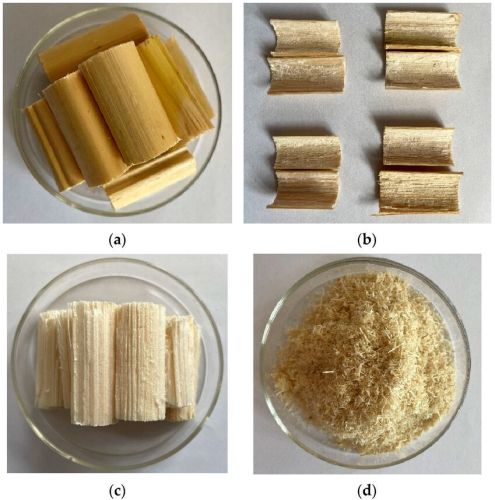
    Corn stalk has a high cellulose content, so that it is potential to be used as a composition for making alginate-carboxymethyl cellulose beads. Alginate and cellulose are biodegradable, renewable and....
    View More Details
    Send Enquiry

    Company Information

    • calendar Member Since 5 Years
    • building Nature of Business Manufacturer
    • gst icon GST No. 24ADXFS7651K1Z7

    Ask for more detail from the seller

    Contact Supplier
    Report incorrect details
    • Product Details

    • Company Details

    no_img_icon

    Corn stalk has a high cellulose content, so that it is potential to be used as a composition for making alginate-carboxymethyl cellulose beads. Alginate and cellulose are biodegradable, renewable and nonmeltable polymers that have wide applications in various industrial sectors.

    Corn stalk powder uses

    Corn stalk powder has a wide range of uses, including as livestock feed, biofuel, and a raw material for paper and building materials. Processing corn stalks into powder is a method of valorizing agricultural waste into high-value products


    Agricultural applications

    Animal feed

    • Feed pellets: Dried and pulverized corn stalks can be pressed into pellets to create feed for cattle, sheep, and other livestock. The pelletization process increases palatability and can kill pathogens.
    • Supplementation: Corn stalk powder can be added to cattle rations as a low-cost source of fiber. To increase digestibility and nutritional value, it can be treated with chemicals like calcium oxide or urea before being pelleted.


    Soil amendment and fertilizer  


    • Organic fertilizer: Corn stalks can be fermented with microbial agents to create organic fertilizers. Applying these biofertilizers can enrich soil with vital nutrients such as nitrogen, potassium, and phosphorus
    • Mulch and compost: Chipped or powdered corn stalks can be used as a garden mulch to cover the soil and retain moisture. When added to compost, they help create a nutrient-rich soil amendment.
    • Soil reclamation: Research shows that applying corn stalk biochar can improve the quality of hostile soils by increasing organic carbon, available nutrients, and water permeability.   


    Industrial and material production

    Biofuels

    • Ethanol: The high cellulose content of corn stalk powder makes it a suitable raw material for producing bioethanol, a cleaner-burning fuel alternative.
    • Biomass pellets: Torrefied corn stalk pellets can be used as a solid fuel source to replace fossil fuels like coal. These pellets have a high density, which improves their energy efficiency, storage, and transportation.
    • Bio-asphalt and bio-oil: Through processes like hydrothermal carbonization, corn stalk-derived hydrochar can be used as a modifier in asphalt pavement, offering improved performance and longevity. Bio-oil can also be produced via liquefaction.

    Building and composite materials  

    • Reinforcing fiber: As a lignocellulosic material, corn stalk powder can be used as a filler or reinforcing agent in composites, such as low-density polyethylene (LDPE).
    • Cement replacement: Cornstalk ash, a product of controlled burning, can be used as a partial cement replacement in concrete production.
    • Fiberboard and particleboard: The fibrous components of corn stalks can be processed into fiberboard and particleboard, offering a use for waste material.


    Paper and cellulose products

    • Pulp and paper: Corn stalks contain high levels of cellulose and low levels of lignin, making them a suitable non-wood source for papermaking. Fiber from the stalk is comparable in quality to hardwood.  
    • Cellulose composites: Cellulose extracted from corn stalk powder can be used as a raw material for various industrial applications, including the creation of biodegradable products. 

    Environmental remediation

    • Biosorbent: Dried corn stalk powder can function as a biosorbent to remove pollutants, such as heavy metals and radioactive iodine, from wastewater. Its chemical properties allow it to bind to contaminants through processes like ion-exchange.
    • Animal bedding: Ground corn stalks can serve as an absorbent and natural bedding material for livestock, especially when baled


    Share your requirements for a quick response!
    Tell us what you need?

    Looking for Corn Stem Powder?

    Quantity
    Seller Contact Details
    To list your productBoost Your Business Visibility WorldwideRegister Now
    To list your productBoost Your Business Visibility WorldwideRegister Now
    Waiting for permission
    To search by voice, go to your browser settings and allow access to microphone

    Allow microphone access to search with voice