Write a Review
Our Products
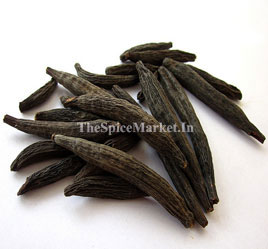
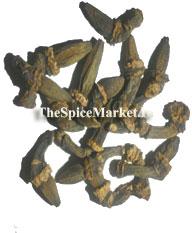
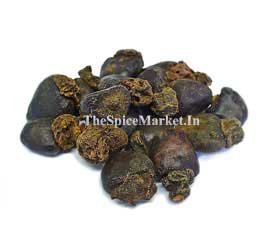
Leading Manufacturer, Supplier & Retailer of Earleaf Acacia Seeds, Adusa/Vasaka (Adhatoda), Palash Flower(Butea Monosperma), Punarnava Root (Saranai Ver) and Kapok Buds (Marathi Moggu).
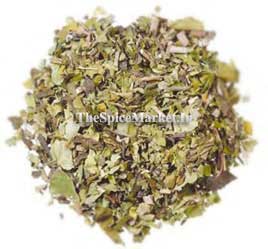
Justicia adhatoda, commonly known in English asMalabar nut, adulsa, adhatoda, vasa, or vasaka is a medicinal plant native to Asia, widely used in Siddha Medicine, Ayurvedic, homeopathy and Unani systems of medicine.
Malabar Nut/ Adhatoda is the main herb used in Ayurveda for respiratory ailments.
Health Benefits of Adhatoda:Adathoda Kasayam/Tea with honey reduces cough, cold, blood pressure, fever and tuberculosis.
Drinking adathoda kasayam/tea controls dysentery.
Its cures urinary retention.
Adathoda have more health benefits.
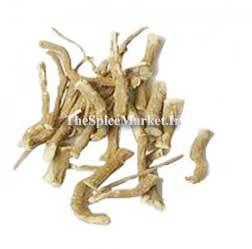
This is a miracle herb that we should all get to know as it has wonderful health benefits and medicinal uses.
Punarnava herb is a blood purifier it treats many diseases from skin allergies to constipation.
This plant is especially useful for treating all the disorders of the kidneys as it reduces the urea levels in the body very effectively. It also acts as a liver tonic and can be used to treat all the disorders of the liver.
Regular consumption of punarnava treats all the disorders of the eyes like night blindness, glaucoma and persistent irritation in the eyes. You can either take the root decoction or the dried root powder mixed with honey daily.
Regular use of this herb is said to give anatural glow and youthfulness to the skinas it purifies the blood.
Punarnava root water also can be used for treating skin allergies like itching, rashes, etc.
Side effects: This herb is best avoided by pregnant women.
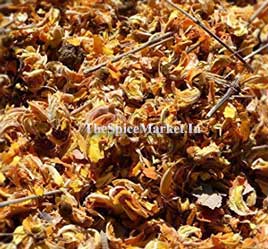
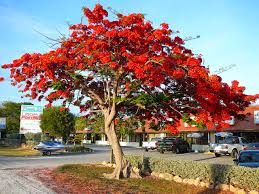
Palash flowers are used to remove body toxins. For this purpose dried or fresh flowers can be used. Take dried flowers and grind in mortar and pestle to make powder. Take 1 -2 gm daily. Sexual Dysfunction, Intestinal infection.
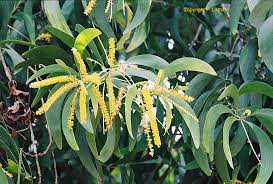
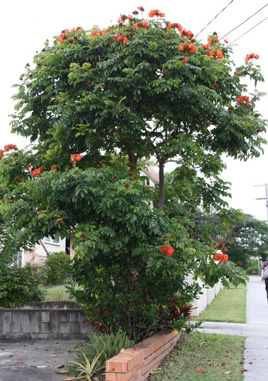
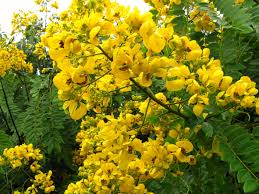
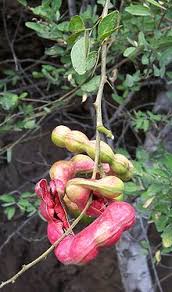
Earleaf acacia (Acacia auriculiformis) Acacia auriculiformis commonly known as Auri Earleaf acacia Earpod wattle Northern black wattle Papuan wattle Tan wattle is a fast-growing crooked gnarly tree in the family Fabaceae. It is native to Australia Indonesia and Papua New Guinea. It grows up to 30m tall. Acacia auriculiformis has about 47 000 seeds/kg. Uses It is widely used for its flower flowers leaves and fruits. This plant is raised as an ornamental plant as a shade tree and it is also raised on plantations for fuelwood throughout southeast Asia Oceania and in Sudan. Its wood is good for making paper furniture and tools. It contains tannin useful in animal hide tanning. In India its wood and charcoal are widely used for fuel. Gum from the tree is sold commercially but it is said not to be as useful as gum arabic.[1] The tree is used to make an analgesic by indigenous Australians. Extracts of Acacia auriculiformis heartwood inhibit fungi that attack wood. Functional uses Products Fodder: Not widely used as fodder but in India 1-year-old plantations are browsed by cattle. Apiculture: The flowers are a source of pollen for honey production. Fuel: A major source of firewood its dense wood and high energy (calorific value of 4500-4900 kcal/kg) contribute to its popularity. It provides very good charcoal that glows well with little smoke and does not spark. Fibre: The wood is extensively used for paper pulp. Plantation-grown trees have been found promising for the production of unbleached kraft pulp and high-quality neutral sulphite semi-chemical pulp. Large-scale plantations have already been established as in Kerala India for the production of pulp. Timber: The sapwood is yellow; the heartwood light brown to dark red straight grained and reasonably durable. The wood has a high basic density (500-650 kg/m) is fine-grained often attractively figured and finishes well. It is excellent for turnery articles toys carom coins chessmen and handicrafts. Also used for furniture joinery tool handles and for construction if trees of suitable girth are available. Tannin or dyestuff: The bark contains sufficient tannin (13-25%) for commercial exploitation and contains 6-14% of a natural dye suitable for the soga-batik industry. In India the bark is collected locally for use as tanning material. A natural dye used in the batik textile industry in Indonesia is also extracted from the bark. Other products: An edible mushroom Tylopylus fellus is common in plantations of A. auriculiformis in Thailand. Pests and diseases Damage by pests and diseases is minor. In Indonesia growth rate has been impaired by a rust fungus Uromyces digitatus; in India root rot caused by a fungus (Ganoderma lucidum) has been reported. A beetle (Sinoxylon spp.) can girdle young stems and branches causing them to break. The insect is of concern because the tree will develop multiple leaders if the main stem is damaged and the length of the bole will be reduced.
 The Spice Market (The Spice Market)
 7th Cross Maruthi Nagar, Madivala , Bangalore, Karnataka - 560068, India
 Share us via