 GST : 33AAIPN8819N1Z3
Our Product / Services
Our product range contains a wide range of Length Comparator, Cone Penetrometer, Digital Shore Durometer, Humidity/temperature Meter and Cyclic Corrosion Test Chambers
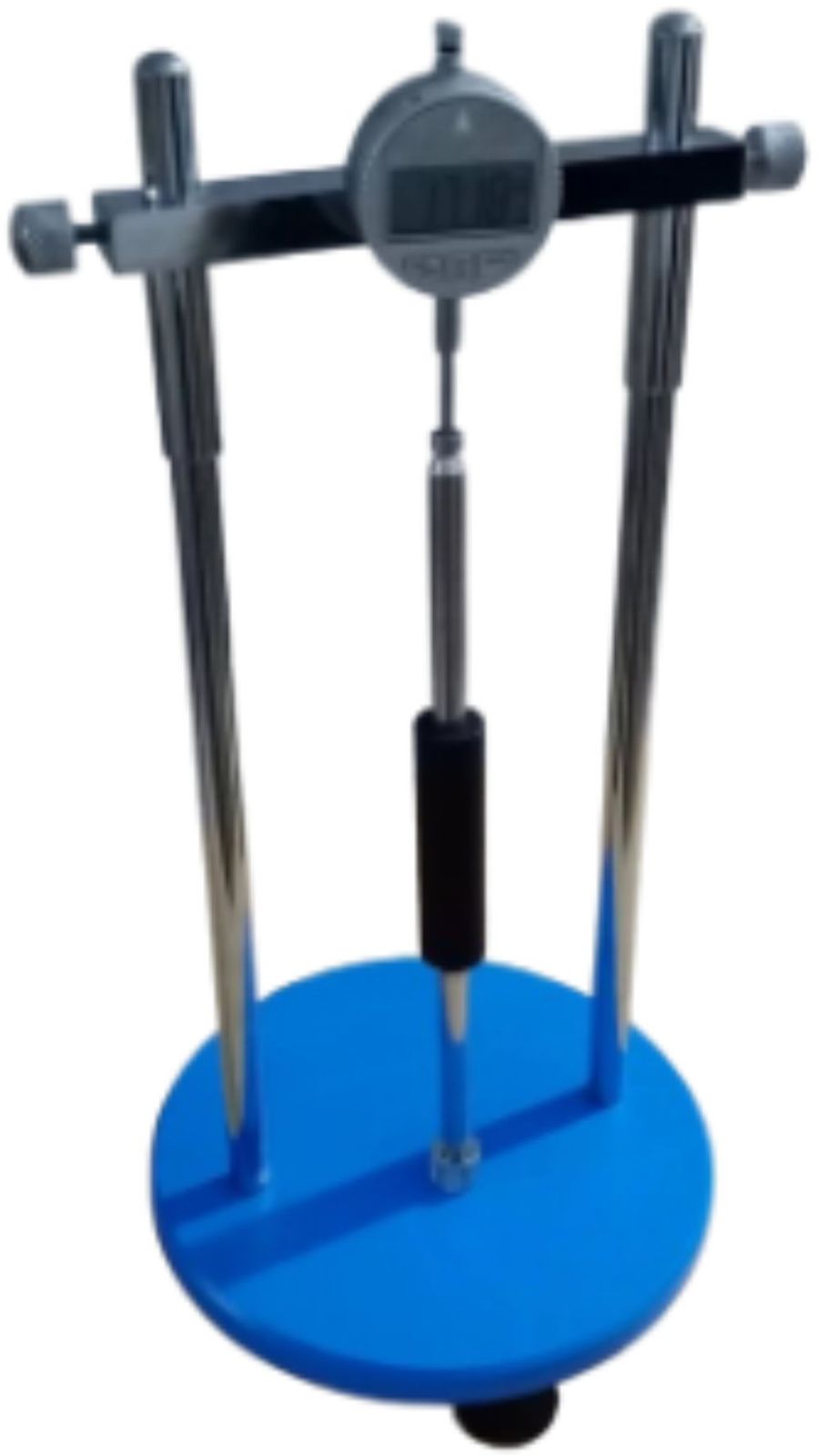
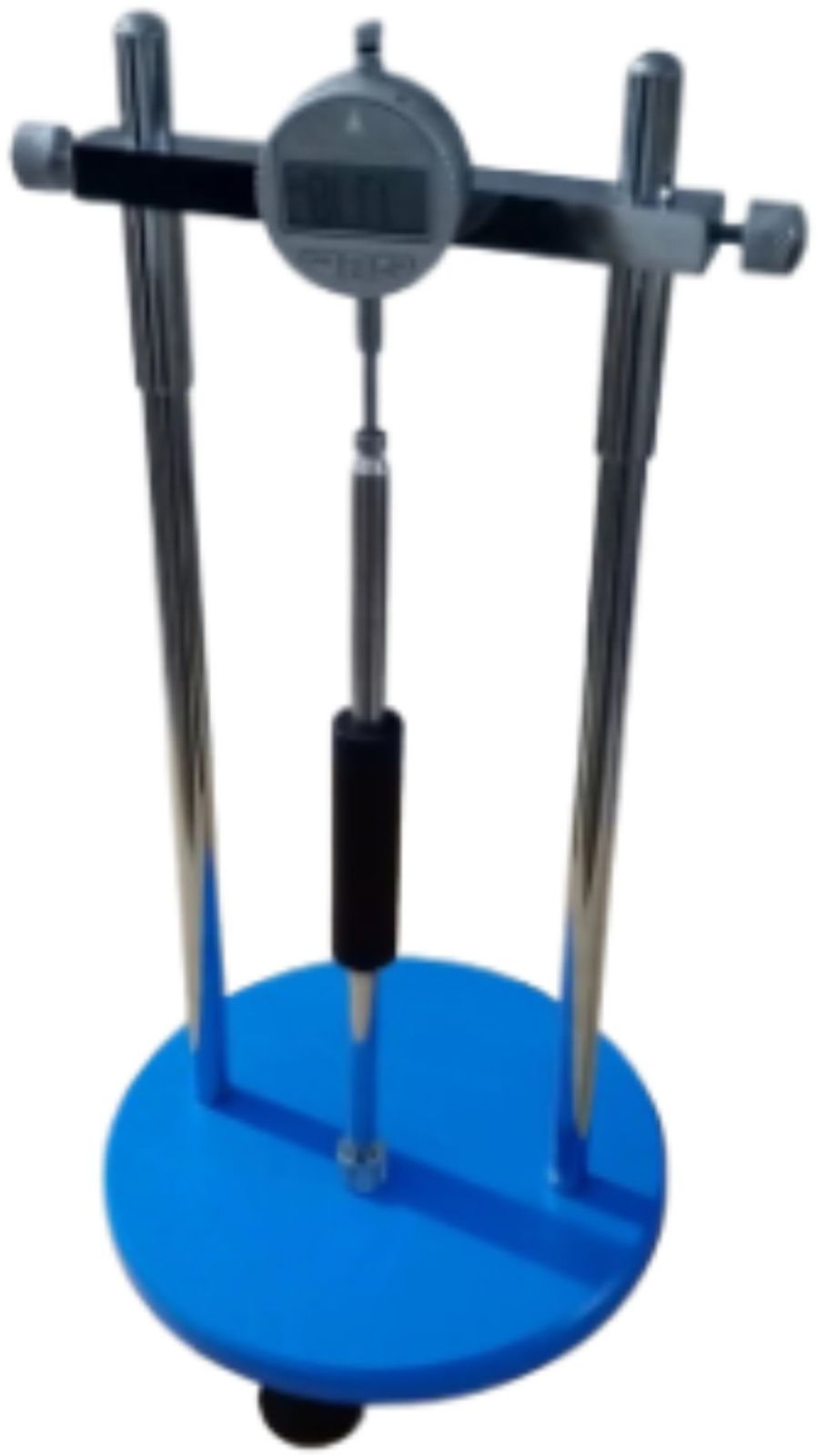
TheLength Comparator is a precision-engineered instrument designed for measuring the dimensional changes in materials such as cement, concrete, and metals. It is commonly used to determine the drying shrinkage, swelling, or expansion of test specimens over time.
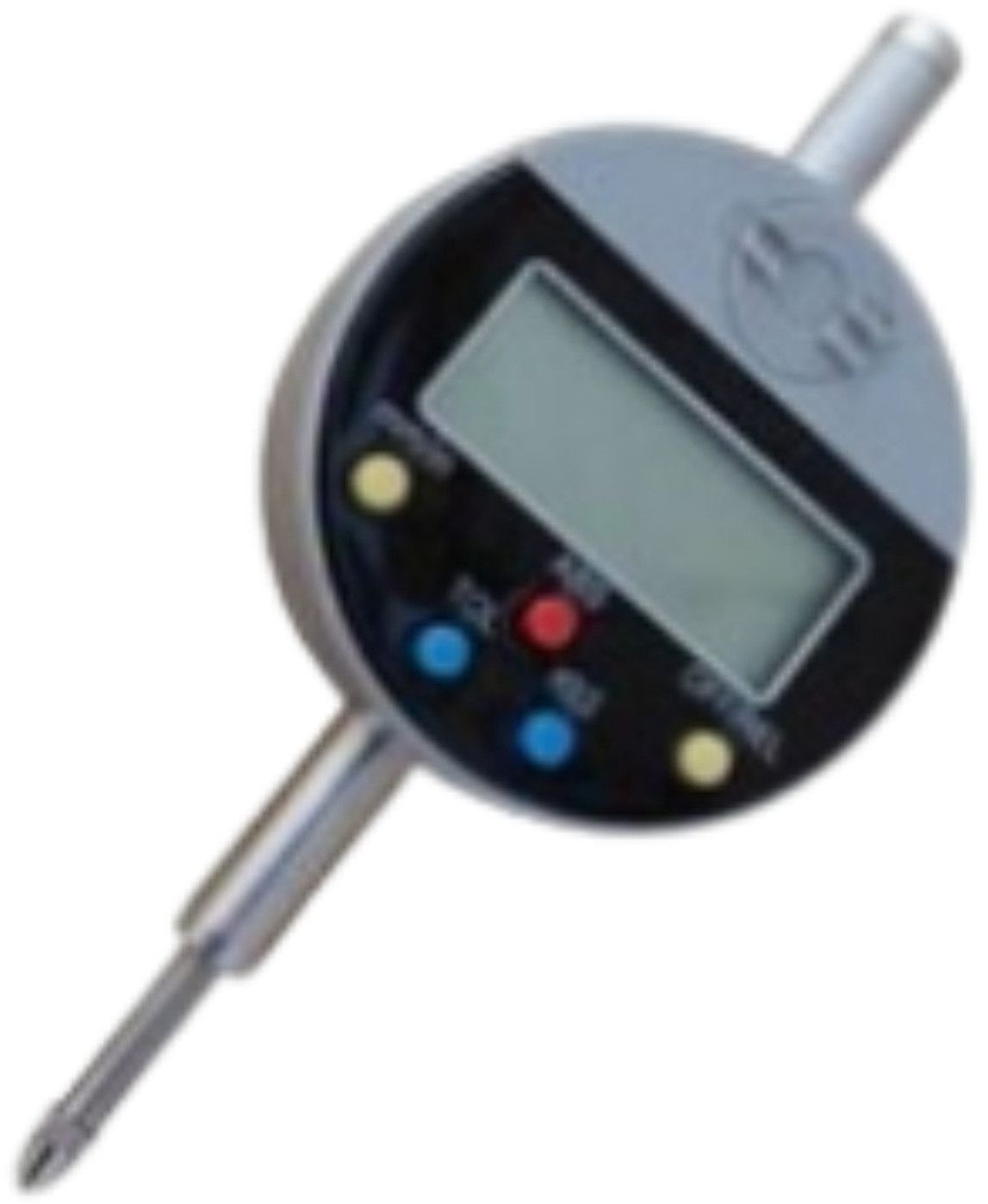
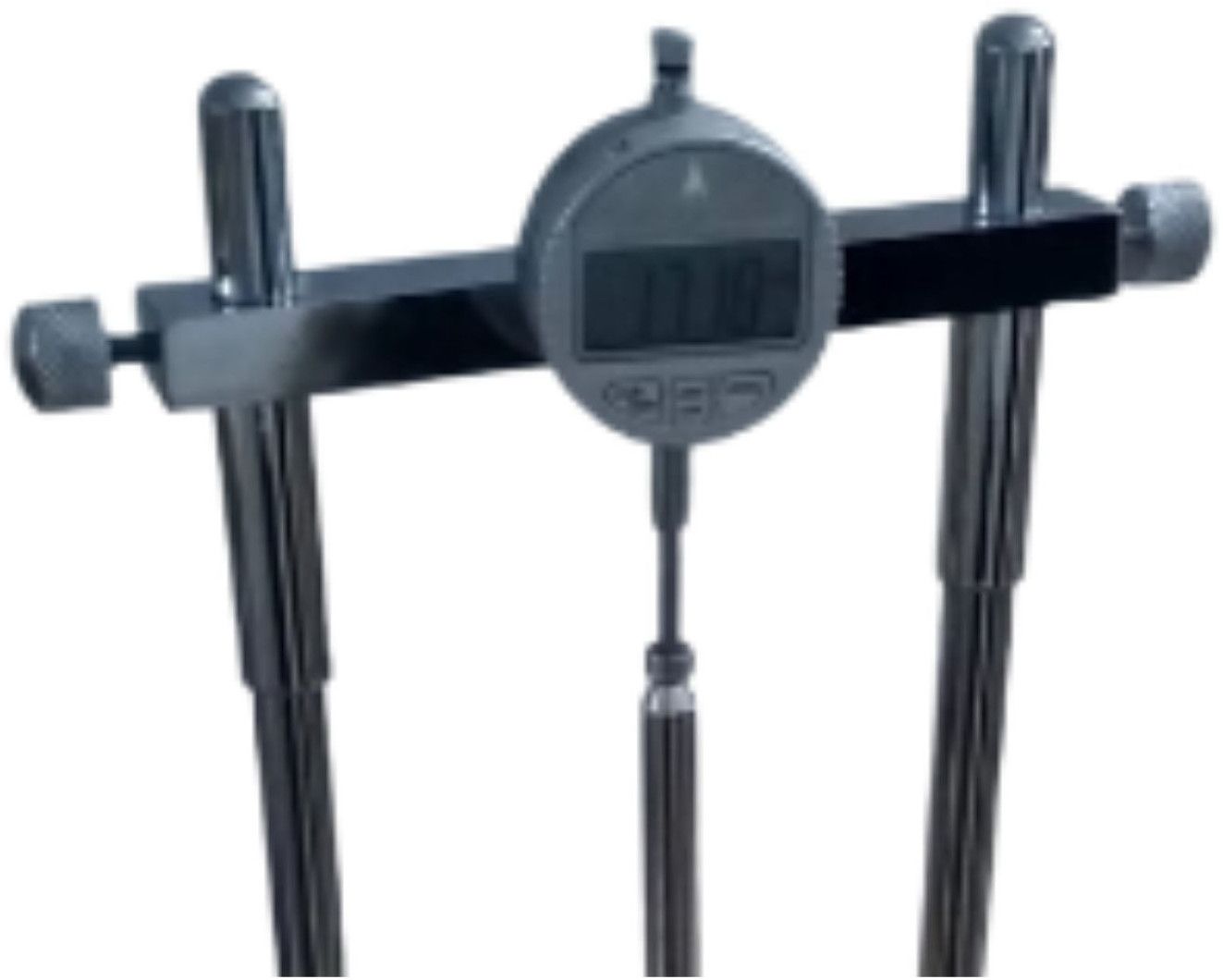
Built with a solid cast iron or mild steel frame, the comparator ensures rigidity and vibration-free operation, enabling repeatable and accurate readings. The instrument is fitted with a high-resolution dial gauge having a least count of 0.001 mm or 0.01 mm, allowing users to detect even the slightest variations in specimen length.
The specimen is placed between two accurately machined reference pointsone fixed and one movableconnected to the dial gauge for direct reading of the change in length. Its robust and corrosion-resistant construction ensures durability and long service life in laboratory environments.
The V-Tech Length Comparator complies with international and Indian standards for material testing and is suitable for use in both educational and industrial laboratories.
Key Features
High-precision comparator for accurate dimensional analysis
Rigid cast iron frame ensures stable and repeatable results
Equipped with a precision dial gauge (0.001 mm or 0.01 mm)
Suitable for testing shrinkage, expansion, and length variation
Designed for both cement paste and concrete specimen testing
Corrosion-resistant finish for long-term durability
No electrical power required for operation
Conforms to standard testing requirements for construction materials
Applications
Determining shrinkage and expansion in cement and concrete specimens
Dimensional stability testing of metals, composites, and ceramics
Construction material research and development
Quality control and laboratory testing
Educational and training laboratories in civil engineering
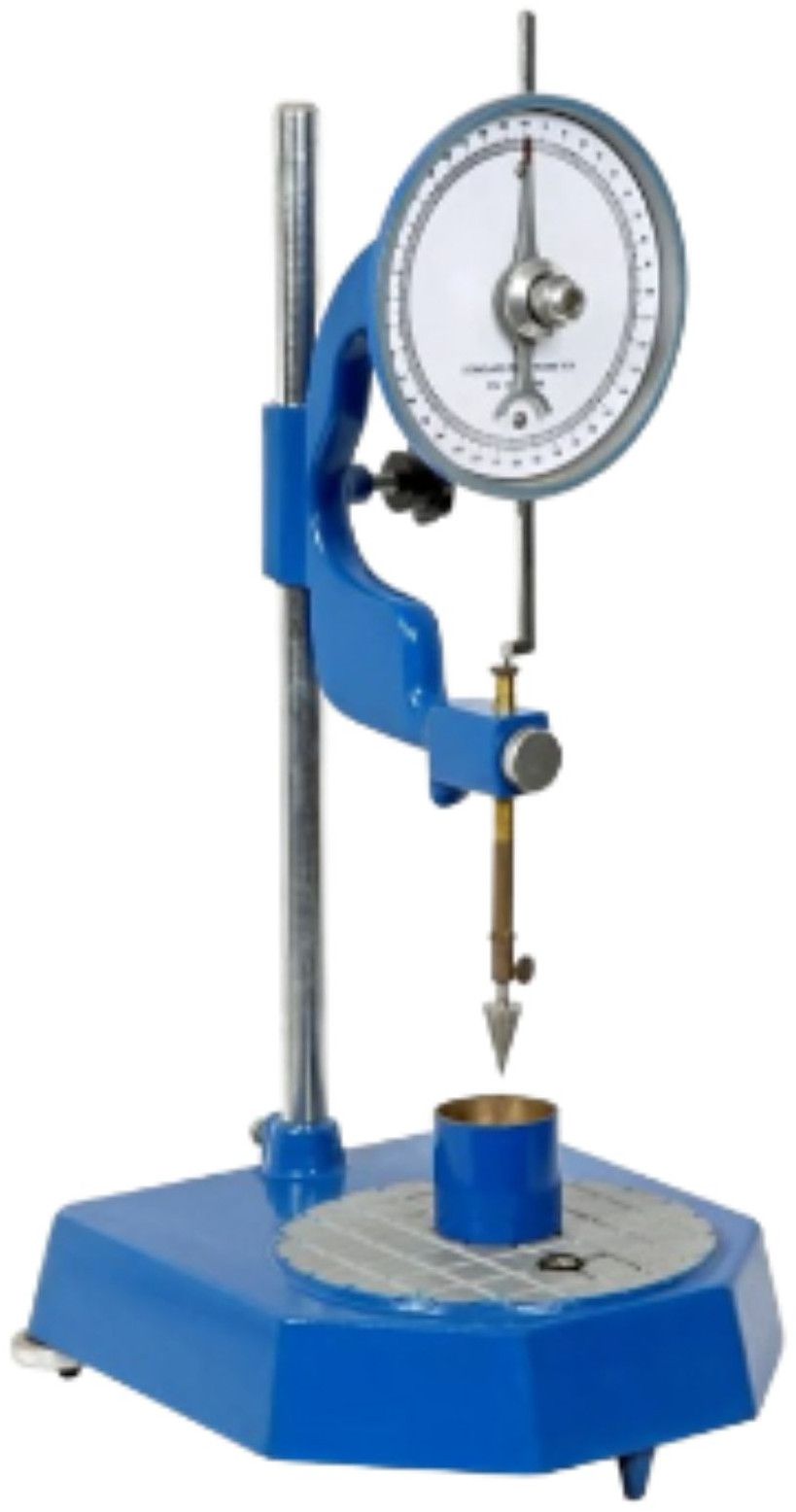
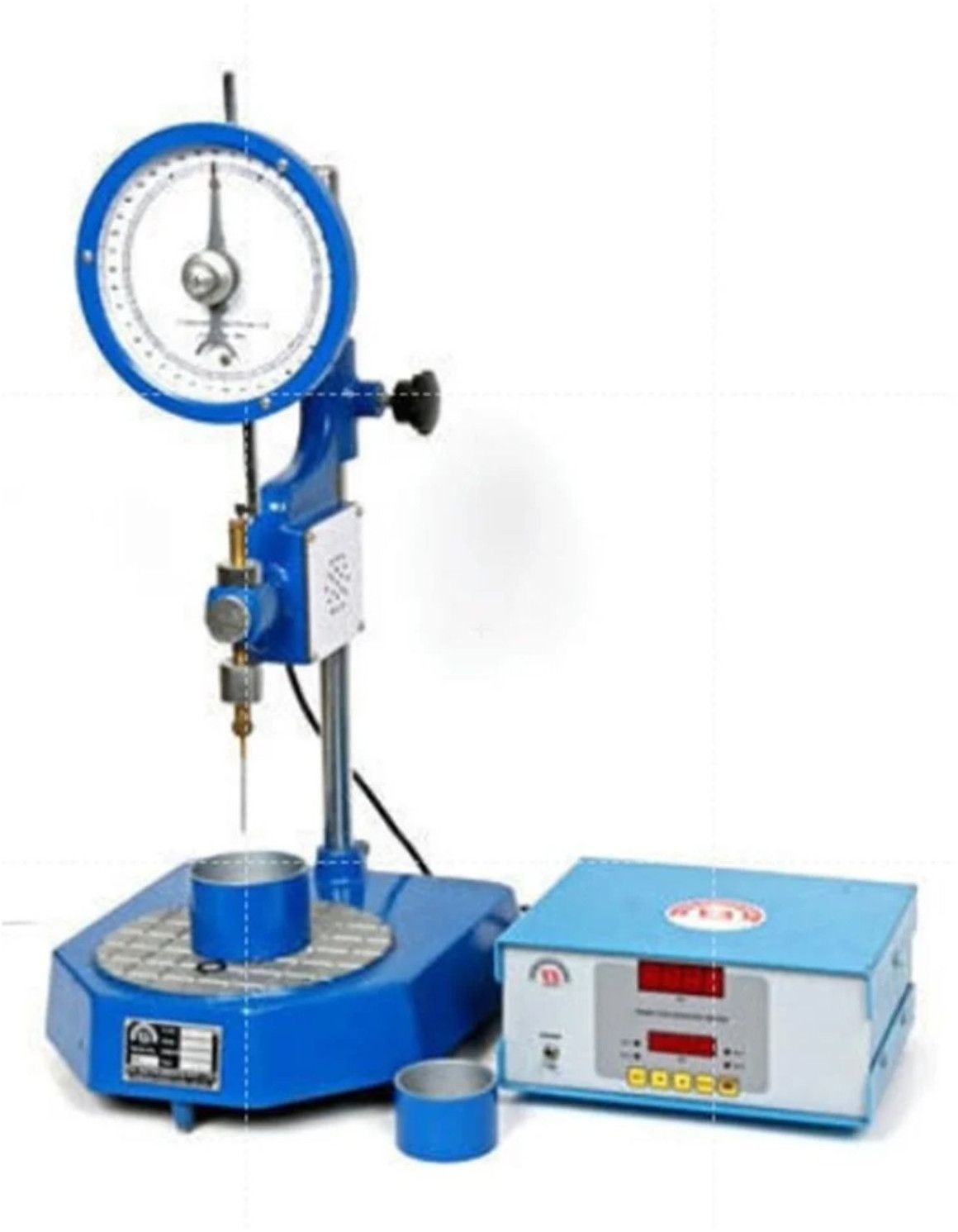
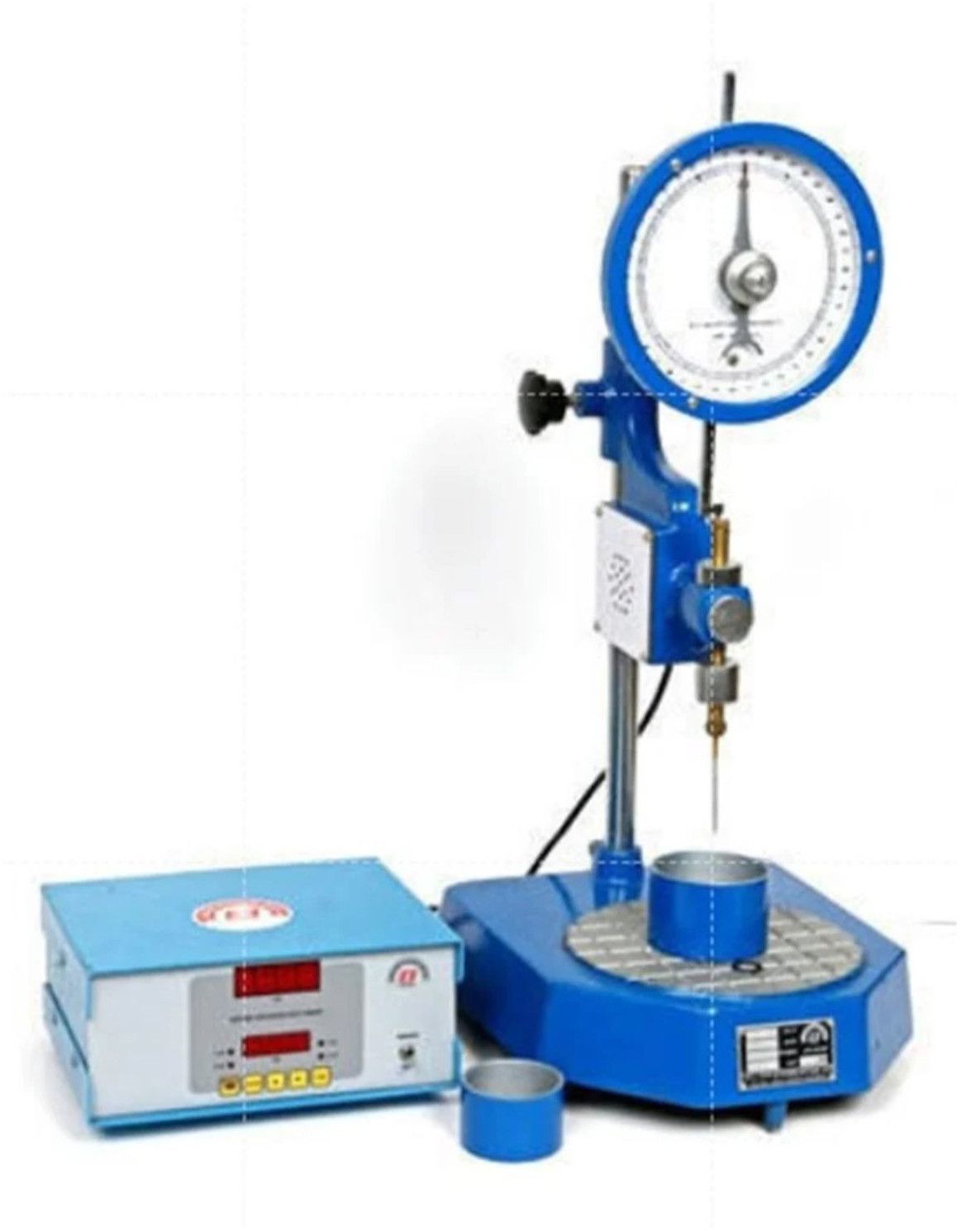
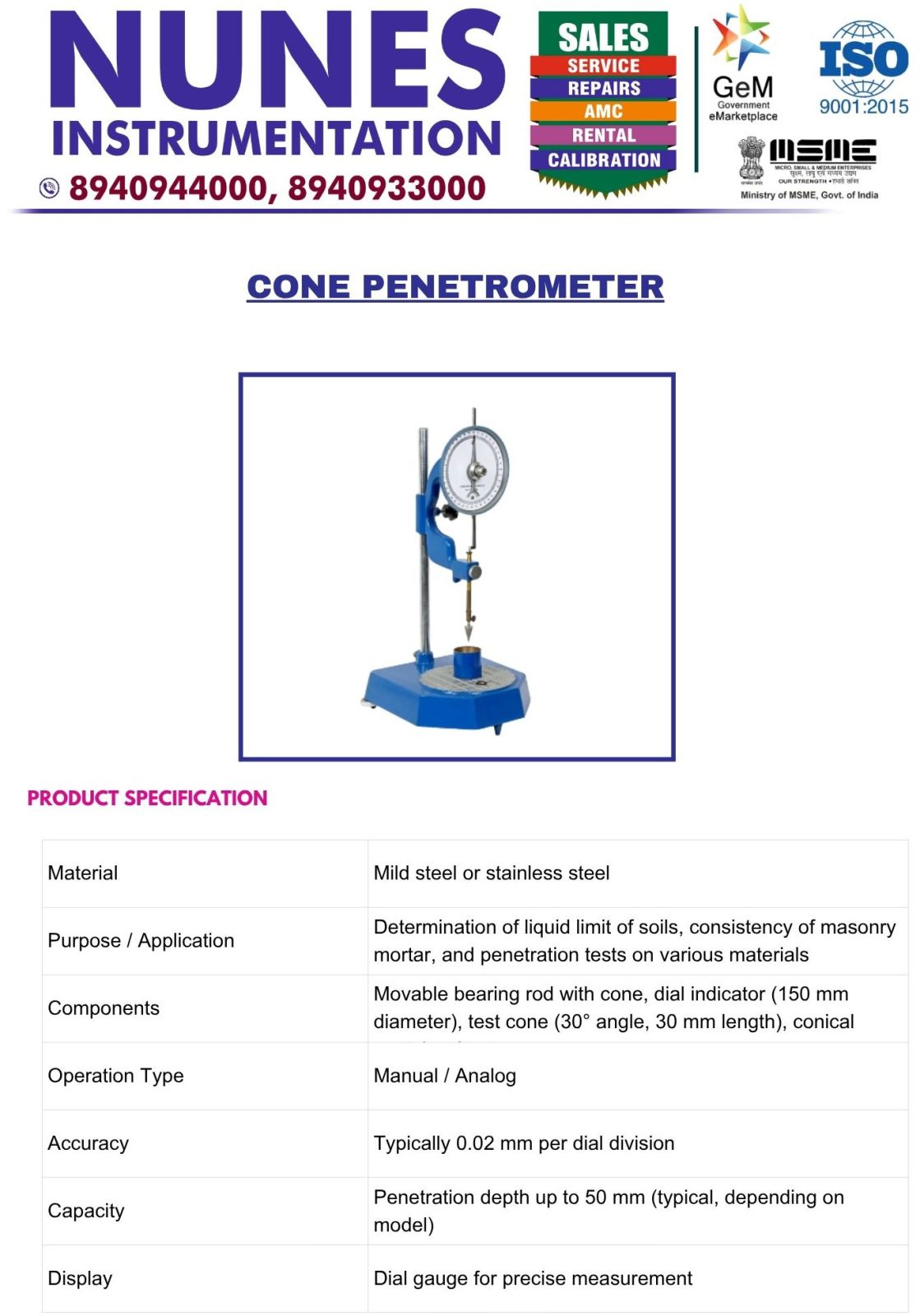
The Liquid Limit & Penetration Apparatus is designed for soil mechanics and construction material testing, providing precise measurement of liquid limit of soils or consistency of mortars. It features a movable bearing rod with a conical tip, which penetrates the sample at a controlled rate. The penetration depth is measured using a dial indicator, giving accurate and repeatable results.
Constructed from mild steel or stainless steel, the apparatus is durable, corrosion-resistant, and suitable for long-term laboratory use. The conical container holds the sample securely during testing, and the devices manual operation allows simple, reliable testing without dependency on external power sources.
Key Features
High-quality steel construction for durability and precision.
Compliant with IS 1448, IS 2720, and IP standards for soil and material testing.
Movable bearing rod with cone for controlled penetration.
Dial gauge measurement for accurate and repeatable readings.
Portable, manual operation without need for power supply.
Suitable for multiple material types, including soils and masonry mortars.
Compact design for laboratory or field use.
Applications
Geotechnical laboratories for determining soil liquid limits.
Construction material testing for mortar and cement consistency.
Educational institutions for civil engineering and material science studies.
Quality control in road construction, building, and foundation projects.
Research & development in soil mechanics and material science.
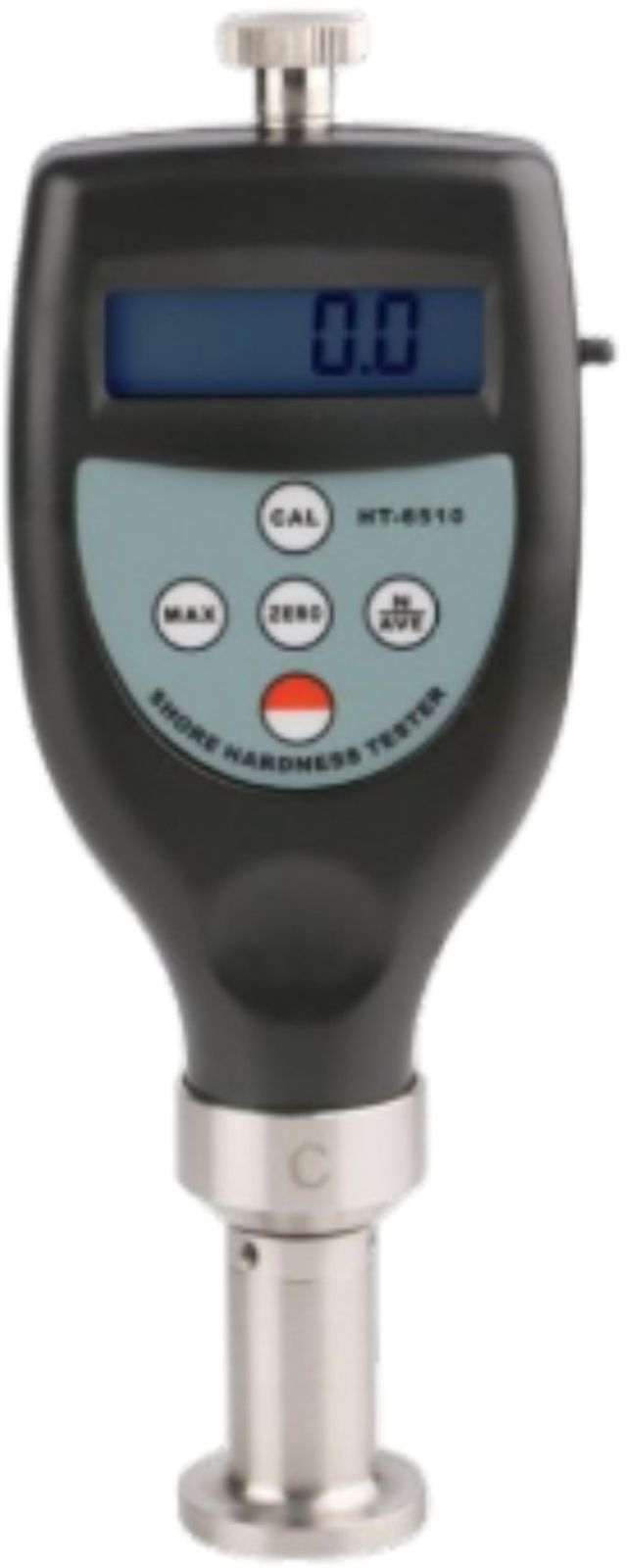
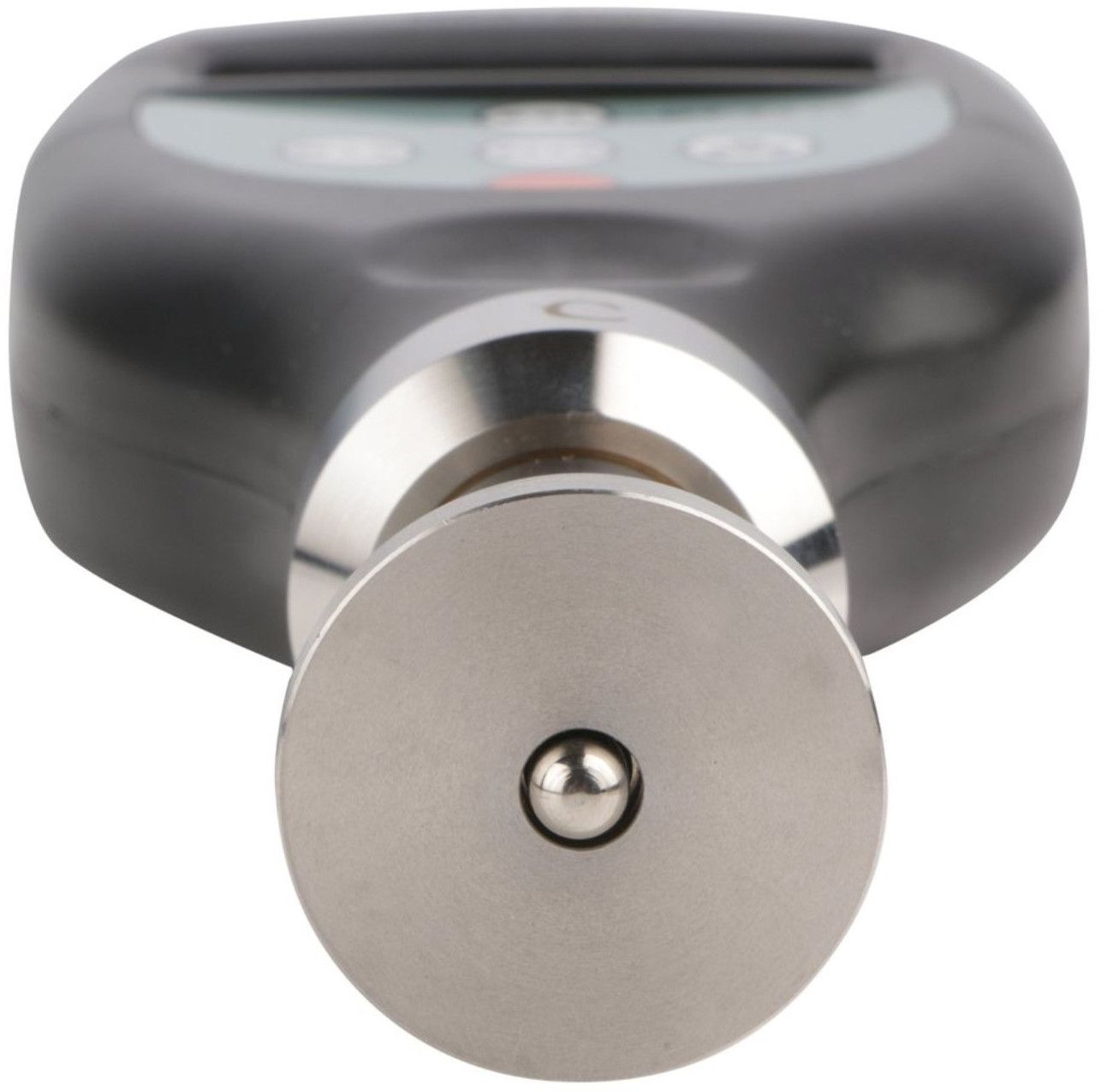
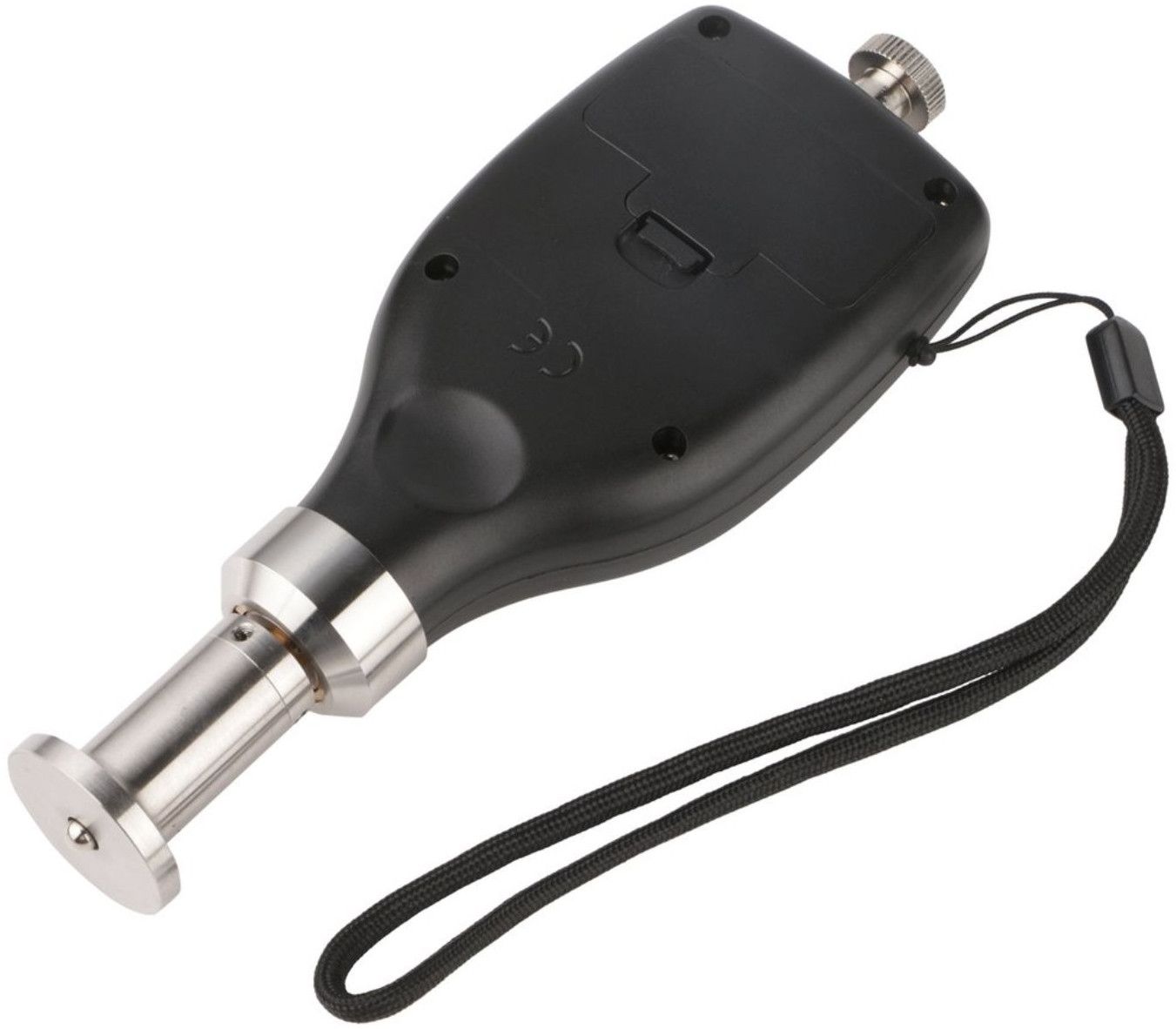
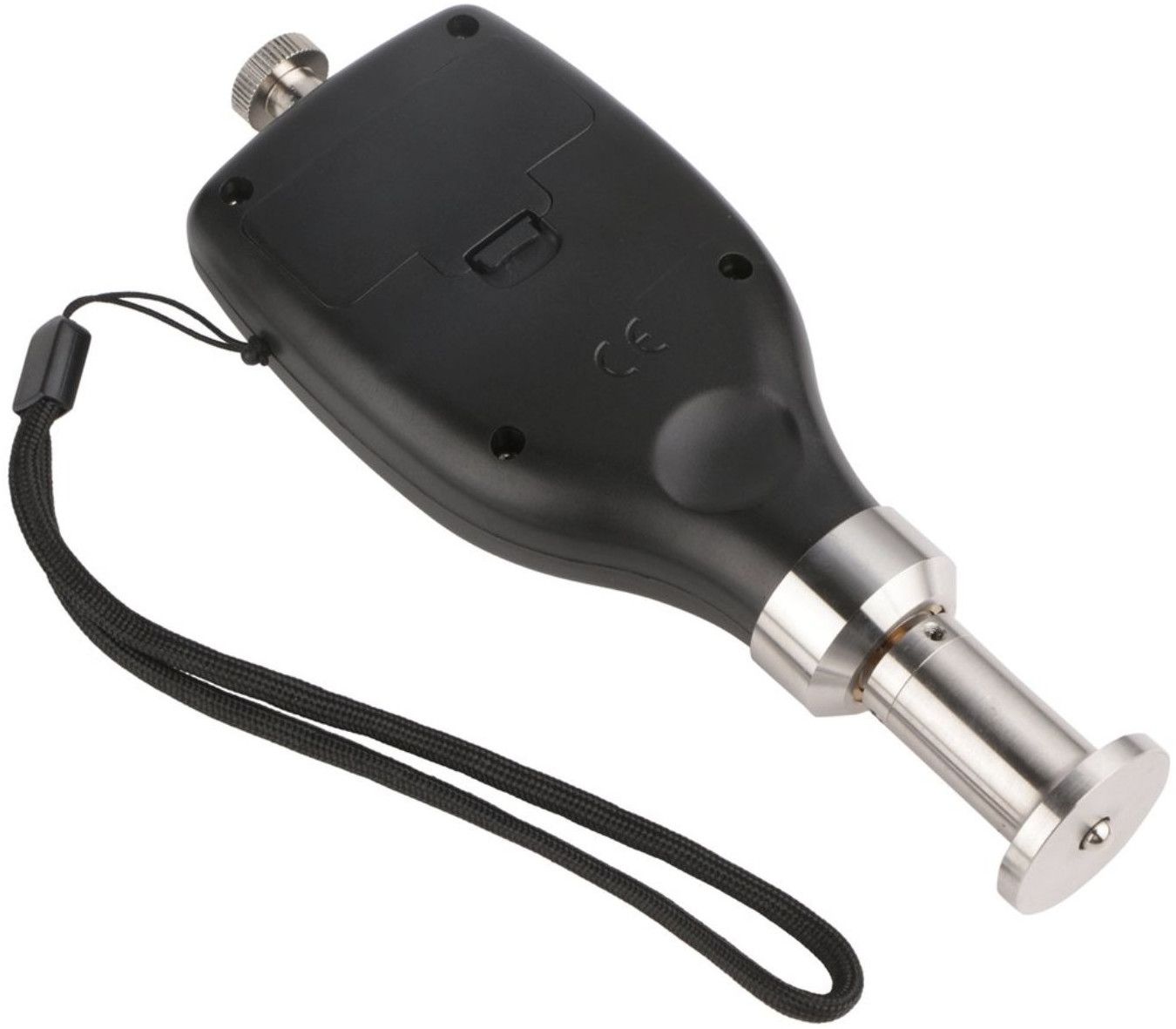
The Digital Shore Durometer is a precision instrument designed for accurately measuring the hardness of rubber, plastics, elastomers, and similar materials. It provides reliable readings in the Shore hardness scale with a measurement range of 1090H and a fine resolution of 0.1H.
The device features a large 4-digit LCD display (10 mm) showing the current hardness, average, and maximum values for easy interpretation. Compliant with international standards DIN 53505, ASTM D2240, ISO 7619, and JIS K7215, it ensures high reliability and repeatability for laboratory and industrial applications.
Designed for portability and ease of use, the durometer operates within 050C and under humidity
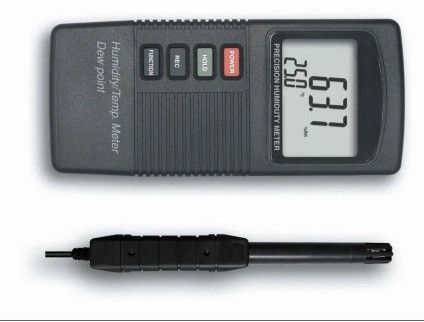
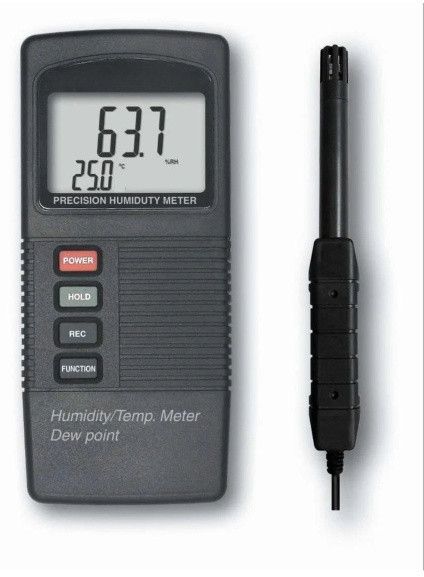
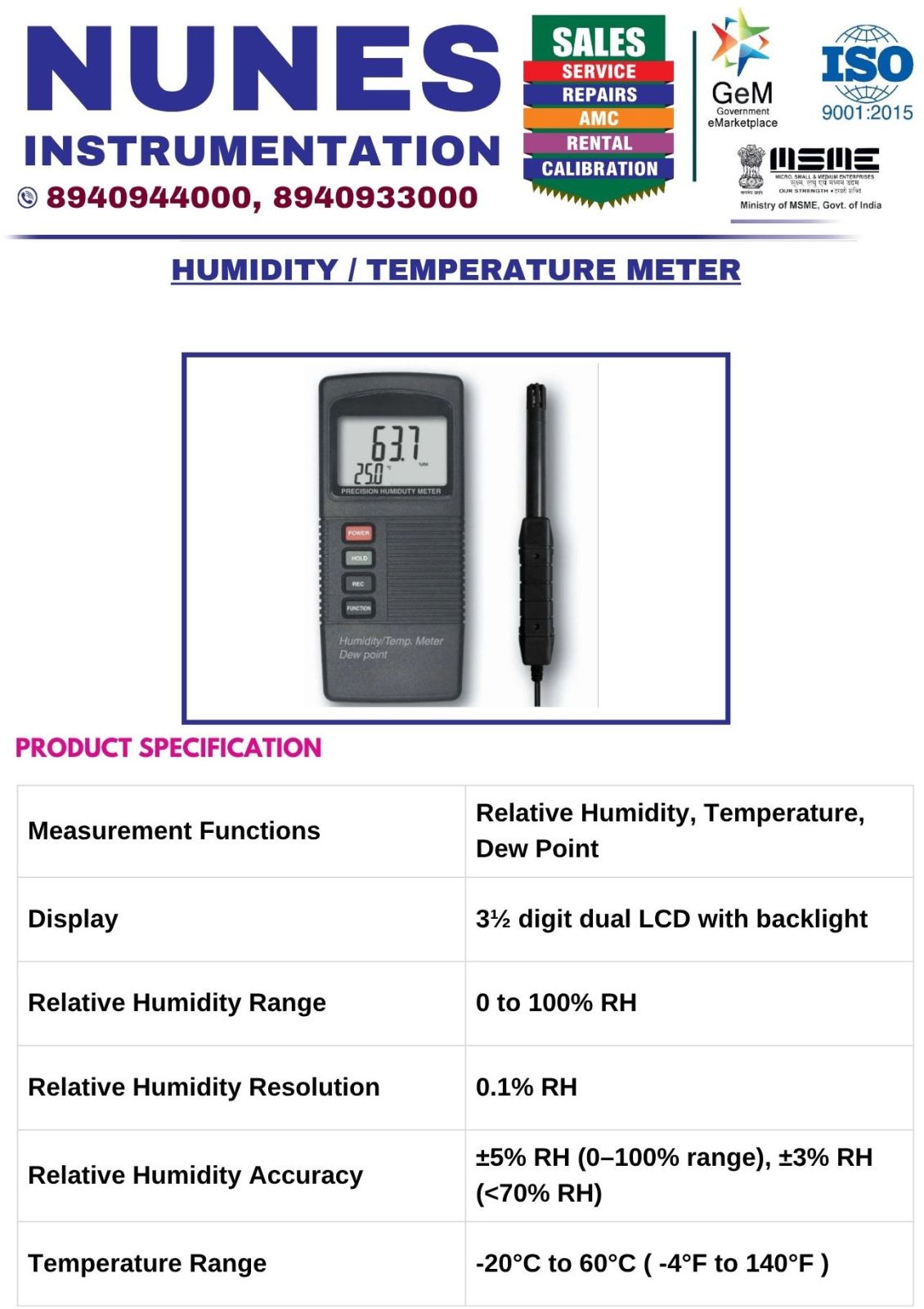
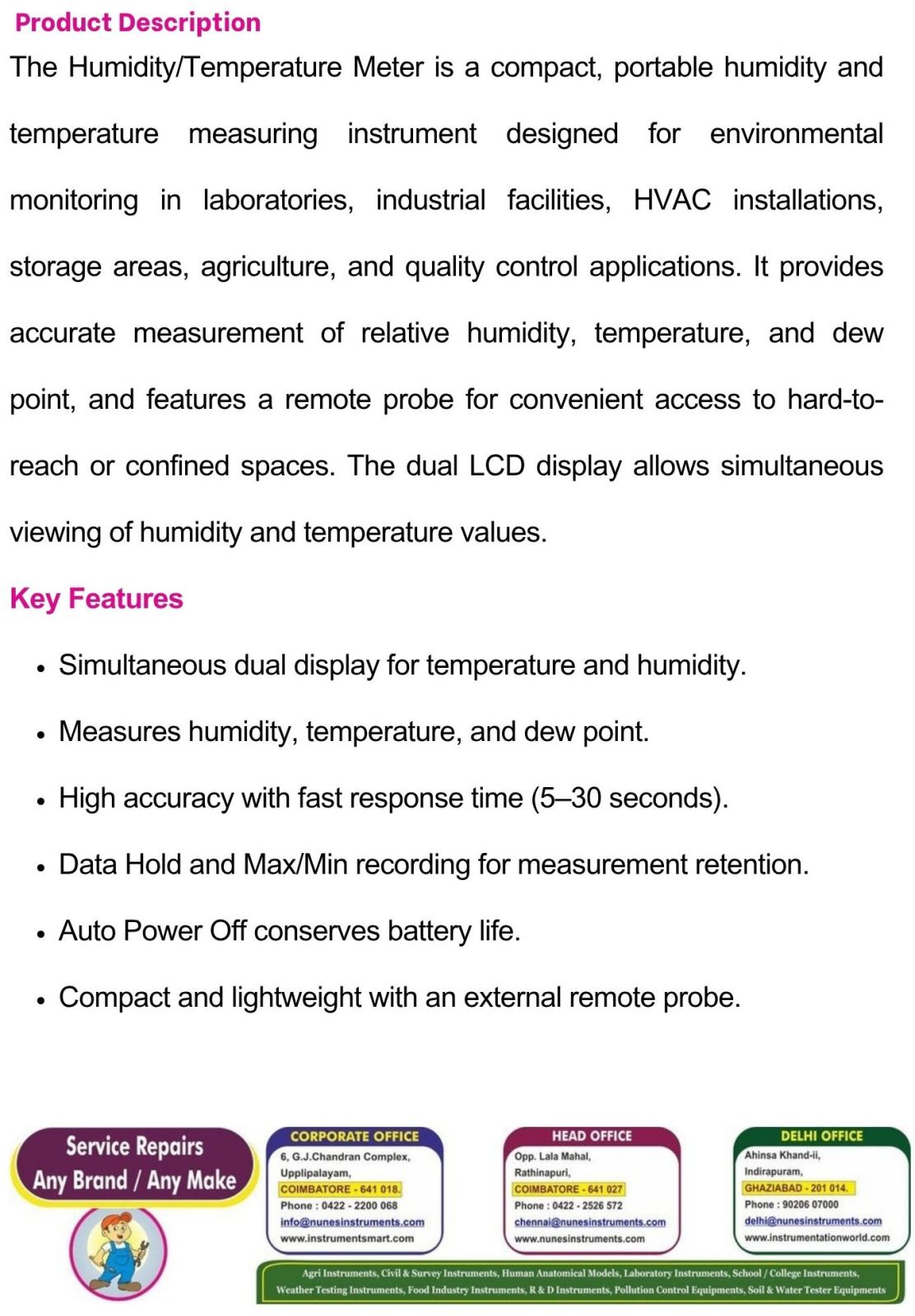
TheHumidity/Temperature Meter. is a compact, portable humidity and temperature measuring instrument designed for environmental monitoring in laboratories, industrial facilities, HVAC installations, storage areas, agriculture, and quality control applications. It provides accurate measurement of relative humidity, temperature, and dew point, and features a remote probe for convenient access to hard-to-reach or confined spaces. The dual LCD display allows simultaneous viewing of humidity and temperature values.
Key FeaturesSimultaneous dual display for temperature and humidity.
Measures humidity, temperature, and dew point.
High accuracy with fast response time (530 seconds).
Data Hold and Max/Min recording for measurement retention.
Auto Power Off conserves battery life.
Compact and lightweight with an external remote probe.
Backlit display for low-light environments.
Portable battery-powered design ideal for field use.
HVAC System Maintenance and Commissioning
Environmental Quality & Comfort Monitoring
Food Storage & Packaging Areas
Cleanrooms, Laboratories, and QA/QC Inspections
Agriculture and Greenhouse Climate Control
Museum, Archive, and Library Preservation
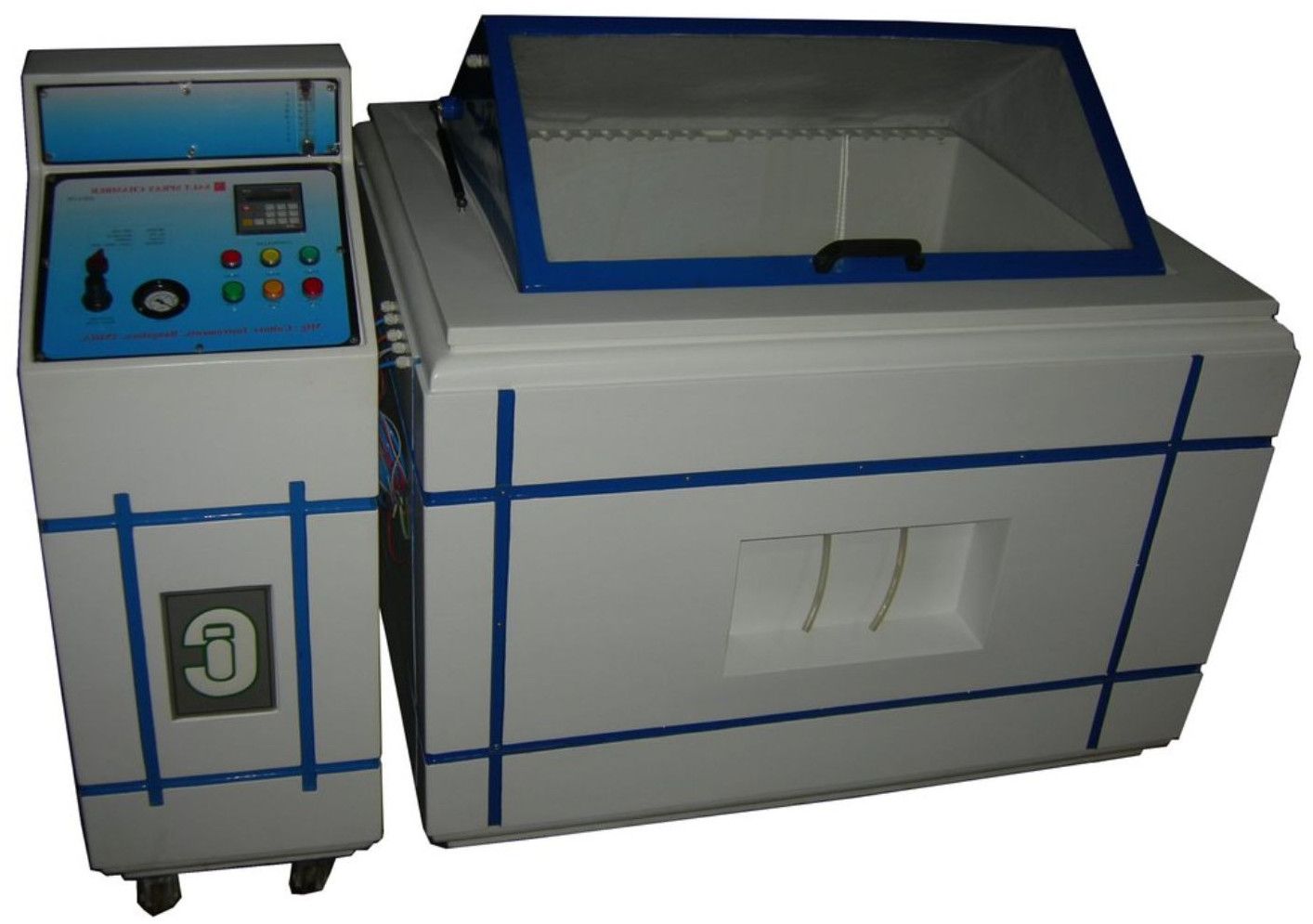
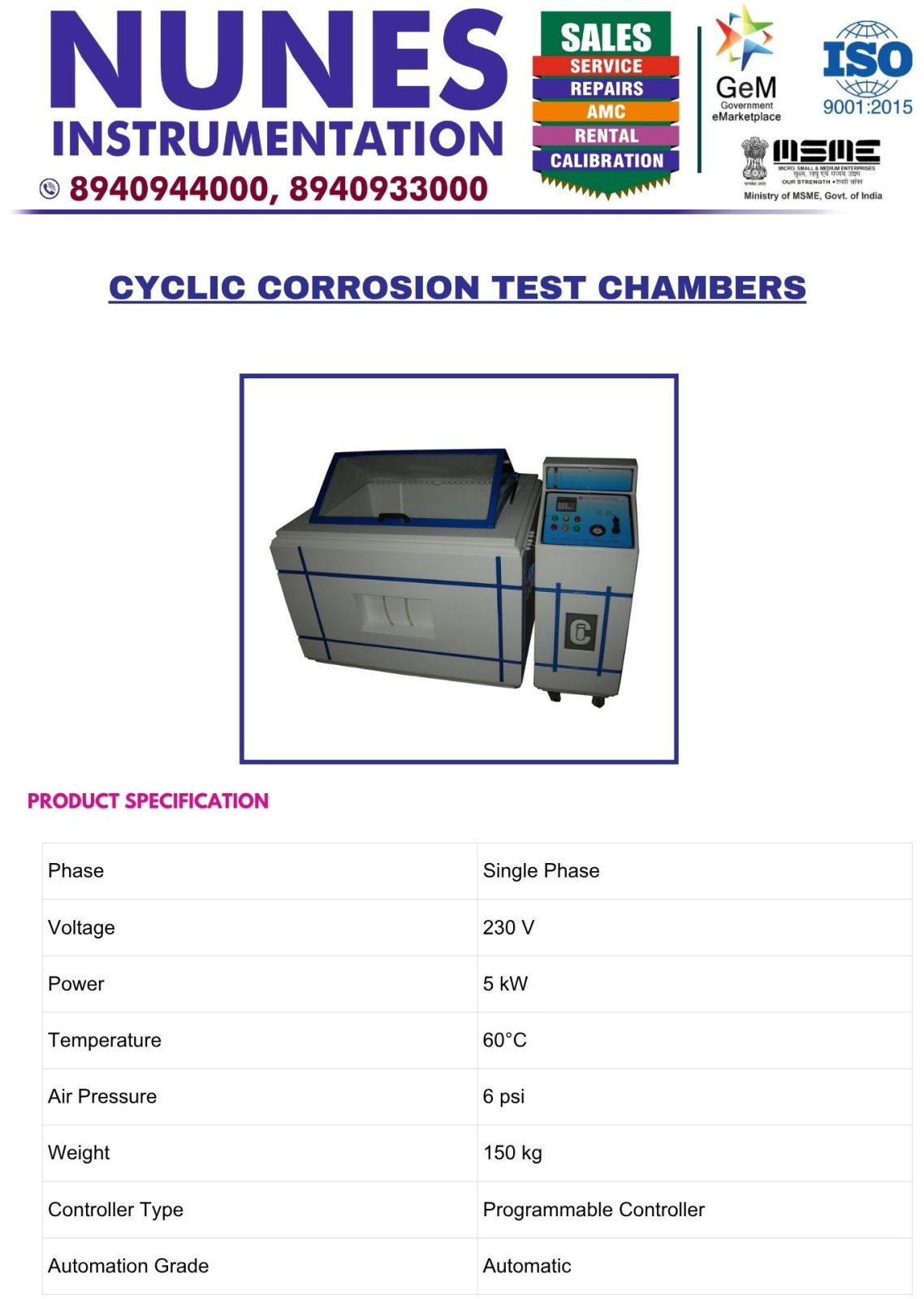
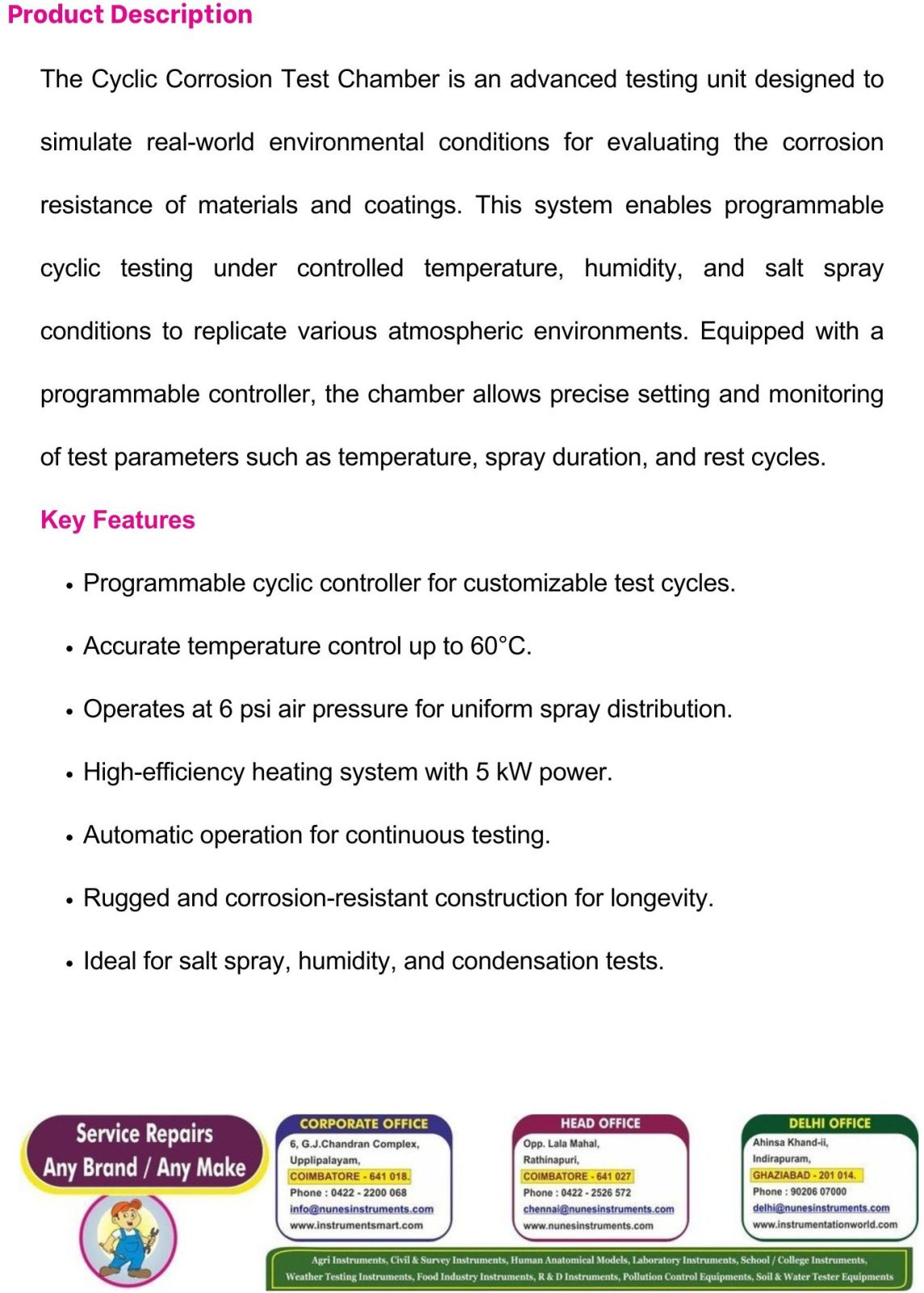
The Program-Cyclic Corrosion Test Chamber is an advanced testing unit designed to simulate real-world environmental conditions for evaluating the corrosion resistance of materials and coatings. This system enables programmable cyclic testing under controlled temperature, humidity, and salt spray conditions to replicate various atmospheric environments.
Equipped with a programmable controller, the chamber allows precise setting and monitoring of test parameters such as temperature, spray duration, and rest cycles. The sturdy and corrosion-resistant construction ensures long-term durability and accuracy in testing.
Key Features
Programmable cyclic controller for customizable test cycles.
Accurate temperature control up to 60C.
Operates at 6 psi air pressure for uniform spray distribution.
High-efficiency heating system with 5 kW power.
Automatic operation for continuous testing.
Rugged and corrosion-resistant construction for longevity.
Ideal for salt spray, humidity, and condensation tests.
Applications
Corrosion testing of metal coatings and paint finishes.
Automotive, aerospace, and marine industries for component testing.
Material research laboratories for environmental simulation.
Quality assurance and R&D departments for durability assessment.
Description
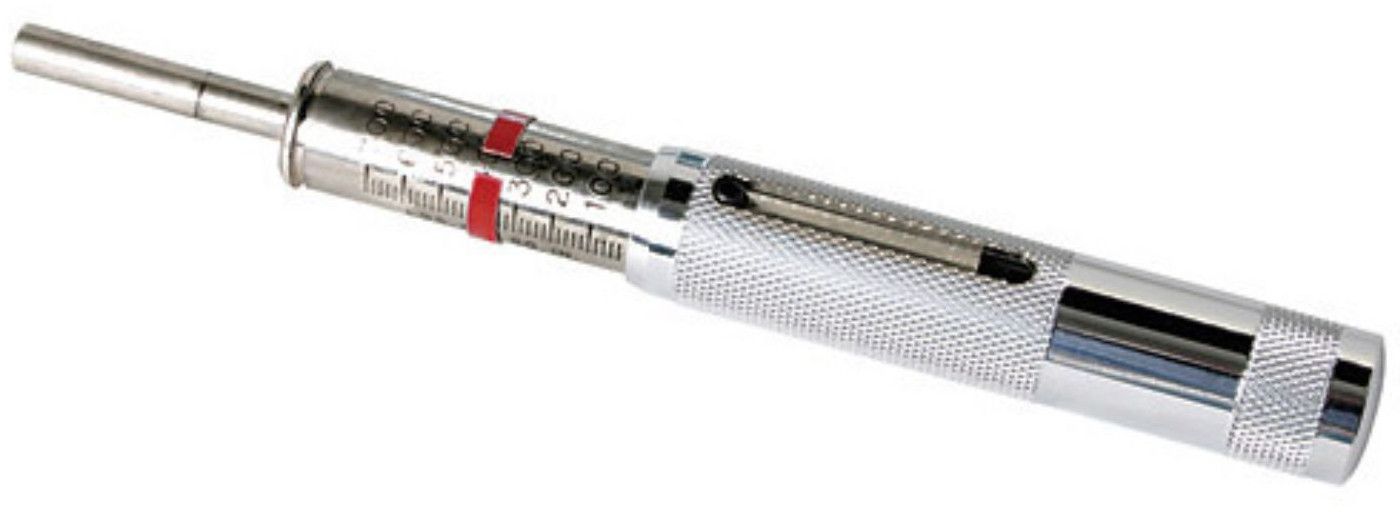
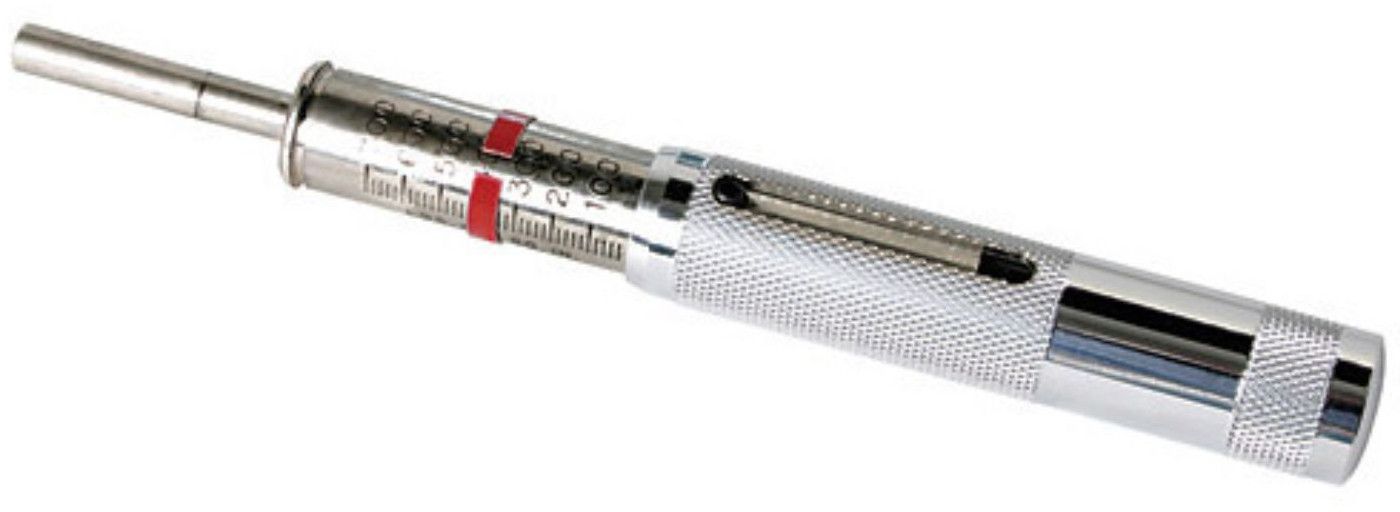
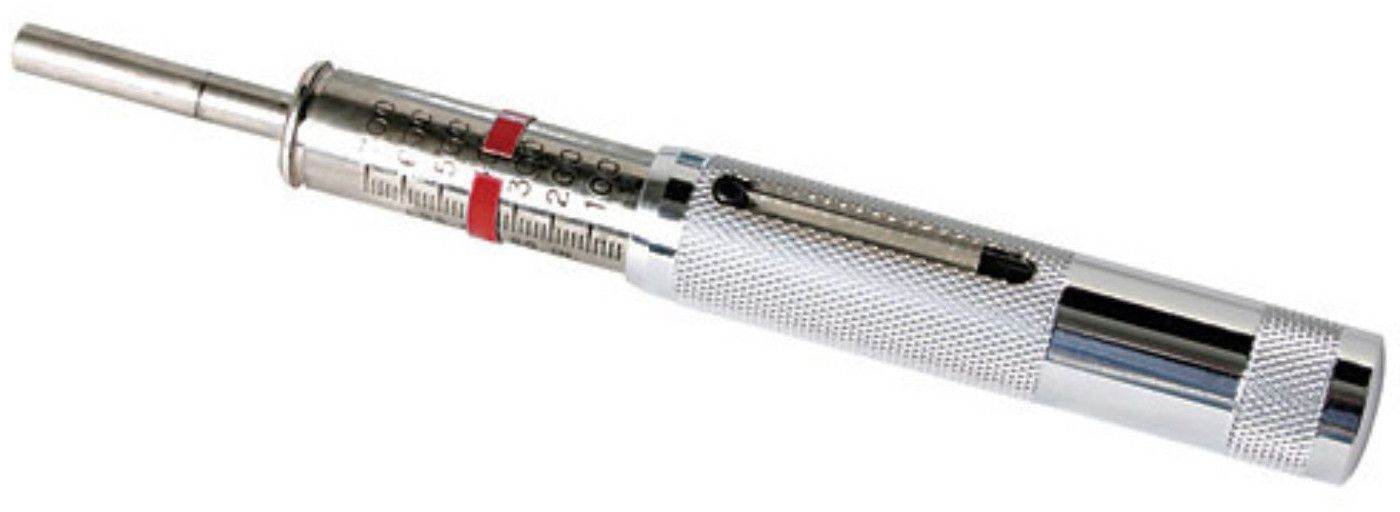
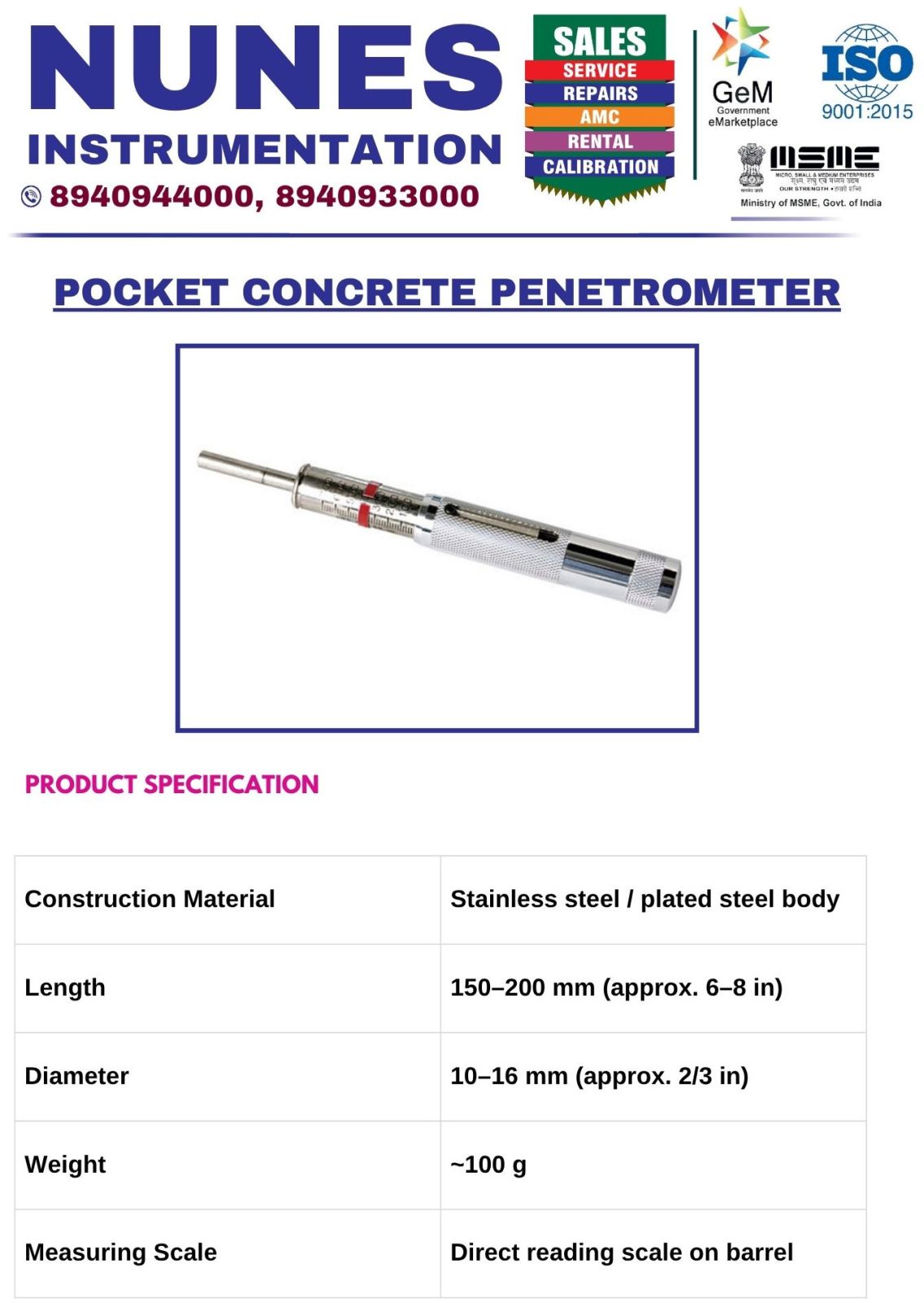
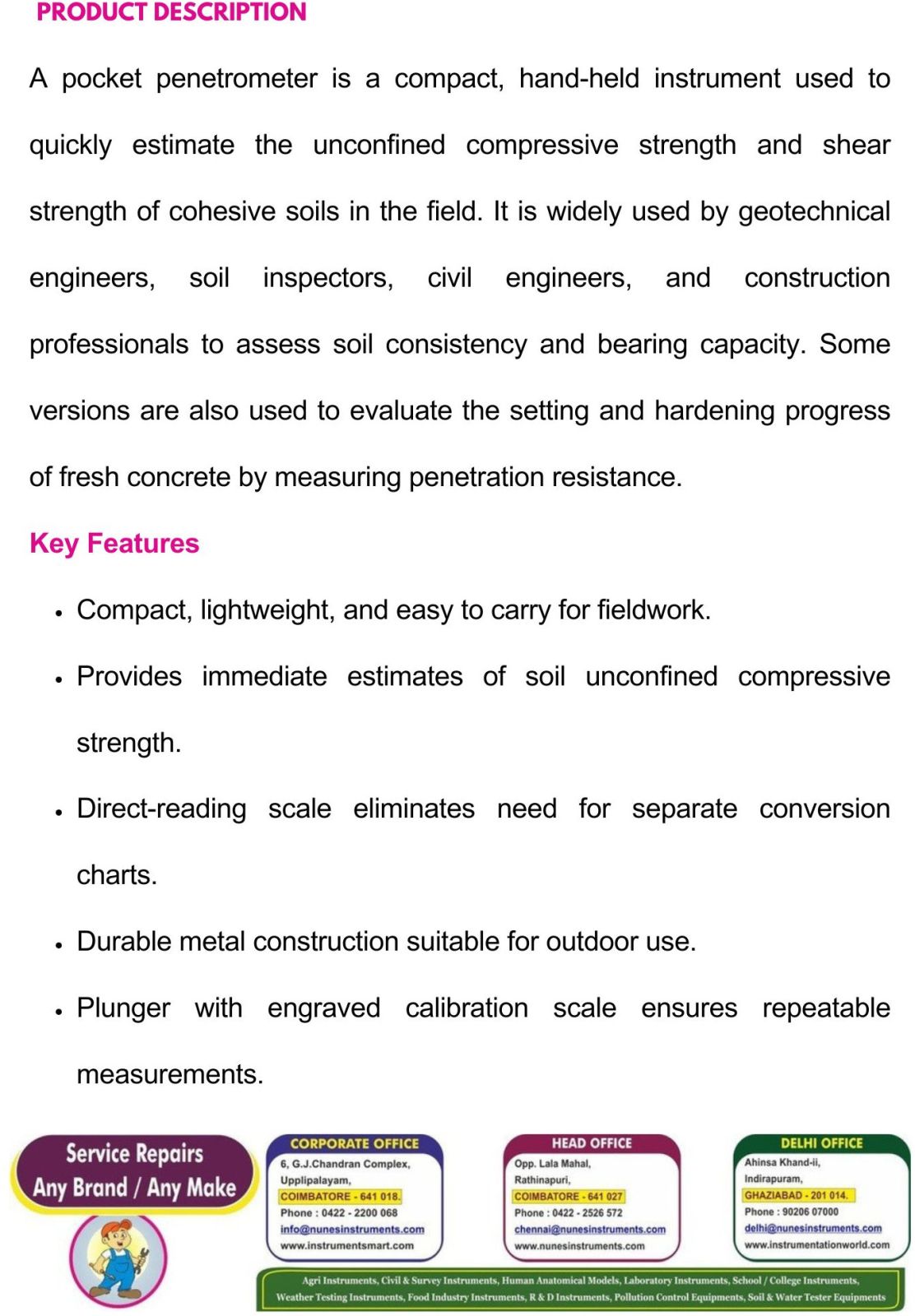
A pocket penetrometer is a compact, hand-held instrument used to quickly estimate the unconfined compressive strength and shear strength of cohesive soils in the field. It is widely used by geotechnical engineers, soil inspectors, civil engineers, and construction professionals to assess soil consistency and bearing capacity. Some versions are also used to evaluate the setting and hardening progress of fresh concrete by measuring penetration resistance.
Key Features
Compact, lightweight, and easy to carry for fieldwork.
Provides immediate estimates of soil unconfined compressive strength.
Direct-reading scale eliminates need for separate conversion charts.
Durable metal construction suitable for outdoor use.
Plunger with engraved calibration scale ensures repeatable measurements.
Also available in high-range models (e.g., up to 700 psi) for varied soil stiffness.
Applications
Geotechnical Engineering & Soil Testing
Estimation of soil consistency (soft to stiff clay).
Determination of unconfined compressive strength (UCS) of cohesive soils.
Preliminary site investigation for foundations, embankments, and excavation planning.
Construction & Civil Engineering
Quick assessment of soil bearing capacity at construction sites.
Field quality control during compaction and grading operations.
Concrete Testing (select models)
Checking the setting and hardening rate of freshly placed concrete.
Agricultural & Environmental Surveys
Evaluating soil firmness for slope stability and erosion risk studies.
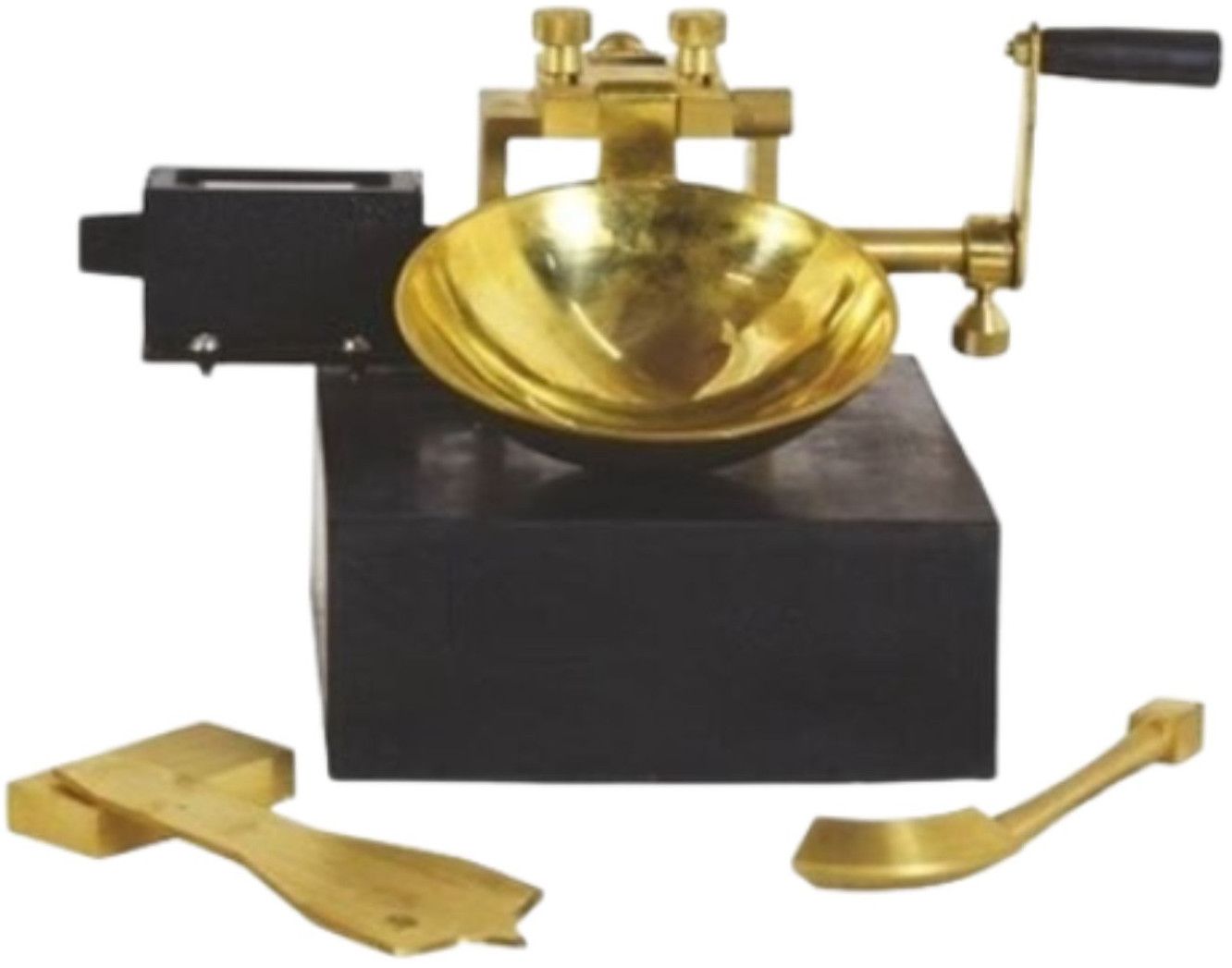
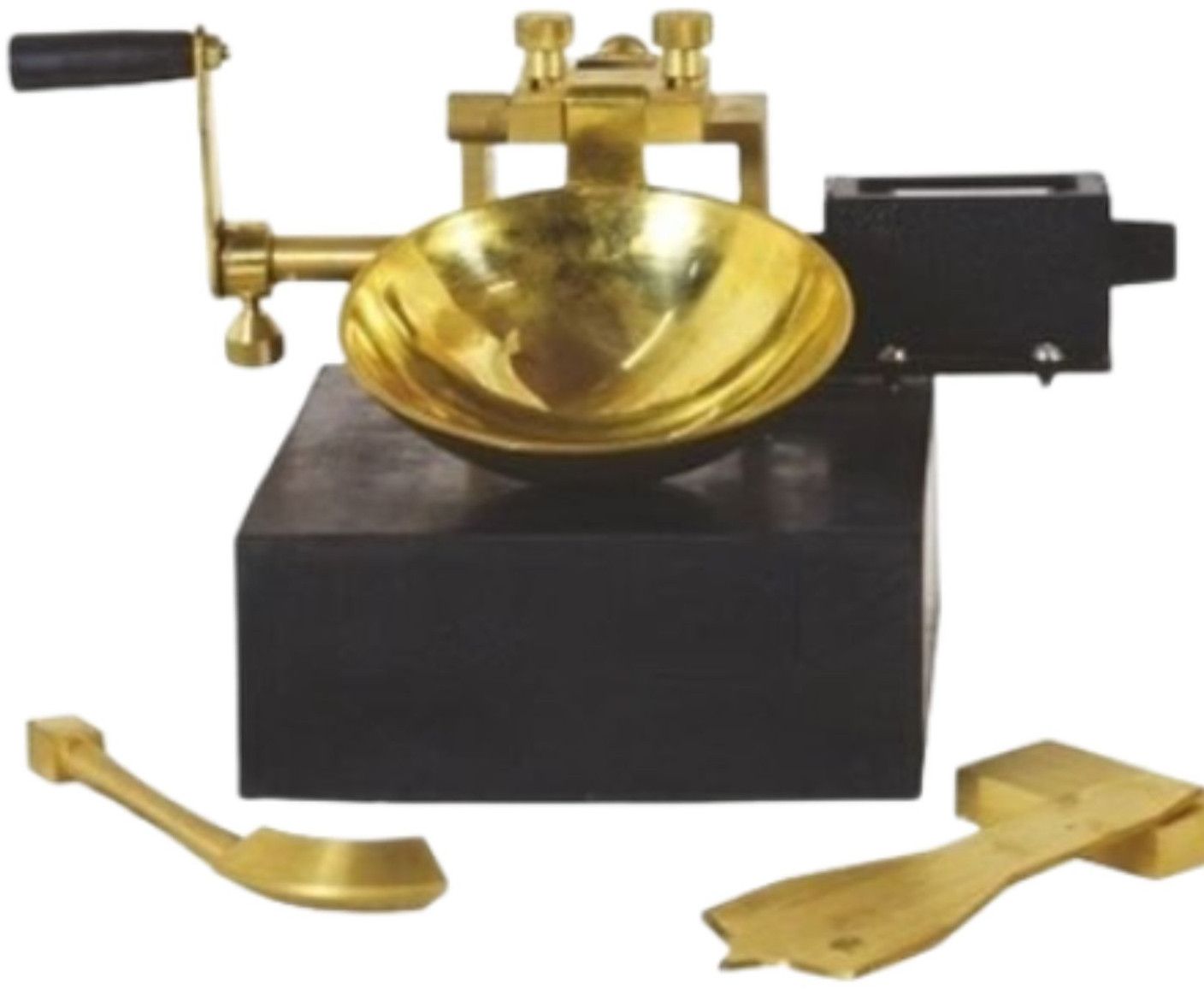
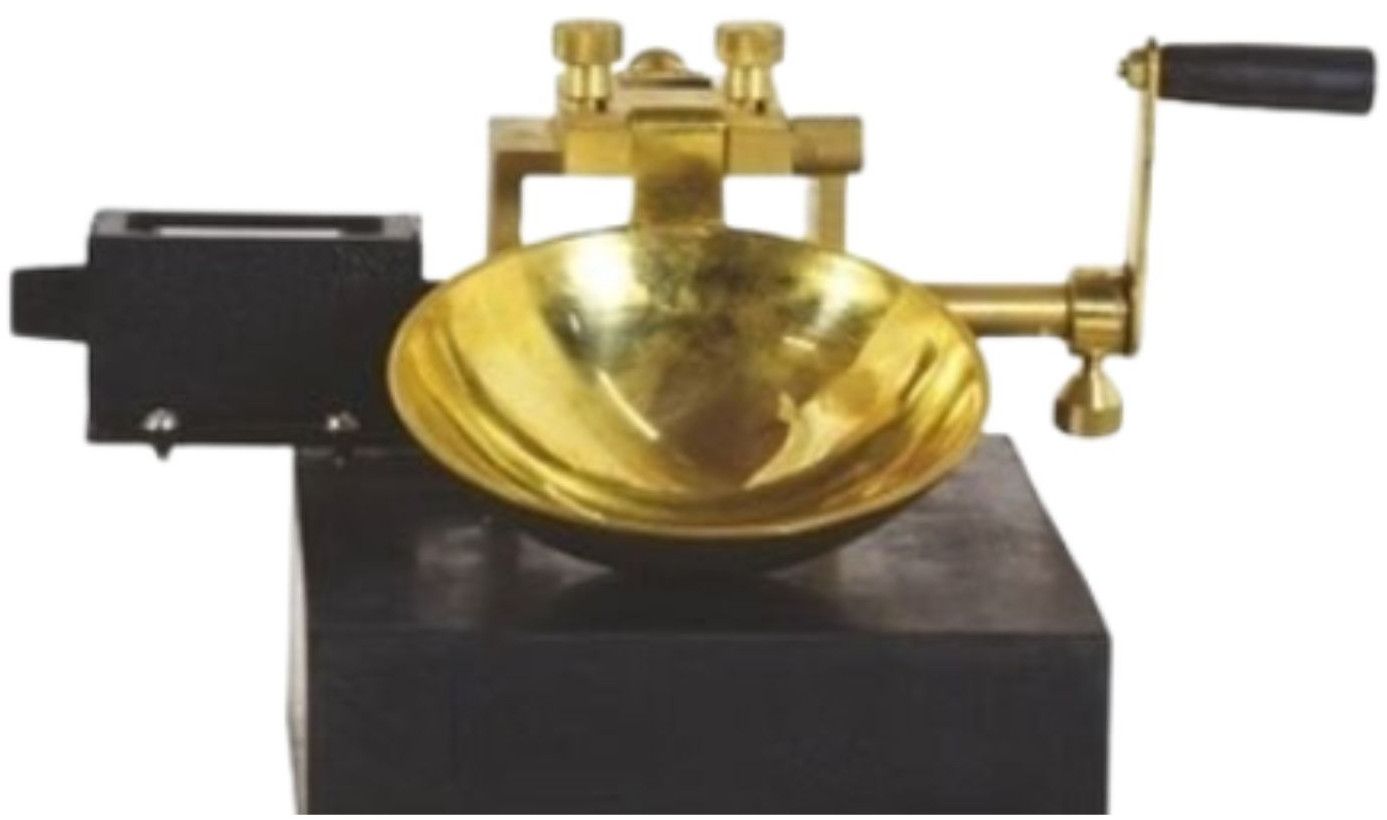
The Liquid Limit Device, or Casagrande Apparatus, is a fundamental tool in geotechnical engineering and soil mechanics for determining the liquid limit of soil samples. It is manually operated and consists of a brass cup, a grooving tool, and a counter to record the number of blows. During testing, a soil sample is placed in the brass cup, a groove is made, and the cup is repeatedly dropped until the groove closes over a standard distance. This process helps determine the moisture content at which soil transitions from a plastic to a liquid state.
Key Features
Hand-operated for precise control
Includes brass cup, grooving tool, and blow counter
Measures liquid limit (plastic-to-liquid transition)
Durable construction suitable for lab use
Standard geotechnical testing apparatus
Applications
Soil classification in geotechnical engineering
Determining moisture content for civil engineering projects
Laboratory soil mechanics testing
Academic and research use in soil studies
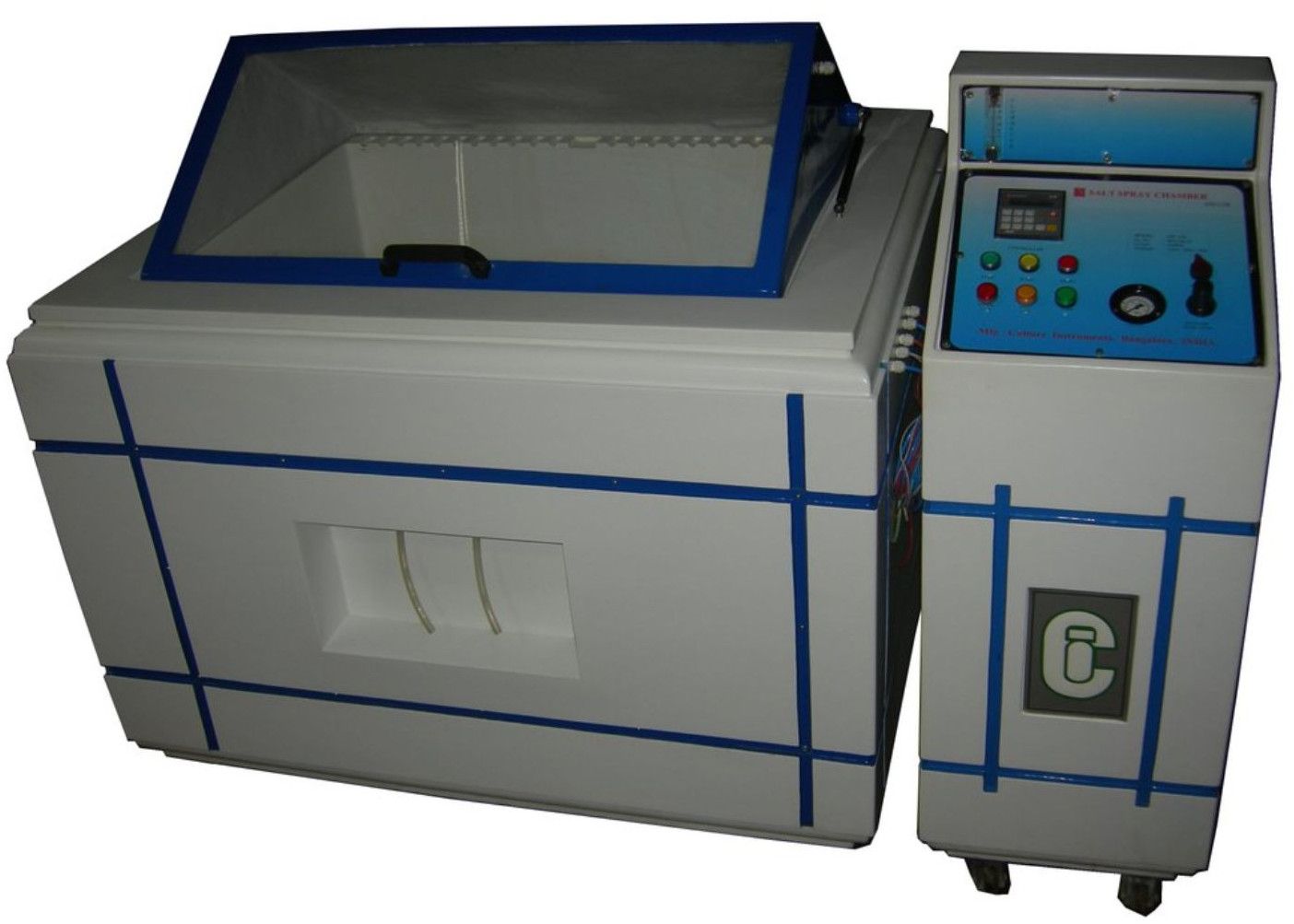
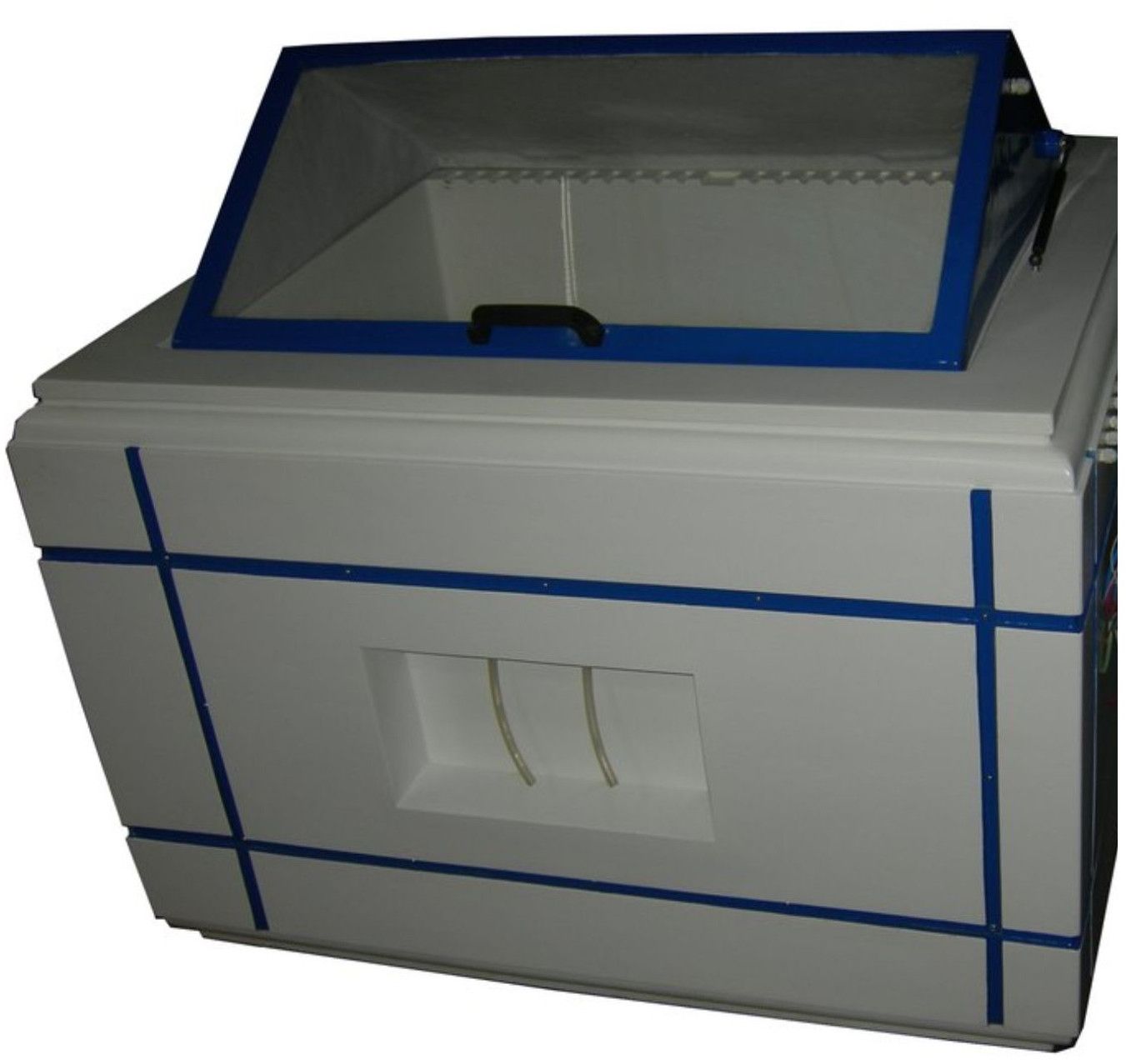
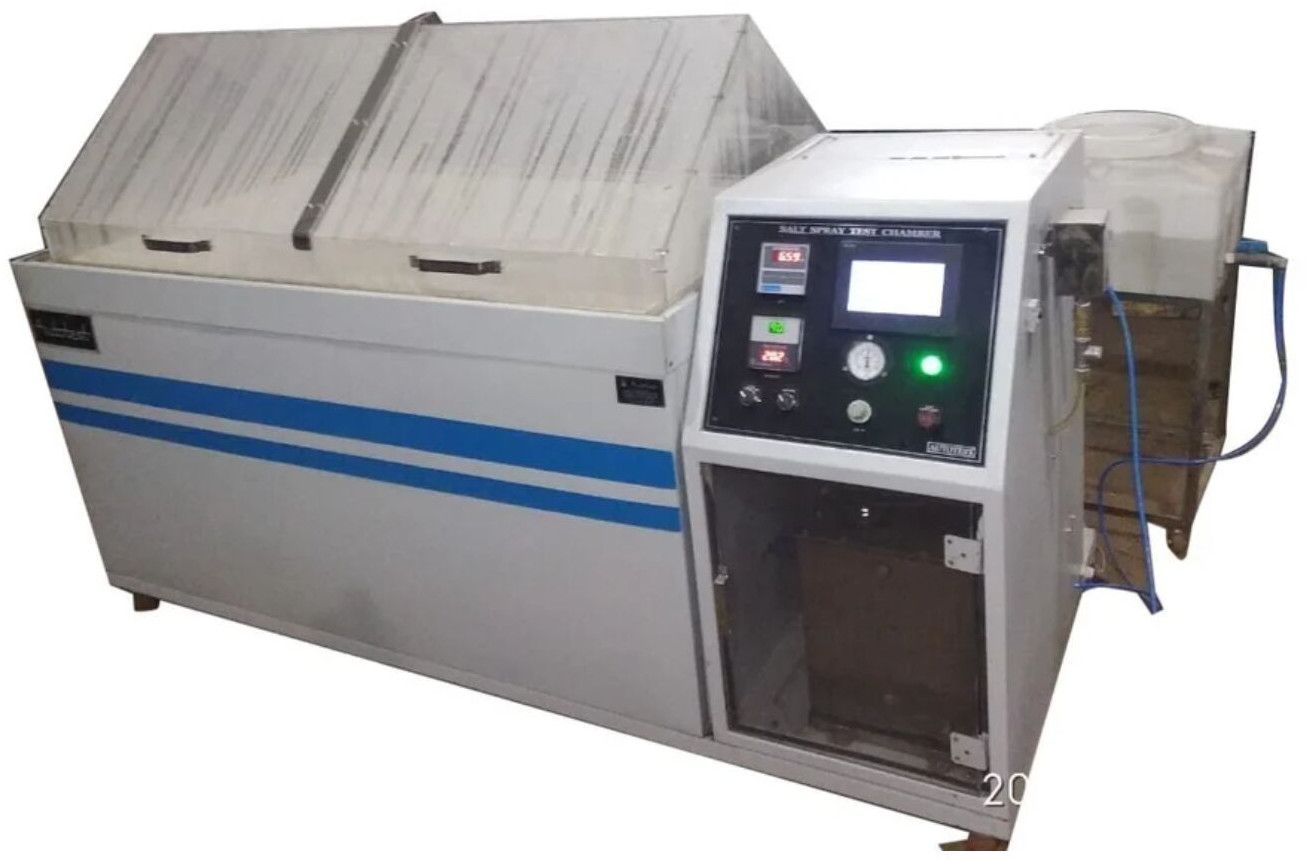
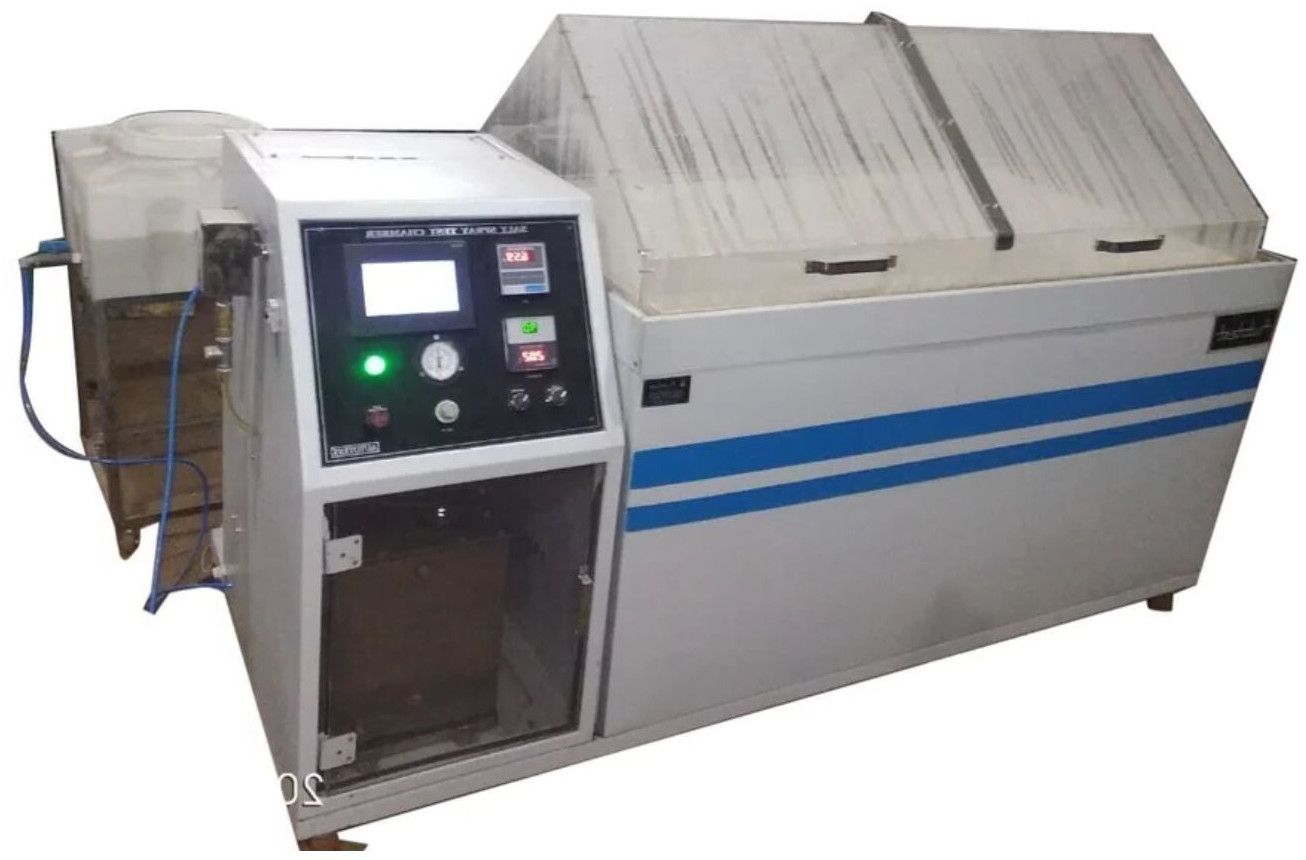
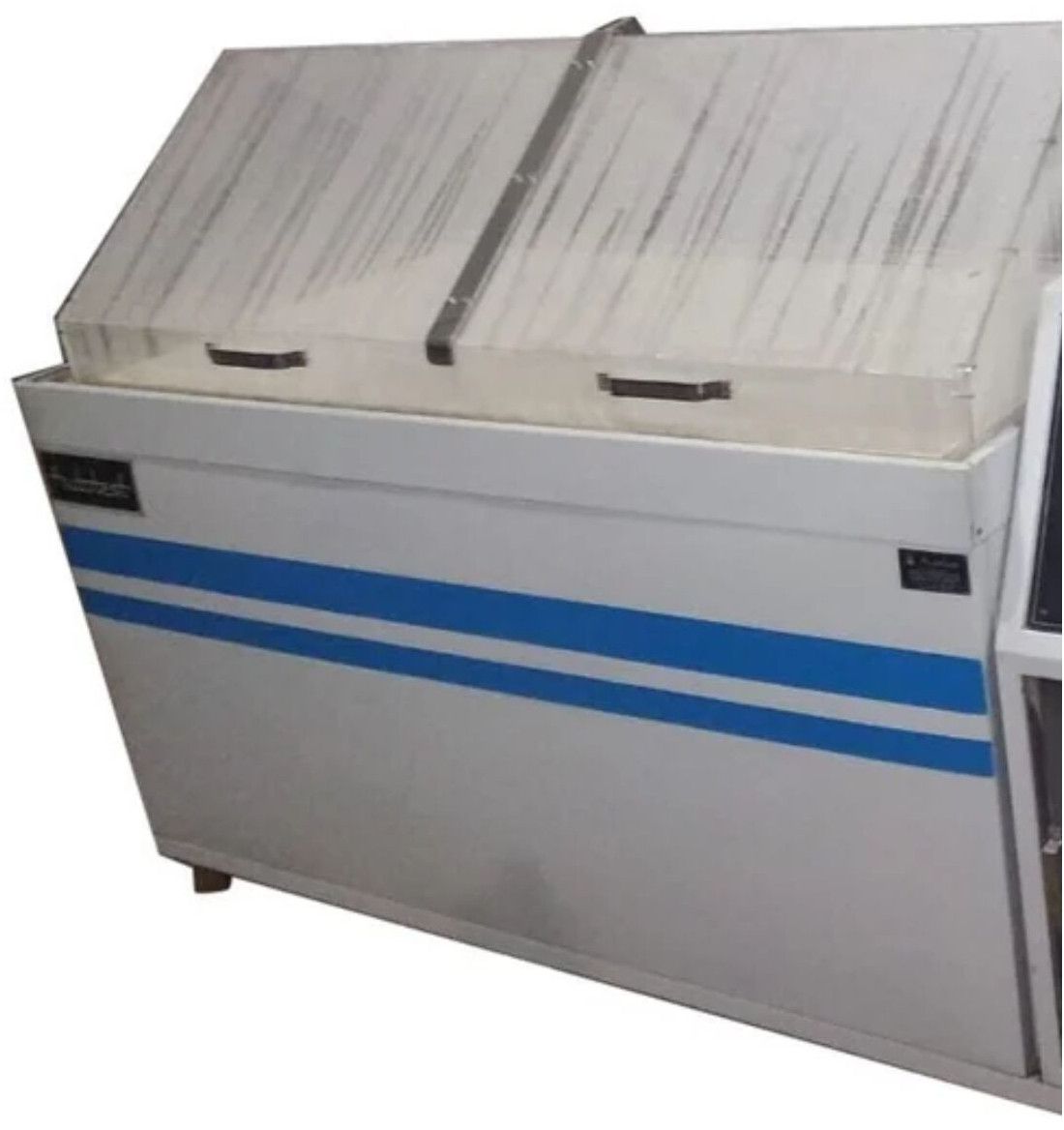
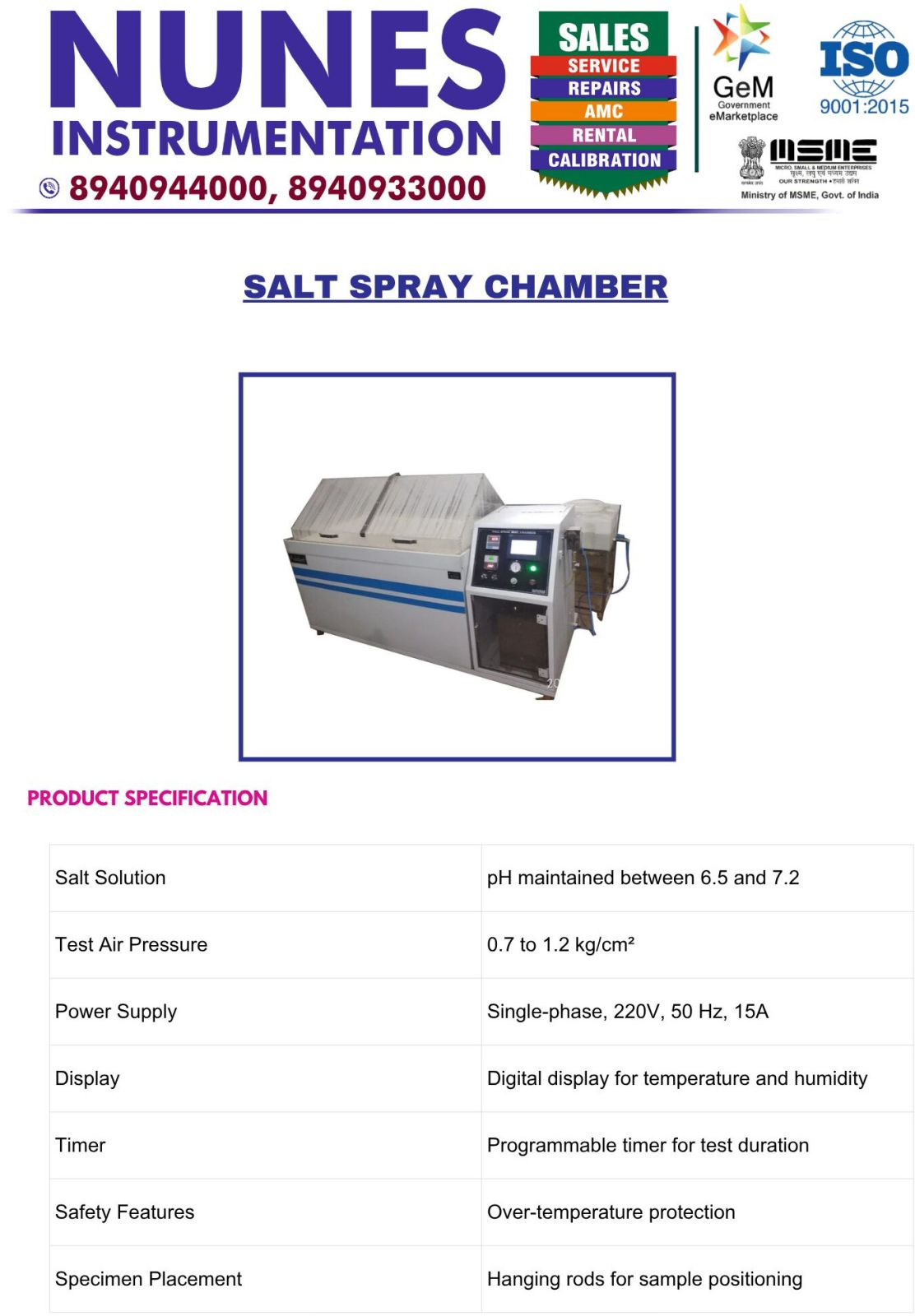
Salt Spray Chambers are specialized testing equipment used to simulate and accelerate the corrosive effects of salt-laden environments on metals, coatings, and other materials. Designed with corrosion-resistant bodies made of SS316 stainless steel or fiber-reinforced plastic (FRP), these chambers ensure durability and longevity in harsh laboratory conditions.
The chamber temperature ranges from ambient to 80C with an accuracy of 1C, while the saturated air barrel maintains temperatures between 40C and 49C. The salt solutions pH is controlled between 6.5 and 7.2 to replicate standard corrosive conditions. The test air pressure is maintained between 0.7 and 1.2 kg/cm to ensure proper atomization of the salt solution.
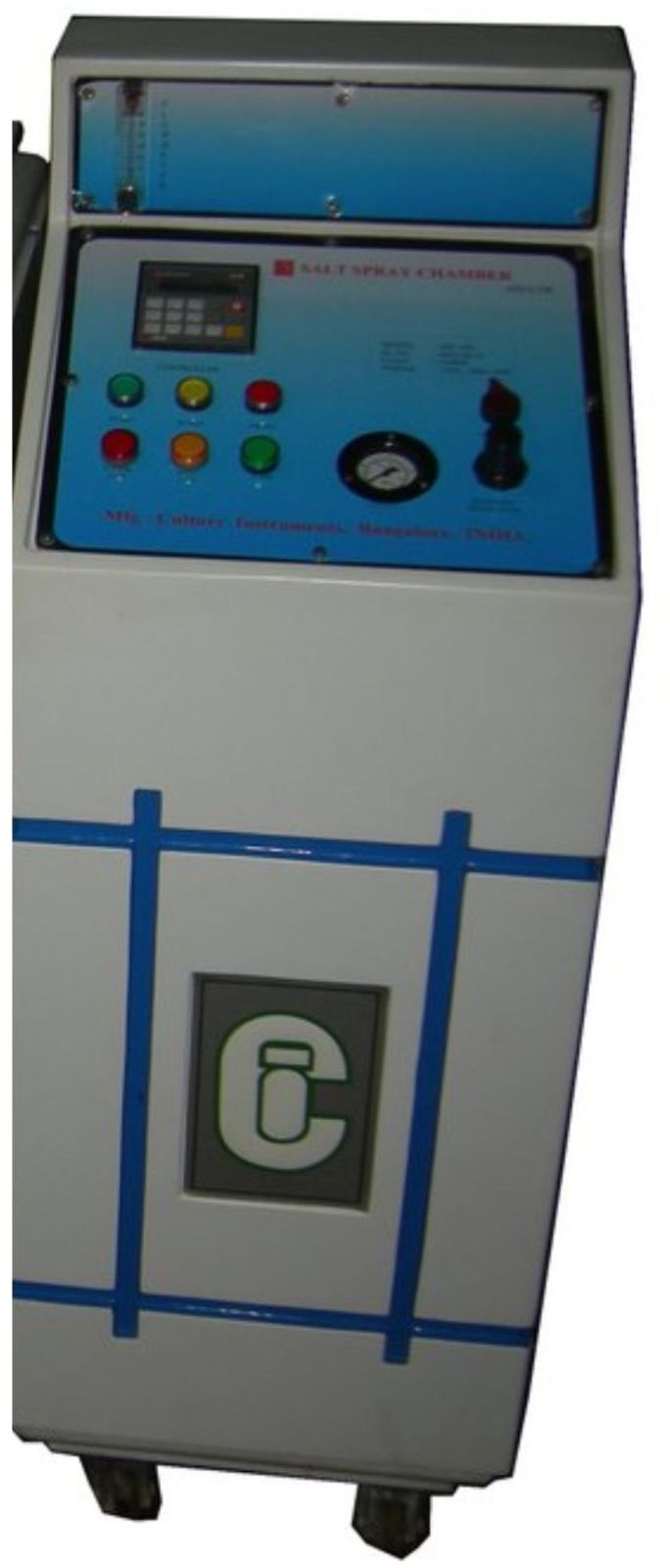
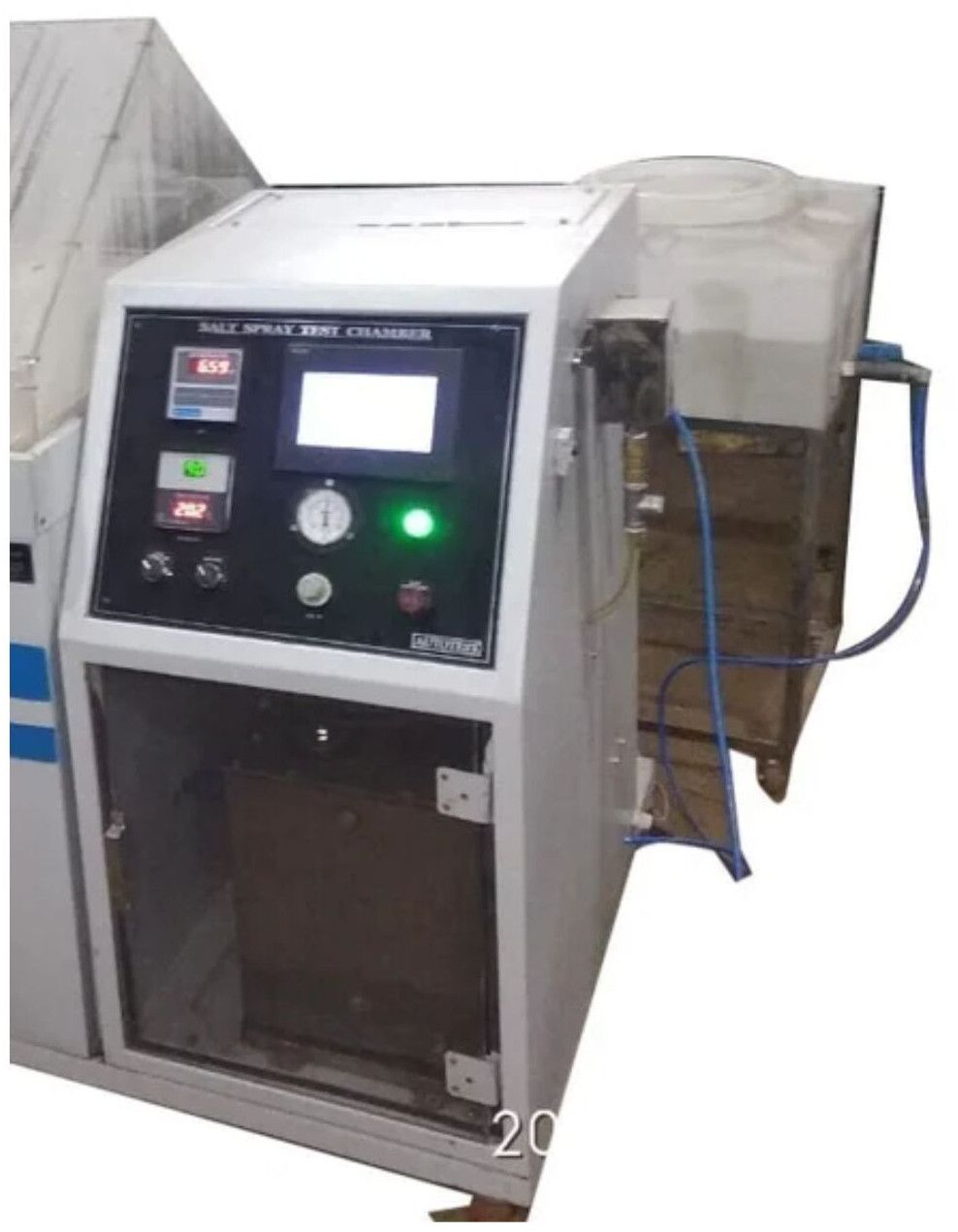
Equipped with a digital display, the chamber allows real-time monitoring of temperature and humidity, and a programmable timer facilitates precise test durations. Specimens are suspended using hanging rods, and safety features such as over-temperature protection ensure safe operation during extended testing cycles.
Key Features
Corrosion-resistant construction using SS316 or FRP for durability
Chamber temperature range from ambient to 80C with 1C accuracy
Saturated air barrel temperature: 40C49C
Salt solution with pH 6.57.2 for standardized testing
Test air pressure adjustable between 0.7 and 1.2 kg/cm
Digital display for real-time monitoring of temperature and humidity
Programmable timer for precise test durations
Safety features including over-temperature protection
Hanging rods for convenient specimen placement
Applications
Corrosion testing of metals and alloys
Evaluation of protective coatings, paints, and surface treatments
Automotive and aerospace component testing
Quality assurance in manufacturing of fasteners, fittings, and hardware
R&D laboratories studying material durability in saline environments
Industrial product development and lifecycle testing
 Mr. Sebastian Francis Nunes (Nunes Instruments)
 11A/1, 11A/2, Sundaram Street, Rathinapuri, Coimbatore, Tamil Nadu - 641027
 https://www.v-techasia.in
 Share us via