Our Product / Services
We offer the best product range of Panel Builder System, Wireless Home Security, Programmable Timer, Motor Drives and sensor static control system.
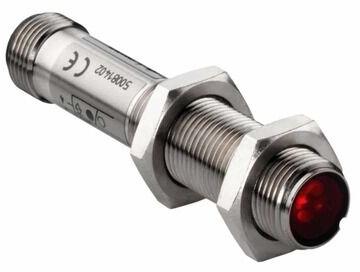
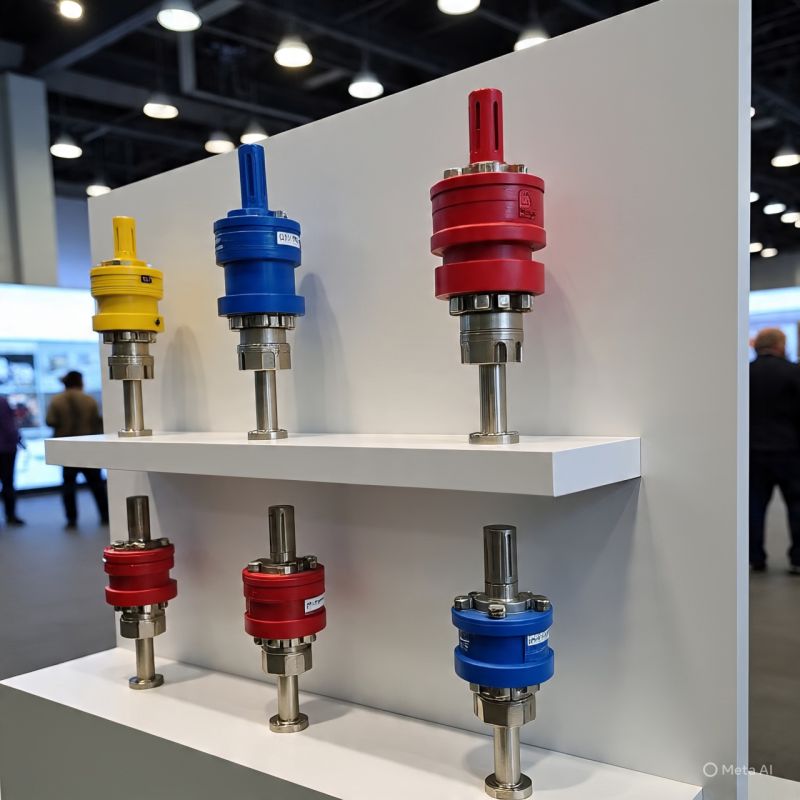
Beam Sensors are optical sensors widely used in industrial automation for detecting objects, presence, or motion by sensing interruptions or reflections of a light beam. They play a crucial role in safety, positioning, counting, and object detection across various manufacturing and processing industries.
Principle of OperationBeam sensors function by emitting a focused light beamtypically infrared or visible red lightfrom an emitter toward a receiver or reflector. Detection occurs when this beam is either interrupted or reflected by an object, triggering a response from the sensor.
There are three main types:
Through-beam (Opposed) Sensors: The emitter and receiver are separate units facing each other. When an object interrupts the beam, the receiver signal is blocked, indicating presence.
Retro-reflective Sensors: The emitter and receiver are housed together; a reflector is positioned opposite. The beam is sent to the reflector and back. An object blocking the beam path causes detection.
Diffuse Reflective Sensors: The emitter and receiver are in the same housing, and the sensor detects light reflected directly from the objects surface. Detection depends on the object's reflectivity.
Emitter: Usually an LED or laser diode producing the light beam.
Receiver: Photodiode or phototransistor that detects the light beam.
Signal Processor: Converts received light signals into digital or analog outputs.
Housing: Durable and often rated IP65 or higher for dust and water resistance.
Mounting Hardware: Brackets or clamps for precise alignment and installation.
Non-contact Detection: Prevents mechanical wear and damage to objects.
High Speed Response: Suitable for fast-moving production lines.
Long Sensing Range: Through-beam types can detect objects up to several meters or even tens of meters.
Versatility: Suitable for detecting a wide range of materials and colors.
Easy Installation and Alignment: Flexible mounting options and adjustable sensitivity.
Reliability: Resistant to dust, moisture, and vibration in industrial environments.
Object Detection and Counting:
Detect presence, passage, or absence of products on conveyor belts.
Safety Systems:
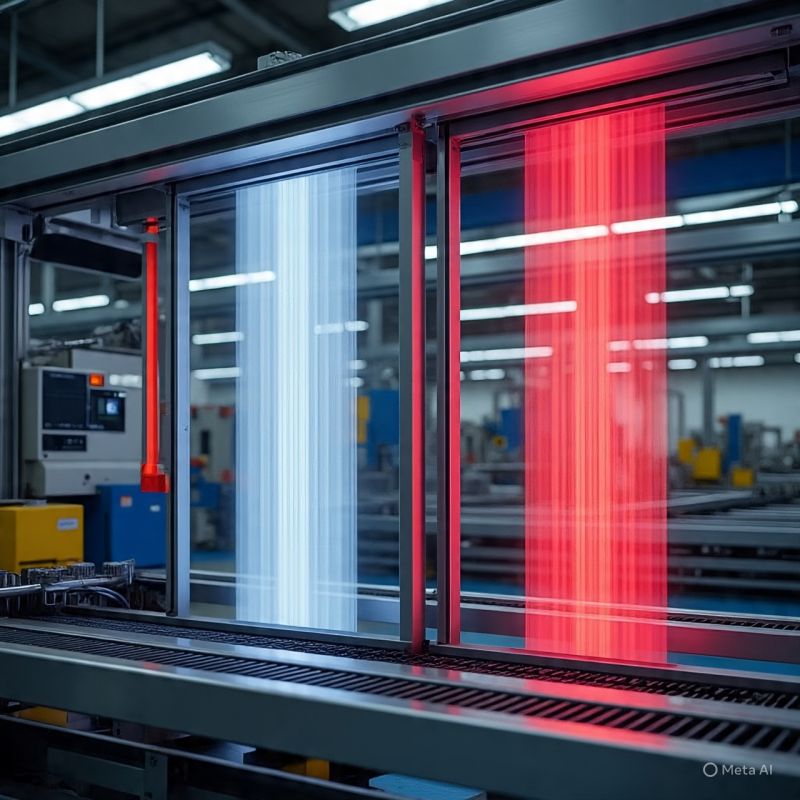
Integrated into light curtains or perimeter guarding to stop machinery when a beam is broken.
Positioning and Sorting:
Assist robotic arms and automated systems in locating and handling items.
Packaging and Labeling:
Ensure packages are correctly positioned and labels are present.
Level Detection:
Detect material or product levels in hoppers or containers.
Ensure proper alignment between emitter and receiver for through-beam or reflector for retro-reflective sensors.
Use mounting brackets to maintain stable positioning, especially in vibrating environments.
Adjust sensitivity to accommodate varying target sizes, colors, and surface finishes.
Protect sensor lenses from dust and damage by using appropriate covers or cleaning regularly.
Avoid ambient light interference by positioning sensors away from direct sunlight or bright artificial lights.
In an automated bottling plant, beam sensors detect bottles passing on the conveyor. When a bottle breaks the beam between emitter and receiver, the sensor signals the filling machine to dispense liquid. This ensures precise filling and reduces waste.
ConclusionBeam sensors provide reliable, precise, and non-contact detection essential for modern industrial automation. Their adaptability to various environments and materials, combined with fast response and long detection ranges, makes them indispensable for enhancing productivity, safety, and quality control.
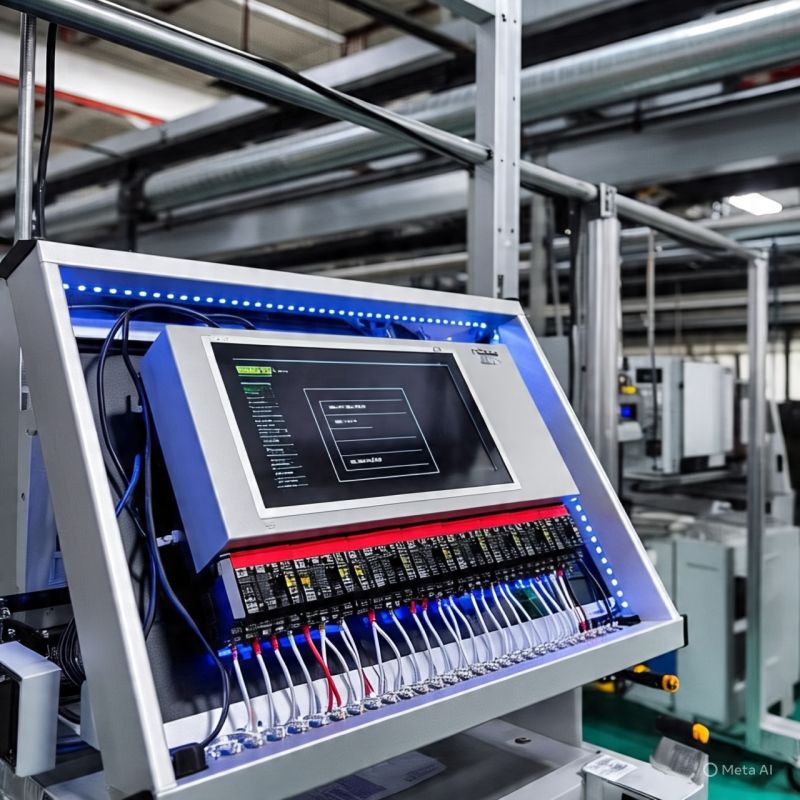
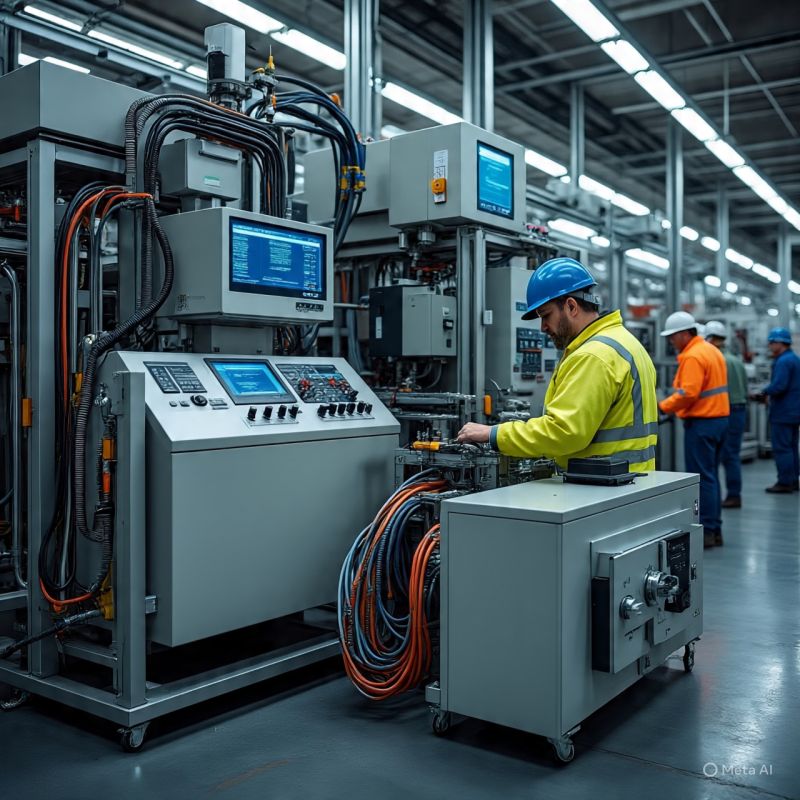
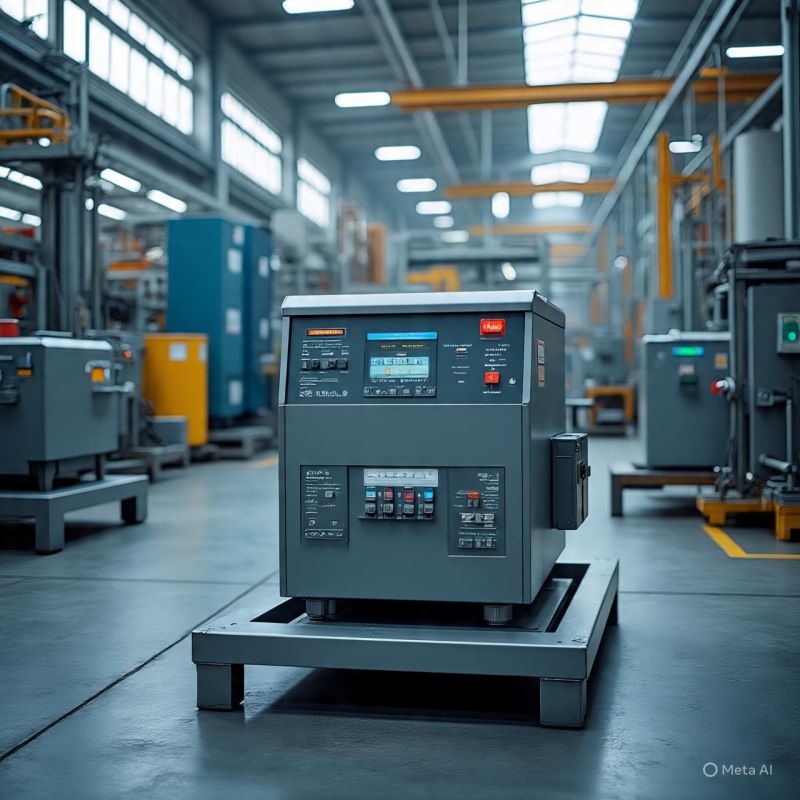
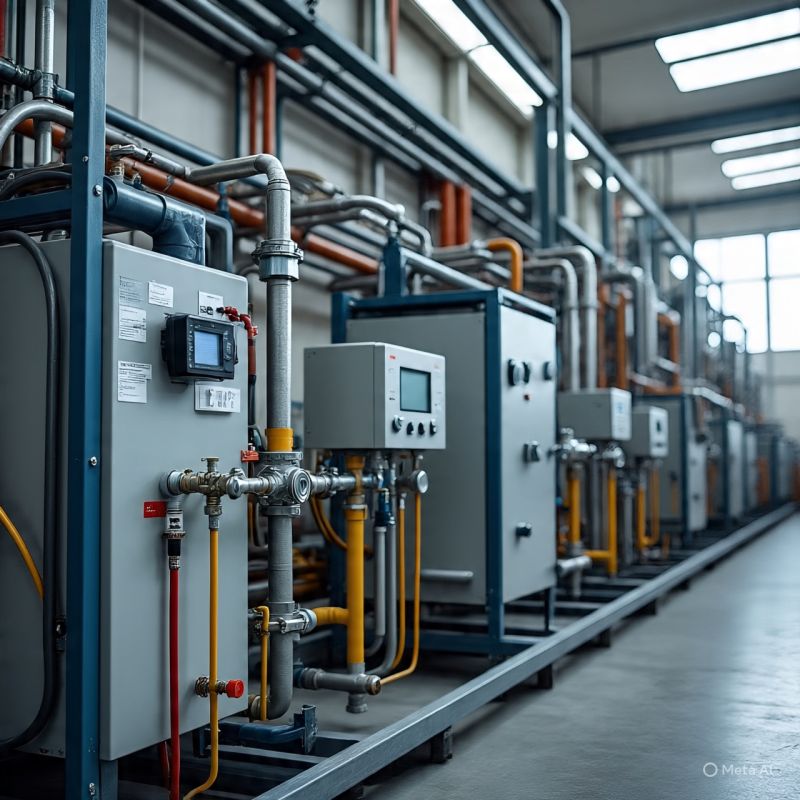
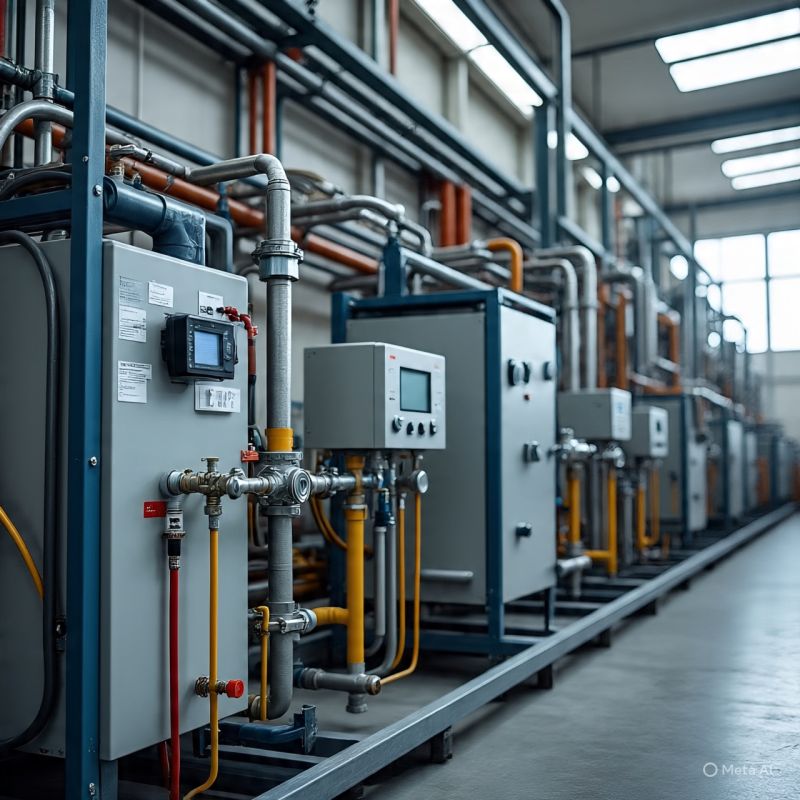
We are deal in all types of Panel Builder system that are available at market leading prices. Panel Builder System refers to a complete framework, toolset, and infrastructure for designing, assembling, wiring, and testing electrical control panels or distribution boards. Panel builders serve industries like manufacturing, HVAC, process plants, energy systems, and commercial infrastructure by integrating electrical and automation hardware into safe, standardized enclosures. ower Control Center (PCC)Main distribution for high-current load centers
Motor Control Center (MCC)Controls and protects multiple motors
Automation PanelsHouses PLCs, HMIs, I/O modules for industrial automation
APFC PanelsAutomatic Power Factor Correction using capacitor banks
Lighting Distribution PanelsBreaker-fed lighting circuits
VFD / Soft Starter PanelsSpeed control of motors using drives
Synchronizing PanelsUsed with generators for load sharing
Bus Duct PanelsHigh-current, modular distribution via busbar systems Protection DevicesMCB, MCCB, ELCB, fuses
Control DevicesContactors, overload relays, timers
Automation DevicesPLC, HMI, relays, analog/digital I/O modules
SwitchgearIsolators, ACBs, SF6 breakers
Measurement DevicesEnergy meters, ammeters, voltmeters, CT/PTs
Wiring AccessoriesTerminal blocks, ferrules, cable ducts
Cooling AccessoriesPanel fans, thermostats, ventilation louvers
EnclosuresMild steel (MS), stainless steel, polycarbonate
LabelingDIN rail markers, panel front name plates
leelavati automation
Panel Building Workflow
Design & Planning:
Circuit layout using EPLAN, AutoCAD, or ECAD
SLD (Single Line Diagram) & wiring diagrams
Bill of Materials (BOM) and component layout
Fabrication & Assembly:
Enclosure preparation (cutouts, powder coating, earthing)
DIN rail and cable duct mounting
Component placement and fastening
leelavati automation
Wiring:
Control and power wiring as per schematic
Ferrule numbering, wire color coding, cable termination
Testing & Quality Check:
Continuity, insulation resistance, and functional testing
Load simulation and I/O test for automation panels
Documentation:
As-built drawings, manuals, and compliance reports
Certificates of conformity (COC), FAT (Factory Acceptance Test)
Industrial Applications
Manufacturing units – motor control, process automation
Infrastructure – lighting and energy management
leelavati automation
Renewable energy – solar inverter panels, battery management
Utilities – water treatment, power distribution
Oil & Gas / Pharma – hazardous area certified panels (ATEX/IP65) IEC 61439Low-voltage switchgear and controlgear assemblies
IEC 60204-1Electrical safety for machinery control panels
IS 8623Indian standard for switchgear panels
NFPA 79 / UL 508ANorth American panel design & safety standards
IP Rating (IP54–IP65)Dust/water ingress protection levels Simple MCC Panel (3–4 motors)15–30 HP motors
PLC-Based Automation Panel16–64 I/Os + HMI
PCC Panel (400–800A)Main incoming, ACBs
VFD Starter Panel (30–90 kW)Drive + protection
Solar ACDB/DCDB5–100 kW plants enclosure type, IP rating, and automation level. Standardized Panel Builder System
Faster production with modular DIN-rail and standard layouts
Improved safety through tested interlocks and protections
Customizable to meet plant-specific requirements
Reduced wiring errors via clear documentation and standard color codes
Easy maintenance with labeled components and fault indicators
Smart-ready (IoT/IIoT panels with Ethernet, Modbus, cloud connectivity) digital design software integration SCADA/PLC Panel Builder Configuration
leelavati automation
Additional Information:
Payment Terms :
Packaging Details : Panel Builder System refers to a complete framework, toolset, and infrastructure for designing, assembling, wiring, and testing electrical control panels or distribution boards. Panel builders serve industries like manufacturing, HVAC, process plants, energy systems, and commercial infrastructure by integrating electrical and automation hardware into safe, standardized enclosures. ower Control Center (PCC) Main distribution for high-current load centers
Motor Control Center (MCC) Controls and protects multiple motors
Automation Panels Houses PLCs, HMIs, I/O modules for industrial automation
APFC Panels Automatic Power Factor Correction using capacitor banks
Lighting Distribution Panels Breaker-fed lighting circuits
VFD / Soft Starter Panels Speed control of motors using drives
Synchronizing Panels Used with generators for load sharing
Bus Duct Panels High-current, modular distribution via busbar systems Protection Devices MCB, MCCB, ELCB, fuses
Control Devices Contactors, overload relays, timers
Automation Devices PLC, HMI, relays, analog/digital I/O modules
Switchgear Isolators, ACBs, SF6 breakers
Measurement Devices Energy meters, ammeters, voltmeters, CT/PTs
Wiring Accessories Terminal blocks, ferrules, cable ducts
Cooling Accessories Panel fans, thermostats, ventilation louvers
Enclosures Mild steel (MS), stainless steel, polycarbonate
Labeling DIN rail markers, panel front name plates
leelavati automation
Panel Building Workflow
Design & Planning:
Circuit layout using EPLAN, AutoCAD, or ECAD
SLD (Single Line Diagram) & wiring diagrams
Bill of Materials (BOM) and component layout
Fabrication & Assembly:
Enclosure preparation (cutouts, powder coating, earthing)
DIN rail and cable duct mounting
Component placement and fastening
leelavati automation
Wiring:
Control and power wiring as per schematic
Ferrule numbering, wire color coding, cable termination
Testing & Quality Check:
Continuity, insulation resistance, and functional testing
Load simulation and I/O test for automation panels
Documentation:
As-built drawings, manuals, and compliance reports
Certificates of conformity (COC), FAT (Factory Acceptance Test)
Industrial Applications
Manufacturing units motor control, process automation
Infrastructure lighting and energy management
leelavati automation
Renewable energy solar inverter panels, battery management
Utilities water treatment, power distribution
Oil & Gas / Pharma hazardous area certified panels (ATEX/IP65) IEC 61439 Low-voltage switchgear and controlgear assemblies
IEC 60204-1 Electrical safety for machinery control panels
IS 8623 Indian standard for switchgear panels
NFPA 79 / UL 508A North American panel design & safety standards
IP Rating (IP54IP65) Dust/water ingress protection levels Simple MCC Panel (34 motors) 1530 HP motors
PLC-Based Automation Panel 1664 I/Os + HMI
PCC Panel (400800A) Main incoming, ACBs
VFD Starter Panel (3090 kW) Drive + protection
Solar ACDB/DCDB 5100 kW plants enclosure type, IP rating, and automation level. Standardized Panel Builder System
Faster production with modular DIN-rail and standard layouts
Improved safety through tested interlocks and protections
Customizable to meet plant-specific requirements
Reduced wiring errors via clear documentation and standard color codes
Easy maintenance with labeled components and fault indicators
Smart-ready (IoT/IIoT panels with Ethernet, Modbus, cloud connectivity) digital design software integration SCADA/PLC Panel Builder Configuration
leelavati automation
Delivery Time : ref description
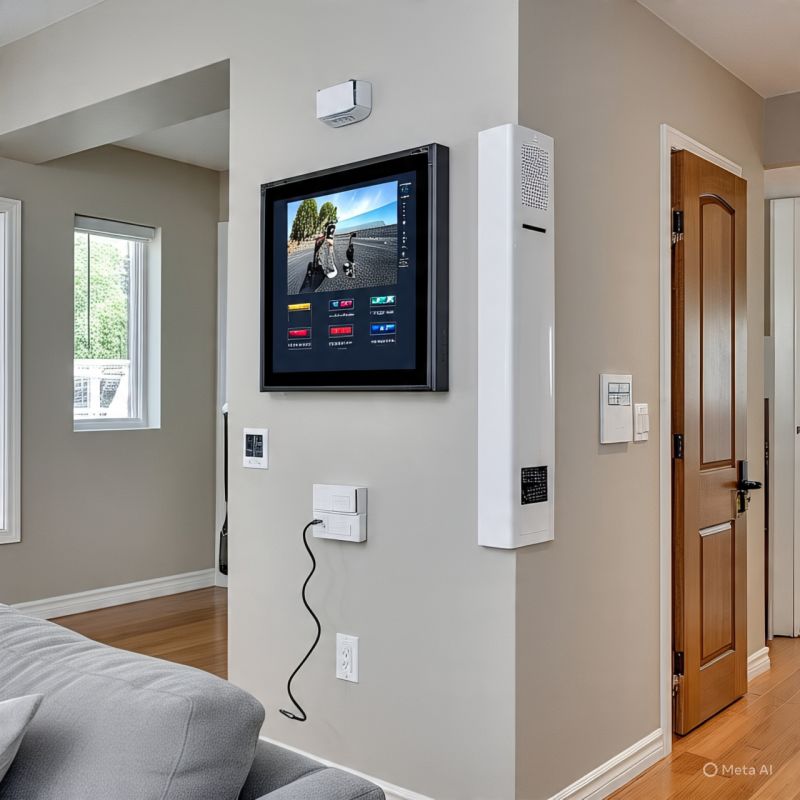
We provide you to its world of wireless home security Wireless security systems combine convenience with robust monitoring and control, making them ideal for both new installations and upgrades. Their flexibility, scalability, and integration with modern IoT platforms offer a future-proof approach to safety and security.
leelavati automation
Wireless Security Systems use wireless communication technologies (Wi-Fi, Zigbee, LoRa, Bluetooth, cellular) to connect security devices such as sensors, cameras, alarms, and control panels without the need for physical wiring. These systems offer flexible installation, scalability, and remote monitoring capabilities. Wireless Security Systems
Wireless Sensors: Motion detectors, door/window contacts, glass break sensors, smoke detectors
Cameras: IP cameras with Wi-Fi or cellular connectivity, supporting HD video and night vision
leelavati automation
Control Panel/Hub: Central unit managing devices, often with mobile app integration
Alarms & Sirens: Audible/visual alerts triggered wirelessly
Communication Modules: Wi-Fi, Zigbee, Z-Wave, LoRa, GSM/LTE for remote alerts and control
Mobile App/Web Portal: Real-time monitoring, notifications, and system control from anywhere Factory perimeter and zone intrusion detection
Remote site monitoring where wiring is impractical
Warehouse asset protection with motion and vibration sensors
Office security with multi-zone sensors and CCTV
Access control combined with wireless badge readers and alarmsEasy and fast installation without costly wiring
Scalable and flexible — add/remove devices as needed
Remote monitoring and control via smartphones or PCs
Lower maintenance with battery-powered sensors and low-power protocols
Integration with smart home/IoT systems for automation
leelavati automation
Cost-effective for retrofit projects i-FiHigh bandwidth, easy setupVideo streaming, smart home
ZigbeeLow power, mesh networkSensors, alarms, home automation
Z-WaveSecure mesh, interoperabilityHome security systems
LoRaWANLong range, low powerLarge industrial or campus sites
CellularWide area, reliable remote accessRemote site security
BluetoothShort-range, device pairingPersonal security devices
asic wireless door/window sensor
Wireless motion detector
Wi-Fi IP security camera
Wireless siren/alarm
Full wireless security kit (multi-sensor + hub + app) Security & Reliability Considerations
Encryption protocols (AES 128/256) to prevent hacking
Battery life monitoring for sensors to avoid downtime
Signal interference mitigation using mesh or multi-band systems
Tamper detection on devices and communication channels
Redundancy options like cellular backup for internet outages
leelavati automation
Additional Information:
Payment Terms :
Packaging Details : Wireless security systems combine convenience with robust monitoring and control, making them ideal for both new installations and upgrades. Their flexibility, scalability, and integration with modern IoT platforms offer a future-proof approach to safety and security.
leelavati automation
Wireless Security Systems use wireless communication technologies (Wi-Fi, Zigbee, LoRa, Bluetooth, cellular) to connect security devices such as sensors, cameras, alarms, and control panels without the need for physical wiring. These systems offer flexible installation, scalability, and remote monitoring capabilities. Wireless Security Systems
Wireless Sensors: Motion detectors, door/window contacts, glass break sensors, smoke detectors
Cameras: IP cameras with Wi-Fi or cellular connectivity, supporting HD video and night vision
leelavati automation
Control Panel/Hub: Central unit managing devices, often with mobile app integration
Alarms & Sirens: Audible/visual alerts triggered wirelessly
Communication Modules: Wi-Fi, Zigbee, Z-Wave, LoRa, GSM/LTE for remote alerts and control
Mobile App/Web Portal: Real-time monitoring, notifications, and system control from anywhere Factory perimeter and zone intrusion detection
Remote site monitoring where wiring is impractical
Warehouse asset protection with motion and vibration sensors
Office security with multi-zone sensors and CCTV
Access control combined with wireless badge readers and alarmsEasy and fast installation without costly wiring
Scalable and flexible add/remove devices as needed
Remote monitoring and control via smartphones or PCs
Lower maintenance with battery-powered sensors and low-power protocols
Integration with smart home/IoT systems for automation
leelavati automation
Cost-effective for retrofit projects i-Fi High bandwidth, easy setup Video streaming, smart home
Zigbee Low power, mesh network Sensors, alarms, home automation
Z-Wave Secure mesh, interoperability Home security systems
LoRaWAN Long range, low power Large industrial or campus sites
Cellular Wide area, reliable remote access Remote site security
Bluetooth Short-range, device pairing Personal security devices
asic wireless door/window sensor
Wireless motion detector
Wi-Fi IP security camera
Wireless siren/alarm
Full wireless security kit (multi-sensor + hub + app) Security & Reliability Considerations
Encryption protocols (AES 128/256) to prevent hacking
Battery life monitoring for sensors to avoid downtime
Signal interference mitigation using mesh or multi-band systems
Tamper detection on devices and communication channels
Redundancy options like cellular backup for internet outages
leelavati automation
Delivery Time : ref desptn
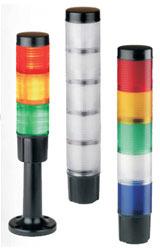
Signal towers are critical tools in modern industrial automation, delivering clear, real-time status indicators that enhance safety, efficiency, and communication. Their modular design, integration capabilities, and robust construction make them adaptable to nearly any industrial environment, ensuring that operators and maintenance teams stay informed and responsive to production needs. eg . When choosing signal towers, consider:
Number of Light Stages: Depending on the complexity of status signals.
Color Requirements: Match industry standards and specific process needs.
Sound Level: Ensure audible alerts are effective without causing noise pollution.
Environmental Rating: IP protection for dust, water, and chemical resistance.
Power Supply: Voltage compatibility (12V, 24V, 110V, 230V).
Communication Features: Basic on/off or smart connectivity for advanced monitoring.
In a car assembly plant, signal towers are mounted on each robotic welding cell. When the cell operates normally, a green light is steady on. If a robot requires maintenance soon, the yellow light flashes. When a fault or emergency stop occurs, the red light flashes and an audible alarm sounds, alerting the floor supervisor immediately. This system minimizes downtime and ensures safety without manual checks.
Additional Information:
Packaging Details : Signal towers interface directly with PLCs, SCADA systems, or other controllers. The automation system activates specific lights and sounds based on process conditions, error codes, or operational states. This integration allows for automated, real-time alerts that improve plant safety and efficiency.
Input Signals: Digital or relay outputs from controllers.
Communication: Some advanced signal towers support smart communication protocols like IO-Link for remote diagnostics and configuration.
Customization: Programmable light patterns (steady, flashing, rotating) and sound sequences tailor alerts to application needs.
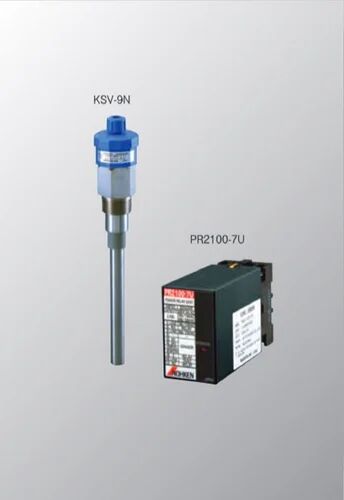
Material Level Capacitance Change Sensor Signal PLC/DCS Input Control Logic Actuator Commands Process ControlA Capacitance Level Sensor measures material levels in tanks by detecting changes in capacitance between a probe and tank wall. It sends signals to a PLC/DCS, enabling automated control of pumps and valves to maintain safe levels. This ensures accurate, real-time monitoring, improves safety, reduces manual checks, and integrates smoothly into industrial automation systems.
Accurate and reliable level measurement
Reduced manual intervention
Improved safety and process efficiency
Integration with wider plant automation and SCADA systemsIn a chemical processing plant, a capacitance level sensor monitors the level of a corrosive liquid inside a storage tank. The sensor sends a 4-20 mA signal to the PLC, which controls the pump filling the tank.
When the level reaches a high threshold, the PLC stops the pump to avoid overflow.
If the level drops below a low threshold, the PLC starts the pump to refill.
Operators monitor the level data on the plants HMI screen and receive alarms in case of sensor faults or abnormal levels.
High Accuracy and Reliability: Suitable for a wide range of materials and environmental conditions.
Non-moving Parts: Low maintenance and longer lifespan.
Versatile Application: Works for liquids, powders, and solids, including corrosive or sticky materials.
Fast Response: Immediate feedback for real-time process adjustments.
Improved Safety: Automatic control prevents overflows or dry running, protecting equipment and personnel.
Easy Integration: Compatible with modern industrial control systems and communication protocols.
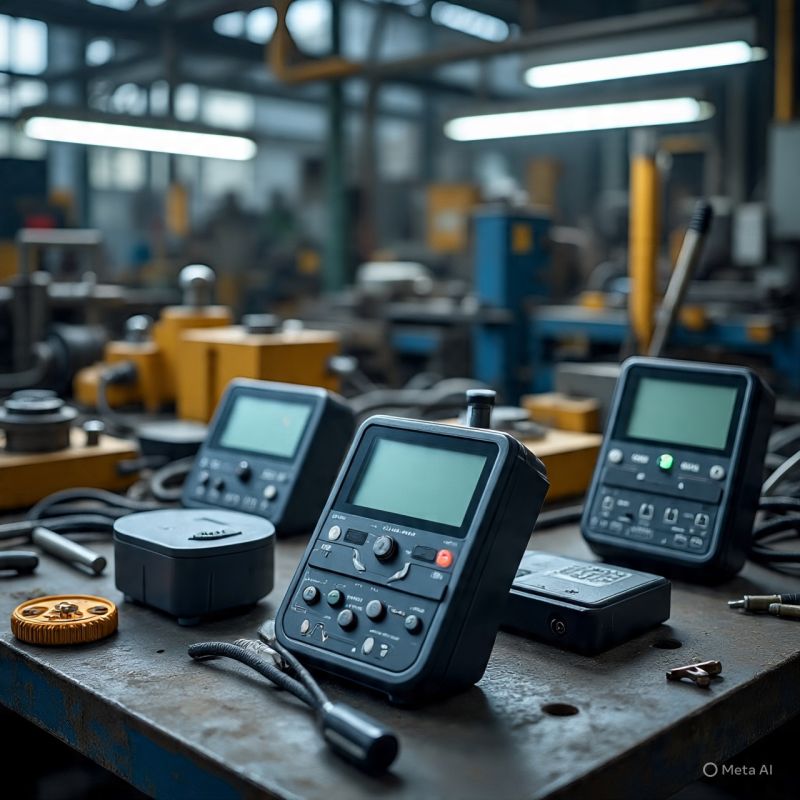
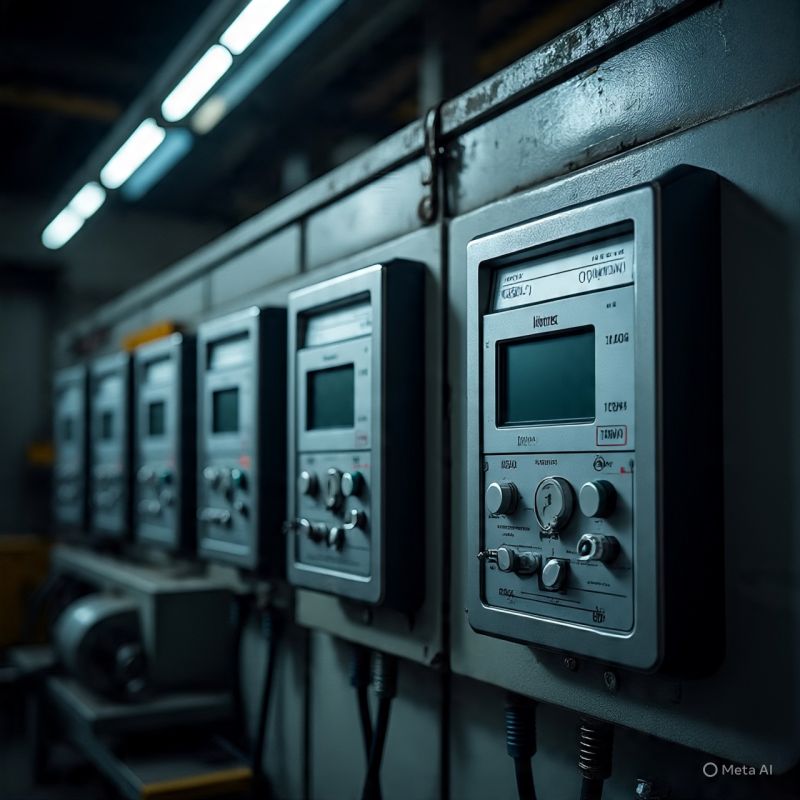
programmable timers, digital timer controller, sequence timer, preset timer, multifunction timer, rate indicator, digital count-down timer, programmable delay timer, 12-channel timer, precision timing, industrial automation timer, LO/HO delay, cyclic timer, industrial time switch, PLC interface timer.Microcontroller-based programmable digital timers. Features include HH:MM:SS display, ON/OFF delays, cyclic logic, RS485 Modbus RTU. Supply: 230/110VAC, 24VDC4/8/12-channel sequential timers with power-fail memory, front keypad and remote reset optionsperfect for industrial sequence controlSQT-1022 programmable digital timer (up to 12 channels), LCD display, flush mounting, delay on/off, countdown, 220240V, 6month warrantyCE-certified compact timers for automation, UV, conveyors, HVAC, water treatment, packaging, and food industries Time Range: Ensure minimum resolution and maximum range match the process. Functionality: Choose ON/OFF delay, on-off/ cyclic, sequential, or one-shot functions per need +++. Channel Count: Multi-channel units for complex operations; single-channel for simpler tasks. Output Load: Check relay/R, time specifications like 230VAC/5A. Enclosure Rating: IP65 or higher for wet/industrial environments. Power & Comms: Choose standard supply voltage; optional Modbus or remote programmability for automation systems Memory Protection: Non-volatile memory or power-fail retention ensures program integrity . Certifications: Look for CE, ISO, agency approvals for industrial compliance. Manufacturing/Assembly: Control sequence timing, cycle operations, and equipment interlocks. Packaging & Conveyors: Trigger actuators, count items, and regulate dwell times. HVAC & Lighting Control: Automate schedules in buildings, save energy. Water & Waste Treatment: Timed dosing, backwash cycles, pump control. Food Processing & Baking: Manage cook/dry/batch durations precisely . Engineered Applications: Provide delay and repetition for bag filters, dust collectors, presses, lubrication systemsleelavati automation Preset Counters & Totalizers: Count pulses/sensor inputs to trigger outputs at preset values. Ideal for batching, drilling, or positioning applications Rate Indicators & Controllers: Measure process rates (e.g., RPM, feet-per-minute) and activate alarms or outputs at predefined thresholds Preset (Delay) Timers: Execute ON/OFF-delay, interval timing, leelavati automation or cycle sequences based on external triggers. Applicable to machine cycles, event timing, and process regulation Multifunction Sequence Controllers: Combine counting, timing, and sequencing across multiple channelssupports sequential operations with flexible logic and memory backup . Analog/Solid-State Timers & Cam Timers:leelavati automation Economical analog units with synchronous motors; cam timers for mechanical sequence control in repetitive processes leelavati automation programmable timers are precision electronic devices engineered for time-based control and automation in industrial and commercial applications. They provide accurate scheduling, counting, and sequence control to enhance operational efficiency. Key Features & Benefits High Precision & Accuracy: Modern digital timers offer resolutions of 0.019999hours and precision from 0.055seconds, facilitated by quartz/crystal timing circuits with minimal drift leelavati automation Customizable Time Functions: Users can program ON-delay, OFF-delay, cyclic, one-shot, sequential & combination mode profiles. Multi-channel models (4, 8, 12 channels) support advanced sequencing User-Friendly Interface: LED or LCD displaysleelavati automation enable easy setup and real-time monitoring of countdowns/up, setpoints, and program modes Robust & Industrial Grade: Built for harsh environmentsIP20IP65 rated; tolerant to dust, vibration, and E
Additional Information:
Packaging Details : Application Area Timer Role
Packaging Machines Control sealing time or wrapping cycles
Welding Machines Set preheat, weld, and cooling intervals
Elevators Control door delay and floor logic timing
Boilers & Furnaces Ignition and heating timing control
Dust Collectors Sequential timer triggers pulse jets ndustrial Machines: Automatic start/stop of motors or pumps
Lighting Control: Street lights, signage, stage lighting
Process Control: Delays in heating, cooling, or batch processing
Security Systems: Timed alarms or sirens
Home Automation: Appliance scheduling, irrigation iming Range: From milliseconds to days (e.g., 0.01s to 9999h)
Power Supply: 12VDC, 24VDC, 110VAC, or 230VAC
Output Type: Relay (SPDT, DPDT), solid-state, or transistor
Mounting Type: DIN rail, panel mount, or plug-in socket
Display: LED or LCD showing countdown/up or set time
N-Delay Timer
Turns ON the output after a set time delay once the input is energized.
OFF-Delay Timer
Output turns OFF after a delay when the input is de-energized.
Cyclic (Repeat Cycle) Timer
Alternates ON and OFF at regular intervals repeatedly.
One-Shot Timer (Monostable)
Output turns ON for a fixed duration after triggering, then returns OFF.
Multi-function Timer
Can perform various timing functions selectable via DIP switches or programming.
Sequential Timer (Multi-Channel)
Activates multiple outputs in a specific timed order used in conveyor belts, lighting sequences, etc.

High-performance servo drive supporting EtherCAT, Mechatrolink II; designed for precise motion control in CNC machines, robots, packaging lines . Applications: CNC milling, robotic arms, pick-and-place systems, precision motion Powerful 5kW servo drive with EtherCAT connectivity; rugged, industrial-grade . Applications: Heavy-duty automation: injection molding machines, large conveying systems. leelavati automation Description: Compact 400W EtherCAT drive in G5 family, ideal for light automation. Applications: Small machines, lab automation, packaging robots Description: Simplified servo solution with embedded safety functions (Safe Torque Off, SIL2/PLd); excellent loop control . Applications: General-purpose motion control; educational setups Application: Paired with 1S drives for precise positioning in OEM machines or compact automation cells Black 1S AC Servo Motor 400W
Additional Information:
Payment Terms :
Packaging Details : Basic servo drives (400W)
Mid-range (1.53kW) EtherCAT
Heavy-duty servo drives (5kW)
Industrial-grade servo motors
FANUC robotics & CNC controllers
Process control sensors/instrumentation
DCS/Rack-level control systems Use 1S series: For compact single-axis systems needing basic safety and motion.
Delivery Time : ref descptn

Factory Automation / Robot Controllers Premier CNC motion, robot PLC controls (R-30iB Plus).
CNC machining leelavati automation centers, industrial robotics, automated assembly Custom quotes; typical robot controller + arm systems Explosion-safe sensors, encoders, RFIDused for hazard environments Oil & gas, chemical plants, leelavati automation automated doors, process instrumentation. level sensors explosion-rated units Includes DCS nodes, pressure/flow transmitters, SCADA I/O Refineries, petrochem, power plants with leelavati automation tight process control. Pressure transmitters full DCS racks High-end industrial controllers, HMIs, motion modules Machine tool controls, packaging automation, food industry plants. Controller + HMI panels on system Basic servo drives (400W)
Mid-range (1.53kW) EtherCAT drives
Heavy-duty servo drives (5kW)
Industrial-grade servo motors
FANUC robotics & CNC controllers
Process control sensors/instrumentation
DCS/Rack-level control systems Sensor Proximity Sensor Object presence ON/OFF (digital), 24V DC
Temperature Sensor Temperature C or mV (for thermocouple)
Pressure Sensor Pressure bar, psi, or 420mA
Flow Sensor Flow rate L/min or 420mAleelavati automation
Ultrasonic Sensor Distance mm or 010V analog
Photoelectric Sensor Light interruption ON/OFF, or V/mA (analog models)
Load Cell Force mV/V, then converted to kg or N
Encoder Position, speed Pulses per revolution (PPR), rpm
Additional Information:
Packaging Details : Factory Automation / Robot Controllers Premier CNC motion, robot PLC controls (R-30iB Plus).
CNC machining leelavati automation centers, industrial robotics, automated assembly Custom quotes; typical robot controller + arm systems Explosion-safe sensors, encoders, RFIDused for hazard environments Oil & gas, chemical plants, automated doors, process instrumentation. level sensors explosion-rated units Includes DCS nodes, pressure/flow transmitters, SCADA I/O Refineries, petrochem, power plants with leelavati automation tight process control. Pressure transmitters full DCS racks High-end industrial controllers, HMIs, motion modules Machine tool controls, packaging automation, food industry plants. Controller + HMI panels on system Basic servo drives (400W)
Mid-range (1.53kW) EtherCAT drives
Heavy-duty servo drives (5kW)
Industrial-grade servo motors
FANUC robotics & CNC controllers
Process control sensors/instrumentation
DCS/Rack-level control systems
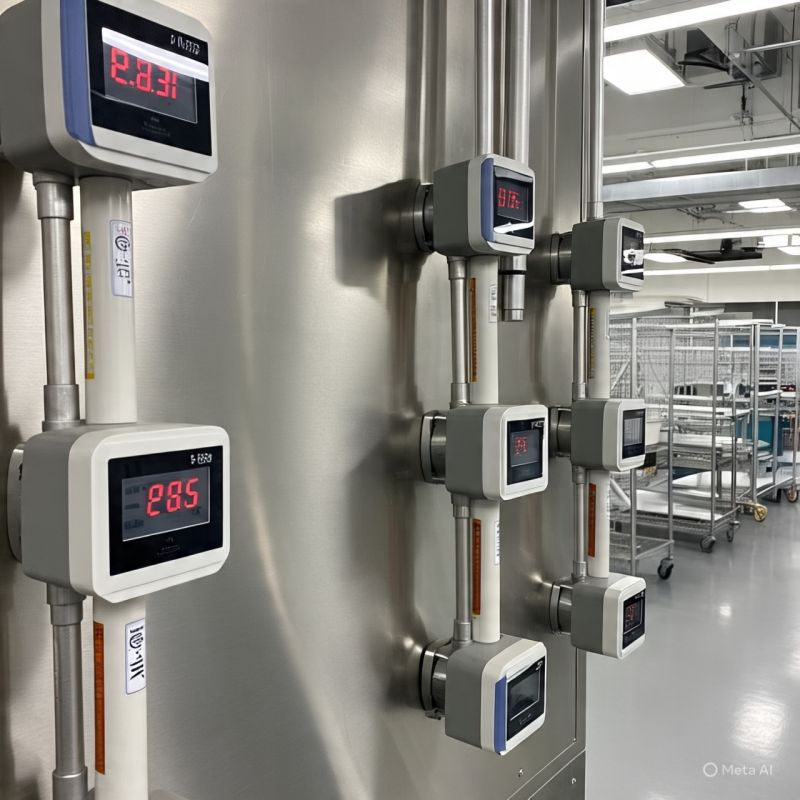
RTD (Pt100, Pt1000) C, F, (Ohms) Precision temperature in machines
Thermocouple (J/K/T) C, F, mV (millivolts) Furnaces, industrial ovens
Thermistor C, HVAC systems, lab equipment
RTD (Resistance Temperature Detector) -200C to +600C 0.1C to 0.5C Medium Analog (Ohms), 420mA High
Thermocouple (e.g. Type K, J, T, E) -200C to +1800C 0.5% of reading Fast mV, 420mA Very High
Thermistors -100C to +300C 0.1C Fast Resistance Moderate
Infrared (Non-contact) -50C to +3000C 1C or 1% Very Fast Digital/Analog High
Semiconductor Sensors (IC based) -55C to +150C 0.5C Medium Digital (I2C/SPI) Low temperature sensors are devices designed to measure temperature in harsh or controlled industrial environments. They convert temperature into an electrical signal for monitoring or control purposes. These sensors are critical in maintaining safe and optimal operational conditions in manufacturing, processing, and power generation industries.
Manufacturing & Process Control
Monitoring temperatures in ovens, furnaces, and kilns.
Controlling plastic extrusion, molding, and metal heat treatment. Measuring temperature in pipelines, storage tanks, and refineries. Used in explosion-proof and high-pressure zones. Power Plants Steam and boiler temperature monitoring. Generator and turbine heat management. Chemical & Pharmaceutical
Reactor vessel temperature.
leelavati automation
Cold chain and batch processing validation. HVAC & Building Automation
Room temperature sensing.
Chiller and heat exchanger efficiency control.Automotive and Aerospace
Engine temperature monitoring.
leelavati automation
Exhaust and air intake systems. Food & Beverage
Cooking and pasteurization control.
Cold storage and transport validation.ccuracy requirements
Response time needed
Environmental conditions (dust, moisture, chemicals)
Range of temperature
Output compatibility with PLCs, SCADA
leelavati automation
Accuracy and certification (e.g., ISO, ATEX)
Probe length and material (SS316, Inconel, etc.)
Ingress protection (IP ratings), explosion-proof casing
Signal conditioning (420mA, Modbus, etc.)
Application-specific builds (e.g., autoclaves, corrosive environments)
Additional Information:
Payment Terms :
Packaging Details : temperature sensors are devices designed to measure temperature in harsh or controlled industrial environments. They convert temperature into an electrical signal for monitoring or control purposes. These sensors are critical in maintaining safe and optimal operational conditions in manufacturing, processing, and power generation industries.
Manufacturing & Process Control
Monitoring temperatures in ovens, furnaces, and kilns.
Controlling plastic extrusion, molding, and metal heat treatment. Measuring temperature in pipelines, storage tanks, and refineries. Used in explosion-proof and high-pressure zones. Power Plants Steam and boiler temperature monitoring. Generator and turbine heat management. Chemical & Pharmaceutical
Reactor vessel temperature.
leelavati automation
Cold chain and batch processing validation. HVAC & Building Automation
Room temperature sensing.
Chiller and heat exchanger efficiency control.Automotive and Aerospace
Engine temperature monitoring.
leelavati automation
Exhaust and air intake systems. Food & Beverage
Cooking and pasteurization control.
Cold storage and transport validation.ccuracy requirements
Response time needed
Environmental conditions (dust, moisture, chemicals)
Range of temperature
Output compatibility with PLCs, SCADA
leelavati automation
Delivery Time : ref descptn
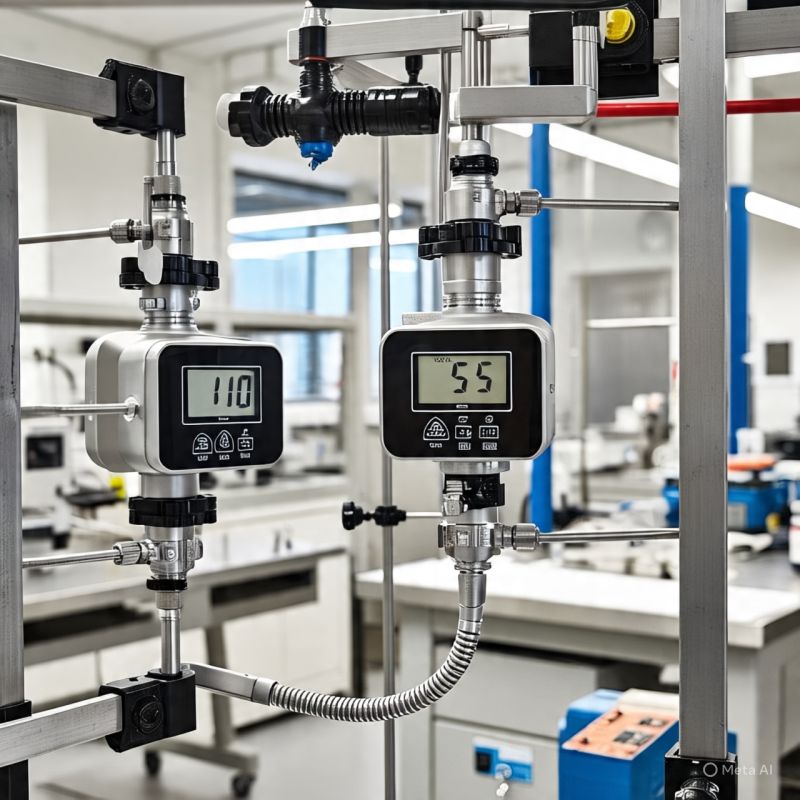
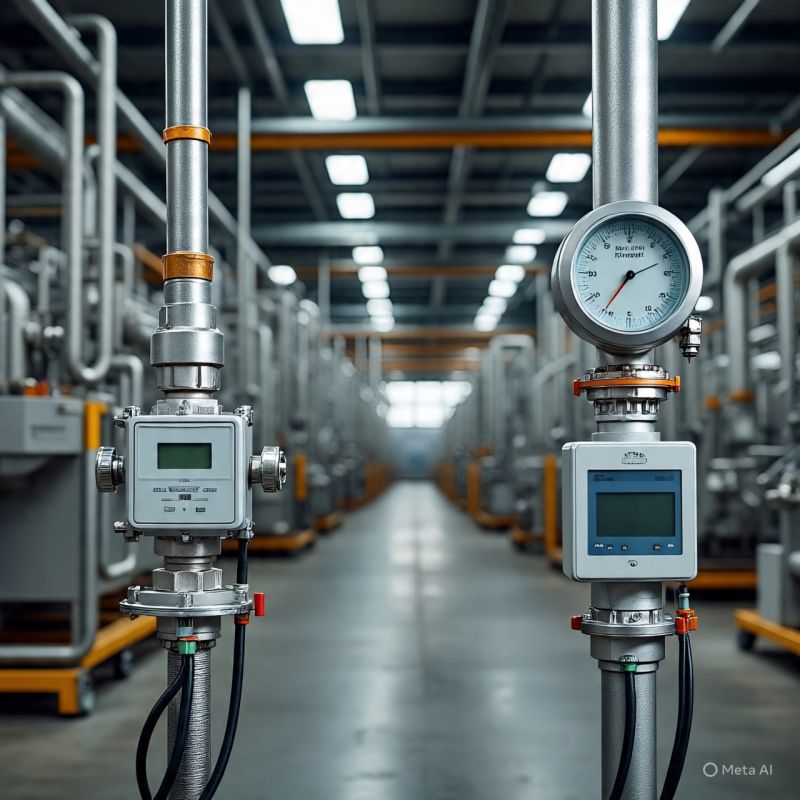
Pressure and vacuum sensors measure the force exerted by gases or liquids. While pressure sensors measure the positive force (above atmospheric pressure), vacuum sensors measure pressure below atmospheric levels (i.e., vacuum conditions). These sensors convert physical pressure into electrical signals for monitoring and control.
leelavati automation
Gauge Pressure Sensor 0 to 10 bar / 01000 psi 0.25% to 1.0% FS 420 mA, 010 V, IC
Additional Information:
Payment Terms :
Packaging Details : Pressure and vacuum sensors measure the force exerted by gases or liquids. While pressure sensors measure the positive force (above atmospheric pressure), vacuum sensors measure pressure below atmospheric levels (i.e., vacuum conditions). These sensors convert physical pressure into electrical signals for monitoring and control.
leelavati automation
Gauge Pressure Sensor 0 to 10 bar / 01000 psi 0.25% to 1.0% FS 420 mA, 010 V, IC
Delivery Time : ref descptn
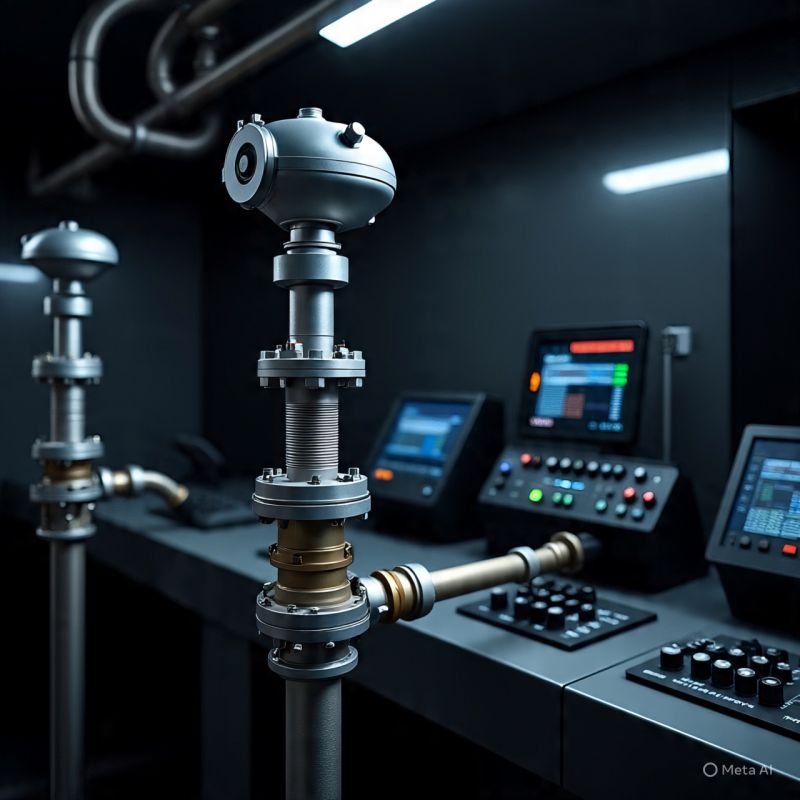
Level Sensors measure the height or amount of liquid, powder, or bulk solids inside tanks or silos. Flow Sensors measure the rate and volume of liquids or gases moving through a pipe or duct. process control, automation, water treatment, pharma, and manufacturing. Float Level Switch Liquids Point (High/Low) Up to 10m ON/OFF, Relay 1% leelavati automation Ultrasonic Level Liquids/Solids Continuous (Non-contact) 0.2m10m+ 420 mA, RS485 0.25% Capacitive Level Liquids/Granular solids Point/Continuous Up to 5m Digital, Analog 12% Radar Level Sensor Liquids/Chemicals Continuous (Non-contact) Up to 35m+ 420 mA, HART 0.1% Hydrostatic Liquids (tanks) Continuous Up to 200m 420 mA 0.5% Turbine Flow Meter Clean Liquids Volumetric Flow 0.1 10, 000 L/min Pulse, 420 mA 0.5 1% Electromagnetic Flow Conductive Liquids Volumetric Flow 0.05 20 m/s 420 mA, Modbus 0.2 0.5% Ultrasonic Flow Meter Liquids, Gases Flow Velocity 0.1 30 m/s 420 mA, RS485 1% Vortex Flow Meter Gases, Steam Mass Flow Wide range Pulse, Analog, HART 0.5% Rotameter Low-cost liquids/gases Visual Flow Lowmedium flow Mechanical reading 25% Float Level Switch Ultrasonic Level Sensor leelavati automation Radar Level Sensor Electromagnetic Flow Turbine Flow Meter Ultrasonic Flow Meter Vortex Flow Mete Depends on steam/gas calibration Applications Level Sensors Water & wastewater plants Beverage & chemical tanks Silo grain and powder level Oil tanks and storage Flow Sensors Water supply pipelines Cooling systems leelavati automation Chemical dosing systems Steam and compressed air monitoring HVAC flow balancing Float-Based Buoyancy of liquid lifts or lowers a float connected to a switch or magnet. Ultrasonic Emits sound waves; the sensor calculates level by measuring echo return time. Radar (FMCW or Pulse) Uses microwave signals; unaffected by vapors, foam, or temperature. Capacitive Detects change in capacitance caused by liquid/material in contact with the probe. Hydrostatic Measures pressure at tank bottom to calculate height of liquid above. Optical (IR/LED) Detects light reflection through liquid or air interface. L/min (liter/min) Volumetric Flow Cooling, lubrication m/h (cubic meter/hr) Bulk flow Water, gas supply mm / cm Level sensors Tank level monitoring (ultrasonic, radar) % Relative level Chemical mixing tanks lectromagnetic (Magmeter) Faradays law: flow of conductive liquid induces voltage in a magnetic field. leelavati automation Ultrasonic (Transit-Time or Doppler) Measures time delay between upstream and downstream ultrasonic pulses. Turbine Liquid turns a rotor; rotational speed is proportional to flow. Vortex Shedding Measures vortices created downstream of an obstruction (Von Krmn effect). Thermal Mass Measures cooling effect of gas/liquid on a heated element. Positive Displacement Measures actual volume by trapping fluid in compartments and counting revolutions. Medium Type Liquid, solid, gas, slurry, corrosive, food-grade, explosive Measurement Type Point level (ON/OFF) or Continuous Range Tank depth, pipe size, flow speed Environment Temperature, pressure, humidity, dust, vibration Mounting Constraints Top, bottom, side-entry, inline, clamp-on Power Supply & Output 24V DC, 230V AC, 420 mA, Modbus, HART, relay, digital Certifications IP rating, ATEX, FDA, IECEx, CE, SIL Maintenance Non-contact types need less cleaning in dirty or corrosive media Integration in Industrial Systems Automation Platforms Supported: PLC/SCADA Systems: Siemens, Allen Bradley, Schneider DCS (Distributed Control Systems) IoT Cloud Platforms: MQTT, OPC-UA, Azure IoT, AWS IoT Edge Controllers: With RS485, Modbus RTU/TCP, CANbus Common Protocols: Analog: 420 mA, 010 V Digital: Modbus RTU, Modbus TCP, HART, Profibus, IO-Link Wireless: LoRaWAN, NB-IoT, Bluetooth (for portable apps) Water Treatment Tank levels, well monitoring Inlet/outlet flow monitoring Chemical Processing Reactor and mixer levels, toxic liquids
Additional Information:
Packaging Details : Level Sensors measure the height or amount of liquid, powder, or bulk solids inside tanks or silos.
Flow Sensors measure the rate and volume of liquids or gases moving through a pipe or duct. process control, automation, water treatment, pharma, and manufacturing. Float Level Switch Liquids Point (High/Low) Up to 10m ON/OFF, Relay 1% leelavati automation
Ultrasonic Level Liquids/Solids Continuous (Non-contact) 0.2m10m+ 420 mA, RS485 0.25%
Capacitive Level Liquids/Granular solids Point/Continuous Up to 5m Digital, Analog 12%
Radar Level Sensor Liquids/Chemicals Continuous (Non-contact) Up to 35m+ 420 mA, HART 0.1%
Hydrostatic Liquids (tanks) Continuous Up to 200m 420 mA 0.5%
Turbine Flow Meter Clean Liquids Volumetric Flow 0.1 10, 000 L/min Pulse, 420 mA 0.5 1%
Electromagnetic Flow Conductive Liquids Volumetric Flow 0.05 20 m/s 420 mA, Modbus 0.2 0.5%
Ultrasonic Flow Meter Liquids, Gases Flow Velocity 0.1 30 m/s 420 mA, RS485 1%
Vortex Flow Meter Gases, Steam Mass Flow Wide range Pulse, Analog, HART 0.5%
Rotameter Low-cost liquids/gases Visual Flow Lowmedium flow Mechanical reading 25%
Float Level Switch
Ultrasonic Level Sensor leelavati automation
Radar Level Sensor
Electromagnetic Flow
Turbine Flow Meter
Ultrasonic Flow Meter
Vortex Flow Mete Depends on steam/gas calibration Applications
Level Sensors
Water & wastewater plants
Beverage & chemical tanks
Silo grain and powder level
Oil tanks and storage Flow Sensors
Water supply pipelines
Cooling systems
leelavati automation
Chemical dosing systems
Steam and compressed air monitoring
HVAC flow balancing Float-Based Buoyancy of liquid lifts or lowers a float connected to a switch or magnet.
Ultrasonic Emits sound waves; the sensor calculates level by measuring echo return time.
Radar (FMCW or Pulse) Uses microwave signals; unaffected by vapors, foam, or temperature.
Capacitive Detects change in capacitance caused by liquid/material in contact with the probe.
Hydrostatic Measures pressure at tank bottom to calculate height of liquid above.
Optical (IR/LED) Detects light reflection through liquid or air interface. L/min (liter/min) Volumetric Flow Cooling, lubrication
m/h (cubic meter/hr) Bulk flow Water, gas supply
mm / cm Level sensors Tank level monitoring (ultrasonic, radar)
% Relative level Chemical mixing tanks electromagnetic (Magmeter) Faradays law: flow of conductive liquid induces voltage in a magnetic field. leelavati automation
Ultrasonic (Transit-Time or Doppler) Measures time delay between upstream and downstream ultrasonic pulses.
Turbine Liquid turns a rotor; rotational speed is proportional to flow.
Vortex Shedding Measures vortices created downstream of an obstruction (Von Krmn effect).
Thermal Mass Measures cooling effect of gas/liquid on a heated element.
Positive Displacement Measures actual volume by trapping fluid in compartments and counting revolutions. Medium Type Liquid, solid, gas, slurry, corrosive, food-grade, explosive
Measurement Type Point level (ON/OFF) or Continuous
Range Tank depth, pipe size, flow speed
Environment Temperature, pressure, humidity, dust, vibration
Mounting Constraints Top, bottom, side-entry, inline, clamp-on
Power Supply & Output 24V DC, 230V AC, 420 mA, Modbus, HART, relay, digital
Certifications IP rating, ATEX, FDA, IECEx, CE, SIL
Maintenance Non-contact types need less cleaning in dirty or corrosive media Integration in Industrial Systems
Automation Platforms Supported:
PLC/SCADA Systems: Siemens, Allen Bradley, Schneider
DCS (Distributed Control Systems)
IoT Cloud Platforms: MQTT, OPC-UA, Azure IoT, AWS IoT
Edge Controllers: With RS485, Modbus RTU/TCP, CANbus
Common Protocols:
Analog: 420 mA, 010 V
Digital: Modbus RTU, Modbus TCP, HART, Profibus, IO-Link
Wireless: LoRaWAN, NB-IoT, Bluetooth (for portable apps) Water Treatment Tank levels, well monitoring Inlet/outlet flow monitoring
Chemical Processing Reactor and mixer levels, toxic liquids Dosing, acid/base flow balancing
Oil & Gas Oil separator and tank levels Pipeline flow, leak detection
Food & Beverage Milk, juice tank levels Clean-in-place (CIP) and product flow tracking
Pharmaceutical Sterile batch tank level Laminar flow in purified water systems
HVAC / BMS Chiller water tank, overhead tanks Air, chilled water, and steam flow
Textile / Dyeing Dye bath levels Cooling and process water flow
Power Plants Condensate tank levels Boiler feedwater, cooling tower flowAvailable Form Factors
Insertion Probe
Clamp-On (non-invasive)
Inline with flanges or threaded
Compact DIN-rail modules
Portable handhelds
Wall-mount or panel-mount

distance, displacement, and position sensors play an indispensable role in ensuring accurate measurements, real-time feedback, and reliable control of mechanical systems. These sensors are crucial in monitoring the movement, location, and physical alignment of components, tools, materials, or surfaces in dynamic environments such as manufacturing plants, assembly lines, robotic arms, CNC machines, and heavy machinery. Industrial distance sensors measure the physical space between the sensor and a target object, while displacement sensors detect changes in position over a small range with high precision. Position sensors, on the other hand, determine either absolute or relative location in linear or rotary motion, enabling feedback control systems to adjust mechanical movement based on real-time data. With advances in electronics and sensing technologies, a variety of sensor types are now available, each suited to specific industrial needs. Inductive sensors, widely used in metal detection applications, operate based on electromagnetic fields and offer reliable proximity detection in short ranges, typically up to 40 mm. Capacitive sensors, capable of detecting non-metallic materials such as liquids, plastics, or powders, are commonly used in process industries to detect the presence or level of materials in containers. Ultrasonic sensors function on the principle of sound wave reflection and are used to measure distances in applications where the target may not be visible or reachable, such as liquid levels in tanks or object detection in packaging lines. For longer ranges and high accuracy, laser distance sensors are used; they employ time-of-flight or triangulation principles to provide real-time measurements in applications ranging from factory automation to precision cutting. Linear Variable Differential Transformers (LVDTs) are electro-mechanical transducers used for accurate displacement measurements in hydraulic and mechanical systems; they offer excellent repeatability and are often found in aerospace, materials testing, and servo valve control. Potentiometric position sensors are among the simplest and most cost-effective linear position sensors, converting mechanical motion into a change in resistance which is then translated into voltage output. Although limited by wear and tear due to physical contact, they remain effective for basic automation needs. In contrast, magnetostrictive sensors are non-contact linear position sensors known for their high resolution and long service life; these are extensively used in hydraulic cylinder position feedback and material handling equipment. Rotary encoders, which measure angular position and speed, are widely used in servo motors, robotics, elevators, and machine tools, offering both incremental and absolute outputs. For long-range or large-stroke applications, draw-wire or string potentiometers provide a cost-effective means to convert mechanical movement into analog or digital signals. These sensors are particularly useful in cranes, telescopic arms, or long linear slides. Depending on the application, sensor outputs can be digital (ON/OFF), analog (010V, 420mA), or digital protocols like RS485, Modbus, CANopen, IO-Link, and even wireless options for smart factories. They are designed to be integrated with PLCs, SCADA systems, or standalone controllers for automation feedback loops. Measurement units typically include millimeters (mm), meters (m), microns (m) for linear measurements, and degrees () for rotary positions, with velocity or acceleration sometimes measured in mm/s or m/s. Sensor selection depends on a range of factors such as sensing range, resolution, accuracy, environmental conditions (e.g., dust, temperature, vibration), installation constraints, and budget. Prices vary greatlyfrom as low as 300 ($4) for basic proximity sensors to over 1, 00, 000 ($1, 200+) for high-end magnetostrictive or laser measurement systems. Application industries include automoti
Additional Information:
Packaging Details : distance, displacement, and position sensors play an indispensable role in ensuring accurate measurements, real-time feedback, and reliable control of mechanical systems. These sensors are crucial in monitoring the movement, location, and physical alignment of components, tools, materials, or surfaces in dynamic environments such as manufacturing plants, assembly lines, robotic arms, CNC machines, and heavy machinery. Industrial distance sensors measure the physical space between the sensor and a target object, while displacement sensors detect small changes in position with high precision. Position sensors determine either absolute or relative location in linear or rotary motion, enabling feedback control systems to adjust mechanical movement in real time.
There are various types of industrial sensors used for these purposes. Inductive proximity sensors detect the presence of metal objects using electromagnetic fields, offering non-contact switching with fast response and high durability, generally used in short-range detection up to 40 mm. Capacitive sensors detect both conductive and non-conductive materials, including plastics and liquids, making them suitable for level detection and material presence sensing. Ultrasonic sensors, using high-frequency sound waves, are ideal for detecting transparent or irregular surfaces and are often used in tank level monitoring or robotic obstacle detection. Laser distance sensors are known for their precision and speed, capable of measuring distances from a few millimeters to over 100 meters with sub-millimeter accuracyessential in quality control, alignment, and high-speed automation. LVDTs (Linear Variable Differential Transformers) are high-resolution displacement transducers commonly used in aerospace and hydraulic applications where linear movement must be measured with fine repeatability. Potentiometric linear sensors are cost-effective, resistive-based devices suitable for applications requiring basic position feedback. For rotary motion, rotary encoders (both incremental and absolute) are widely used in motor shaft feedback, robotics, and servo positioning. Magnetostrictive sensors provide non-contact, high-accuracy linear position feedback and are popular in hydraulic cylinder monitoring, mobile equipment, and plastic molding machines. Additionally, draw-wire or string potentiometers, which convert mechanical linear movement into electrical signals, offer long-range measurement (up to 30 meters) for applications such as crane boom positioning, telescopic lifts, and material stack monitoring.
The materials used in industrial sensors depend on the environment and application. Sensor housings may be made of stainless steel (SS304/SS316) for corrosion resistance in chemical or food-grade environments, anodized aluminum for lightweight industrial settings, PBT/ABS plastic for general-purpose use, and nickel-plated brass or chrome for heavy-duty and rugged conditions. Sensing faces in proximity sensors are often constructed using PA66, PVDF, or PTFE for chemical resistance. High-temperature applications may use ceramic or glass-faced sensors, while hazardous area sensors are enclosed in explosion-proof (Ex d) or intrinsically safe (Ex ia) housings.
Output types vary by application and integration requirements. Analog signals like 010V or 420 mA are standard for linear displacement sensors and are ideal for PLC input. Digital outputs, such as PNP/NPN for proximity sensors or pulse trains for encoders, offer easy integration for presence detection and positioning systems. More advanced sensors support communication protocols like RS485, Modbus RTU/TCP, CANopen, IO-Link, and HART, enabling diagnostics, parameterization, and remote monitoring. Some smart sensors offer Bluetooth or wireless LoRa connectivity for remote asset tracking or IIoT-based predictive maintenance systems.
These sensors measure parameters in standard SI units, including millimeters (mm), meters (m), micrometers (m) for displacement; degrees () for rotary position; and mm/s or m/s for velocity or speed. The typical accuracy of displacement and distance sensors ranges from 0.01 mm for LVDTs and magnetostrictive sensors to 10 mm for ultrasonic sensors in long-range detection. Resolution, repeatability, and response time are key specifications, particularly in dynamic or safety-critical applications.
Warranties for industrial sensors typically range from 12 to 36 months, depending on the brand and product type. Entry-level inductive or capacitive sensors from local manufacturers often carry a 1-year warranty, whereas premium products from brands like SICK, IFM, Pepperl+Fuchs, Baumer, Honeywell, and Balluff may offer up to 3 years, especially for encoders and ruggedized sensors certified for harsh conditions. Extended warranties may be offered as part of service contracts or bundled with condition monitoring tools. advanced sensors, the return on investment is realized through higher uptime, reduced maintenance, and improved production accuracy.
Applications span across all industries. In automotive, sensors control robotic arms and stamping machines. In pharmaceuticals, they help automate cleanroom environments and control packaging lines. In aerospace, they are used in actuators, flight simulators, and structural testing. CNC machines and servo drives rely on position sensors for closed-loop control. In construction, they monitor movement in cranes, arms, and heavy equipment. Even renewable energy systems use them for tracking solar panel orientation or monitoring turbine pitch angle.
With Industry 4.0 and smart manufacturing becoming the norm, modern industrial sensors are expected to be intelligent, networkable, and self-diagnosing. They are no longer passive components but integral to the connected, automated, and data-driven industrial ecosystems. The careful selection of the right type of sensorbased on range, material, output, environment, and interfacenot only enhances productivity and efficiency but also ensures the long-term reliability of mission-critical operations.
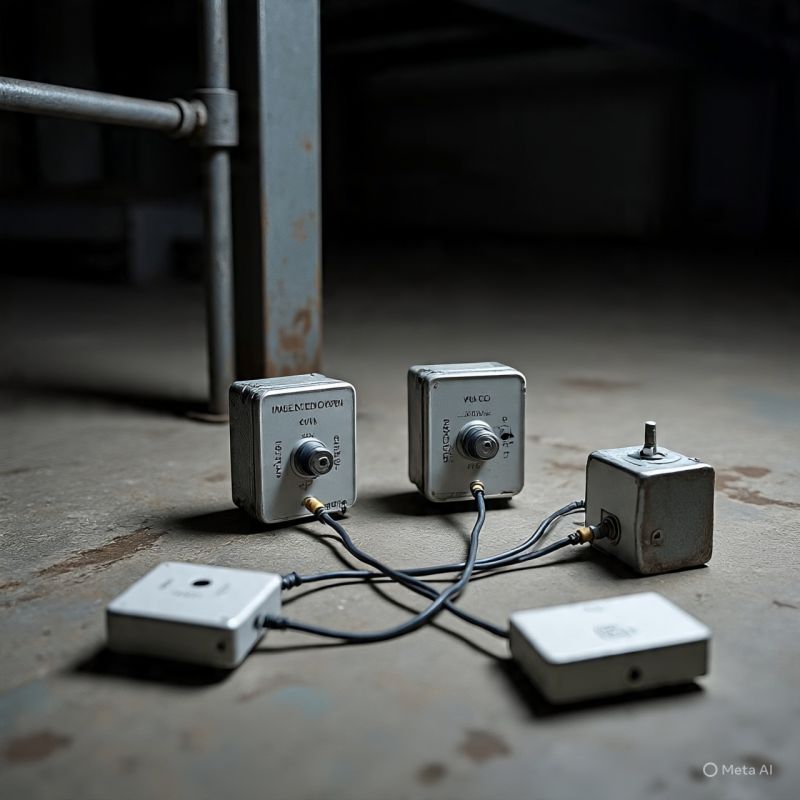
motion and vibration sensors play a critical role in ensuring the smooth, efficient, and safe operation of machinery and infrastructure. These sensors detect and measure various forms of physical movementranging from subtle vibrations in rotating equipment to full-scale motion detection in robotics, vehicles, or structural elements. By converting mechanical motion into electrical signals, these devices enable predictive maintenance, dynamic monitoring, collision detection, and real-time process control, making them indispensable in industries such as manufacturing, power generation, oil & gas, transportation, mining, and infrastructure health monitoring. Types and Working Principles Industrial motion and vibration sensors come in a variety of forms, each designed for specific measurement functions. The most common types include: Accelerometers (Vibration Sensors) These detect changes in acceleration due to vibration or shock. The most common types are: Piezoelectric Accelerometers, which use crystal elements to generate a charge when vibrated. MEMS (Micro-Electro-Mechanical Systems) Accelerometers, which detect capacitance change caused by motion. Available in single-axis and tri-axis models. Velocity Sensors Measure the rate of movement over time (mm/s), often used in motor diagnostics or bearing analysis. These are electrodynamic or piezo-based devices. Displacement Sensors (Vibration) Measure physical movement amplitude (usually in microns or mils), ideal for slow-speed rotating machinery. Gyroscopes (Angular Motion) Measure angular rate or orientation, used in mobile robotics, drones, and heavy machinery. Proximity & Motion Detectors Often inductive or capacitive sensors used to detect moving objects or limit positions. Seismic Sensors / Structural Vibration Sensors Measure very low-frequency vibrations from ground or building movement for geotechnical or civil engineering use. Inertial Measurement Units (IMUs) Combine accelerometers, gyroscopes, and sometimes magnetometers for full 3D motion tracking. Materials & Build Quality Industrial motion and vibration sensors are engineered with materials suited to harsh environments: Sensor Housing: Stainless steel (SS304/SS316), anodized aluminum, PBT, or reinforced polymers. Sealing: IP65 to IP68 protection against dust, water, and oil. Vibration Isolation: Rugged mounts and epoxy-filled bodies for durability. Hazardous Area Compliance: ATEX, IECEx certified enclosures for explosive zones. Some sensors come with integrated magnets, armored cables, or flameproof enclosures for use in mining or petroleum environments. leelavati automation Output Types Signal Output Typical Use Analog Voltage (010 V) Basic motion detection and automation Analog Current (420 mA) Long cable runs and PLC integration IEPE (Integrated Electronics Piezo-Electric) Standard for vibration sensors in condition monitoring Digital (Pulse / SPI / I2C / RS485) MEMS and multi-axis sensors Wireless (BLE, LoRa, ZigBee) Condition monitoring in remote/rotating systems Some systems offer data logging, frequency analysis (FFT), or Bluetooth-based app monitoring for mobile diagnostics. leelavati automation Applications Industry Use Case Manufacturing Motor health monitoring, machine tool condition, unbalanced shaft detection Power Plants Turbine vibration analysis, generator rotor alignment Cement & Mining Crusher vibration, conveyor belt monitoring Automotive Shock and road-load simulations, crash testing Oil & Gas Pump and pipeline vibration alarms HVAC Fan/motor imbalance, bearing deterioration detection Smart Infrastructure Building sway detection, bridge movement analysis Aerospace Aircraft structure testing, in-flight dynamics Railways Bogie, wheel, and track vibration condition leelavati automation Frequency range (e.g., 0.5 Hz 10 kHz for rotating equipment) Sensitivity (e.g., 100 mV/g or 420 mA for 050 mm/s) Mounting method (magnet, stud
Additional Information:
Payment Terms :
Packaging Details : Materials & Build Quality
Industrial motion and vibration sensors are engineered with materials suited to harsh environments:
Sensor Housing: Stainless steel (SS304/SS316), anodized aluminum, PBT, or reinforced polymers.
Sealing: IP65 to IP68 protection against dust, water, and oil.
Vibration Isolation: Rugged mounts and epoxy-filled bodies for durability.
Hazardous Area Compliance: ATEX, IECEx certified enclosures for explosive zones.
Some sensors come with integrated magnets, armored cables, or flameproof enclosures for use in mining or petroleum environments.
leelavati automation
Output Types
Signal Output Typical Use
Analog Voltage (010 V) Basic motion detection and automation
Analog Current (420 mA) Long cable runs and PLC integration
IEPE (Integrated Electronics Piezo-Electric) Standard for vibration sensors in condition monitoring
Digital (Pulse / SPI / I2C / RS485) MEMS and multi-axis sensors
Wireless (BLE, LoRa, ZigBee) Condition monitoring in remote/rotating systems
Some systems offer data logging, frequency analysis (FFT), or Bluetooth-based app monitoring for mobile diagnostics.
leelavati automation
Applications
Industry Use Case
Manufacturing Motor health monitoring, machine tool condition, unbalanced shaft detection
Power Plants Turbine vibration analysis, generator rotor alignment
Cement & Mining Crusher vibration, conveyor belt monitoring
Automotive Shock and road-load simulations, crash testing
Oil & Gas Pump and pipeline vibration alarms
HVAC Fan/motor imbalance, bearing deterioration detection
Smart Infrastructure Building sway detection, bridge movement analysis
Aerospace Aircraft structure testing, in-flight dynamics
Railways Bogie, wheel, and track vibration condition
leelavati automation
Frequency range (e.g., 0.5 Hz 10 kHz for rotating equipment)
Sensitivity (e.g., 100 mV/g or 420 mA for 050 mm/s)
Mounting method (magnet, stud, glue pad)
Power supply (usually 24V DC or loop-powered)
Cable type (shielded, armored, Teflon, submersible)
MEMS Accelerometer
Piezo Vibration Sensor (IEPE)
Velocity Sensor
Displacement Vibration Probe
IMU (6-axis/9-axis)
Wireless Vibration Sensor
Warranty & Reliability
Most industrial motion and vibration sensors come with a 12 to 36-month warranty. Higher-end models from manufacturers like Hansford Sensors, SKF, Wilcoxon, Meggitt, PCB Piezotronics, IFM, SICK, OMRON, and Pepperl+Fuchs may include:
Extended warranties (up to 5 years)
MTBF ratings of 100, 000+ hours
On-site calibration certificates
Smart monitoring systems with predictive failure alerts
Smart Vibration Monitoring Systems
Modern plants are adopting IIoT-enabled vibration monitoring kits, which consist of:
Wireless sensors
Cloud dashboards
Predictive analytics software
SMS/email alert systems
These tools reduce unplanned downtime, improve energy efficiency, and extend equipment lifespan.
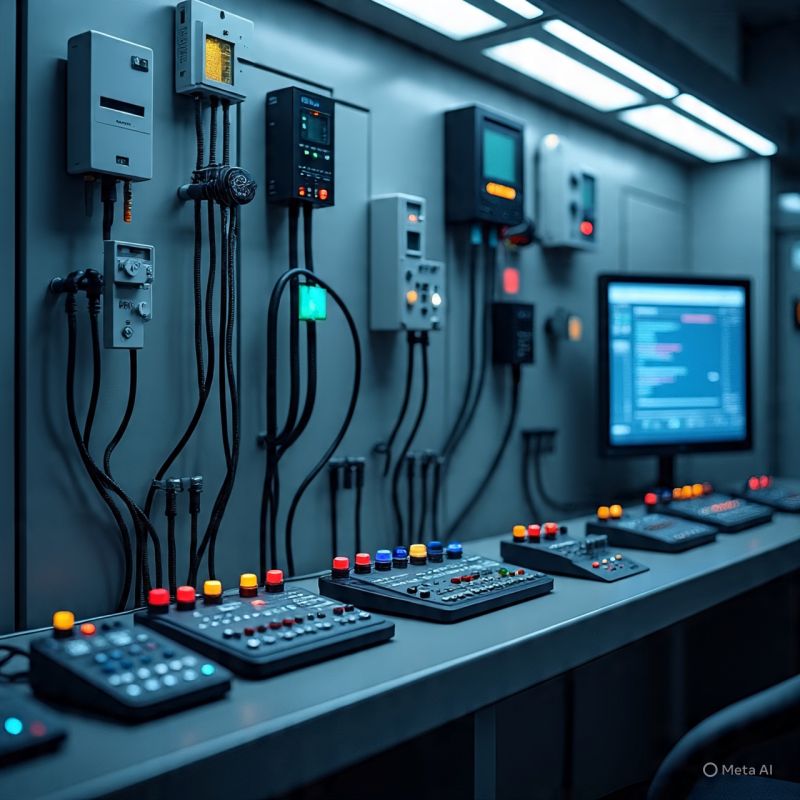

digitally integrated manufacturing environment, industrial electrical sensors serve as essential building blocks for monitoring, control, protection, and automation across electrical systems. These sensors detect and measure critical electrical parameters such as current, voltage, power, energy, resistance, and frequencyenabling industrial plants to ensure electrical safety, reduce energy consumption, prevent equipment failure, and optimize system performance. With the global rise of Industry 4.0, smart energy management, and electrical predictive maintenance, the importance of high-precision and real-time electrical sensing has never been greater. Types & Working Principles Industrial electrical sensors come in a variety of forms, each designed to measure a specific electrical quantity. Common types include: 1. Current Sensors Hall Effect Sensors: Measure AC/DC current using the magnetic field around a conductor. Output can be analog or digital. Rogowski Coils: Flexible coils used for non-intrusive, high-current AC measurementideal for retrofit or portable systems. Current Transformers (CTs): Step down high currents for measurement by meters or protection relays. Shunt Resistors: Measure current by calculating voltage drop across a known resistance (used in DC applications). 2. Voltage Sensors Detect AC or DC voltage levels and convert them into proportional signals for meters or controllers. Types: Resistive divider, capacitive, isolation amplifier-based voltage sensors. 3. Power & Energy Meters Measure real-time power (kW, kVA), energy consumption (kWh), power factor, harmonics, etc. Work based on voltage and current input from CTs and PTs. 4. Phase Sequence & Frequency Sensors Detect phase reversal, phase loss, and frequency deviations in 3-phase systems. Crucial for generator synchronization and motor safety. 5. Insulation & Leakage Sensors Used for monitoring insulation resistance or detecting leakage current to prevent electrical faults and fire risks. Often integrated in BMS (Building Management Systems). 6. Temperature & Thermocouple Isolators Though not electrical parameters directly, these isolate and convert electrical signals from thermocouples or RTDs into standard analog outputs. CurrentAmpereA VoltageVoltV Power (Real / Apparent)Kilowatt / kVAkW / kVA EnergyKilowatt-hourkWh FrequencyHertzHz Power FactorRatioPF ResistanceOhm Materials & Construction Enclosure Material: Industrial sensors are housed in ABS, polycarbonate, aluminum, or flame-retardant plastic for panel-mounting or DIN-rail mounting. Sensor Core: CTs use high-permeability magnetic cores; Hall sensors include semiconductor elements in epoxy-sealed cases. Environmental Protection: Typically IP20 to IP65, depending on whether they are installed in switchboards, outdoor panels, or enclosures. Safety Certifications: Sensors often comply with IEC 61010, CE, RoHS, and UL standards. Outputs & Interface Types Output TypeDescriptionUse Case 05V / 010VVoltage output proportional to measured valueBasic analog monitoring 420 mALoop-powered analog output for industrial PLCsLong-distance transmission, noise-free Pulse (kWh, kVARh)For energy meters with BMS or data loggersEnergy billing, sub-metering Modbus RTU/TCPDigital protocol for real-time communicationSCADA/PLC, IoT dashboards RS485, CANbusSerial communication for data acquisitionRemote sensing and analytics Some advanced sensors come with Bluetooth, LoRaWAN, or Wi-Fi modules for wireless monitoring, particularly useful in legacy systems or remote substations. Key Industrial Applications SectorUse Case Power PlantsGenerator protection, current overload detection Manufacturing PlantsEnergy monitoring, predictive maintenance of motors Data CentersLoad balancing, branch circuit monitoring HVAC SystemsFan power monitoring, phase loss detection Oil & GasExplosion-proof current sensing in Zone 1 areas Renewables (Solar/Wind)Inverter input/output monitoring, g
Additional Information:
Packaging Details : digitally integrated manufacturing environment, industrial electrical sensors serve as essential building blocks for monitoring, control, protection, and automation across electrical systems. These sensors detect and measure critical electrical parameters such as current, voltage, power, energy, resistance, and frequencyenabling industrial plants to ensure electrical safety, reduce energy consumption, prevent equipment failure, and optimize system performance. With the global rise of Industry 4.0, smart energy management, and electrical predictive maintenance, the importance of high-precision and real-time electrical sensing has never been greater.
Types & Working Principles
Industrial electrical sensors come in a variety of forms, each designed to measure a specific electrical quantity. Common types include:
1. Current Sensors
Hall Effect Sensors: Measure AC/DC current using the magnetic field around a conductor. Output can be analog or digital.
Rogowski Coils: Flexible coils used for non-intrusive, high-current AC measurementideal for retrofit or portable systems.
Current Transformers (CTs): Step down high currents for measurement by meters or protection relays.
Shunt Resistors: Measure current by calculating voltage drop across a known resistance (used in DC applications).
2. Voltage Sensors
Detect AC or DC voltage levels and convert them into proportional signals for meters or controllers.
Types: Resistive divider, capacitive, isolation amplifier-based voltage sensors.
3. Power & Energy Meters
Measure real-time power (kW, kVA), energy consumption (kWh), power factor, harmonics, etc.
Work based on voltage and current input from CTs and PTs.
4. Phase Sequence & Frequency Sensors
Detect phase reversal, phase loss, and frequency deviations in 3-phase systems.
Crucial for generator synchronization and motor safety.
5. Insulation & Leakage Sensors
Used for monitoring insulation resistance or detecting leakage current to prevent electrical faults and fire risks.
Often integrated in BMS (Building Management Systems).
6. Temperature & Thermocouple Isolators
Though not electrical parameters directly, these isolate and convert electrical signals from thermocouples or RTDs into standard analog outputs.
Current Ampere A
Voltage Volt V
Power (Real / Apparent) Kilowatt / kVA kW / kVA
Energy Kilowatt-hour kWh
Frequency Hertz Hz
Power Factor Ratio PF
Resistance Ohm
Materials & Construction
Enclosure Material: Industrial sensors are housed in ABS, polycarbonate, aluminum, or flame-retardant plastic for panel-mounting or DIN-rail mounting.
Sensor Core: CTs use high-permeability magnetic cores; Hall sensors include semiconductor elements in epoxy-sealed cases.
Environmental Protection: Typically IP20 to IP65, depending on whether they are installed in switchboards, outdoor panels, or enclosures.
Safety Certifications: Sensors often comply with IEC 61010, CE, RoHS, and UL standards.
Outputs & Interface Types
Output Type Description Use Case
05V / 010V Voltage output proportional to measured value Basic analog monitoring
420 mA Loop-powered analog output for industrial PLCs Long-distance transmission, noise-free
Pulse (kWh, kVARh) For energy meters with BMS or data loggers Energy billing, sub-metering
Modbus RTU/TCP Digital protocol for real-time communication SCADA/PLC, IoT dashboards
RS485, CANbus Serial communication for data acquisition Remote sensing and analytics
Some advanced sensors come with Bluetooth, LoRaWAN, or Wi-Fi modules for wireless monitoring, particularly useful in legacy systems or remote substations.
Key Industrial Applications
Sector Use Case
Power Plants Generator protection, current overload detection
Manufacturing Plants Energy monitoring, predictive maintenance of motors
Data Centers Load balancing, branch circuit monitoring
HVAC Systems Fan power monitoring, phase loss detection
Oil & Gas Explosion-proof current sensing in Zone 1 areas
Renewables (Solar/Wind) Inverter input/output monitoring, grid feedback
Buildings & BMS Sub-metering and power quality monitoring
Railways & Metro Traction current measurement, insulation fault detection
based on range (e.g., 5A to 3000A), protocol, display type (LCD/LED), and certifications. Warranty & Reliability
Most industrial electrical sensors come with a 1236 month warranty depending on manufacturer and application environment. Higher-end models by brands like Schneider Electric, Siemens, L&T, Janitza, Carlo Gavazzi, Phoenix Contact, ABB, Rishabh, Entes, and Socomec provide:
Extended warranty options (up to 5 years)
Conformal coating for humid/dusty sites
High EMC immunity (for noisy electrical environments)
Long life (MTBF > 100, 000 hrs)
Some manufacturers offer calibration certificates and remote diagnostics software to further extend service life and accuracy.
Smart Grid & IIoT Integration
Todays plants demand smart sensors capable of:
Real-time power quality monitoring
Cloud-connected energy dashboards
Auto-alarming for overloads, leakage, or energy waste
Predictive alerts before critical faults
These sensors are vital for ESG reporting, energy auditing, and ISO 50001 energy management compliance.


light and color sensors play a crucial role in ensuring product quality, automation accuracy, and production efficiency. These sensors are designed to detect, measure, and differentiate light intensity, presence, and color properties in a wide range of processes. Used extensively in automated sorting, printing, packaging, food processing, electronics, automotive, and textile industries, these sensors enable high-speed, non-contact inspection and real-time process control by detecting visual attributes that are invisible to conventional proximity or motion sensors. light and color sensors operate based on optical sensing technology, often involving LEDs, photodiodes, and spectral analyzers. Photoelectric Sensors Diffuse Type: Emits light that reflects off the target and returns to the sensor. leelavati automation Retroreflective Type: Uses a reflector to bounce light back to the sensor; detects presence or absence. Through-beam Type: Uses a separate transmitter and receiver; highly accurate and resistant to environmental noise.Ambient Light Sensors Measure overall light levels in an area to adjust illumination or detect product exposure to light-sensitive environments. olor Sensors Identify specific colors using RGB detection or full-spectrum analysis. Work by shining white or RGB LED light and analyzing reflected wavelengths using filters or photodiodes. Contrast Sensors Designed to detect transitions between light and dark marks (e.g., print marks on packaging). Operate at high speeds to synchronize cutting, labeling, or printing operations. Luminescence Sensors Detect invisible markings (fluorescent inks, glues) that emit UV or visible light when exposed to UV illumination.Gloss & Reflectivity Sensors Measure surface finish quality (e.g., shiny vs. matte) by analyzing specular vs. diffuse reflection. Light IntensityLux, candelalx, cd Wavelength RangeNanometersnm Color DetectionRGB / HSV values Switching FrequencyHertzHz Response TimeMillisecondsms Detection DistanceMillimeters / Metersmm / m Food & BeverageCap color verification, label presence, fill level detection AutomotivePart sorting by color, paint quality inspection, ambient light detection PharmaceuticalPill color recognition, blister pack verification PackagingPrint mark detection, barcode alignment, transparent object sensing TextilesYarn color sorting, pattern alignment, gloss detection ElectronicsLED color grading, connector presence, PCB component detection Plastic & Injection MoldingMolded part color consistency, defect detection Printing & LabellingInk contrast detection, registration mark verification Sensor Materials & Designleelavati automation Sensors are engineered with robust materials to withstand factory conditions: Housing: Polycarbonate, PBT, stainless steel (SS304) for harsh/clean environments. Lenses: Glass or acrylic lenses with anti-reflective coatings. Sealing: IP65/IP67 enclosures for dust- and splash-proof operation. Mounting: DIN-rail, bracket, or panel mount with adjustable optics. PNP/NPN (Digital)On/off object detection in automation Analog (010V / 420mA)Light intensity / gloss variation Serial (RS232/RS485)Color value output or light-level logging IO-LinkSmart sensor configuration and monitoring Modbus / EthernetIntegration into SCADA or PLC systemsDistance to object and object size Surface reflectivity and ambient light conditions leelavati automation Speed of the production line Color or contrast variation range Required switching frequency Electrical interface compatibility (PNP/NPN, analog, Modbus, etc.) Basic Photoelectric Sensor Advanced Contrast Sensor Color Sensor (RGB/HSV) Gloss/Luminescence Sensor leelavati automation IO-Link Enabled Smart Sensor Most sensors carry a warranty of 12 to 24 months, extendable based on manufacturer policies. Rugged industrial models from brands like SICK, IFM, Keyence, Baumer, Pepperl+Fuchs, Banner, Leuze, OMRON, Panasonic, Contrinex, and Balluff offer: High repe
Additional Information:
Packaging Details : light and color sensors play a crucial role in ensuring product quality, automation accuracy, and production efficiency. These sensors are designed to detect, measure, and differentiate light intensity, presence, and color properties in a wide range of processes. Used extensively in automated sorting, printing, packaging, food processing, electronics, automotive, and textile industries, these sensors enable high-speed, non-contact inspection and real-time process control by detecting visual attributes that are invisible to conventional proximity or motion sensors.
light and color sensors operate based on optical sensing technology, often involving LEDs, photodiodes, and spectral analyzers. Photoelectric Sensors
Diffuse Type: Emits light that reflects off the target and returns to the sensor.
leelavati automation
Retroreflective Type: Uses a reflector to bounce light back to the sensor; detects presence or absence.
Through-beam Type: Uses a separate transmitter and receiver; highly accurate and resistant to environmental noise.Ambient Light Sensors
Measure overall light levels in an area to adjust illumination or detect product exposure to light-sensitive environments. olor Sensors
Identify specific colors using RGB detection or full-spectrum analysis.
Work by shining white or RGB LED light and analyzing reflected wavelengths using filters or photodiodes. Contrast Sensors
Designed to detect transitions between light and dark marks (e.g., print marks on packaging).
Operate at high speeds to synchronize cutting, labeling, or printing operations. Luminescence Sensors
Detect invisible markings (fluorescent inks, glues) that emit UV or visible light when exposed to UV illumination.Gloss & Reflectivity Sensors
Measure surface finish quality (e.g., shiny vs. matte) by analyzing specular vs. diffuse reflection. Light Intensity Lux, candela lx, cd
Wavelength Range Nanometers nm
Color Detection RGB / HSV values
Switching Frequency Hertz Hz
Response Time Milliseconds ms
Detection Distance Millimeters / Meters mm / m Food & Beverage Cap color verification, label presence, fill level detection
Automotive Part sorting by color, paint quality inspection, ambient light detection
Pharmaceutical Pill color recognition, blister pack verification
Packaging Print mark detection, barcode alignment, transparent object sensing
Textiles Yarn color sorting, pattern alignment, gloss detection
Electronics LED color grading, connector presence, PCB component detection
Plastic & Injection Molding Molded part color consistency, defect detection
Printing & Labelling Ink contrast detection, registration mark verification
Sensor Materials & Designleelavati automation
Sensors are engineered with robust materials to withstand factory conditions:
Housing: Polycarbonate, PBT, stainless steel (SS304) for harsh/clean environments.
Lenses: Glass or acrylic lenses with anti-reflective coatings.
Sealing: IP65/IP67 enclosures for dust- and splash-proof operation.
Mounting: DIN-rail, bracket, or panel mount with adjustable optics. PNP/NPN (Digital) On/off object detection in automation
Analog (010V / 420mA) Light intensity / gloss variation
Serial (RS232/RS485) Color value output or light-level logging
IO-Link Smart sensor configuration and monitoring
Modbus / Ethernet Integration into SCADA or PLC systemsDistance to object and object size
Surface reflectivity and ambient light conditions
leelavati automation
Speed of the production line
Color or contrast variation range
Required switching frequency
Electrical interface compatibility (PNP/NPN, analog, Modbus, etc.)
Basic Photoelectric Sensor
Advanced Contrast Sensor
Color Sensor (RGB/HSV)
Gloss/Luminescence Sensor leelavati automation
IO-Link Enabled Smart Sensor Most sensors carry a warranty of 12 to 24 months, extendable based on manufacturer policies. Rugged industrial models from brands like SICK, IFM, Keyence, Baumer, Pepperl+Fuchs, Banner, Leuze, OMRON, Panasonic, Contrinex, and Balluff offer:
High repeatability (0.1%)
Long life cycle (>10 million operations)
Vibration resistance (1055 Hz)
Color consistency calibration
Factory-calibrated sensors with traceable test certificates Modern light and color sensors are integrated with:
Smart controllers
Vision inspection systems
IO-Link / MQTT protocols
HMI/SCADA dashboards
Real-time rejection mechanisms
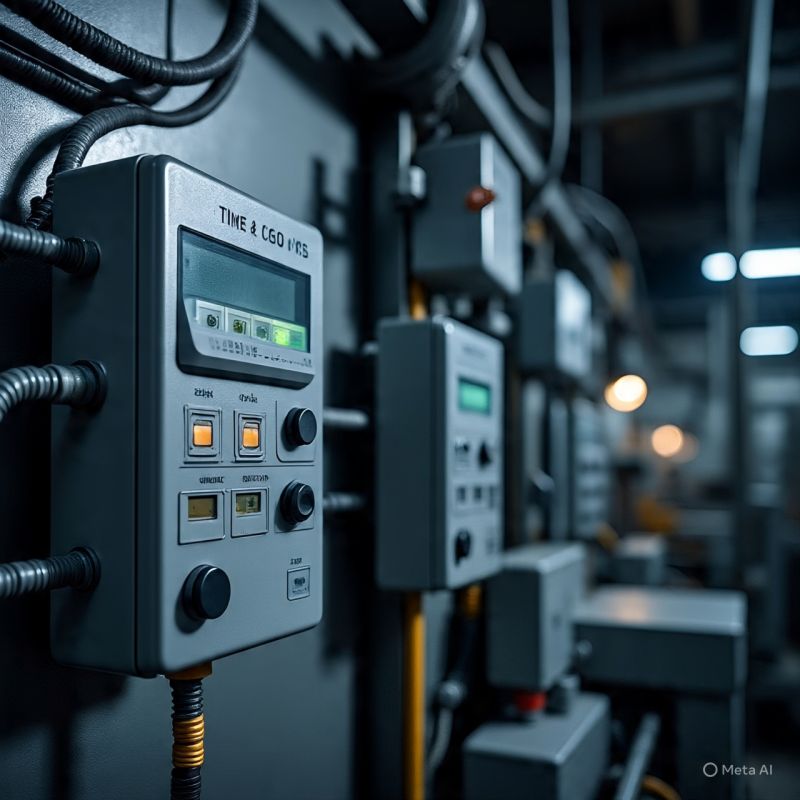
Looking to optimize your automation system? Choose the ideal relaymechanical or solid-statefor your factory process. Contact us for volume pricing or a custom relay configuration
Electromechanical Power Relays
Function: Mechanical contact switching via energized coil
Applications: Motor starters, solenoid control, heater elements
Coil Voltage: 12V/24V DC or 110V AC
Contact Rating: 10A16A
Mount: DIN-rail or socket
Clear contact indication (LED/mechanical flag)
Normally Open (NO) / Normally Closed (NC) configurations Easy to replace
Low cost
Supports basic PLC interface logic
Miniature General-Purpose Relays
Function: Compact form relay for low to medium switching loads
Applications: Interface modules, I/O expansion, signal switching
Key Specs:
Contact Rating: 5A 10A
Dielectric Strength: up to 5kV
Coil Isolation: 1, 000 M
Slim enclosure with DIN-rail mountable sockets
High-density installation possible Saves panel space
Suitable for compact control systems
Standardized pinouts for easy wiring
Solid-State Relays (SSR)
Function: Semiconductor-based relay with no mechanical contacts
Applications: Resistive heating control, HVAC, industrial ovens, clean zones Load Current: 2A 40A
Switching Time:
Additional Information:
Packaging Details : Looking to optimize your automation system? Choose the ideal relaymechanical or solid-statefor your factory process. Contact us for volume pricing or a custom relay configuration
Electromechanical Power Relays
Function: Mechanical contact switching via energized coil
Applications: Motor starters, solenoid control, heater elements
Coil Voltage: 12V/24V DC or 110V AC
Contact Rating: 10A16A
Mount: DIN-rail or socket
Clear contact indication (LED/mechanical flag)
Normally Open (NO) / Normally Closed (NC) configurations Easy to replace
Low cost
Supports basic PLC interface logic
Miniature General-Purpose Relays
Function: Compact form relay for low to medium switching loads
Applications: Interface modules, I/O expansion, signal switching
Key Specs:
Contact Rating: 5A 10A
Dielectric Strength: up to 5kV
Coil Isolation: 1, 000 M
Slim enclosure with DIN-rail mountable sockets
High-density installation possible Saves panel space
Suitable for compact control systems
Standardized pinouts for easy wiring
Solid-State Relays (SSR)
Function: Semiconductor-based relay with no mechanical contacts
Applications: Resistive heating control, HVAC, industrial ovens, clean zones Load Current: 2A 40A
Switching Time:
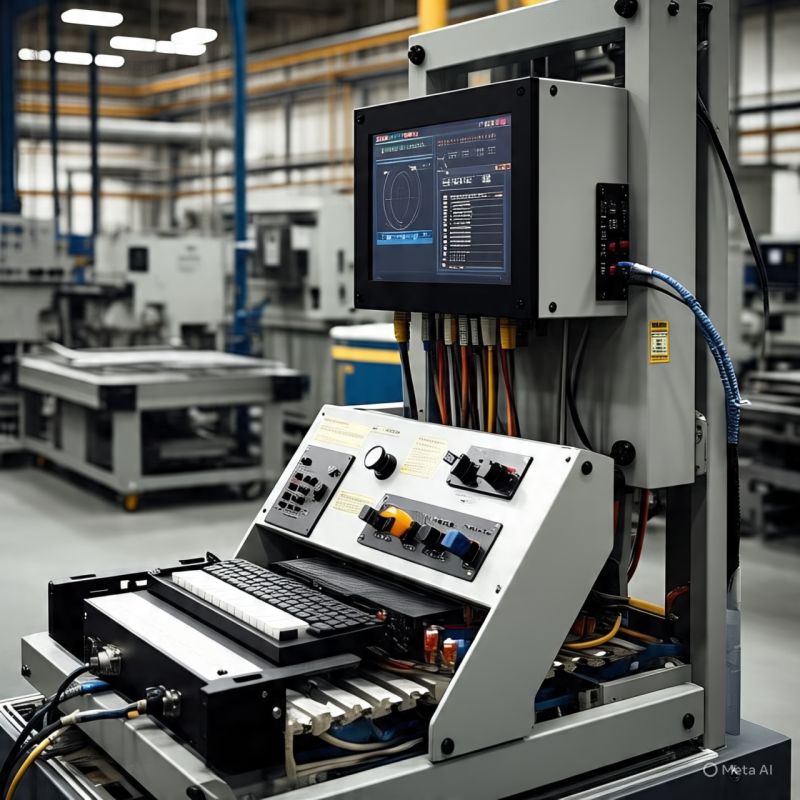
CNC (Computer Numerical Control) controllers serve as the central intelligence of CNC machines, forming the operational backbone of various industries including metalworking, woodworking, plastic forming, electronics, and high-precision tool manufacturing. These controllers interpret programmed instructions and translate them into precise, coordinated motions of machine tool components. The design and configuration of CNC controllers depend on factors such as the number of controlled axes, onboard features (like toolpath optimization and collision detection), software compatibility, and whether the unit is a basic retrofit module or a fully integrated industrial control solution. High-performance models are widely used in applications that demand reliability, accuracy, and speed, especially in high-volume manufacturing. Complementing these systems are industrial robots, particularly high-speed 6-axis articulated arms used for welding, material handling, palletizing, and precision assembly tasks. These robots are designed to manage significant payload capacities and are built with servo-driven joints, harmonic gear reducers, high-resolution encoders, and advanced motion controllers. Integration with industrial communication protocols such as EtherCAT and other fieldbus networks ensures seamless connectivity with plant-wide automation systems. Their performance is enhanced by embedded computing capabilities, safety-rated communication modules, and advanced path-planning algorithms. Servo drives and motor systems form the backbone of motion control in automation environments. These systems offer fast response, high torque accuracy, and low vibration, making them ideal for robotic arms, packaging systems, conveyor automation, and CNC machinery. Advanced drives are often equipped with real-time communication interfaces and support feedback from absolute or incremental encoders, enabling high-precision closed-loop control. The motors are typically brushless, compact, and optimized for energy efficiency and thermal management. Programmable Logic Controllers (PLCs) and Distributed Control Systems (DCS) provide centralized logic and distributed control for machines and processes. These systems are scalable and can be configured for everything from small standalone machines to large, plant-wide automation setups. Key features include modular I/O, real-time operating capabilities, integrated safety functions, redundancy support, and enhanced cybersecurity protocols. Their architecture often allows hot-swappable components and robust connectivity options, making them suitable for both discrete and process automation. Industrial routers and network gateways play a critical role in securing and managing industrial communication across distributed assets. These devices offer firewall protection, VPN access, remote diagnostics, and data logging, and are often built to withstand harsh industrial environments. Compliance with industrial certifications and support for various communication standards makes them essential in modern industrial networks and IIoT infrastructures. Human-Machine Interfaces (HMIs) allow operators to visualize, monitor, and control automated systems through graphical interfaces. They are available in various screen sizes, with features such as multi-touch input, real-time data logging, alarm management, and integration with multiple protocols. Variable Frequency Drives (VFDs), on the other hand, are used to regulate the speed and torque of AC motors, improving energy efficiency and enhancing motor protection. These drives are commonly deployed in pumps, fans, conveyors, and machine tools, and support both analog and digital control interfaces. High-precision field instruments and transmittersused for measuring pressure, temperature, flow, and levelare critical for process control. These devices are engineered to perform reliably under extreme conditions, including corrosive, explosive, and high-temperature environments
Additional Information:
Delivery Time : ref desptn


PLC (Programmable Logic Controller): A rugged digital computer used to automate electromechanical processes, from small machines to full production lines. Ideal for discrete, sequential, or batch control.
leelavati automation
DCS (Distributed Control System): A networked control system ideal for continuous or complex processes where real-time data from multiple field instruments must be monitored and acted upon centrally.
ScalabilityScalable for small to mid-size machinesScalable for large, complex, multi-unit operations
SpeedFast scan cycles, ideal for high-speed machinerySlightly slower but optimized for process control
ModularityEasy to add I/O and modulesDistributed across nodes with shared responsibilities
Real-Time ControlPrecise real-time logic controlReal-time process monitoring and control with redundancy
IntegrationWorks well with SCADA, HMIs, and sensorsIntegrates seamlessly with fieldbus, advanced analytics
RedundancyLimited, mostly optionalNative redundancy (CPU, I/O, power, networks)
Cost EfficiencyLower for small-scale automationHigher initial cost but ideal for large-scale savings
Basic PLC Kit (24 I/O)
Mid-range PLC (Modular)
Advanced PLC System
Compact DCS Starter Unit
Full-Scale DCS Solution
User Interface (UI) & Experience
For PLC Systems
HMI Panels (text or graphical, touchscreens)
SCADA Interfaces (software like WinCC, iFIX, Citect)
Real-time tag visualization, alarms, and trend graphs
leelavati automation
Basic password protection and maintenance logs
For DCS Systems
Centralized Operator Workstations (OWS) with process overview
Multi-monitor setups for complex visualization (PID loops, trends, alarms)
Engineering Workstations (EWS) for design, simulation, and deployment
Redundant servers, hot-standby terminals
OPC-UA, Modbus, Profibus, and smart instrument diagnostics Integrated asset management
Predictive maintenance dashboards
Secure web/mobile access
leelavati automation
Conveyor belts, motors, and machinesOil refineries, power generation
Water treatment plantsChemical and pharmaceutical batch plants
Packaging automationBoiler and turbine control
CNC machines, injection moldingCement kilns, steel plants
Elevator, lighting & HVAC controlWater desalination, large utilities
Additional Information:
Packaging Details : PLC (Programmable Logic Controller): A rugged digital computer used to automate electromechanical processes, from small machines to full production lines. Ideal for discrete, sequential, or batch control.
leelavati automation
DCS (Distributed Control System): A networked control system ideal for continuous or complex processes where real-time data from multiple field instruments must be monitored and acted upon centrally.
Scalability Scalable for small to mid-size machines Scalable for large, complex, multi-unit operations
Speed Fast scan cycles, ideal for high-speed machinery Slightly slower but optimized for process control
Modularity Easy to add I/O and modules Distributed across nodes with shared responsibilities
Real-Time Control Precise real-time logic control Real-time process monitoring and control with redundancy
Integration Works well with SCADA, HMIs, and sensors Integrates seamlessly with fieldbus, advanced analytics
Redundancy Limited, mostly optional Native redundancy (CPU, I/O, power, networks)
Cost Efficiency Lower for small-scale automation Higher initial cost but ideal for large-scale savings
Basic PLC Kit (24 I/O)
Mid-range PLC (Modular)
Advanced PLC System
Compact DCS Starter Unit
Full-Scale DCS Solution
User Interface (UI) & Experience
For PLC Systems
HMI Panels (text or graphical, touchscreens)
SCADA Interfaces (software like WinCC, iFIX, Citect)
Real-time tag visualization, alarms, and trend graphs
leelavati automation
Basic password protection and maintenance logs
For DCS Systems
Centralized Operator Workstations (OWS) with process overview
Multi-monitor setups for complex visualization (PID loops, trends, alarms)
Engineering Workstations (EWS) for design, simulation, and deployment
Redundant servers, hot-standby terminals
OPC-UA, Modbus, Profibus, and smart instrument diagnostics Integrated asset management
Predictive maintenance dashboards
Secure web/mobile access
leelavati automation
Conveyor belts, motors, and machines Oil refineries, power generation
Water treatment plants Chemical and pharmaceutical batch plants
Packaging automation Boiler and turbine control
CNC machines, injection molding Cement kilns, steel plants
Elevator, lighting & HVAC control Water desalination, large utilities
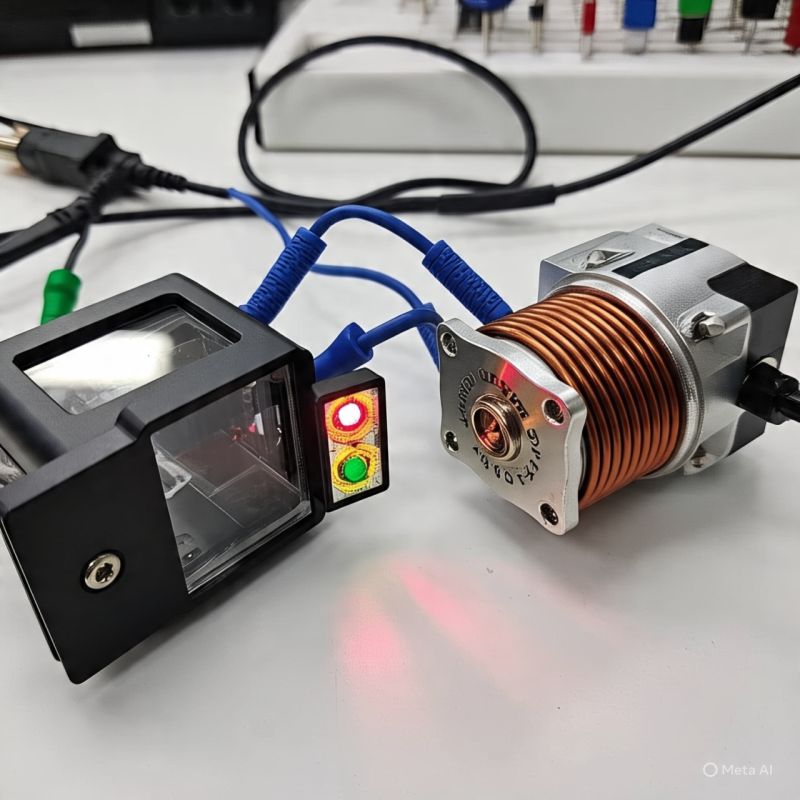
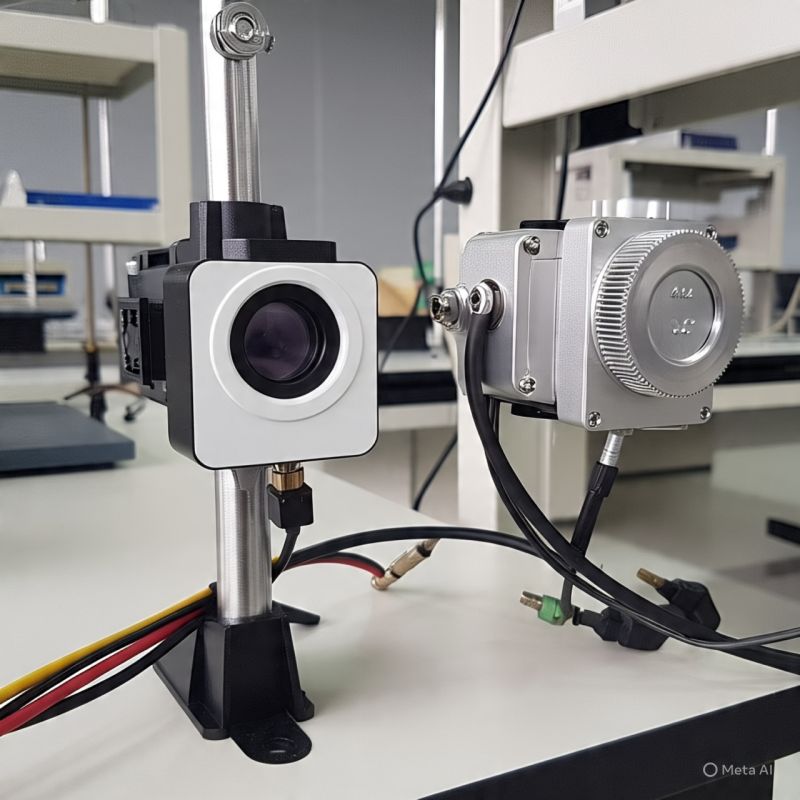
Sensors
Photoelectric and inductive sensors are critical components in industrial automation systems. Designed for non-contact object detection, they ensure reliability, speed, and safety across conveyor systems, packaging lines, CNC machines, robotics, elevators, and production processes. These sensors enable real-time feedback for controlling position, presence, metal detection, and material movement.
1. Photoelectric Sensors
Working Principle:
Photoelectric sensors work by emitting a light beam (LED, infrared, or laser). Detection occurs when this beam is interrupted or reflected back by an object.
Types:
Through-Beam:
Uses separate transmitter and receiver
Long sensing distance (up to 10 meters or more)
High precision
Retro-Reflective:
Uses a reflector; detects interruption in the return beam
Easy alignment; range up to 46 meters
Diffuse Reflective:
Senses light reflected directly from the object
Sensing range: 10 cm to 1.5 m
Laser-Based:
leelavati automation
Sharp, narrow beam for accurate, small-part detection
Used in fine assembly and positioning tasks
2. Inductive Proximity Sensors
Working Principle:
Inductive sensors detect metallic objects by generating an electromagnetic field. When metal enters the field, it changes the inductance, triggering a signal.
Types:
Flush (Embeddable):
Mounts level with surfaces
Offers short sensing distances
Non-Flush (Protruding):
Extends from mounting surface
Provides longer sensing distances
Analog Output Inductive:
Offers continuous distance feedback (not just ON/OFF)
Specifications & Units
ParameterPhotoelectric SensorsInductive Sensors
Sensing Distance10 mm 10 m+1 mm 40 mm
Target DetectionAny object (opaque/reflective)Only metallic objects
Output TypesPNP/NPN, Relay, Analog, IO-LinkPNP/NPN, Analog, IO-Link
Voltage Range1030V DC or 24V AC1030V DC
Operating Temperature25C to +70C25C to +80C
Protection RatingIP65 / IP67 / IP69KIP65 / IP67 / IP68
Applications
Photoelectric SensorsInductive Sensors
Detect objects on conveyorsDetect metal parts in automated assemblies
Label and package detectionPosition sensing in metal machinery
Transparent object sensing (e.g., bottles)End-stop detection in actuators
Print mark and barcode sensingShaft position monitoring
Color or edge detection in printing/textilesProximity sensing in welding, cutting, robots
leelavati automation
Construction & Materials
Housing: Stainless steel, nickel-plated brass, ABS, or polymer blends
Lens/Window: Acrylic or tempered glass
Connectors: M8/M12, cable tail, or terminal block
Protection: IP65IP69K for dust, water, and chemical resistance
Sensors can be designed for:
Harsh outdoor conditions
High-pressure washdowns
Hazardous/explosive environments
Signal Outputs
Output TypeFunction
PNP/NPNDigital switching output for logic control
Analog (010V / 420 mA)Variable signal based on distance
RelayMechanical switch, slower but rugged
IO-LinkDigital communication for smart diagnostics
leelavati automation
Price Range (Indicative)
Sensor Type
Basic Inductive Sensor
Analog Inductive Sensor
Basic Photoelectric Sensor
Laser Photoelectric Sensor
IO-Link Enabled Smart Sensor
based on sensing range, output type, housing material, and certifications.
Warranty & Reliability
Typical warranty: 12 to 24 months
Lifecycle: Up to 100 million switching operations
Features:
Built-in LED indicators
Overload and reverse polarity protection
Self-teach or auto-tune options
leelavati automation
Sensor health diagnostics in smart models
Smart Factory Integration
Advanced sensors support:
Predictive maintenance
Remote diagnostics
Edge computing
IoT dashboards
Energy-efficient operation
They integrate seamlessly into modern PLC, SCADA, and BMS systems via IO-Link, Modbus, or analog inputs, supporting Industry 4.0 applications.
Additional Information:
Packaging Details : Sensors
Photoelectric and inductive sensors are critical components in industrial automation systems. Designed for non-contact object detection, they ensure reliability, speed, and safety across conveyor systems, packaging lines, CNC machines, robotics, elevators, and production processes. These sensors enable real-time feedback for controlling position, presence, metal detection, and material movement.
1. Photoelectric Sensors
Working Principle:
Photoelectric sensors work by emitting a light beam (LED, infrared, or laser). Detection occurs when this beam is interrupted or reflected back by an object.
Types:
Through-Beam:
Uses separate transmitter and receiver
Long sensing distance (up to 10 meters or more)
High precision
Retro-Reflective:
Uses a reflector; detects interruption in the return beam
Easy alignment; range up to 46 meters
Diffuse Reflective:
Senses light reflected directly from the object
Sensing range: 10 cm to 1.5 m
Laser-Based:
leelavati automation
Sharp, narrow beam for accurate, small-part detection
Used in fine assembly and positioning tasks
2. Inductive Proximity Sensors
Working Principle:
Inductive sensors detect metallic objects by generating an electromagnetic field. When metal enters the field, it changes the inductance, triggering a signal.
Types:
Flush (Embeddable):
Mounts level with surfaces
Offers short sensing distances
Non-Flush (Protruding):
Extends from mounting surface
Provides longer sensing distances
Analog Output Inductive:
Offers continuous distance feedback (not just ON/OFF)
Specifications & Units
Parameter Photoelectric Sensors Inductive Sensors
Sensing Distance 10 mm 10 m+ 1 mm 40 mm
Target Detection Any object (opaque/reflective) Only metallic objects
Output Types PNP/NPN, Relay, Analog, IO-Link PNP/NPN, Analog, IO-Link
Voltage Range 1030V DC or 24V AC 1030V DC
Operating Temperature 25C to +70C 25C to +80C
Protection Rating IP65 / IP67 / IP69K IP65 / IP67 / IP68
Applications
Photoelectric Sensors Inductive Sensors
Detect objects on conveyors Detect metal parts in automated assemblies
Label and package detection Position sensing in metal machinery
Transparent object sensing (e.g., bottles) End-stop detection in actuators
Print mark and barcode sensing Shaft position monitoring
Color or edge detection in printing/textiles Proximity sensing in welding, cutting, robots
leelavati automation
Construction & Materials
Housing: Stainless steel, nickel-plated brass, ABS, or polymer blends
Lens/Window: Acrylic or tempered glass
Connectors: M8/M12, cable tail, or terminal block
Protection: IP65IP69K for dust, water, and chemical resistance
Sensors can be designed for:
Harsh outdoor conditions
High-pressure washdowns
Hazardous/explosive environments
Signal Outputs
Output Type Function
PNP/NPN Digital switching output for logic control
Analog (010V / 420 mA) Variable signal based on distance
Relay Mechanical switch, slower but rugged
IO-Link Digital communication for smart diagnostics
leelavati automation
Price Range (Indicative)
Sensor Type
Basic Inductive Sensor
Analog Inductive Sensor
Basic Photoelectric Sensor
Laser Photoelectric Sensor
IO-Link Enabled Smart Sensor
based on sensing range, output type, housing material, and certifications.
Warranty & Reliability
Typical warranty: 12 to 24 months
Lifecycle: Up to 100 million switching operations
Features:
Built-in LED indicators
Overload and reverse polarity protection
Self-teach or auto-tune options
leelavati automation
Sensor health diagnostics in smart models
Smart Factory Integration
Advanced sensors support:
Predictive maintenance
Remote diagnostics
Edge computing
IoT dashboards
Energy-efficient operation
They integrate seamlessly into modern PLC, SCADA, and BMS systems via IO-Link, Modbus, or analog inputs, supporting Industry 4.0 applications.
industrial sensors and field instruments are the essential building blocks for real-time monitoring, control, and process optimization. These devices translate physical phenomena such as temperature, pressure, flow, level, vibration, distance, and humidity into electrical signals that can be interpreted by control systems like PLCs, SCADA, DCS, and IIoT platforms. Used across diverse sectors including automotive, food & beverage, chemicals, textiles, electronics, packaging, metalworking, and pharmaceuticals, they enable enhanced efficiency, quality control, safety, and predictive maintenance. categories & Functions Temperature Sensors Types: RTDs (Pt100), Thermocouples (J/K/T), Infrared, Thermistors Function: Measure heat in processes like curing, welding, drying, fermentation, and HVAC. Units: C, F leelavati automation Applications: Furnace monitoring, motor winding protection, injection molding, boilers Pressure & Vacuum Sensors Types: Gauge, Absolute, Differential, Vacuum Transmitters Function: Detect system pressure in hydraulic, pneumatic, and fluid systems. Units: bar, psi, Pa, mmHg Applications: Compressors, filters, vacuum packaging, tank monitoring Level Sensors Types: Ultrasonic, Capacitive, Float, Radar, Conductive Function: Detect liquid or bulk solids level in tanks and silos. Units: mm, m, % Applications: Chemical storage, wastewater treatment, beverage bottling Flow Sensors & Meters Types: Electromagnetic, Turbine, Vortex, Mass Flow, Ultrasonic Function: Measure liquid, gas, or steam flow in pipelines. Units: LPM, m/h, kg/h Applications: Water distribution, fuel flow, HVAC, process control Proximity Sensors Types: Inductive (for metals), Capacitive (for solids/liquids), Ultrasonic (non-contact) Function: Detect object presence or position without physical contact. Units: mm, ON/OFF Applications: Packaging lines, machine safety, counting systems leelavati automation Photoelectric Sensors Types: Through-beam, Retro-reflective, Diffuse Function: Detect presence, edges, or colors using light beams. Applications: Object detection, label sensing, transparent material detection Vibration & Motion Sensors Types: MEMS, Piezoelectric, Accelerometers, Gyros Function: Detect machine movement, imbalance, or wear. Units: g, mm/s, Hz Applications: Predictive maintenance, motor condition monitoring Humidity & Environmental Sensors Types: Capacitive RH, Dew Point, Air Quality Function: Measure moisture content and air conditions. Units: %RH, C dew point, ppm (gas) Applications: HVAC, clean rooms, electronics assembly Distance, Position & Displacement Sensors Types: Laser, Ultrasonic, LVDT, Magnetic Function: Measure distance or linear position with high accuracy. Units: mm, m, m Applications: Robotics, cutting, level detection Electrical Sensors Types: Voltage, Current, Frequency, Power Function: Monitor electrical parameters in real time. Units: V, A, Hz, kW Applications: Motor protection, energy monitoring, automation panels 11. Light & Color Sensors Types: RGB, Luminescence, Contrast, Ambient Function: Detect light intensity, surface color, or print marks. Applications: Quality control, packaging, labeling, printing Time & Logic Control Modules Devices: Timers, Counters, Logic Relays, Sequencers Function: Control time-based or logical operations in automation. Applications: Cycle control, safety delay, batch counting 13. CNC Controllers Function: Control multi-axis movement in machine tools. Applications: CNC milling, turning, engraving, plasma cutting Key Benefits & Features Non-contact operation for reliability and durability leelavati automation High-speed sensing (milliseconds response) Wide temperature and pressure ranges IP65/IP67-rated housings for harsh environments Smart communication protocols: IO-Link, Modbus, Profibus, CANopen, EtherCAT Calibration options for precision industries Self-diagnostics and erro
Additional Information:
Payment Terms :
Delivery Time : given in descp
Variable Frequency Drives (VFDs) Industrial Use Overview A Variable Frequency Drive (VFD)also known as an AC drive, frequency converter, or inverteris a type of motor controller that varies the frequency and voltage supplied to an electric motor. VFDs are primarily used to control motor speed and torque, resulting in energy savings, process optimization, and extended equipment life in industrial automation. They are extensively used across manufacturing plants, HVAC systems, water treatment plants, machine shops, conveyors, compressors, and more. Working Principle VFDs operate by converting the incoming AC power to DC through a rectifier and then inverting it back to variable frequency AC using an IGBT-based inverter. By adjusting the frequency (Hz), the drive regulates the speed of the AC motor. Torque and voltage are also proportionally controlled to ensure stable performance. leelavati automation Types of VFDs TypeDescription Volts per Hertz (V/f)Basic, low-cost drive for simple applications Vector Control DrivesBetter torque control, used in moderate precision applications Sensorless Vector DrivesSimulate feedback for better dynamic response Closed-Loop VFDsUse encoders for precision control in critical applications Regenerative DrivesFeed braking energy back into the grid Multi-Axis VFDsControl multiple motors from a single unit Applications in Manufacturing IndustryApplication HVAC & Building MgmtFans, pumps, chillers, AHUs AutomotiveAssembly lines, press operations Food & BeverageConveyors, mixers, dosing systems Water & WastewaterPumps, blowers, aerators PharmaceuticalsTablet coating, clean room fans Metal & MiningCrushers, hoists, rolling mills PackagingForm-fill-seal machines, labelers, sorters TextileSpinning, weaving, dyeing machines PlasticsExtruders, injection molding machines leelavati automation Specifications & Ranges ParameterTypical Range Power Rating0.2 kW 500 kW+ Voltage Input230V / 400V / 690V AC Frequency Range Output0 400 Hz (programmable) Control ModesV/f, Vector, Torque, PID, S-curve Motor Type SupportedInduction, Synchronous, PMSM, BLDC User Interface & Controls Digital Keypad / HMI: Built-in keypad with display for programming and monitoring External HMIs: Touchscreens for enhanced diagnostics and control Communication Ports: RS485, Modbus RTU, CANopen, Profibus, Ethernet/IP, Profinet Remote Control: Via SCADA/PLC integration or wireless access PC Software: For parameter upload, logging, and tuning Mobile Apps (in smart VFDs): Wireless setup, live status, alerts Benefits & Advantages Energy Savings: Adjust motor speed to match load; reduce electricity costs by 3060% Process Optimization: Precise speed and torque control Soft Start/Stop: Reduces mechanical stress and extends equipment life Reduced Downtime: Built-in protections (overload, overvoltage, phase loss) Remote Monitoring: Supports Industry 4.0 and IIoT environments Lower Maintenance Costs: No mechanical speed control devices needed Harmonic Filtering: Built-in or optional filters reduce electrical noise Protection & Safety Features Overcurrent & short-circuit protection Overvoltage & undervoltage protection Motor stall detection Ground fault monitoring Password locking and fault history logs 0.37 kW to 2.2 kW (13 HP) 3.7 kW to 7.5 kW (510 HP) 11 kW to 22 kW (1530 HP) 30 kW to 75 kW (40100 HP) 100 kW leelavati automation features (like regenerative braking, IP rating, communication protocols), input voltage, and motor compatibility. Warranty & Compliance Standard Warranty: 12 to 24 months MTBF: Often >100, 000 hours Certifications: CE, UL, ISO, RoHS, BIS Enclosures: IP20 (standard), IP55/IP65 for harsh environments Cooling: Air or fan-cooled; some offer heat sink or liquid cooling Smart Features & Industry 4.0 Compatibility Modern VFDs offer: Auto-tuning for motor optimization Energy monitoring and kWh calculation Modular expansion (I/O cards, fieldbus
Additional Information:
Payment Terms :
Delivery Time : ref descptn
HMI Panels Human-Machine Interface in Industrial Automation HMI Panels (Human-Machine Interfaces) are digital control interfaces that enable real-time communication between operators and machines, allowing for effective monitoring, operation, and diagnostics of industrial equipment and processes. These panels are used extensively in factory automation, packaging, process plants, robotics, water treatment, HVAC systems, and more. They replace traditional control systems with intuitive graphical displays, improving efficiency, productivity, and safety. Function & Role in Industry Monitor machine status (temperature, flow, pressure, speed, alarms) Visualize data from PLCs, sensors, and field devices Control processes through touch commands (start/stop/reset) Display diagnostics and faults Provide secure user access and control HMI panels are integrated with PLCs, DCS, VFDs, and SCADA systems, forming a crucial part of Industry 4.0 and IIoT ecosystems. leelavati automation Types of HMI Panels TypeDescription Basic Text HMILCD/monochrome display for simple control and diagnostics Graphic HMIColor screen with buttons and variable graphics Touchscreen HMIFull-color TFT or capacitive display with navigation via touch Web-based HMIAccessible remotely via browser on PC/mobile Panel PCIndustrial PC with HMI software, multi-screen control, and Windows/Linux OS Modular HMIExpandable units with slots for communication, memory, and function modules Applications in Manufacturing Packaging: Control of filling, sealing, labeling, and conveying machines Textile: Monitor weaving, spinning, and dyeing processes Food & Beverage: Set recipes, cleaning cycles, temperature, and timers Pharmaceutical: Monitor cleanroom environment, batch data, alarm history Water Treatment: Pump control, level display, flow regulation Automotive: Robotic line monitoring, motor diagnostics, assembly stations HVAC & BMS: Set temperatures, schedules, energy consumption tracking Technical Specifications ParameterTypical Range / Value Display Sizes3.5 " 21.5 " (diagonal) Resolution320240 (QVGA) to Full HD (19201080) Touch TypeResistive / Capacitive / Multitouch Communication PortsRS232, RS485, Ethernet, USB, CAN, Modbus, Profibus Memory128 MB 4 GB flash / 256 MB 16 GB RAM Input Voltage12V DC, 24V DC, or 230V AC MountingPanel mount / Wall mount / DIN rail Enclosure RatingIP65 front (standard), IP67/IP69K (optional) Operating Temp. Range20C to +60C User Interface Features Customizable screens (buttons, meters, graphs, alarms) Trend charts for historical data analysis Multi-language support Password-protected user levels leelavati automation Data logging and export via USB/SD Real-time event handling and status indicators Remote access (via web server or VNC) Benefits & Advantages Simplified operation with intuitive graphics Real-time visibility of process data and alarms Reduces downtime with diagnostic info and alerts Enhances safety with password levels and interlocks Saves time in commissioning and maintenance Remote access improves monitoring and response time Data collection for reports and analytics Connectivity & Integration Connects to PLCs, sensors, drives, relays, and field instruments Supports protocols like Modbus RTU/TCP, Ethernet/IP, CANopen, OPC UA Integrates with MES, ERP, and SCADA platforms Can be used as a gateway between systems Smart Features (Industry 4.0 Ready) Cloud integration for remote monitoring Edge computing capability in high-end models Predictive maintenance alerts QR/barcode scanner input for batch control Mobile device control via wireless or web-based UI IIoT sensors connectivity via MQTT/OPC-UA protocols leelavati automation 4.3 " 7 " Basic HMI 7 " 10 " Touch HMI 10 " 15.6 " Advanced HMI Industrial Panel PC with HMI SW screen size, ports, CPU, memory, protocols, and durability (IP ratings). Warranty & Compliance Warranty: 12 to 24 months
Industrial DCS Installations in Manufacturing & Process Automation A Distributed Control System (DCS) is a centralized yet distributed automation platform designed to monitor and control complex industrial processes. Used extensively in manufacturing plants, refineries, power plants, chemical units, water treatment, pharmaceuticals, food processing, and metallurgical industries, DCS improves process reliability, operational efficiency, safety, and scalability. leelavati automation In a DCS, intelligence is distributed across multiple controllers, field devices, operator stations, and servers ensuring robust, real-time process control. Core Functions of a DCS Continuous process control and regulation Collection and logging of plant data (real-time and historical) Alarm management and safety interlocks Recipe control and batch management Centralized operator monitoring and remote diagnostics Integration with PLCs, sensors, actuators, drives, and SCADA systems Typical Industries & Use Cases IndustryDCS Application Oil & GasRefinery operations, pipeline control, tank farm systems Power GenerationBoiler control, turbine regulation, grid synchronization Chemicals & PetrochemReactor control, distillation, flow and mixing operations Food & BeverageRecipe management, pasteurization, bottling lines PharmaceuticalsBatch control (cGMP compliant), HVAC, cleanroom controls Water & WastewaterPumping stations, filtration, chlorination Pulp & PaperPulping, drying, cutting, coating automation Steel & CementKiln control, rolling mill operations, material handling leelavati automation DCS Architecture Engineering Station (ES) Design, configuration, and diagnostics Operator Workstation (HMI/OS) For real-time monitoring, alarm handling, and control Controllers / Process Stations (PS) Distributed logic processing units connected to I/O Field I/Os & Smart Devices Interface with process variables (temperature, pressure, flow, etc.) Redundant Network / Bus Ethernet-based communication (Profinet, Modbus TCP, FOUNDATION Fieldbus, etc.) Historian Server Long-term data storage and reporting Remote I/O & Substations For larger distributed systems over wide areas Key Features & Capabilities Real-time control with deterministic execution Redundancy at CPU, power, and network levels for fault tolerance Modular & scalable design to support small to large plants Integrated alarm management and safety protocols (SIL support) Multi-protocol compatibility (Modbus, OPC UA, Profibus, Ethernet/IP, HART) Batch management & recipe handling (ISA-88 compliant) Historian database for data analytics and audits Remote monitoring & control via SCADA and cloud platforms Technical Specifications (Typical) SpecificationValue / Range System RedundancyCPU, network, I/O redundancy (hot-standby) Communication ProtocolsModbus RTU/TCP, Profibus, EtherNet/IP, OPC, HART Supported I/O TypesAI, AO, DI, DO, RTD, Thermocouple, Frequency Scan Time1 ms 100 ms (configurable) Data LoggingReal-time & historical with backup Alarm Response Time< 1 second Operating Environment10C to +60C; IP20IP65 enclosures available Power Supply24V DC, 48V DC, 110/230V AC Advantages of DCS Over PLC/SCADA FeatureDCSPLC/SCADA ArchitectureCentralized + DistributedModular (often standalone) Best forContinuous and batch process controlDiscrete/Sequential automation ScalabilityHigh suitable for large plantsMedium cost rises with scale RedundancyBuilt-in at multiple levelsOptional IntegrationSeamless integration with sensors, drives, MES/ERPCan require multiple bridges/interfaces Batch/Recipe SupportAdvanced, native support (ISA-88)Possible but complex leelavati automation Smart Features & IIoT Integration Cloud connectivity via MQTT, OPC UA Predictive maintenance using AI/ML algorithms Edge computing enabled I/O stations Real-time energy monitoring Advanced analytics dashboards Cybersecurity with encrypted protocols and firewa
Servo Motors & Drives in Industrial Manufacturing Servo motors and drives are high-precision motion control systems widely used in automated industrial machinery to perform controlled rotational or linear movement. Unlike standard motors, servo systems provide precise position, speed, and torque control, making them ideal for robotics, CNC machines, pick-and-place, packaging, and textile automation. A servo drive (or amplifier) interfaces between the control system (like PLC or CNC) and the servo motor, ensuring real-time feedback-based motion control. Working Principle The servo system operates via a closed-loop feedback mechanism: The controller sends motion commands to the servo drive. The drive energizes the servo motor. An encoder or resolver attached to the motor shaft sends position/speed feedback. The drive adjusts current/voltage to correct deviations, ensuring precise motion. This real-time correction enables high-speed and high-accuracy motion control. Types of Servo Motors TypeDescription AC Servo MotorsMost common; used in automation, CNC, packaging DC Servo MotorsSimple control; used in low-power applications Brushless Servo Motors (BLDC)High efficiency and long life; low maintenance Synchronous Servo MotorsConstant speed; used in robotics and textile machines Linear Servo MotorsProvide direct linear motion without mechanical linkages Applications in Manufacturing IndustryApplication AutomotiveRobotic arms, part alignment, welding stations PackagingCarton folding, cutting, sealing, labeling TextileYarn tensioning, weaving, precision rollers CNC/MetalworkingTool positioning, axis control, spindles ElectronicsPick-and-place, soldering arms, lens adjustment Pharma/FoodCapsule filling, labeling, conveyor sorting PrintingColor register control, printhead positioning Technical Specifications (Typical) ParameterRange / Value Torque Output0.1 Nm 150 Nm+ Rated Power50 W 15 kW+ Voltage Range24V DC 480V AC Speed Range0 6, 000 RPM (programmable) Feedback DevicesIncremental encoder, Absolute encoder, Resolver Communication ProtocolsModbus, EtherCAT, CANopen, Profibus, Profinet Position Accuracy0.01 mm or better Ingress Protection (IP)IP54, IP65, IP67 (depending on model) Key Benefits & Advantages Precision Control: High-resolution encoders enable micro-level position control Dynamic Response: Fast acceleration and deceleration for high-speed operations Compact & Lightweight: High torque in a small footprint Programmable: Supports multi-axis coordination and motion profiles Energy Efficient: Regenerative braking and optimized current draw Maintenance-Free (BLDC types): No brushes = longer life and reduced wear Safe Operations: Overload, over-temperature, and stall protection Integration & User Interface Drive Programming: Via built-in keypad, PC software, or touchscreen HMI Control Inputs: Analog (010V), Digital I/O, Pulse train, Fieldbus Feedback Support: Multiple encoder types; high-resolution signal handling Multi-axis Support: Master/slave configuration for coordinated movements Remote Diagnostics: Error logs, real-time status, parameter read/write Smart Features & IIoT Integration Auto-tuning for load inertia and optimal performance Data logging for predictive maintenance and performance analysis IIoT communication via OPC-UA, MQTT, or Ethernet/IP Remote access for parameter setting, alarms, and live monitoring Safety integrated functions: Safe Torque Off (STO), Safe Stop 1 (SS1) 100 W 750 W (basic packaging/CNC) 750 W 1.5 kW (CNC/robotics) 1.5 kW 5 kW (multi-axis/automation) >5 kW high-performance (multi-axis) torque, feedback type, protocol support, and drive configuration. Warranty & Reliability Standard Warranty: 1224 months Typical Service Life: 20, 000+ hours (brushless types) Certifications: CE, RoHS, UL, ISO 9001 Maintenance: Low to zero for BLDC and sealed units Environmental Ratings: IP54/IP65/IP67 for dust, oil, and water prot
Additional Information:
Payment Terms :
Packaging Details : Servo Motors & Drives in Industrial Manufacturing
Servo motors and drives are high-precision motion control systems widely used in automated industrial machinery to perform controlled rotational or linear movement. Unlike standard motors, servo systems provide precise position, speed, and torque control, making them ideal for robotics, CNC machines, pick-and-place, packaging, and textile automation.
A servo drive (or amplifier) interfaces between the control system (like PLC or CNC) and the servo motor, ensuring real-time feedback-based motion control.
Working Principle
The servo system operates via a closed-loop feedback mechanism:
The controller sends motion commands to the servo drive.
The drive energizes the servo motor.
An encoder or resolver attached to the motor shaft sends position/speed feedback.
The drive adjusts current/voltage to correct deviations, ensuring precise motion.
This real-time correction enables high-speed and high-accuracy motion control.
Types of Servo Motors
Type Description
AC Servo Motors Most common; used in automation, CNC, packaging
DC Servo Motors Simple control; used in low-power applications
Brushless Servo Motors (BLDC) High efficiency and long life; low maintenance
Synchronous Servo Motors Constant speed; used in robotics and textile machines
Linear Servo Motors Provide direct linear motion without mechanical linkages
Applications in Manufacturing
Industry Application
Automotive Robotic arms, part alignment, welding stations
Packaging Carton folding, cutting, sealing, labeling
Textile Yarn tensioning, weaving, precision rollers
CNC/Metalworking Tool positioning, axis control, spindles
Electronics Pick-and-place, soldering arms, lens adjustment
Pharma/Food Capsule filling, labeling, conveyor sorting
Printing Color register control, printhead positioning
Technical Specifications (Typical)
Parameter Range / Value
Torque Output 0.1 Nm 150 Nm+
Rated Power 50 W 15 kW+
Voltage Range 24V DC 480V AC
Speed Range 0 6, 000 RPM (programmable)
Feedback Devices Incremental encoder, Absolute encoder, Resolver
Communication Protocols Modbus, EtherCAT, CANopen, Profibus, Profinet
Position Accuracy 0.01 mm or better
Ingress Protection (IP) IP54, IP65, IP67 (depending on model)
Key Benefits & Advantages
Precision Control: High-resolution encoders enable micro-level position control
Dynamic Response: Fast acceleration and deceleration for high-speed operations
Compact & Lightweight: High torque in a small footprint
Programmable: Supports multi-axis coordination and motion profiles
Energy Efficient: Regenerative braking and optimized current draw
Maintenance-Free (BLDC types): No brushes = longer life and reduced wear
Safe Operations: Overload, over-temperature, and stall protection
Integration & User Interface
Drive Programming: Via built-in keypad, PC software, or touchscreen HMI
Control Inputs: Analog (010V), Digital I/O, Pulse train, Fieldbus
Feedback Support: Multiple encoder types; high-resolution signal handling
Multi-axis Support: Master/slave configuration for coordinated movements
Remote Diagnostics: Error logs, real-time status, parameter read/write
Smart Features & IIoT Integration
Auto-tuning for load inertia and optimal performance
Data logging for predictive maintenance and performance analysis
IIoT communication via OPC-UA, MQTT, or Ethernet/IP
Remote access for parameter setting, alarms, and live monitoring
Safety integrated functions: Safe Torque Off (STO), Safe Stop 1 (SS1)
100 W 750 W (basic packaging/CNC)
750 W 1.5 kW (CNC/robotics)
1.5 kW 5 kW (multi-axis/automation)
>5 kW high-performance (multi-axis)
torque, feedback type, protocol support, and drive configuration.
Warranty & Reliability
Standard Warranty: 1224 months
Typical Service Life: 20, 000+ hours (brushless types)
Certifications: CE, RoHS, UL, ISO 9001
Maintenance: Low to zero for BLDC and sealed units
Environmental Ratings: IP54/IP65/IP67 for dust, oil, and water protection
Accessories & Options
Servo extension cables (power/encoder)
Planetary gearboxes for torque multiplication
Brake modules for vertical load holding
Panel-mount or DIN-mount servo drives
Digital operator panels (HMI or touchscreen)
Regenerative braking resistors
Delivery Time : ref descp,
Industrial PCs (IPCs) and Edge Controllers are ruggedized computing platforms used to perform real-time control, data processing, visualization, and edge analytics in factory environments. Unlike consumer-grade PCs, these systems are designed for 24/7 operation in harsh conditions such as vibration, heat, dust, and electrical noise. They serve as critical components in smart manufacturing, bridging the gap between field-level devices (PLCs, sensors, HMIs) and enterprise-level systems (MES, ERP, cloud)Edge Controllers in Industrial Automation Edge Controllers are compact, industrial computing systems that perform real-time control, data processing, and communication functions directly at the edge of the production lineclose to machines, sensors, and actuators. Unlike traditional controllers, Edge Controllers combine PLC-style control, IT-level processing, and IIoT connectivity, making them ideal for smart factories and Industry 4.0 deployments. These devices bridge the gap between operational technology (OT) and information technology (IT), offering local decision-making without relying solely on cloud infrastructure. Architecture & Functionality Core Components: Real-Time Processor or Microcontroller Integrated I/O (DI/DO, AI/AO) Communication Interfaces (Ethernet, Serial, Fieldbus) Edge Analytics Engine Local Data Storage or SD/SSD Optional Display or Web Interface Key Functions: Collect & process sensor data Perform control logic (PID, ladder, structured text) Analyze data locally (Edge AI/ML) Communicate with PLCs, HMIs, SCADA, cloud Convert protocols (e.g., Modbus MQTT) Trigger alerts, alarms, or actuator events Host dashboards or APIs for integration Industrial Use Cases & Applications IndustryEdge Controller Application AutomotivePredictive maintenance, robotic cell management PharmaceuticalCleanroom monitoring, batch data logging Food & BeverageLine performance tracking, traceability, vision analytics TextileQuality control and energy monitoring PackagingLabel verification, device coordination CNC & MetalworkingReal-time spindle monitoring, adaptive speed control UtilitiesPump control, water quality monitoring User Interface & Connectivity Web-Based HMI: Accessible via browser from any device Cloud Connection: Azure, AWS, Google Cloud, private servers Protocol Support: OT: Modbus RTU/TCP, CAN, Profibus, EtherNet/IP IT/IoT: OPC UA, MQTT, REST API, SNMP Edge Software: Node-RED Python / C scripts Docker for containerized apps Built-in logic editors (ladder, FBD, ST) Technical Specifications (Typical) ParameterValue / Range CPUARM Cortex-A, Intel Atom/i3/i5 RAM512 MB 8 GB Storage8 GB 128 GB (eMMC, SSD, SD) Digital/Analog I/O4 to 64+ (expandable) ProtocolsModbus, MQTT, OPC UA, CANopen, Ethernet/IP Power Supply24V DC (typical), with surge protection Operating Temp.20C to +60C (industrial-grade) MountingDIN-rail, wall, or panel mount CertificationsCE, UL, FCC, RoHS, ISO Key Benefits & Advantages Real-Time Processing: Ensures immediate local action and control Reduced Latency: No need to wait for cloud decision-making Lower Bandwidth Usage: Only relevant/filtered data sent upstream High Uptime: Runs autonomously during network or cloud outages Protocol Bridging: Unifies legacy and modern industrial systems Cybersecure: Encrypted communications, firewalls, user access control Edge AI Capable: Supports ML algorithms and image/sound processing Smart Features & IIoT Readiness Auto-tagging of devices using device templates Local data historian for analytics and audits Rule-based alerts and edge decisions (e.g., if temp > X, shut pump) API integration with MES, ERP, or CMMS systems Digital Twin Hosting: Run simulations or diagnostics based on real data Over-the-Air Updates (OTA) for firmware and application patches Edge-to-Cloud Sync: Customizable data flow strategies (push/pull, real-time/batch) Basic Edge I/O Controller Mid-Tier Edge Gat
Additional Information:
Payment Terms :
Packaging Details : Edge Controllers in Industrial Automation
Edge Controllers are compact, industrial computing systems that perform real-time control, data processing, and communication functions directly at the edge of the production lineclose to machines, sensors, and actuators. Unlike traditional controllers, Edge Controllers combine PLC-style control, IT-level processing, and IIoT connectivity, making them ideal for smart factories and Industry 4.0 deployments.
These devices bridge the gap between operational technology (OT) and information technology (IT), offering local decision-making without relying solely on cloud infrastructure.
Architecture & Functionality
Core Components:
Real-Time Processor or Microcontroller
Integrated I/O (DI/DO, AI/AO)
Communication Interfaces (Ethernet, Serial, Fieldbus)
Edge Analytics Engine
Local Data Storage or SD/SSD
Optional Display or Web Interface
Key Functions:
Collect & process sensor data
Perform control logic (PID, ladder, structured text)
Analyze data locally (Edge AI/ML)
Communicate with PLCs, HMIs, SCADA, cloud
Convert protocols (e.g., Modbus MQTT)
Trigger alerts, alarms, or actuator events
Host dashboards or APIs for integration
Industrial Use Cases & Applications
Industry Edge Controller Application
Automotive Predictive maintenance, robotic cell management
Pharmaceutical Cleanroom monitoring, batch data logging
Food & Beverage Line performance tracking, traceability, vision analytics
Textile Quality control and energy monitoring
Packaging Label verification, device coordination
CNC & Metalworking Real-time spindle monitoring, adaptive speed control
Utilities Pump control, water quality monitoring
User Interface & Connectivity
Web-Based HMI: Accessible via browser from any device
Cloud Connection: Azure, AWS, Google Cloud, private servers
Protocol Support:
OT: Modbus RTU/TCP, CAN, Profibus, EtherNet/IP
IT/IoT: OPC UA, MQTT, REST API, SNMP
Edge Software:
Node-RED
Python / C scripts
Docker for containerized apps
Built-in logic editors (ladder, FBD, ST)
Technical Specifications (Typical)
Parameter Value / Range
CPU ARM Cortex-A, Intel Atom/i3/i5
RAM 512 MB 8 GB
Storage 8 GB 128 GB (eMMC, SSD, SD)
Digital/Analog I/O 4 to 64+ (expandable)
Protocols Modbus, MQTT, OPC UA, CANopen, Ethernet/IP
Power Supply 24V DC (typical), with surge protection
Operating Temp. 20C to +60C (industrial-grade)
Mounting DIN-rail, wall, or panel mount
Certifications CE, UL, FCC, RoHS, ISO
Key Benefits & Advantages
Real-Time Processing: Ensures immediate local action and control
Reduced Latency: No need to wait for cloud decision-making
Lower Bandwidth Usage: Only relevant/filtered data sent upstream
High Uptime: Runs autonomously during network or cloud outages
Protocol Bridging: Unifies legacy and modern industrial systems
Cybersecure: Encrypted communications, firewalls, user access control
Edge AI Capable: Supports ML algorithms and image/sound processing
Smart Features & IIoT Readiness
Auto-tagging of devices using device templates
Local data historian for analytics and audits
Rule-based alerts and edge decisions (e.g., if temp > X, shut pump)
API integration with MES, ERP, or CMMS systems
Digital Twin Hosting: Run simulations or diagnostics based on real data
Over-the-Air Updates (OTA) for firmware and application patches
Edge-to-Cloud Sync: Customizable data flow strategies (push/pull, real-time/batch)
Basic Edge I/O Controller
Mid-Tier Edge Gateway
Advanced Edge AI Controller
CPU type, I/O count, protocol support, and smart features (e.g., AI, web server, Docker).
Warranty & Support
Warranty: 12 to 36 months (depending on vendor)
MTBF: >100, 000 hours
Support: Remote configuration, diagnostics, OTA updates
Lifecycle: Designed for 510 years of industrial operation
Compliance: CE, UL, RoHS, IP20IP67 enclosure options
Common Accessories & Options
I/O Expansion Modules (digital, analog, relay)
DIN Rail Kits or Mounting Brackets
UPS Modules or Supercapacitor Backups
Cellular Gateways (4G/5G) for remote installations
Touch Displays (optional for local HMI)
Software Packages (Node-RED, SCADA light, remote clients)
Delivery Time : ref description
Machine Vision Systems in Manufacturing Factories Overview Machine Vision Systems are advanced automation tools that use cameras, sensors, and image-processing algorithms to visually inspect, measure, guide, and monitor parts or products in real-time. These systems play a critical role in modern smart manufacturing, enabling non-contact, high-speed, and highly accurate visual analysis of components during production. Used extensively in automotive, electronics, pharmaceuticals, food & beverage, packaging, and metal fabrication, machine vision improves product quality, process speed, and production consistency. How It Works A typical machine vision system includes: Vision Cameras (2D or 3D): Capture high-resolution images of the target area or part Lighting Modules: Provide consistent and uniform illumination Image Sensors (CMOS or CCD): Convert light into digital signals Vision Controllers / Processors: Analyze image data using algorithms leelavati automation Machine Vision Software: Handles inspection, measurement, barcode reading, pattern recognition, OCR, etc. Output Signals: Trigger machine action (eject, accept, sort, stop) based on the result Applications in Manufacturing IndustryMachine Vision Use Case AutomotivePaint defect inspection, surface finish analysis, part verification ElectronicsSolder joint inspection, PCB alignment, connector presence PharmaceuticalBlister pack inspection, pill counting, label verification Food & BeverageFill level check, packaging seal inspection, label OCR TextileFabric pattern consistency, weave flaw detection CNC & MetalworkingDimensional verification, hole alignment, burr detection PackagingBarcode reading, cap presence, orientation check Functions Performed by Vision Systems Defect Detection (scratches, cracks, blemishes) Part Identification (barcode, QR, OCR) Measurement (length, width, angle, position) Color Detection & Sorting Presence/Absence Verification Pattern Matching for orientation or assembly checking 3D Scanning for height, volume, or surface contour analysis Robotic Guidance (vision-guided pick and place) leelavati automation Technical Specifications (Typical) ParameterTypical Range Camera Resolution0.3 MP – 21 MP (megapixels) Frame Rate30 – 200+ FPS Sensor TypeCMOS, CCD InterfaceUSB 3.0, GigE, Camera Link, CoaXPress, EtherCAT Lens TypeFixed, Zoom, Telecentric Lighting OptionsRing, Bar, Dome, Coaxial, Infrared, UV Power Supply12V/24V DC, PoE (for GigE cameras) Environmental RatingIP40 to IP67 (dust, oil, splash resistant) Software SupportWindows/Linux SDKs, drag-drop platforms, AI models Advantages & Benefits High-Speed Inspection: Detect defects at production-line speeds Non-Contact & Non-Intrusive: Ideal for sterile or high-speed environments Consistent Quality Control: 100% inspection eliminates human error Scalability: Easily integrates with PLCs, HMIs, SCADA, and MES systems Traceability & Reporting: Record image logs and measurement data Flexible Deployment: Works across product sizes, shapes, and materials Supports AI Integration: Deep learning enhances decision-making for complex visuals Smart Features & Industry 4.0 Integration AI Vision Processing: Deep learning to detect subtle or varying defects Edge Vision Systems: Local processing on the camera to reduce latency Cloud Analytics & Image Storage MQTT / OPC UA Support for IoT integration Remote Monitoring via browser or mobile apps Adaptive Lighting & Autofocus for real-time adjustments Integration with MES/ERP for closed-loop quality feedback Basic 2D Smart Camera High-Res GigE or USB Vision Cam 3D Machine Vision Camera Vision System Controller Complete Integrated System resolution, processing power, lens, lighting, and software features. Reliability & Compliance Warranty: 1–3 years standard Certifications: CE, FCC, RoHS, ISO 9001 Operating Life: 20, 000+ hours MTBF Environmental Ratings: IP65/IP67 options for washdown or ha
Additional Information:
Payment Terms :
Packaging Details : Machine Vision Systems in Manufacturing Factories
Overview
Machine Vision Systems are advanced automation tools that use cameras, sensors, and image-processing algorithms to visually inspect, measure, guide, and monitor parts or products in real-time. These systems play a critical role in modern smart manufacturing, enabling non-contact, high-speed, and highly accurate visual analysis of components during production.
Used extensively in automotive, electronics, pharmaceuticals, food & beverage, packaging, and metal fabrication, machine vision improves product quality, process speed, and production consistency.
How It Works
A typical machine vision system includes:
Vision Cameras (2D or 3D): Capture high-resolution images of the target area or part
Lighting Modules: Provide consistent and uniform illumination
Image Sensors (CMOS or CCD): Convert light into digital signals
Vision Controllers / Processors: Analyze image data using algorithms
leelavati automation
Machine Vision Software: Handles inspection, measurement, barcode reading, pattern recognition, OCR, etc.
Output Signals: Trigger machine action (eject, accept, sort, stop) based on the result
Applications in Manufacturing
Industry Machine Vision Use Case
Automotive Paint defect inspection, surface finish analysis, part verification
Electronics Solder joint inspection, PCB alignment, connector presence
Pharmaceutical Blister pack inspection, pill counting, label verification
Food & Beverage Fill level check, packaging seal inspection, label OCR
Textile Fabric pattern consistency, weave flaw detection
CNC & Metalworking Dimensional verification, hole alignment, burr detection
Packaging Barcode reading, cap presence, orientation check
Functions Performed by Vision Systems
Defect Detection (scratches, cracks, blemishes)
Part Identification (barcode, QR, OCR)
Measurement (length, width, angle, position)
Color Detection & Sorting
Presence/Absence Verification
Pattern Matching for orientation or assembly checking
3D Scanning for height, volume, or surface contour analysis
Robotic Guidance (vision-guided pick and place)
leelavati automation
Technical Specifications (Typical)
Parameter Typical Range
Camera Resolution 0.3 MP 21 MP (megapixels)
Frame Rate 30 200+ FPS
Sensor Type CMOS, CCD
Interface USB 3.0, GigE, Camera Link, CoaXPress, EtherCAT
Lens Type Fixed, Zoom, Telecentric
Lighting Options Ring, Bar, Dome, Coaxial, Infrared, UV
Power Supply 12V/24V DC, PoE (for GigE cameras)
Environmental Rating IP40 to IP67 (dust, oil, splash resistant)
Software Support Windows/Linux SDKs, drag-drop platforms, AI models
Advantages & Benefits
High-Speed Inspection: Detect defects at production-line speeds
Non-Contact & Non-Intrusive: Ideal for sterile or high-speed environments
Consistent Quality Control: 100% inspection eliminates human error
Scalability: Easily integrates with PLCs, HMIs, SCADA, and MES systems
Traceability & Reporting: Record image logs and measurement data
Flexible Deployment: Works across product sizes, shapes, and materials
Supports AI Integration: Deep learning enhances decision-making for complex visuals
Smart Features & Industry 4.0 Integration
AI Vision Processing: Deep learning to detect subtle or varying defects
Edge Vision Systems: Local processing on the camera to reduce latency
Cloud Analytics & Image Storage
MQTT / OPC UA Support for IoT integration
Remote Monitoring via browser or mobile apps
Adaptive Lighting & Autofocus for real-time adjustments
Integration with MES/ERP for closed-loop quality feedback
Basic 2D Smart Camera
High-Res GigE or USB Vision Cam
3D Machine Vision Camera
Vision System Controller
Complete Integrated System
resolution, processing power, lens, lighting, and software features.
Reliability & Compliance
Warranty: 13 years standard
Certifications: CE, FCC, RoHS, ISO 9001
Operating Life: 20, 000+ hours MTBF
Environmental Ratings: IP65/IP67 options for washdown or harsh environments
Software: AI tools, drag-and-drop configuration platforms, SDKs for custom apps
Accessories & Add-ons
Industrial lighting modules (bar, ring, dome)
Vision lenses (telecentric, macro, wide-angle)
Vision controllers or edge boxes
Vision cabling and PoE switches
Smart brackets and robot mounts
Protective housings for harsh environments
Delivery Time : ref desptn
Industrial Safety Systems: Light Curtains & Laser Scanners In modern manufacturing, safety systems are critical to ensuring the well-being of personnel, protection of equipment, and compliance with safety regulations. Among these, Light Curtains and Laser Scanners are widely used non-contact safety devices designed to detect human presence or intrusion into hazardous zones such as robotic cells, presses, conveyor lines, CNC machines, and packaging units. These systems help create safe work environments without compromising productivity, offering flexible protection solutions that adapt to complex layouts and dynamic processes. leelavati automation What Are Light Curtains & Laser Scanners? Light Curtains An array of infrared beams between a transmitter and receiver unit If a beam is interrupted (e.g., by a hand or body), a safety stop signal is triggered Used in areas where frequent human interaction with machines occurs Laser Scanners Emit a rotating laser beam to create a 2D safety zone map Continuously monitor for object or person entry into defined areas Allow programmable zones and differentiated response based on intrusion distance Applications in Manufacturing Factories IndustryApplication AutomotiveRobotic cell perimeter protection, press brakes, part handling PackagingPalletizer entry points, carton formers, conveyor ends TextileHigh-speed roll winding zones, machine access points PharmaceuticalBarrier-free entry to filling or inspection zones CNC/MetalworkingOperator hand protection in stamping, shearing, or cutting ElectronicsSafe zone enforcement in pick-and-place and automated test cells Food & BeverageHygienic machine guarding and washdown zone monitoring Key Features & Capabilities Light Curtains: Resolution options: Detect fingers (14 mm), hands (30 mm), or full body (90 mm) Compact or cascade models for flexibility in installation Muting & Blanking: Allow temporary bypass (e.g., object movement but not people) Built-in diagnostics via LED indicators or remote monitoring Range: 0.3 m to 20 m (depending on resolution and model) Laser Scanners: Programmable detection zones: Warning and safety zones Angular coverage: 190°–270° scanning range Zone switching for mobile or dynamic workspaces 2D or 3D mapping of hazardous areas Diagnostic logging and Ethernet/IP or PROFIsafe communication leelavati automation Technical Specifications (Typical) ParameterLight CurtainLaser Scanner Sensing Range0.1 m – 20 m0.1 m – 9 m Detection Resolution14 mm – 90 mm30 mm – 70 mm (object size) Response Time5 – 20 ms60 – 100 ms Protection Height100 mm – 1800 mm2D field (customizable) Output TypeOSSD (PNP/NPN)OSSD, Ethernet/IP, Profisafe MountingSide brackets, pole mountWall, pole, machine-mounted Operating Temp.–10°C to +55°C–10°C to +50°C Enclosure RatingIP54, IP65IP65, IP67 Safety CertificationType 2 / Type 4 (ISO 13849-1)SIL 2 or SIL 3, PL d or e Advantages & Benefits Non-contact protection: No physical barriers needed Faster reset time than mechanical guarding Flexible layouts: Easy to reconfigure as production changes High visibility with minimal interference in operations Improved machine accessibility for maintenance and setup leelavati automation Enhanced safety compliance with OSHA, ISO, IEC standards Programmable logic for zone control, muting, or cascading devices Smart & IIoT Capabilities Remote diagnostics and health monitoring Fieldbus and Ethernet connectivity (e.g., Profinet, EtherCAT, CIP Safety) Event logging and fault history analysis Live data for dashboards or plant safety KPIs Integration with SCADA/HMI systems for alerts and visualization Automatic zone adaptation for mobile robots or AGVs Basic Type 2 Light Curtain Advanced Type 4 Curtain Basic Laser Scanner Advanced Safety Scanner scanning range, safety certification, response time, and interface type. Compliance & Warranty Standards: ISO 13849-1 (Performance Level
Additional Information:
Payment Terms :
Packaging Details : Industrial Safety Systems: Light Curtains & Laser Scanners
In modern manufacturing, safety systems are critical to ensuring the well-being of personnel, protection of equipment, and compliance with safety regulations. Among these, Light Curtains and Laser Scanners are widely used non-contact safety devices designed to detect human presence or intrusion into hazardous zones such as robotic cells, presses, conveyor lines, CNC machines, and packaging units.
These systems help create safe work environments without compromising productivity, offering flexible protection solutions that adapt to complex layouts and dynamic processes.
leelavati automation
What Are Light Curtains & Laser Scanners?
Light Curtains
An array of infrared beams between a transmitter and receiver unit
If a beam is interrupted (e.g., by a hand or body), a safety stop signal is triggered
Used in areas where frequent human interaction with machines occurs
Laser Scanners
Emit a rotating laser beam to create a 2D safety zone map
Continuously monitor for object or person entry into defined areas
Allow programmable zones and differentiated response based on intrusion distance
Applications in Manufacturing Factories
Industry Application
Automotive Robotic cell perimeter protection, press brakes, part handling
Packaging Palletizer entry points, carton formers, conveyor ends
Textile High-speed roll winding zones, machine access points
Pharmaceutical Barrier-free entry to filling or inspection zones
CNC/Metalworking Operator hand protection in stamping, shearing, or cutting
Electronics Safe zone enforcement in pick-and-place and automated test cells
Food & Beverage Hygienic machine guarding and washdown zone monitoring
Key Features & Capabilities
Light Curtains:
Resolution options: Detect fingers (14 mm), hands (30 mm), or full body (90 mm)
Compact or cascade models for flexibility in installation
Muting & Blanking: Allow temporary bypass (e.g., object movement but not people)
Built-in diagnostics via LED indicators or remote monitoring
Range: 0.3 m to 20 m (depending on resolution and model)
Laser Scanners:
Programmable detection zones: Warning and safety zones
Angular coverage: 190270 scanning range
Zone switching for mobile or dynamic workspaces
2D or 3D mapping of hazardous areas
Diagnostic logging and Ethernet/IP or PROFIsafe communication
leelavati automation
Technical Specifications (Typical)
Parameter Light Curtain Laser Scanner
Sensing Range 0.1 m 20 m 0.1 m 9 m
Detection Resolution 14 mm 90 mm 30 mm 70 mm (object size)
Response Time 5 20 ms 60 100 ms
Protection Height 100 mm 1800 mm 2D field (customizable)
Output Type OSSD (PNP/NPN) OSSD, Ethernet/IP, Profisafe
Mounting Side brackets, pole mount Wall, pole, machine-mounted
Operating Temp. 10C to +55C 10C to +50C
Enclosure Rating IP54, IP65 IP65, IP67
Safety Certification Type 2 / Type 4 (ISO 13849-1) SIL 2 or SIL 3, PL d or e
Advantages & Benefits
Non-contact protection: No physical barriers needed
Faster reset time than mechanical guarding
Flexible layouts: Easy to reconfigure as production changes
High visibility with minimal interference in operations
Improved machine accessibility for maintenance and setup
leelavati automation
Enhanced safety compliance with OSHA, ISO, IEC standards
Programmable logic for zone control, muting, or cascading devices
Smart & IIoT Capabilities
Remote diagnostics and health monitoring
Fieldbus and Ethernet connectivity (e.g., Profinet, EtherCAT, CIP Safety)
Event logging and fault history analysis
Live data for dashboards or plant safety KPIs
Integration with SCADA/HMI systems for alerts and visualization
Automatic zone adaptation for mobile robots or AGVs
Basic Type 2 Light Curtain
Advanced Type 4 Curtain
Basic Laser Scanner
Advanced Safety Scanner
scanning range, safety certification, response time, and interface type.
Compliance & Warranty
Standards:
ISO 13849-1 (Performance Level PL d/e)
IEC 61496 (Electro-sensitive protective equipment)
SIL 2 / SIL 3 capable
Warranty: 1 to 3 years depending on model and manufacturer
Certifications: CE, UL, RoHS, EN, TV
Environment: Options for cleanrooms, washdowns (IP67), and dusty environments
Common Accessories
Pole mounts and brackets
Safety relays and control units
Connector cables (M12/M8, Ethernet)
Mirror columns for 2/3/4-sided protection
Muting sensors and arms
Zone configuration software licenses
Delivery Time : ref desptn
Field Instruments in Industrial Manufacturing (Transmitters & Flow Meters) Field Instruments are key components of industrial automation systems. Installed directly in the process field, they measure, transmit, and monitor critical process parameters like pressure, temperature, flow, and level. The most common types include Transmitters (for pressure, temperature, level) and Flow Meters (for measuring fluid/gas flow rate). They serve as the primary data acquisition sources in process plants, refineries, water treatment plants, chemical factories, pharmaceutical units, and FMCG packaging lines, enabling real-time control, monitoring, and safety enforcement. Key Components of Field Instrumentation Transmitters Convert raw physical signals (like pressure or temperature) into standardized electronic signals (4–20 mA, HART, Modbus) for control systems. leelavati automation Types of Transmitters: Pressure Transmitters: Gauge, absolute, or differential Temperature Transmitters: RTD, thermocouple-based Level Transmitters: Ultrasonic, radar, hydrostatic pH / ORP Transmitters: Chemical process monitoring Conductivity / TDS Transmitters: Water quality control Flow Meters Measure the volume or mass of liquids, gases, or steam flowing through a pipe or duct. Types of Flow Meters: ElectromagneticWater, slurry, chemical (conductive liquids) UltrasonicCustody transfer, water, oil, large pipes CoriolisMass flow of oil, fuel, chemical, pharma TurbineClean liquids and gases VortexSteam and gas flow Positive DisplacementOil, viscous fluids Thermal MassGas flow (compressed air, natural gas) leelavati automation Specifications ParameterTransmittersFlow Meters Output Signal4–20 mA, HART, Modbus, ProfibusPulse, 4–20 mA, Modbus, HART, Ethernet Accuracy±0.1% to ±0.5% FS±0.1% to ±1% of rate Operating Temp Range–40°C to +125°C–40°C to +180°C Pressure Range–1 bar to 600+ barUp to 400 bar (depending on meter) Ingress ProtectionIP65 to IP68IP65, IP67, NEMA 4X Material of ConstructionSS304/316, PTFE, ceramics, PVDFSS316, PTFE-lined, Hastelloy, etc. CertificationsCE, ATEX, IECEx, SIL2/3ISO, CE, RoHS, ATEX MountingField, Panel, Pipe, FlangeInline, clamp-on, insertion, flanged Advantages & Features Transmitters: High Accuracy & Repeatability HART/Modbus Communication for integration Explosion-Proof & Intrinsically Safe models Built-in Diagnostics and self-calibration options Remote Configuration via handheld or software tools 2-Wire Technology reduces cabling complexity Flow Meters: Non-intrusive Clamp-on Options for ultrasonic meters Bidirectional Measurement capability No Moving Parts (for electromagnetic, vortex, ultrasonic) = Low maintenance High Turndown Ratio for variable flow conditions Suitable for Clean and Dirty Fluids, including slurries Real-Time Mass or Volume Flow Output leelavati automation Smart Features & Digital Integration IIoT-Ready: Connectivity via HART-IP, OPC-UA, MQTT Data Logging: Store flow and process data for audit/compliance Wireless Models: Battery-operated flow sensors for remote sites Self-Diagnostics: Alerts for sensor drift, wear, or obstruction Digital Display & Touch Interface (local display on device) Integration with DCS, PLC, SCADA or Cloud platforms Pressure/Temp Transmitter Level Transmitter Electromagnetic Flow Meter Ultrasonic Flow Meter Coriolis Mass Flow Meter range, material, size, protocol, and brand. Warranty & Service Warranty: 1 – 3 years standard (extended available) Calibration: Factory calibrated; on-site calibration options Maintenance: Minimal (especially for non-mechanical meters) leelavati automation Compliance: SIL2/3, ISO 9001, CE, Ex-proof as required Environment: Models for hazardous zones (Zone 1/2, Class 1 Div 1/2) Accessories & Installation Options Signal conditioners, isolators Manifolds and mounting brackets Flanges and gaskets Remote displays or control heads Wireless transmitters or gateways Bluetooth/HART modems f
Additional Information:
Packaging Details : Field Instruments in Industrial Manufacturing
(Transmitters & Flow Meters)
Field Instruments are key components of industrial automation systems. Installed directly in the process field, they measure, transmit, and monitor critical process parameters like pressure, temperature, flow, and level. The most common types include Transmitters (for pressure, temperature, level) and Flow Meters (for measuring fluid/gas flow rate).
They serve as the primary data acquisition sources in process plants, refineries, water treatment plants, chemical factories, pharmaceutical units, and FMCG packaging lines, enabling real-time control, monitoring, and safety enforcement.
Key Components of Field Instrumentation
Transmitters
Convert raw physical signals (like pressure or temperature) into standardized electronic signals (420 mA, HART, Modbus) for control systems.
leelavati automation
Types of Transmitters:
Pressure Transmitters: Gauge, absolute, or differential
Temperature Transmitters: RTD, thermocouple-based
Level Transmitters: Ultrasonic, radar, hydrostatic
pH / ORP Transmitters: Chemical process monitoring
Conductivity / TDS Transmitters: Water quality control
Flow Meters
Measure the volume or mass of liquids, gases, or steam flowing through a pipe or duct.
Types of Flow Meters:
Electromagnetic Water, slurry, chemical (conductive liquids)
Ultrasonic Custody transfer, water, oil, large pipes
Coriolis Mass flow of oil, fuel, chemical, pharma
Turbine Clean liquids and gases
Vortex Steam and gas flow
Positive Displacement Oil, viscous fluids
Thermal Mass Gas flow (compressed air, natural gas)
leelavati automation
Specifications
Parameter Transmitters Flow Meters
Output Signal 420 mA, HART, Modbus, Profibus Pulse, 420 mA, Modbus, HART, Ethernet
Accuracy 0.1% to 0.5% FS 0.1% to 1% of rate
Operating Temp Range 40C to +125C 40C to +180C
Pressure Range 1 bar to 600+ bar Up to 400 bar (depending on meter)
Ingress Protection IP65 to IP68 IP65, IP67, NEMA 4X
Material of Construction SS304/316, PTFE, ceramics, PVDF SS316, PTFE-lined, Hastelloy, etc.
Certifications CE, ATEX, IECEx, SIL2/3 ISO, CE, RoHS, ATEX
Mounting Field, Panel, Pipe, Flange Inline, clamp-on, insertion, flanged
Advantages & Features
Transmitters:
High Accuracy & Repeatability
HART/Modbus Communication for integration
Explosion-Proof & Intrinsically Safe models
Built-in Diagnostics and self-calibration options
Remote Configuration via handheld or software tools
2-Wire Technology reduces cabling complexity
Flow Meters:
Non-intrusive Clamp-on Options for ultrasonic meters
Bidirectional Measurement capability
No Moving Parts (for electromagnetic, vortex, ultrasonic) = Low maintenance
High Turndown Ratio for variable flow conditions
Suitable for Clean and Dirty Fluids, including slurries
Real-Time Mass or Volume Flow Output
leelavati automation
Smart Features & Digital Integration
IIoT-Ready: Connectivity via HART-IP, OPC-UA, MQTT
Data Logging: Store flow and process data for audit/compliance
Wireless Models: Battery-operated flow sensors for remote sites
Self-Diagnostics: Alerts for sensor drift, wear, or obstruction
Digital Display & Touch Interface (local display on device)
Integration with DCS, PLC, SCADA or Cloud platforms
Pressure/Temp Transmitter
Level Transmitter
Electromagnetic Flow Meter
Ultrasonic Flow Meter
Coriolis Mass Flow Meter
range, material, size, protocol, and brand.
Warranty & Service
Warranty: 1 3 years standard (extended available)
Calibration: Factory calibrated; on-site calibration options
Maintenance: Minimal (especially for non-mechanical meters)
leelavati automation
Compliance: SIL2/3, ISO 9001, CE, Ex-proof as required
Environment: Models for hazardous zones (Zone 1/2, Class 1 Div 1/2)
Accessories & Installation Options
Signal conditioners, isolators
Manifolds and mounting brackets
Flanges and gaskets
Remote displays or control heads
Wireless transmitters or gateways
Bluetooth/HART modems for mobile diagnostics
Delivery Time : ref desptn
Smart Actuators & Valves in Industrial Automation Smart Actuators and Valves are advanced flow control devices integrated with sensors, digital communication interfaces, and onboard intelligence. Unlike traditional actuators and valves, smart versions offer remote control, feedback, diagnostics, and self-adjustment, playing a vital role in Industry 4.0 and IIoT ecosystems. They are widely used in oil & gas, chemical, water treatment, power generation, food processing, pharmaceuticals, HVAC, and manufacturing automation where precision, safety, and efficiency are essential. Core Components Valve: Controls the flow of liquids, gases, or steam Actuator: Provides the mechanical force to open/close or modulate the valve Smart Features: Position sensors, control modules, digital communication protocols, self-diagnostics Types of Smart Valves & Actuators Smart Actuators TypeDescription ElectricUses motors to control valve movement (on/off or modulating) PneumaticUses compressed air to drive valve movement HydraulicUses fluid pressure for high-force applications Electro-PneumaticHybrid systems with digital positioners and feedback Valves TypeApplication Ball ValvesOn/off control of water, gases, slurries Butterfly ValvesCompact design, large volume control Globe ValvesPrecision flow modulation Gate ValvesIsolation of pipelines Diaphragm ValvesCorrosive or sanitary fluids (pharma, food, chemicals) Control ValvesPrecise flow or pressure regulation using PID logic Specifications ParameterTypical Range Actuator Torque10 Nm 10, 000 Nm Operating Voltage24V/110V/230V AC or DC (electric actuators) Pressure RatingUp to 250 bar (valve type dependent) Communication ProtocolsModbus, HART, Profibus, Foundation Fieldbus, Ethernet/IP Position Feedback0100%, analog or digital Fail-Safe OptionsSpring return, battery backup Ingress ProtectionIP65 IP68, NEMA 4X / 6 Housing MaterialSS304/316, cast iron, brass, PVC, PTFE-lined Temperature Range40C to +180C CertificationsCE, SIL2/3, ATEX, IECEx, RoHS Applications in Manufacturing & Process Industries IndustryExample Use Water & WastewaterValve automation in filtration and pump systems Oil & GasFlow regulation and pipeline control PharmaceuticalSterile flow control in reactors and batch tanks Food & BeverageHygienic valves in CIP/SIP and bottling lines Power PlantsSteam valve control and cooling systems ChemicalCorrosion-resistant flow control in reaction vessels HVAC SystemsChiller and air duct flow balancing Advantages & Smart Features Remote Monitoring & Control via SCADA/PLC/DCS Position Feedback for real-time tracking Self-Diagnostics: Detects valve stiction, leakage, misalignment Data Logging & Trend Analysis Predictive Maintenance Alerts Adaptive Control: Automatically compensates for process variations Fail-Safe Behavior during power or signal loss Digital Calibration through handhelds or software Smart Capabilities & IIoT Integration Cloud Connectivity (via gateways) for remote control and analytics Edge Processing in actuator controllers Security Protocols for cyber-safe operations Plug-and-Play Configuration via HART/Modbus tools Support for AI-based Valve Health Monitoring Interoperability with MES/ERP systems Smart Electric Actuator Smart Pneumatic Actuator Automated Ball Valve Unit Smart Control Valve Valve Positioner (digital) Size, pressure class, material, certification, and smart features. Warranty, Support & Maintenance Warranty: 1236 months standard Maintenance: Low due to digital calibration and diagnostics Support Tools: Mobile apps or handheld communicators Software for diagnostics, configuration, and tuning Certifications: SIL2/3, CE, ATEX, ISO, RoHS Recommended Spare Parts: Seals, seats, controllers, solenoids Optional Accessories Position feedback modules (analog or digital) Smart solenoid valves Control signal converters (e.g., 420 mA to digital) Flameproof enclosures (Ex d) for hazardous areas Ma
Additional Information:
Payment Terms :
Packaging Details : Smart Actuators & Valves in Industrial Automation
Smart Actuators and Valves are advanced flow control devices integrated with sensors, digital communication interfaces, and onboard intelligence. Unlike traditional actuators and valves, smart versions offer remote control, feedback, diagnostics, and self-adjustment, playing a vital role in Industry 4.0 and IIoT ecosystems.
They are widely used in oil & gas, chemical, water treatment, power generation, food processing, pharmaceuticals, HVAC, and manufacturing automation where precision, safety, and efficiency are essential.
Core Components
Valve: Controls the flow of liquids, gases, or steam
Actuator: Provides the mechanical force to open/close or modulate the valve
Smart Features: Position sensors, control modules, digital communication protocols, self-diagnostics
Types of Smart Valves & Actuators
Smart Actuators
Type Description
Electric Uses motors to control valve movement (on/off or modulating)
Pneumatic Uses compressed air to drive valve movement
Hydraulic Uses fluid pressure for high-force applications
Electro-Pneumatic Hybrid systems with digital positioners and feedback
Valves
Type Application
Ball Valves On/off control of water, gases, slurries
Butterfly Valves Compact design, large volume control
Globe Valves Precision flow modulation
Gate Valves Isolation of pipelines
Diaphragm Valves Corrosive or sanitary fluids (pharma, food, chemicals)
Control Valves Precise flow or pressure regulation using PID logic
Specifications
Parameter Typical Range
Actuator Torque 10 Nm 10, 000 Nm
Operating Voltage 24V/110V/230V AC or DC (electric actuators)
Pressure Rating Up to 250 bar (valve type dependent)
Communication Protocols Modbus, HART, Profibus, Foundation Fieldbus, Ethernet/IP
Position Feedback 0100%, analog or digital
Fail-Safe Options Spring return, battery backup
Ingress Protection IP65 IP68, NEMA 4X / 6
Housing Material SS304/316, cast iron, brass, PVC, PTFE-lined
Temperature Range 40C to +180C
Certifications CE, SIL2/3, ATEX, IECEx, RoHS
Applications in Manufacturing & Process Industries
Industry Example Use
Water & Wastewater Valve automation in filtration and pump systems
Oil & Gas Flow regulation and pipeline control
Pharmaceutical Sterile flow control in reactors and batch tanks
Food & Beverage Hygienic valves in CIP/SIP and bottling lines
Power Plants Steam valve control and cooling systems
Chemical Corrosion-resistant flow control in reaction vessels
HVAC Systems Chiller and air duct flow balancing
Advantages & Smart Features
Remote Monitoring & Control via SCADA/PLC/DCS
Position Feedback for real-time tracking
Self-Diagnostics: Detects valve stiction, leakage, misalignment
Data Logging & Trend Analysis
Predictive Maintenance Alerts
Adaptive Control: Automatically compensates for process variations
Fail-Safe Behavior during power or signal loss
Digital Calibration through handhelds or software
Smart Capabilities & IIoT Integration
Cloud Connectivity (via gateways) for remote control and analytics
Edge Processing in actuator controllers
Security Protocols for cyber-safe operations
Plug-and-Play Configuration via HART/Modbus tools
Support for AI-based Valve Health Monitoring
Interoperability with MES/ERP systems
Smart Electric Actuator
Smart Pneumatic Actuator
Automated Ball Valve Unit
Smart Control Valve
Valve Positioner (digital)
Size, pressure class, material, certification, and smart features.
Warranty, Support & Maintenance
Warranty: 1236 months standard
Maintenance: Low due to digital calibration and diagnostics
Support Tools:
Mobile apps or handheld communicators
Software for diagnostics, configuration, and tuning
Certifications: SIL2/3, CE, ATEX, ISO, RoHS
Recommended Spare Parts: Seals, seats, controllers, solenoids
Optional Accessories
Position feedback modules (analog or digital)
Smart solenoid valves
Control signal converters (e.g., 420 mA to digital)
Flameproof enclosures (Ex d) for hazardous areas
Manual override handles
Network interface cards for Profinet/EtherNet/IP
Delivery Time : ref descp,
Fiber Optic Networks
Description: High-speed communication using light through glass fibers. Used for broadband internet, enterprise backbones, and long-distance communication.
Up to 100 Gbps+
ISPs, data centers, smart cities
5G Wireless Networks
Description: The fifth generation of mobile networks, offering ultra-fast wireless communication, low latency, and IoT support.
1 Gbps+ (theoretical), 100–500 Mbps practical
Mobile internet, smart devices, industrial automation
Wi-Fi 6 / Wi-Fi 7 Networks
Description: Latest wireless LAN technology for high-speed indoor wireless internet.
Up to 9.6 Gbps (Wi-Fi 6), 46 Gbps (Wi-Fi 7)
Offices, homes, public hotspots
LAN / WAN (Wired Ethernet)
Description: Local and wide-area networks built using Ethernet cables and switches.
1 Gbps to 100 Gbps (with fiber backbone)
Offices, campuses, enterprises
Satellite Communication Networks
Description: Internet and communication using satellites, useful in remote and rural areas.
25–150 Mbps (Starlink, OneWeb, etc.)
Rural broadband, defense, remote operations
IoT Networks (LoRaWAN, NB-IoT, Zigbee)
Description: Specialized low-power networks for smart devices and sensors.
Low (Kbps to Mbps)
Smart meters, agriculture, home automation
rivate 5G / Industrial Networks
Description: Customized, secure mobile networks for factories, ports, campuses.
Comparable to public 5G, with higher reliability
Industry 4.0, automation, logistics
Fiber Optic1 Gbps–100 GbpsInternet backbone, campuses
5G Mobile100 Mbps–1 GbpsMobile, IoT, urban coverage
Wi-Fi 6/79.6–46 GbpsIndoor broadband
Ethernet LAN/WAN1–100 GbpsLocal wired networks (switches etc.)
Satellite (e.g. Starlink)25–150 MbpsRemote areas
IoT NetworksKbps–MbpsSensors, automation (device/node)
Private 5GUp to 1 Gbps+Industry, large campuses
Additional Information:
Payment Terms :
Packaging Details : Fiber Optic Networks
Description: High-speed communication using light through glass fibers. Used for broadband internet, enterprise backbones, and long-distance communication.
Up to 100 Gbps+
ISPs, data centers, smart cities
5G Wireless Networks
Description: The fifth generation of mobile networks, offering ultra-fast wireless communication, low latency, and IoT support.
1 Gbps+ (theoretical), 100500 Mbps practical
Mobile internet, smart devices, industrial automation
Wi-Fi 6 / Wi-Fi 7 Networks
Description: Latest wireless LAN technology for high-speed indoor wireless internet.
Up to 9.6 Gbps (Wi-Fi 6), 46 Gbps (Wi-Fi 7)
Offices, homes, public hotspots
LAN / WAN (Wired Ethernet)
Description: Local and wide-area networks built using Ethernet cables and switches.
1 Gbps to 100 Gbps (with fiber backbone)
Offices, campuses, enterprises
Satellite Communication Networks
Description: Internet and communication using satellites, useful in remote and rural areas.
25150 Mbps (Starlink, OneWeb, etc.)
Rural broadband, defense, remote operations
IoT Networks (LoRaWAN, NB-IoT, Zigbee)
Description: Specialized low-power networks for smart devices and sensors.
Low (Kbps to Mbps)
Smart meters, agriculture, home automation
rivate 5G / Industrial Networks
Description: Customized, secure mobile networks for factories, ports, campuses.
Comparable to public 5G, with higher reliability
Industry 4.0, automation, logistics
Fiber Optic 1 Gbps100 Gbps Internet backbone, campuses
5G Mobile 100 Mbps1 Gbps Mobile, IoT, urban coverage
Wi-Fi 6/7 9.646 Gbps Indoor broadband
Ethernet LAN/WAN 1100 Gbps Local wired networks (switches etc.)
Satellite (e.g. Starlink) 25150 Mbps Remote areas
IoT Networks KbpsMbps Sensors, automation (device/node)
Private 5G Up to 1 Gbps+ Industry, large campuses
HMI touchscreen is a digital interface that allows human operators to interact with machines, systems, or processes in industries like manufacturing, utilities, and automation.
It displays data, allows input commands, and often shows real-time system performance, alarms, and controls.Features:
Touchscreen Interface: Capacitive or resistive touchscreen
Communication Ports: RS232, RS485, Ethernet, USB, CAN
Protocols: Modbus, Profinet, Ethernet/IP, OPC UA
Display Sizes: 4.3”, 7”, 10.1”, 12.1”, 15”, and above
Resolutions: Ranges from 480x272 to Full HD (1920x1080)
Operating System: Some use embedded OS, others support Windows/Linux
Data Logging: Real-time trend, historical data storage
Durability: Industrial-grade, shock & dust resistant (IP65 or higher) HMI Touchscreen Types:
Basic HMI (Monochrome) Simple operations, pump control, elevators
Color Graphic HMI PLC-based automation, conveyors
Advanced HMI SCADA interface, process control
PC-Based HMI PanelsHigh-end control rooms, plants
Smart HMI (IIoT enabled)Cloud support, remote monitoring
Additional Information:
Packaging Details : HMI touchscreen is a digital interface that allows human operators to interact with machines, systems, or processes in industries like manufacturing, utilities, and automation.
It displays data, allows input commands, and often shows real-time system performance, alarms, and controls.Features:
Touchscreen Interface: Capacitive or resistive touchscreen
Communication Ports: RS232, RS485, Ethernet, USB, CAN
Protocols: Modbus, Profinet, Ethernet/IP, OPC UA
Display Sizes: 4.3, 7, 10.1, 12.1, 15, and above
Resolutions: Ranges from 480x272 to Full HD (1920x1080)
Operating System: Some use embedded OS, others support Windows/Linux
Data Logging: Real-time trend, historical data storage
Durability: Industrial-grade, shock & dust resistant (IP65 or higher) HMI Touchscreen Types:
Basic HMI (Monochrome) Simple operations, pump control, elevators
Color Graphic HMI PLC-based automation, conveyors
Advanced HMI SCADA interface, process control
PC-Based HMI PanelsHigh-end control rooms, plants
Smart HMI (IIoT enabled)Cloud support, remote monitoring
INTEGRATED BUILDING MANAGEMENT SYSTEMS (IBMS)
We offer fully Integrated Building Management Systems that bring together critical services into one centralized smart control platform. Our systems are designed for high-rise buildings, commercial complexes, industrial plants, and institutional infrastructure.Contact mobile number Plus ninety-one, nine nine six seven eight six one two nine four
Scope of IBMS Integration
HVAC Automation: Intelligent temperature and air quality control
Lighting Automation: Adaptive lighting and daylight integration
Energy Monitoring: Real-time consumption tracking, load balancing
Fire Detection & Suppression: Smart alarms, sensors, integrated emergency protocols
CCTV & Surveillance: Networked cameras, motion analytics, storage solutions
Access Control: Biometric, RFID card, and facial recognition systems
Elevator Management: Smart lift control and integration with access control
Public Address (PA) Systems: Multi-zone communication for public safety and convenience
Water Supply & Drainage Automation: Pressure control, leak detection, water level monitoring
Parking Management: Smart parking guidance, occupancy sensors, ticketing, EV charging integration
Method Statement IBMS
Survey of site and requirement mapping
System design using modular scalable architecture
Integration of devices, sensors, controllers, and software
Configuration, wiring, and programming of equipment
Testing, commissioning, and end-user training
AMC and remote diagnostics support available
WARRANTY POLICY
All waterproofing, fit-out, and systems integration works are backed by a standard workmanship warranty of 12 to 36 months, depending on material class and scope. Extended AMC and re-coating refurbishment services available on request.
Thank you again for considering our team for this opportunity. We promise to work hard and do a good job. We will follow all safety rules and ensure everything is done correctly. We will work tirelessly to meet your expectations and ensure your complete satisfaction.
CPS sensor detects the exact position and rotational speed RPM of a crankshaft.
Its a key input for the engine control unit ECU to Determine ignition timing when to fire spark plugs Control fuel injection timing
Monitor engine speed for safety systems A toothed wheel reluctor ring is attached to the crankshaft. The CPS sensor uses magnetic inductive or Hall-effect technology to detect passing teeth. Each tooths passing generates an electrical pulse. The ECU counts pulses calculates crank angle & RPM. Inductive type generates voltage when a metal tooth passes Hall-effect type uses a magnet + semiconductor switch for more precise digital output Optical type uses light interruptions rare in CPS Cars, trucks, generators, marine engines Industrial machinery with large combustion engines CPS sensors integrate with MEMS sensors in modern industrial control systems, both show up in smart HVAC and generator sets.
Additional Information:
Payment Terms :
Packaging Details : CPS sensor detects the exact position and rotational speed RPM of a crankshaft.
Its a key input for the engine control unit ECU to Determine ignition timing when to fire spark plugs Control fuel injection timing
Monitor engine speed for safety systems A toothed wheel reluctor ring is attached to the crankshaft. The CPS sensor uses magnetic inductive or Hall-effect technology to detect passing teeth. Each tooths passing generates an electrical pulse. The ECU counts pulses calculates crank angle & RPM. Inductive type generates voltage when a metal tooth passes Hall-effect type uses a magnet + semiconductor switch for more precise digital output Optical type uses light interruptions rare in CPS Cars, trucks, generators, marine engines Industrial machinery with large combustion engines CPS sensors integrate with MEMS sensors in modern industrial control systems, both show up in smart HVAC and generator sets.
Delivery Time : 9967861294
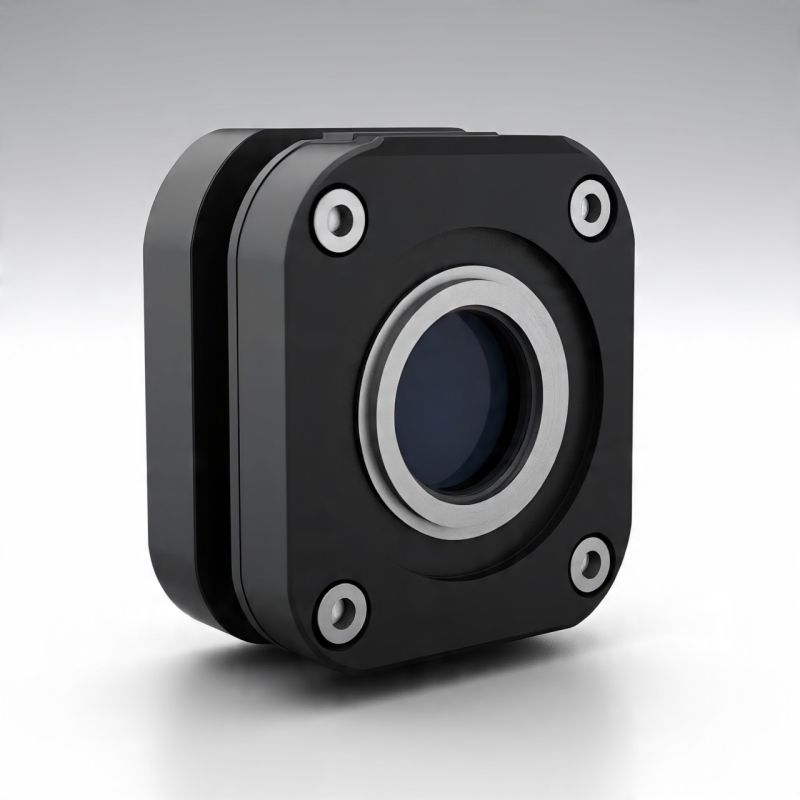
MEMS (Micro-Electro-Mechanical Systems) sensors are miniature devices that integrate microscopic mechanical parts and microelectronics on a silicon chip. They detect and measure physical parameters such as acceleration, rotation, pressure, or sound, and convert them into electrical signals.
MEMS Accelerometer vibration sensor, tilt sensor, motion detection, inertial sensor
MEMS Gyroscope angular velocity sensor, rotation measurement, IMU (inertial measurement unit)
MEMS Pressure Sensor barometric sensor, duct pressure monitor, HVAC pressure transducer
MEMS Microphone digital mic, acoustic sensor, sound level
MEMS Flow Sensor airflow measurement, gas flow, microfluidic sensor
MEMS Temperature Sensor micro thermal sensor, HVAC temp probe
Gyroscope (3-axis
Combined IMU (Accel + Gyro)
Pressure Sensor (low-range)
MEMS Microphone
Flow Sensor
HVAC duct monitoring
High-precision automotive/medical MEMS
calibration and rugged
Additional Information:
Payment Terms :
Packaging Details : MEMS (Micro-Electro-Mechanical Systems) sensors are miniature devices that integrate microscopic mechanical parts and microelectronics on a silicon chip. They detect and measure physical parameters such as acceleration, rotation, pressure, or sound, and convert them into electrical signals.
MEMS Accelerometer vibration sensor, tilt sensor, motion detection, inertial sensor
MEMS Gyroscope angular velocity sensor, rotation measurement, IMU (inertial measurement unit)
MEMS Pressure Sensor barometric sensor, duct pressure monitor, HVAC pressure transducer
MEMS Microphone digital mic, acoustic sensor, sound level
MEMS Flow Sensor airflow measurement, gas flow, microfluidic sensor
MEMS Temperature Sensor micro thermal sensor, HVAC temp probe
Gyroscope (3-axis
Combined IMU (Accel + Gyro)
Pressure Sensor (low-range)
MEMS Microphone
Flow Sensor
HVAC duct monitoring
High-precision automotive/medical MEMS
calibration and rugged
Delivery Time : 9967861294
 Prashant Tempe (Leelavati Automation Pvt Ltd)
 Unit No. 809, 8th Floor, The EPI Centre SATTVA The Wadhwa Group, above D-Mart, Chembur(E, Mumbai, Maharashtra 400071 - 40061, India
 Share us via








 GST : 27AABCL9949B1ZC